Navigating the world of autism treatment can feel overwhelming for families, can’t it? With so many options out there, it’s tough to know where to start. Applied Behavior Analysis (ABA) has become quite popular, known for its structured approach to behavior modification. But as parents explore ABA and other therapies - like music, art, or even dietary changes - they often wonder what truly works best for their child's unique needs. What if the secret to helping your child thrive is a mix of different methods that celebrate their unique strengths?
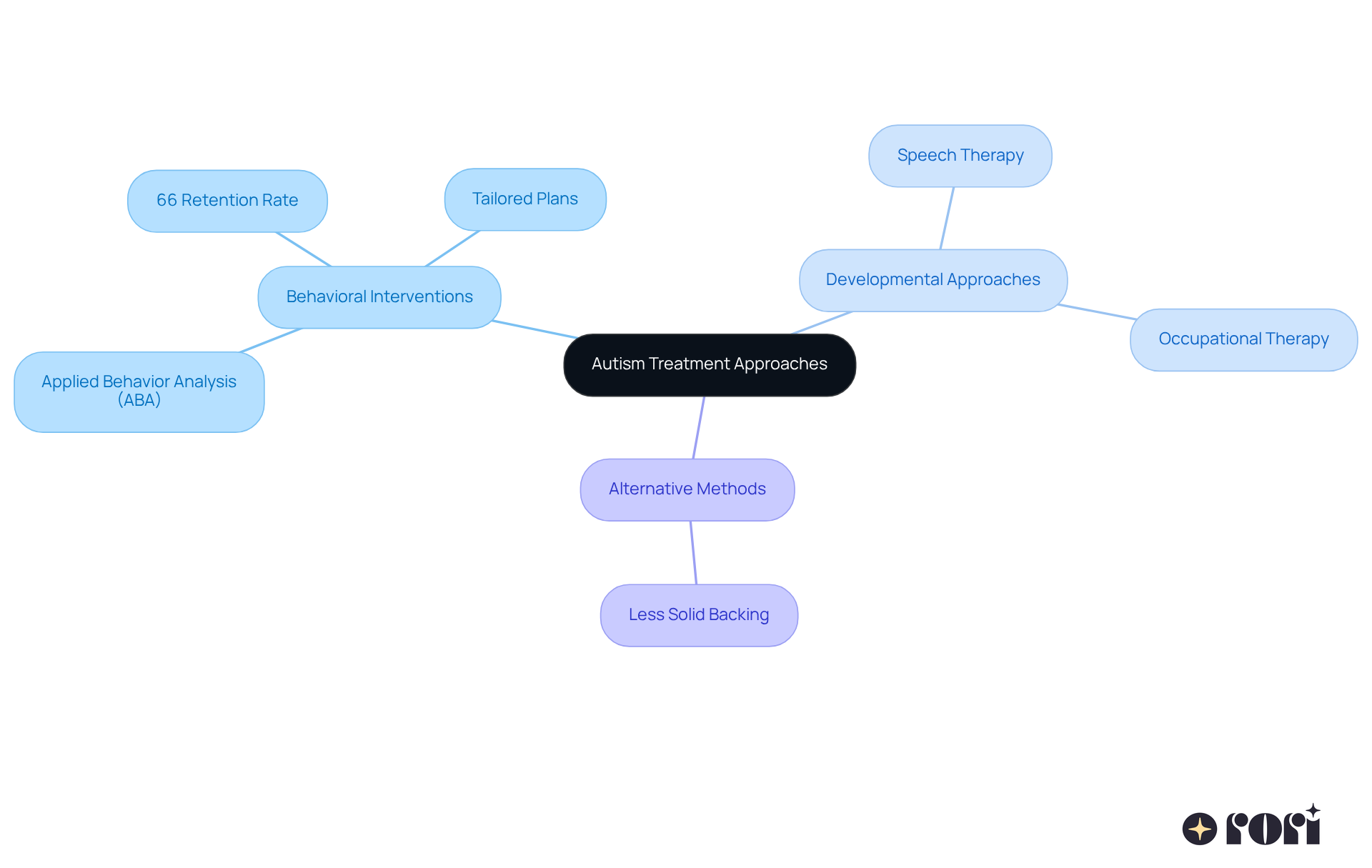
Choosing the right effective treatment options for autism for your child can feel overwhelming, can’t it? There are three main types of autism treatment methods:
When it comes to behavioral interventions, Applied Behavior Analysis (ABA) really stands out. It focuses on changing specific behaviors using positive reinforcement, which many families find helpful! Did you know that about 66% of kids who start ABA therapy stick with it for a whole year? That really shows how much families trust this approach!
At Rori Care, we believe in making each plan special for your child. We tailor it to fit their unique strengths and challenges, so they get the best support possible! We set clear goals for behavior change and skill development, giving families a transparent way to track progress. Our behavior analysts use the latest research to ensure we’re applying the most effective methods. Plus, we keep a close eye on how your child is doing and adjust the plan as needed to get the best results.
On the other hand, developmental interventions like speech and occupational therapy focus on helping kids communicate better and tackle everyday tasks. It’s all about supporting the whole child! Starting these treatments around ages 2 or 3 can really boost communication and social skills.
Sure, alternative methods can be interesting, but they don’t always have the solid backing that traditional therapies do. It’s important to weigh your options! Recent data shows that about 64% of individuals with autism use behavioral approaches like ABA, highlighting its popularity among families looking for effective interventions.
Every approach has its pros and cons, so it’s super important for families to think about effective treatment options for autism that truly meet their child's needs when selecting a treatment plan! Ultimately, finding the right fit for your child can make all the difference in their journey.
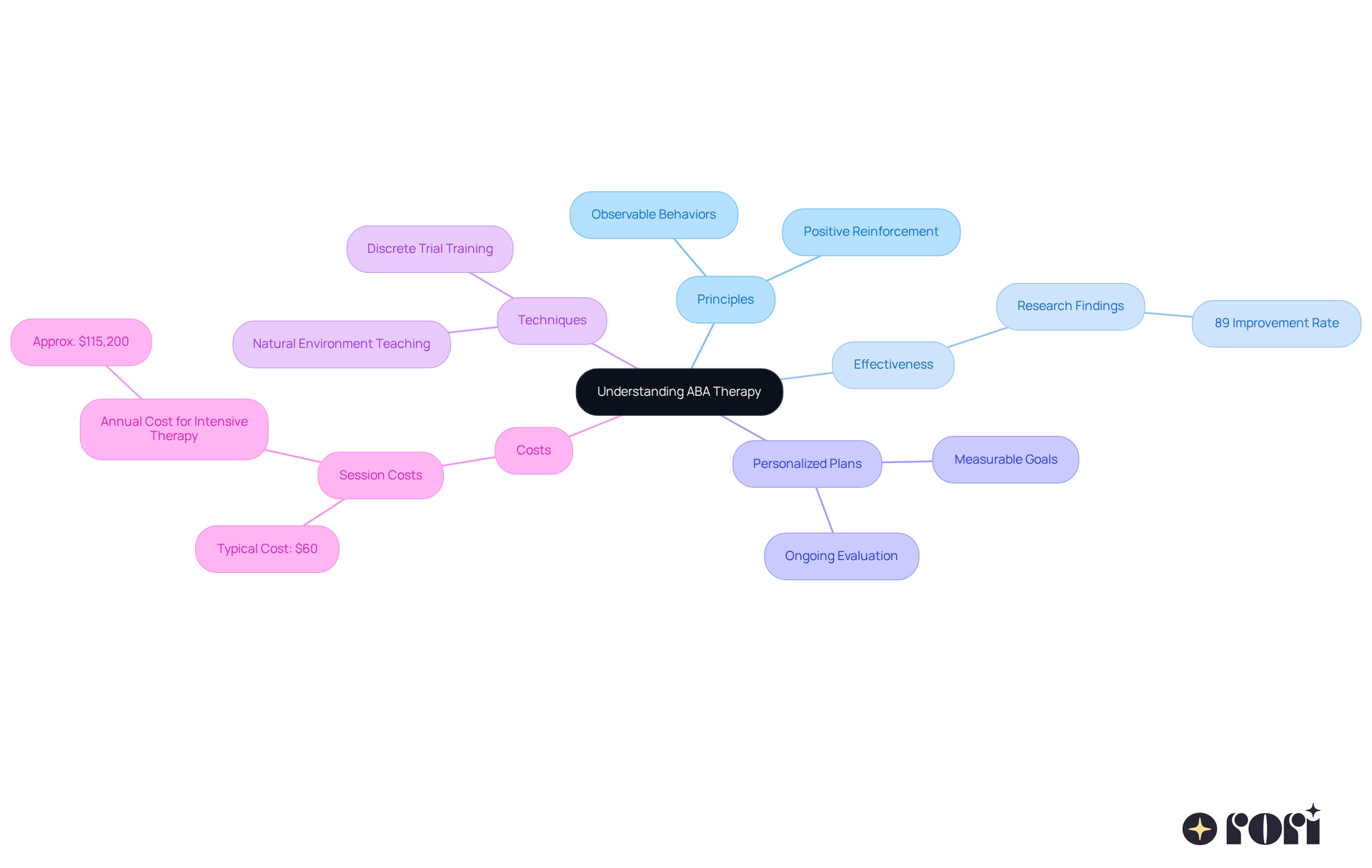
Navigating the world of effective treatment options for autism can feel overwhelming for parents, especially when trying to find the right fit for their child. So, what exactly is Applied Behavior Analysis (ABA)? It’s all about understanding how our actions connect with the world around us! ABA focuses on observable behaviors and the environmental factors that influence them. Many parents find that ABA can really help their kids communicate better and connect with others! By using techniques like positive reinforcement, ABA encourages good behaviors while gently steering away from the not-so-great ones.
Research shows that kids involved in intensive ABA programs - typically 25 to 40 hours a week - often make amazing strides, especially when they start early. In fact, many studies indicate that over 89% of children undergoing ABA see significant improvements in their cognitive and social skills. But it’s important to remember that some folks feel ABA might miss out on the emotional side of things, which is why exploring other effective treatment options for autism can also be helpful!
At Rori Care, we’re all about creating personalized plans that include effective treatment options for autism to fit each child’s unique needs and strengths. We set clear, measurable goals to track progress, making it easier for everyone involved. Our behavior analysts use proven strategies, like discrete trial training and natural environment teaching, based on the latest research to ensure we’re using the best methods for behavior change.
We also believe in keeping things flexible! Ongoing evaluation and adjustments are key to our approach, as we continuously monitor how each child is responding to interventions. Plus, we’ve embraced advanced AI technology to help us prepare progress reports, freeing up 50% more time for direct treatment. This not only makes our work more efficient but also empowers parents with ABA principles and strategies to support their child’s goals.
And let’s not forget about the costs - understanding what you might spend can really help you plan ahead! A typical session with a Registered Behavioral Technician runs about $60, and that can add up depending on how often you go. We’re here to help you every step of the way, so let’s explore this together!
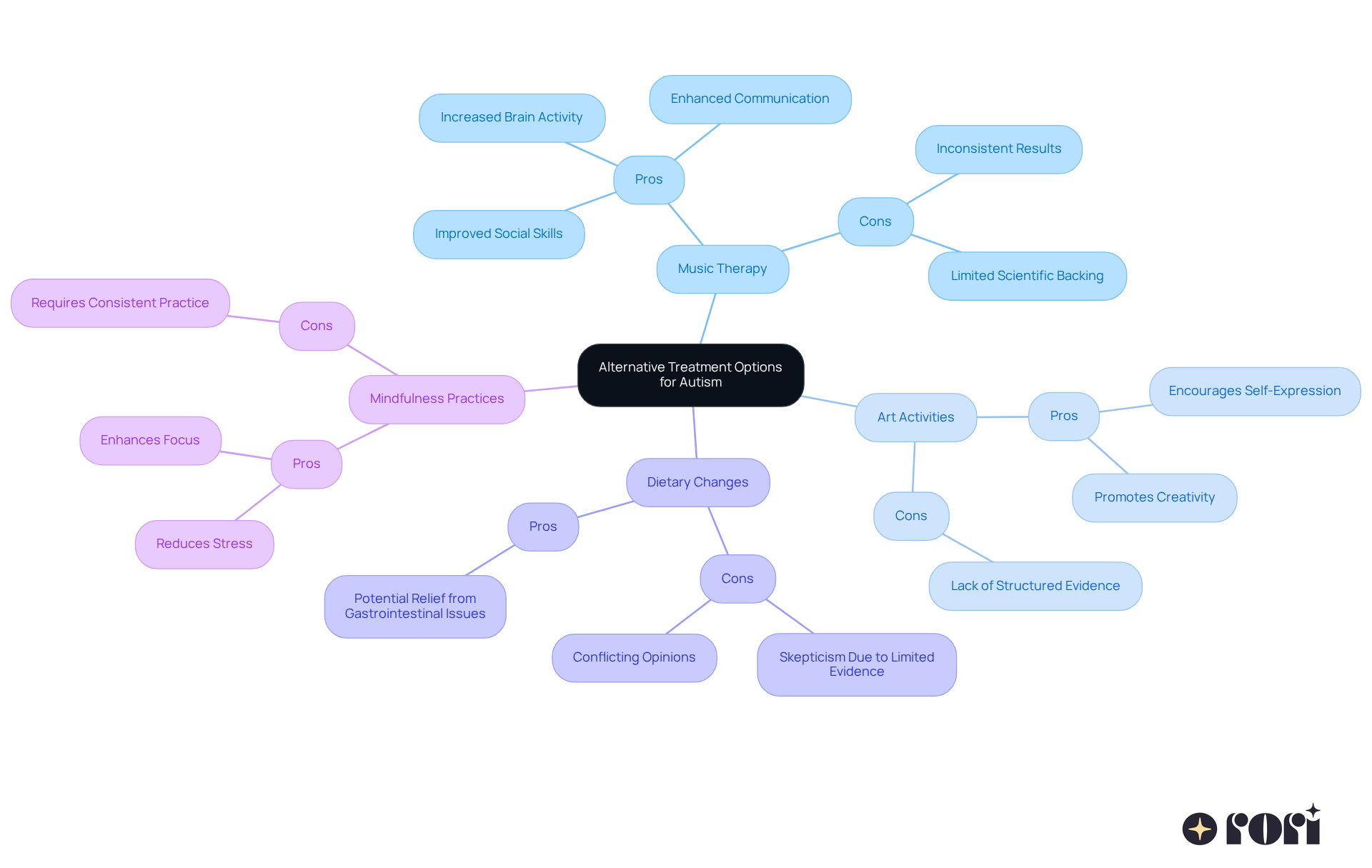
Exploring effective treatment options for autism can feel overwhelming, especially when faced with so many choices and opinions. There are various approaches out there, like:
You know, music therapy has shown some real promise in helping kids with autism connect and communicate better! Recent studies even found that children in music support groups showed improved social skills, especially in how they communicate with others. That’s a pretty encouraging sign!
In addition to music therapy, social skills group therapy led by trained therapists can really help kids improve their interactions and communication in a group setting. It’s not just about the kids, though; this approach also highlights how important it is for parents to be educated and equipped with the right tools to support their children’s development effectively.
Dietary interventions are often explored to tackle the gastrointestinal issues that many autistic children face. While there are some success stories out there, the scientific backing for many alternative treatments is still a bit shaky, which can leave parents feeling skeptical. It can be frustrating for parents to hear conflicting opinions about treatments for their children. For instance, while some studies suggest that music therapy can enhance social skills, others haven’t found significant changes in behaviors or speech.
It’s really important to find a balance by mixing in some of these new treatments with tried-and-true methods like ABA to identify effective treatment options for autism. By taking this comprehensive approach, you can enjoy the benefits of new therapies while making sure your child gets the best care possible! As we continue to learn and grow in this field, staying informed and open-minded can lead to better support for our children.
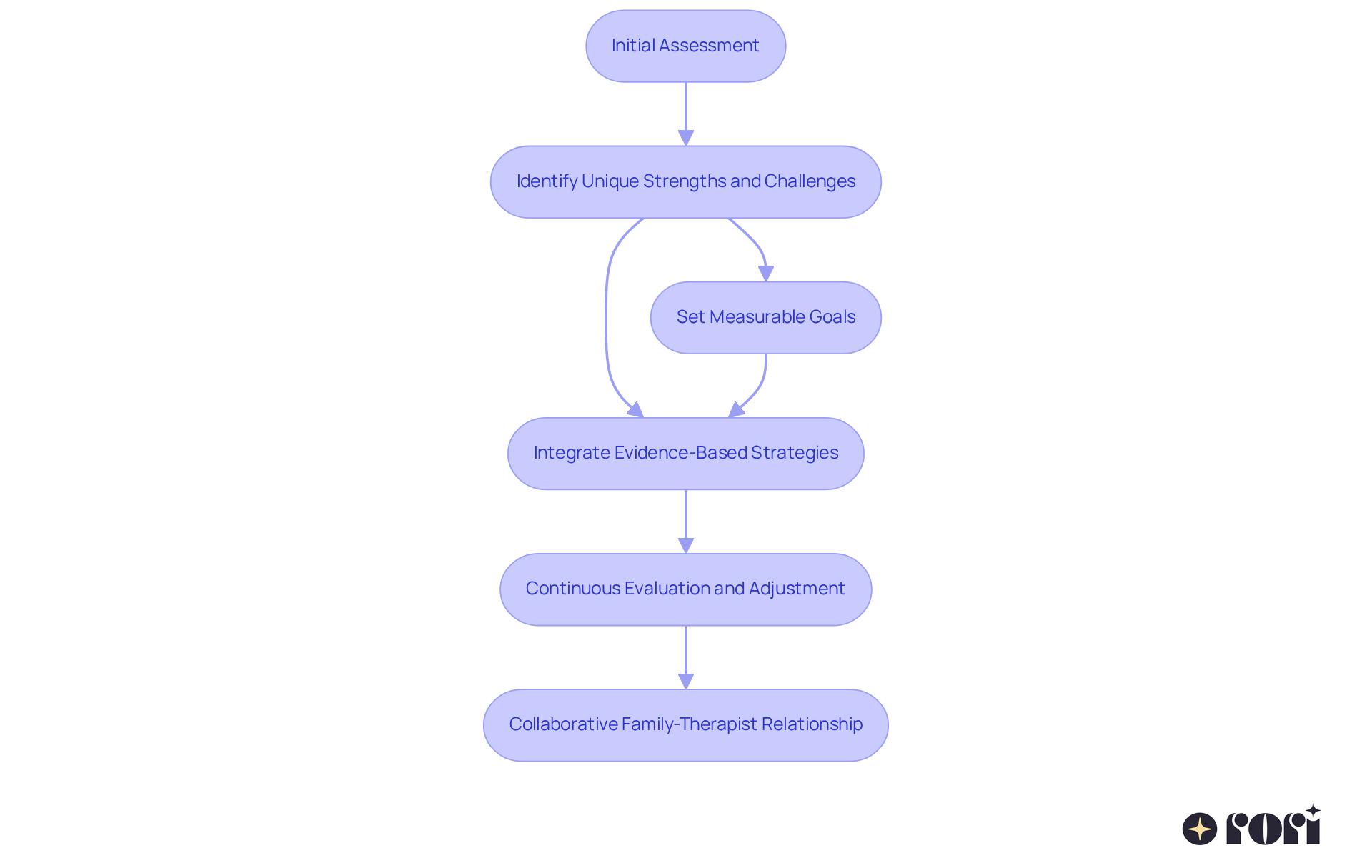
Navigating autism care can feel overwhelming, especially when it comes to finding the right support for your child. Finding the right support often starts with effective treatment options for autism that truly understand their unique strengths and challenges. In Applied Behavior Analysis (ABA) treatment, qualified analysts create these plans through thorough assessments, identifying target actions and setting measurable goals.
These tailored plans integrate evidence-based strategies to promote positive behavior changes and skill acquisition. Plus, they’re continuously evaluated and adjusted to ensure they meet your child’s evolving needs. Many families have discovered that ABA therapy is among the effective treatment options for autism, with a success rate that speaks to its tailored approach. This focus not only enhances treatment outcomes but also fosters a collaborative relationship between families and therapists.
As Ralph Moller puts it, 'A personalized treatment plan takes into account the unique needs and preferences of the individual, allowing for tailored interventions that are most effective for their specific challenges.' When parents get involved in the treatment process, it not only empowers them but also strengthens the bond with their child.
Moreover, with the incorporation of advanced AI technology, Rori Care can monitor and prepare progress reports, freeing up 50% more time for direct treatment of young individuals. This personalized focus is vital for maximizing the effectiveness of ABA therapy, which serves as one of the effective treatment options for autism, ensuring that each child's unique needs are met. Let’s explore this together and see how we can support your child’s journey!
Navigating treatment options for autism can feel like a daunting task, can’t it? Choosing the right path is so important for your child's growth and happiness. We’ve talked about how ABA therapy can really make a difference, right? It’s backed by solid research showing its positive impact on cognitive and social skills. But remember, every child is unique, and that’s where personalized treatment plans come in. They help tailor interventions to fit your child’s specific needs.
While alternative methods can be intriguing, they often don’t have the same level of support as traditional therapies. It’s crucial to weigh these options thoughtfully. Finding the right path can lead to a sense of relief and hope for both you and your child.
At the end of the day, finding the right autism treatment is a journey we take together as a family. Stay informed and open-minded, and explore all the avenues that can contribute to your child's success. By embracing a personalized approach, you’re not just making choices; you’re creating a brighter future for your child.
What are the main types of autism treatment methods?
The three main types of autism treatment methods are behavioral interventions, developmental approaches, and alternative methods.
What is Applied Behavior Analysis (ABA)?
Applied Behavior Analysis (ABA) is a behavioral intervention that focuses on changing specific behaviors using positive reinforcement. It is a widely trusted method, with about 66% of kids who start ABA therapy continuing for a whole year.
How does Rori Care approach autism treatment?
Rori Care tailors treatment plans to fit each child's unique strengths and challenges, setting clear goals for behavior change and skill development. They monitor progress and adjust plans as needed, using the latest research to apply effective methods.
What are developmental interventions in autism treatment?
Developmental interventions, such as speech and occupational therapy, focus on helping children communicate better and manage everyday tasks. These treatments are most effective when started around ages 2 or 3, as they can boost communication and social skills.
Are alternative methods for autism treatment effective?
Alternative methods can be interesting, but they often lack the solid backing that traditional therapies like ABA have. Families should weigh their options carefully when considering these methods.
How common are behavioral approaches like ABA among individuals with autism?
Recent data shows that about 64% of individuals with autism use behavioral approaches like ABA, indicating its popularity among families seeking effective interventions.
Why is it important to choose the right autism treatment plan?
Choosing the right treatment plan is crucial because each approach has its pros and cons. Finding a plan that truly meets a child's needs can significantly impact their development and overall journey.