

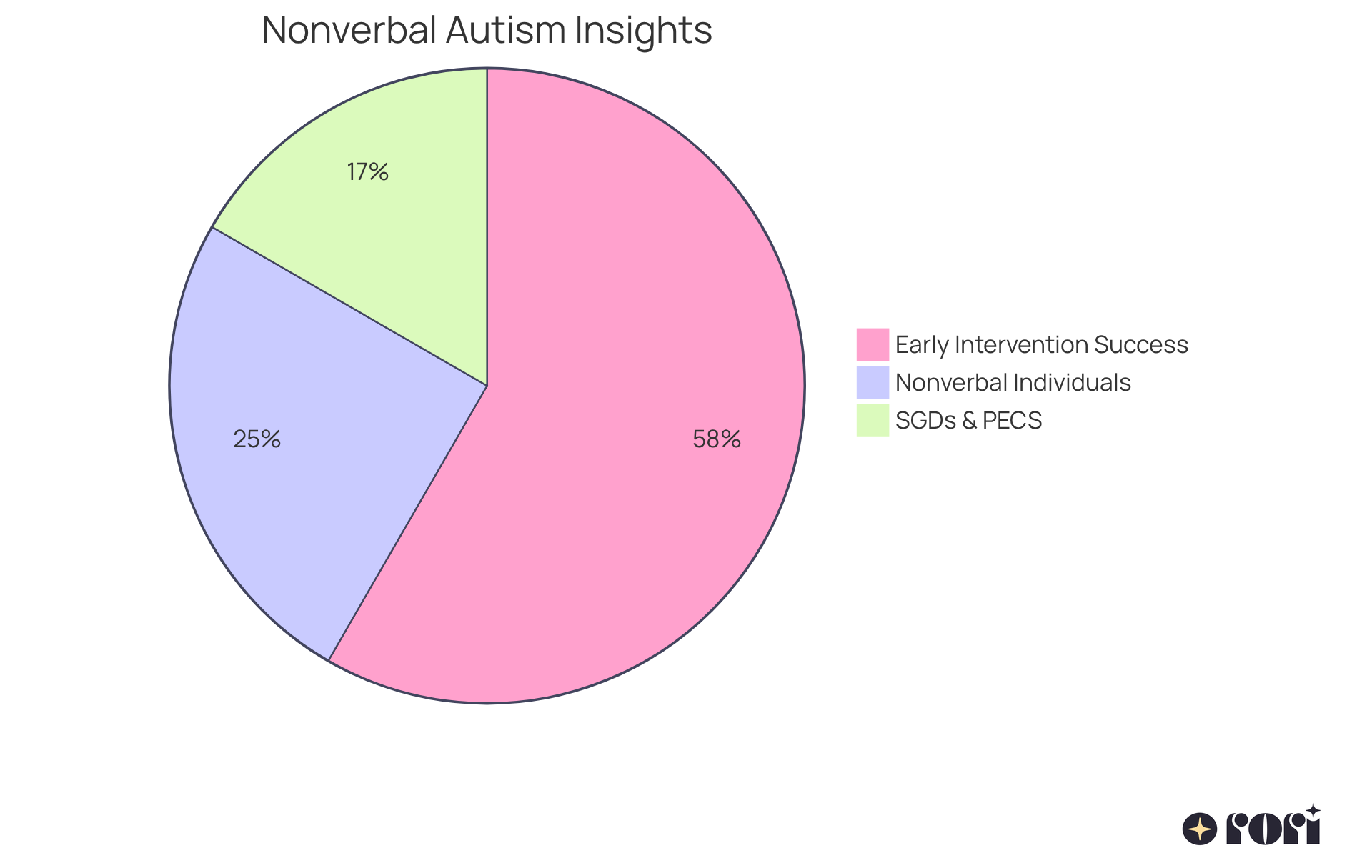
Understanding the complexities of nonverbal autism highlights a real need for support strategies that truly fit the unique challenges these amazing kids face. Did you know that around 25-30% of children on the autism spectrum are nonverbal? This often means their potential for effective communication goes untapped, leaving many feeling isolated and misunderstood.
In this article, we’ll explore five essential steps that caregivers and educators can take to create an inclusive environment. These steps can help enhance communication and empower nonverbal children with autism to express themselves. So, how can families and communities come together to unlock the full potential of these remarkable individuals? Let’s dive in and find out!
Nonverbal autism is a significant part of the autism spectrum disorder (ASD) family, affecting about . These individuals often don’t develop functional speech, which can make expressing themselves and interacting socially quite challenging. Many autistic youths struggle to understand and use visual cues like gestures and facial expressions—essential tools for effective communication. On top of that, sensory sensitivities can make it even harder for them to engage with their surroundings and peers.
It’s important to remember that not using spoken language doesn’t mean a lack of intelligence. In fact, many nonverbal individuals with autism have average or even above-average cognitive abilities when assessed with the right accommodations. This really underscores the need for addressing the unique needs of and tailoring interventions to recognize their potential.
At Rori Care, we take a personalized approach to support non-speaking autistic individuals. Each behavioral strategy we create is customized to meet the specific requirements, strengths, challenges, and goals of the individual. We set clear, measurable goals for behavior change and skill development, giving everyone a transparent way to track progress. Our qualified rooted in the latest research, ensuring we apply the most .
Effective interventions often include , like speech-generating devices (SGDs) and the Picture Exchange System (PECS). These tools help individuals articulate their thoughts and needs. Studies show that around 70% of autistic youth who receive intensive early interventions develop some form of functional expression by school age, which really highlights how effective these approaches can be. Plus, in schools can significantly boost their learning experiences.
is key to addressing the when developing effective support strategies. By fostering an environment that values their interactions, assumes capability, and provides the right resources, we can help these young individuals navigate their social worlds more effectively. We continuously evaluate and adjust our intervention plans to ensure we’re monitoring progress and making necessary tweaks to optimize outcomes. And let’s not forget about caregiver education! We provide families with the knowledge and resources they need to through , ultimately enhancing their overall effectiveness.
Let’s explore this together! If you have any thoughts or experiences to share, we’d love to hear from you!
Supporting nonverbal individuals can feel like a big challenge, but addressing the unique needs of through can really help them express their needs and connect with the world around them. When caregivers understand and apply , they can create a consistent and nurturing environment that makes a real difference. Let’s explore some together:
By weaving these techniques into daily interactions, caregivers can make informed choices that foster meaningful conversations and enhance the quality of life for children with autism, all while addressing the unique needs of nonverbal children with autism. When caregivers actively participate and align with therapeutic strategies, it often leads to better behavioral outcomes, empowering them to support their children’s developmental goals.
Let’s keep this conversation going! What techniques have you found helpful? We’re here to help you every step of the way!

Visual supports are a game-changer for enhancing communication by addressing the unique needs of nonverbal children with autism! Let’s dive into some effective strategies that can really make a difference:
Integrating these into daily routines can empower nonverbal individuals to express themselves better and improve their understanding of the world around them, thereby addressing the unique needs of nonverbal children with autism. Plus, participating in with qualified therapists can further enhance these interaction strategies, leading to better relationships and social competence.
The patient-focused approach of , which tailors to each individual’s unique needs, underscores the importance of (EIBI) for boosting learning, verbal, and social skills in individuals with autism. And let’s not forget about ! It’s crucial for ensuring that caregivers are well-equipped to support their children’s development in expressing themselves.
The use of visual aids has been shown to improve communication outcomes, making them essential tools in autism therapy. So, let’s explore this together! We’re here to help you every step of the way!

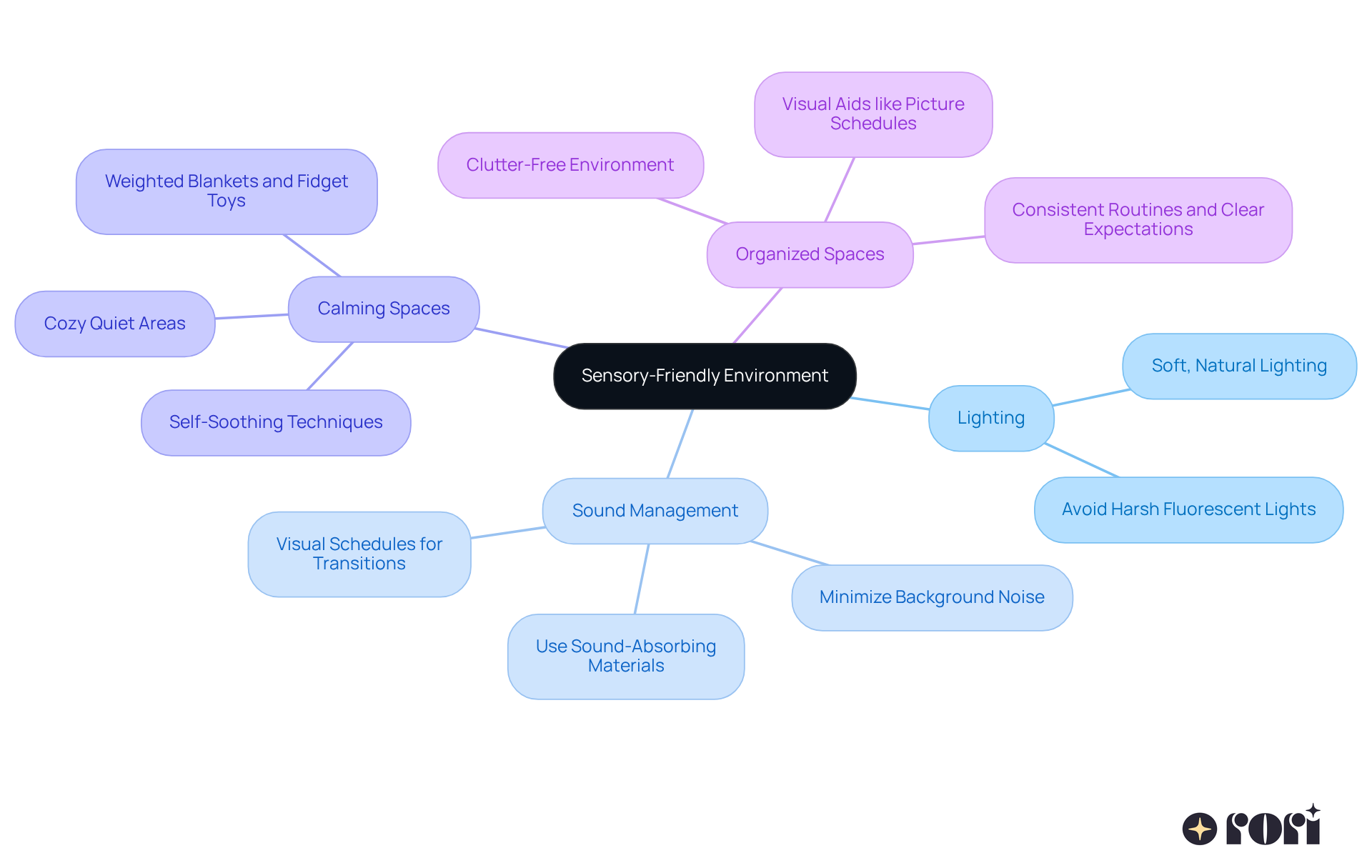
Creating a involves addressing the unique needs of . And guess what? is key in this journey! Let’s dive into some essential strategies that can make a real difference:
Making these adjustments can significantly enhance the comfort and well-being of children with limited speech, especially when addressing the unique needs of nonverbal children with autism, allowing them to thrive. As occupational therapists emphasize, effective sensory management strategies are vital for fostering a supportive environment that promotes independence and social connections. By empowering caregivers with knowledge and skills, Rori Care is here to help you every step of the way! Let’s explore this together!
To establish effective routines for nonverbal children, let’s consider a few friendly steps:
is essential for addressing the unique needs of nonverbal children with autism, helping them feel safe and supported, and ultimately . The principles of are super helpful here, especially in addressing the unique needs of nonverbal children with autism by offering a personalized approach to learning and behavior tailored to individual needs. Plus, when caregivers are equipped with ABA techniques and knowledge, they can effectively support their children in reaching their behavioral goals.
As behavioral analysts have observed, consistency in daily activities is essential for promoting independence and . This way, young individuals can truly thrive in their everyday lives. Let’s explore this together! We’re here to !

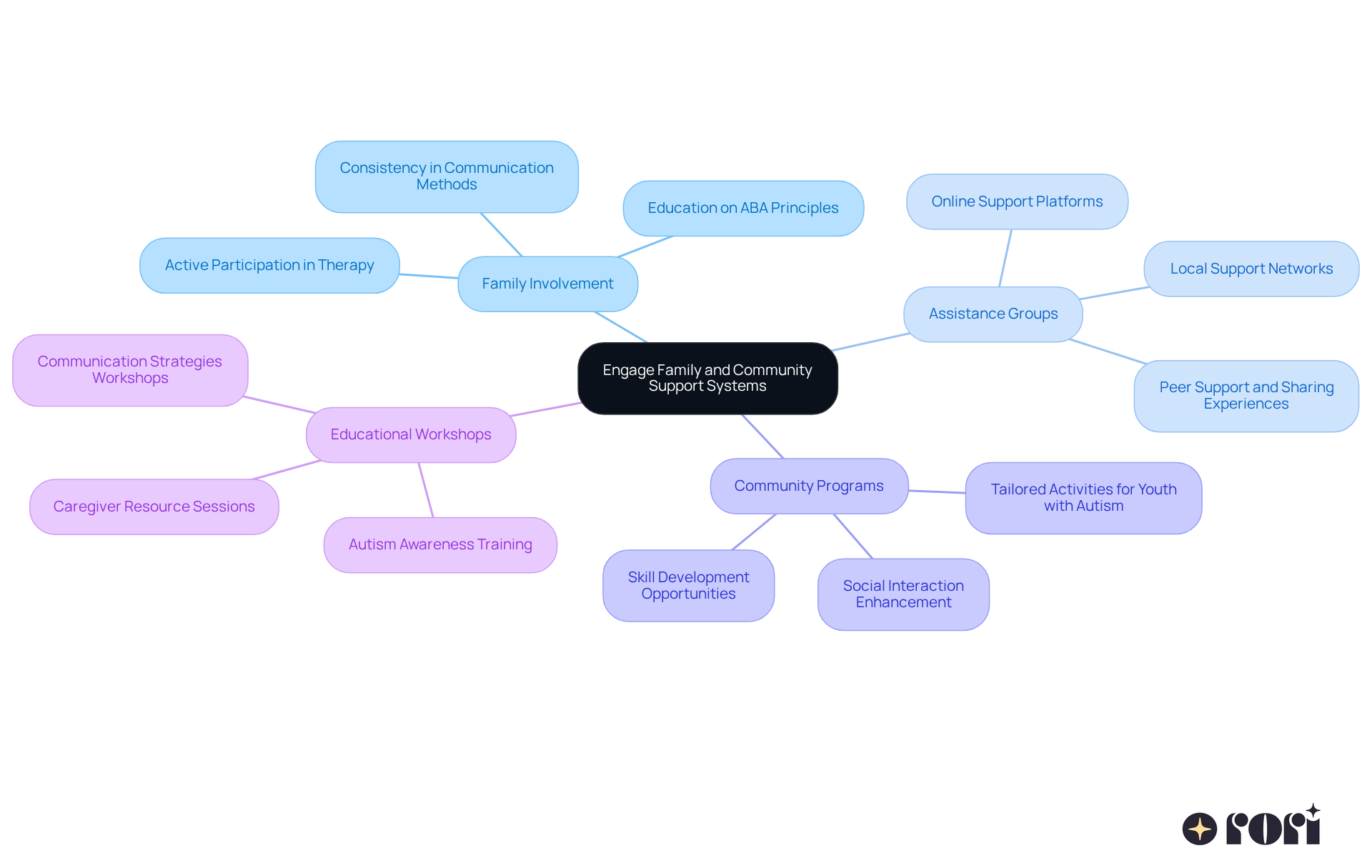
Involving family and community support networks is crucial for addressing the unique needs of nonverbal children with autism and improving their care and growth. Let’s explore some together:
As Temple Grandin wisely said, "Different, not less." This highlights the importance of understanding and supporting individuals with autism. By building a strong support network and actively involving caregivers in the therapeutic process, families can create a nurturing environment that fosters growth and independence, particularly by addressing the unique needs of nonverbal children with autism.
We’re here to help you every step of the way!
Understanding and addressing the unique needs of nonverbal children with autism is so important for their growth and development. These kids face real challenges in communication, social interaction, and sensory processing. That’s why it’s crucial to have support strategies that truly recognize their capabilities and potential. By using effective interventions and appropriate communication methods, caregivers and professionals can create an environment that empowers these individuals to express themselves and engage meaningfully with the world around them.
Throughout this article, we’ve explored various strategies to support nonverbal children. Think about using alternative communication methods like PECS, sign language, or speech-generating devices. Visual supports—like visual schedules, choice boards, and emotion cards—can really enhance understanding and expression. Plus, creating a sensory-friendly environment can make a big difference in comfort and engagement. Establishing routines and involving family and community support systems are also key in meeting the unique needs of these children, ensuring a consistent and nurturing atmosphere.
Ultimately, supporting nonverbal children with autism is a team effort that brings together caregivers, educators, and communities. By fostering awareness and understanding, and by leveraging effective strategies, we can create a more inclusive world where every child has the chance to thrive. Embracing the differences of nonverbal autistic individuals not only enriches their lives but also enhances the fabric of society as a whole. Let’s engage in this dialogue and share our experiences—together, we can pave the way for greater acceptance and support for those navigating the challenges of nonverbal autism.
So, what do you think? We’re here to help you every step of the way!
What is nonverbal autism?
Nonverbal autism is a significant part of the autism spectrum disorder (ASD) that affects about 25-30% of individuals diagnosed with autism. It is characterized by the absence of functional speech, making communication and social interaction challenging.
Do nonverbal individuals with autism lack intelligence?
No, nonverbal individuals with autism often have average or above-average cognitive abilities when assessed with appropriate accommodations. The lack of spoken language does not indicate a lack of intelligence.
How does Rori Care support nonverbal autistic individuals?
Rori Care takes a personalized approach by creating customized behavioral strategies that address the specific needs, strengths, challenges, and goals of each individual. They set clear, measurable goals for behavior change and skill development.
What types of interventions are effective for nonverbal autistic individuals?
Effective interventions include alternative communication methods such as speech-generating devices (SGDs) and the Picture Exchange Communication System (PECS), which help individuals express their thoughts and needs.
What is the Picture Exchange Communication System (PECS)?
PECS is a method that allows children to communicate by swapping pictures representing their wants or needs. Research shows that 80% of children using PECS improve their communication abilities within six months.
How does sign language benefit nonverbal individuals with autism?
Teaching basic sign language provides a visual and physical way for nonverbal individuals to express themselves. About 30% of nonverbal individuals with autism who learn sign language can use it effectively to communicate their needs.
What are speech-generating devices (SGDs)?
SGDs are devices that allow individuals to communicate through pre-recorded messages or text-to-speech features. They have been successful in enhancing communication skills and social interactions for nonverbal individuals.
How can gesture-based interaction help nonverbal individuals?
Encouraging gestures like pointing or nodding can facilitate basic interactions and serve as a bridge to more complex forms of communication, making them a valuable tool in early intervention.
What role do caregivers play in supporting nonverbal autistic individuals?
Caregivers can create a consistent and nurturing environment by understanding and applying ABA principles, which can significantly enhance the communication and social skills of nonverbal children with autism.
How can communication-friendly environments impact nonverbal autistic individuals?
Creating communication-friendly environments in schools can significantly boost the learning experiences of nonverbal autistic individuals, helping them navigate their social worlds more effectively.


