Understanding the unique sensory experiences of children with autism is so important for their engagement and well-being. Did you know that around 90% of these kids face sensory processing challenges? That’s why effective sensory management isn’t just a strategy; it’s a lifeline.
In this article, we’ll explore five essential steps that empower caregivers to create tailored environments and interventions. This way, every child can truly thrive amidst their sensory needs. What if the key to unlocking a child's potential lies in understanding their sensory world? Let’s dive in together!
Managing stimuli in autism is all about understanding that kids on the spectrum often experience the world differently than their neurotypical peers. Did you know that around 90% of children with autism face some kind of ? This can show up as - or hyposensitivity, where they may seek out intense experiences like spinning or jumping. Recognizing these unique perceptual profiles is key to crafting that is tailored to each child's needs. For example, creating a cozy environment with noise-canceling headphones can help ease overwhelming stimuli, while can . By acknowledging these differences, we not only help prevent anxiety and meltdowns but also in a nurturing space where kids can truly thrive.
At Rori Care, we believe in . Each intervention is , strengths, challenges, and goals of every individual. We set clear, measurable goals for behavior change and skill development, giving families a transparent way to track progress. Our skilled behavior analysts use research-backed methods to implement these interventions effectively, consistently monitoring each child's journey and making necessary adjustments to enhance outcomes. Plus, is vital in developing tailored interventions that address the specific challenges each child faces. By empowering caregivers with ABA principles and strategies to support their children's behavioral goals through active involvement and data collection, we ultimately boost their social engagement and communication.
Let’s explore this together! We’re here to !

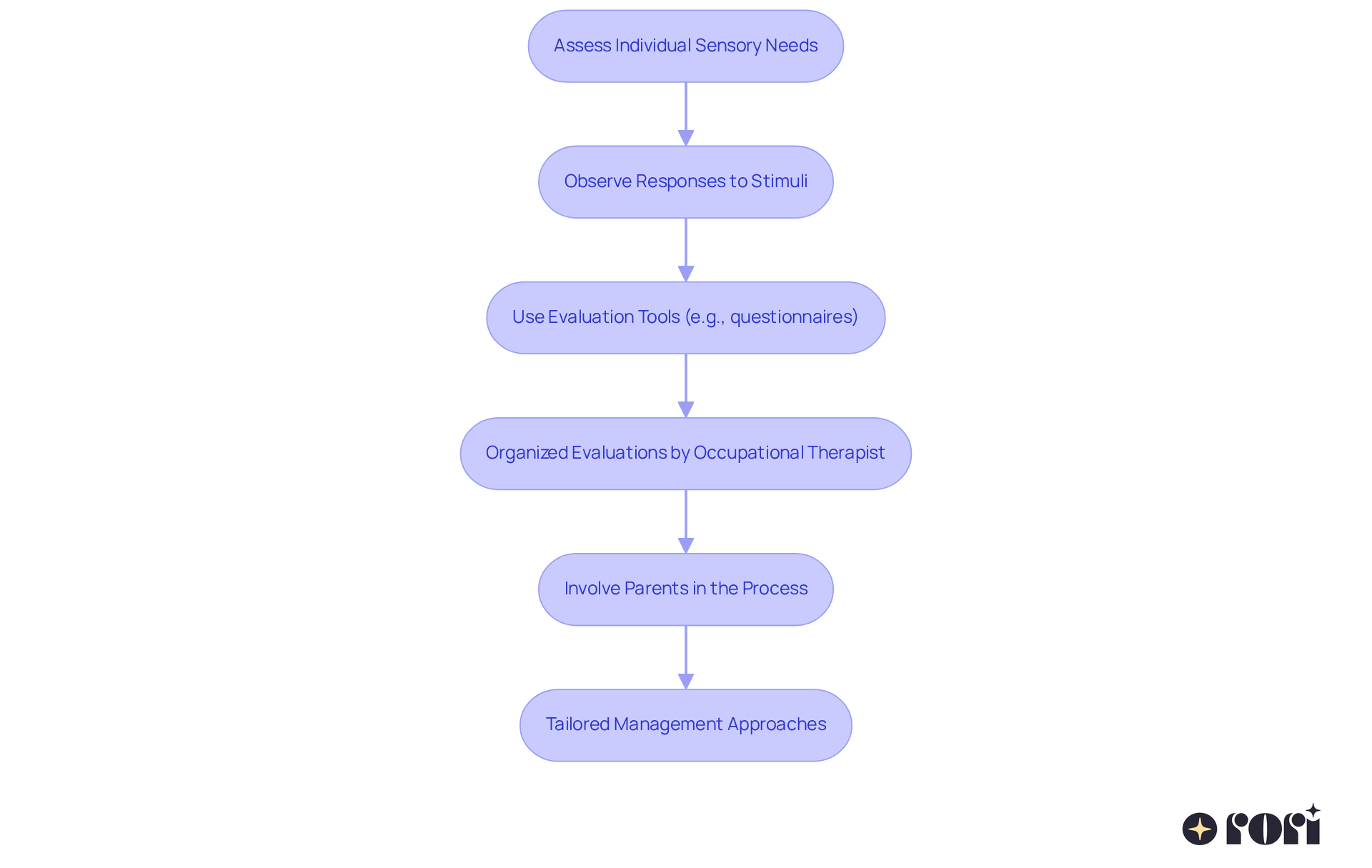
To effectively evaluate a young person's needs for sensory input, let’s start by observing how they respond to different stimuli in various settings. You might find it helpful to use tools like perception profiles or questionnaires designed for parents and educators. These can provide ! For example, notice how your child reacts to sounds, textures, and visual stimuli.
by an can really help, offering a . They can uncover specific triggers and preferences that might surprise you! Studies show that effective can significantly enhance our understanding of their processing, leading to more .
As s often highlight, is crucial. Your insights can . So, let’s explore this together! We’re here to help you every step of the way!
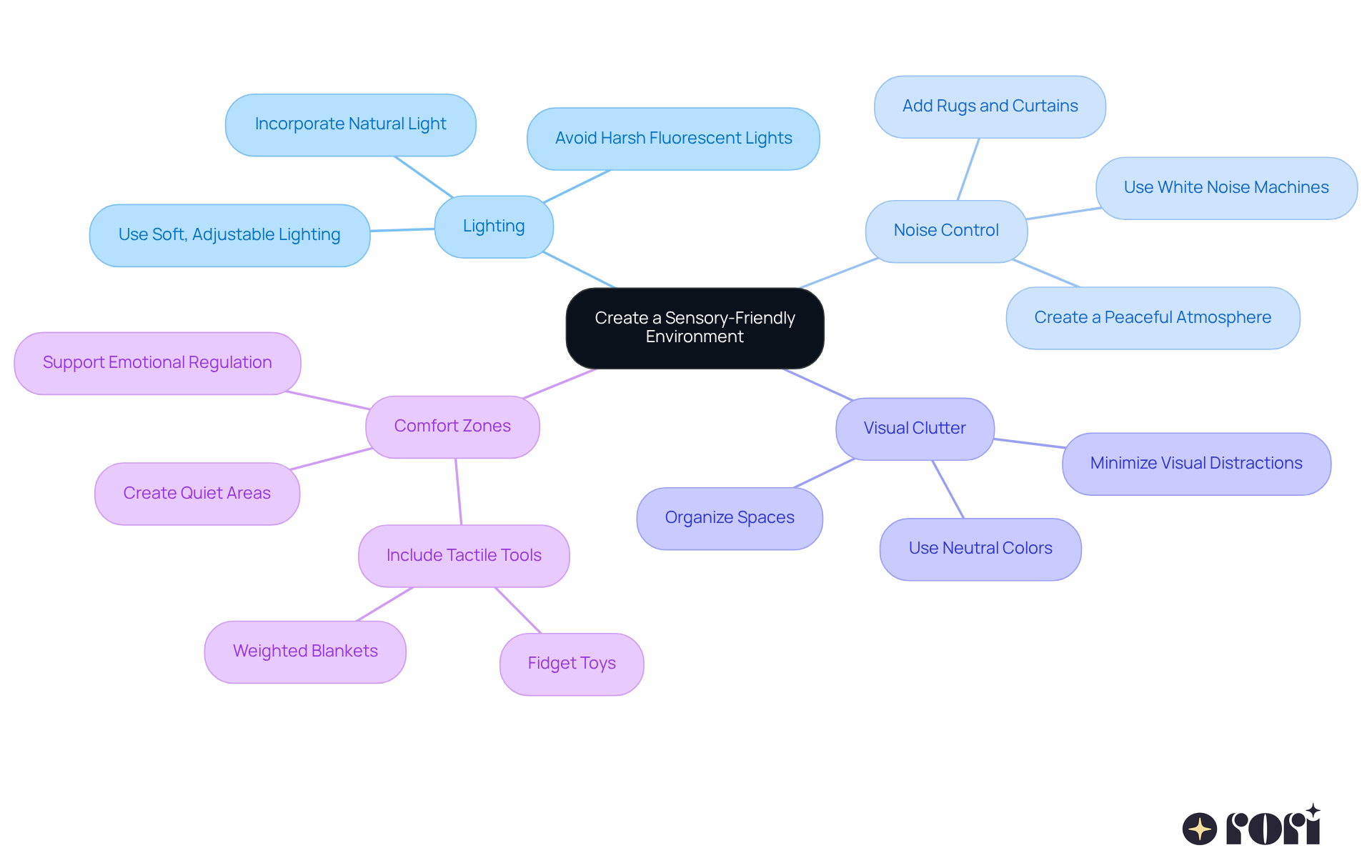
Creating can really make a difference for young people, helping them feel more comfortable and engaged. Let’s dive into some simple strategies that can transform their environment!
By making these adjustments, you can significantly enhance a young person's ability to interact and learn in their surroundings. Together, we can create a more ! Let’s explore this journey together!
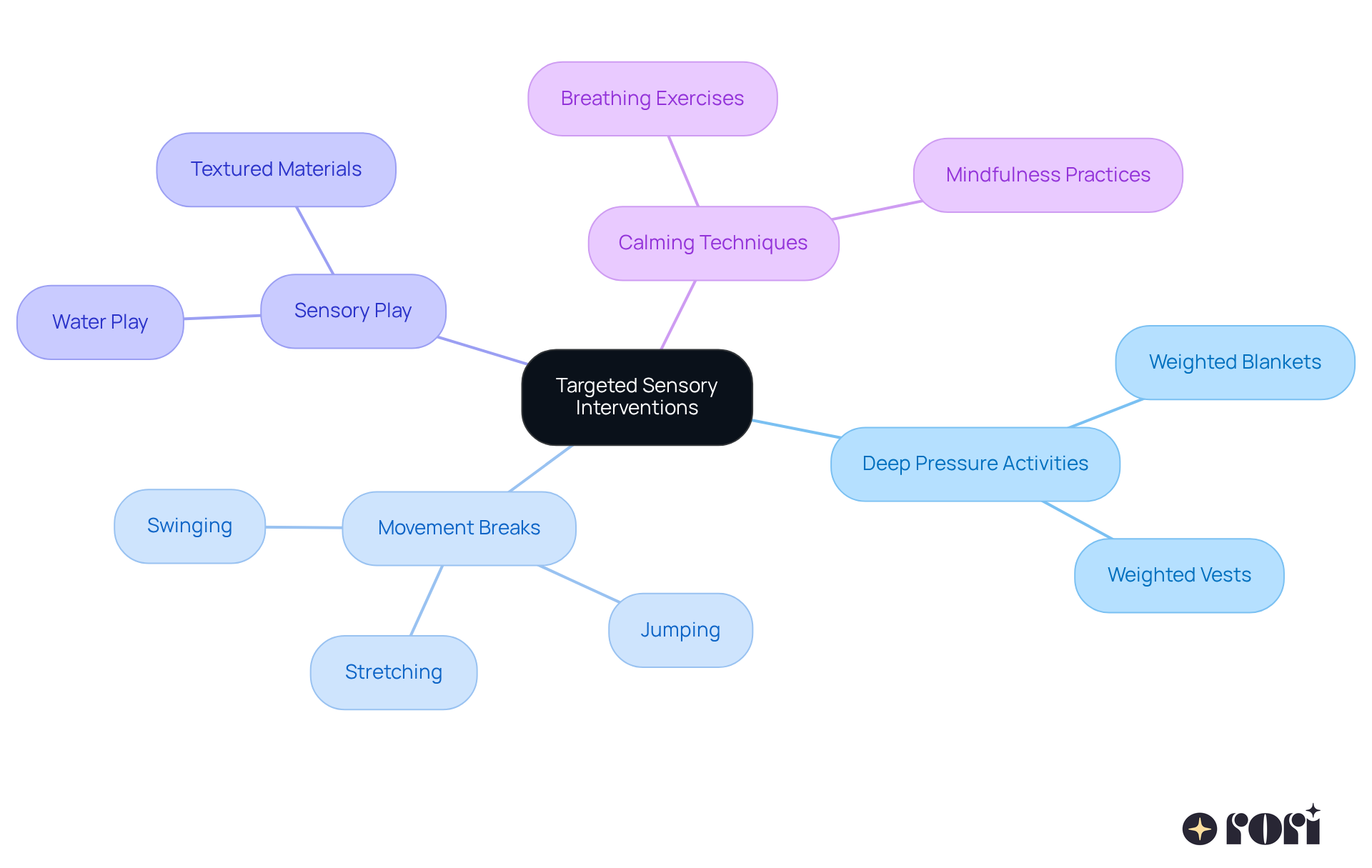
After understanding your child’s sensory needs and creating a supportive environment, you can begin implementing for children with autism through . Here are a few strategies that can really make a difference:
Remember, it’s important to for children with autism based on your child’s preferences and their responses to different types of input. And don’t forget, the journey toward progress often thrives on the . By implementing that evolve with progress reports, you’re setting the stage for success. Let’s explore this together!
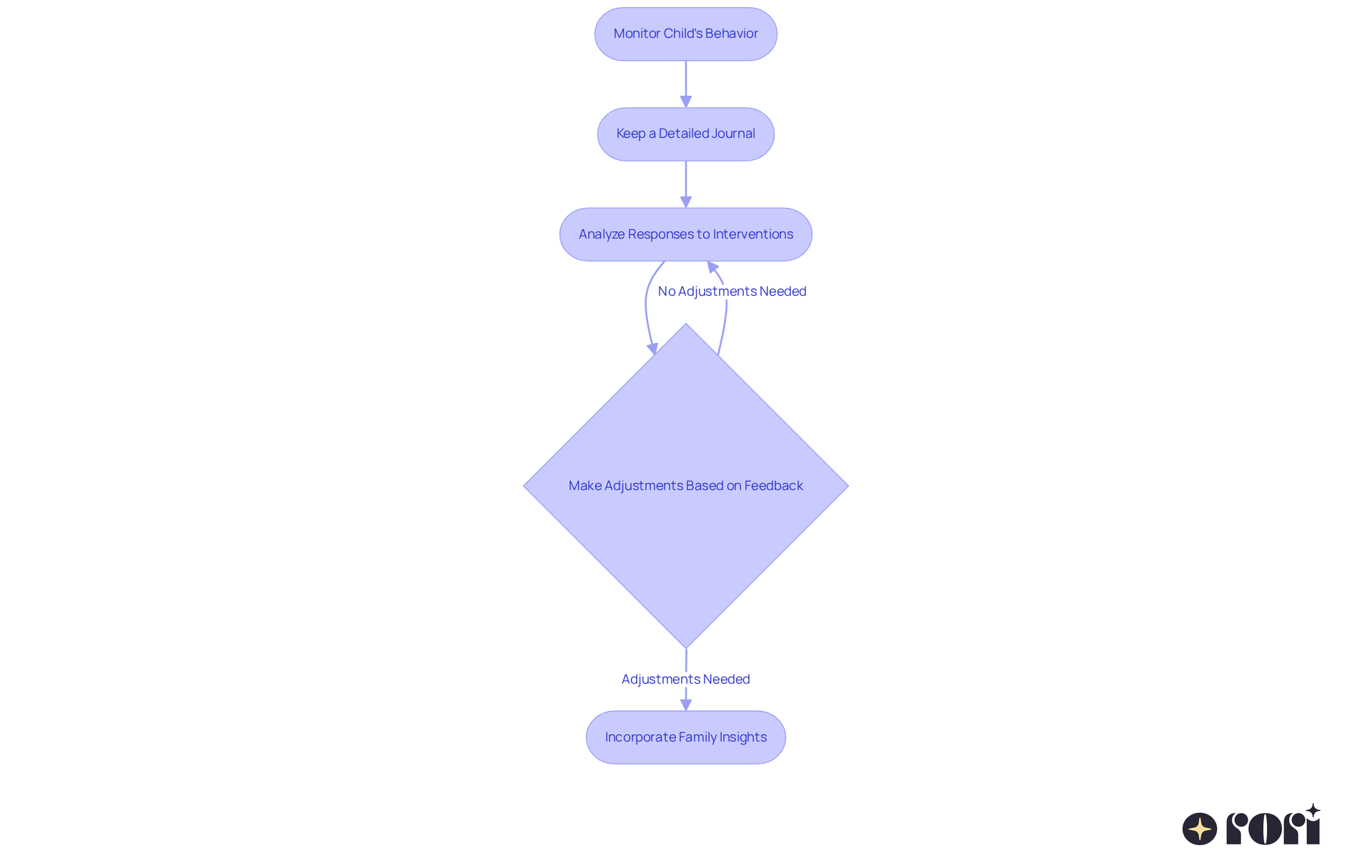
To really make work, it’s super important to keep an eye on your child’s behavior and comfort levels. Keeping a detailed journal can be a game-changer! It helps you track how they respond to different stimuli and interventions. Research shows that can lead to some pretty , and making often brings about even better outcomes.
If you find that certain strategies aren’t hitting the mark, don’t hesitate to switch things up! This might mean trying out new perceptual activities, tweaking the environment a bit, or even reaching out for to gain more insights. Remember, and their family during this journey is key. Their feedback can provide .
For example, one case study found that children who got to choose their reported a whopping ! This really highlights how important it is to listen to your child’s feedback when tailoring interventions. Let’s explore this together!
Effective sensory management for children with autism is so important in creating spaces where they can truly thrive. By recognizing the unique sensory experiences these kids have, caregivers and educators can put in place tailored strategies that really boost their comfort and engagement. When we understand the nuances of sensory processing, we can develop personalized interventions that meet each child's specific needs.
In this article, we’ve outlined some key steps to help with effective sensory management:
Each phase plays a vital role in enhancing the overall well-being of children on the autism spectrum. By actively involving parents and professionals in this journey, families can create a collaborative approach that leads to meaningful outcomes.
Ultimately, we can’t overstate how crucial sensory management is for children with autism. It’s not just about easing discomfort; it’s about empowering these kids to express themselves, engage with their surroundings, and develop essential social skills. By prioritizing sensory management, caregivers can help unlock the potential within each child, paving the way for a brighter, more inclusive future. Let’s embrace this journey of understanding and supporting sensory needs together, and see the amazing impact it can have on the lives of children with autism! 💖
What is sensory management in autism?
Sensory management in autism involves understanding that children on the spectrum often perceive the world differently than neurotypical peers, which can manifest as hypersensitivity or hyposensitivity to stimuli.
How common are processing disorders in children with autism?
Around 90% of children with autism experience some form of processing disorder.
What are examples of hypersensitivity and hyposensitivity in children with autism?
Hypersensitivity may involve overreacting to loud sounds or bright lights, while hyposensitivity might lead to seeking intense experiences like spinning or jumping.
How can parents help manage sensory stimuli for their children with autism?
Parents can create cozy environments using noise-canceling headphones to ease overwhelming stimuli and implement structured activities to help regulate responses, boosting emotional regulation and engagement.
What is the approach of Rori Care in sensory management for children with autism?
Rori Care believes in personalized planning for behavioral programs, tailoring interventions to fit each child's unique needs, strengths, challenges, and goals, while setting clear, measurable goals for behavior change and skill development.
How do behavior analysts at Rori Care support children with autism?
Skilled behavior analysts use research-backed methods to implement interventions, monitor progress, and adjust strategies as needed, collaborating with families to address specific challenges.
What tools can be used to assess a child's sensory needs?
Tools such as perception profiles or questionnaires designed for parents and educators can help evaluate how a child responds to different stimuli in various settings.
Why is parental involvement important in evaluating sensory needs?
Parental insights can provide valuable information about a child's unique experiences and needs, which is crucial for effective sensory management.
How can occupational therapists assist in sensory management for children with autism?
Occupational therapists can conduct organized evaluations to assess processing capabilities, uncover specific triggers and preferences, and help develop tailored management approaches.