Introduction
Understanding the complexities of autism is so important for helping our kids build self-confidence as they navigate its challenges. Parents, you play a key role in this journey! Your support can really boost your child's self-esteem and social skills. But how can you effectively help them feel confident in a world that can sometimes feel isolating?
Let’s explore this together! This article dives into some actionable steps that empower you to:
- Create a nurturing environment
- Promote self-advocacy
- Celebrate those little victories
We’ll also address the unique needs of children with autism, ensuring you feel equipped and supported every step of the way.
Understand Autism and Its Impact on Confidence
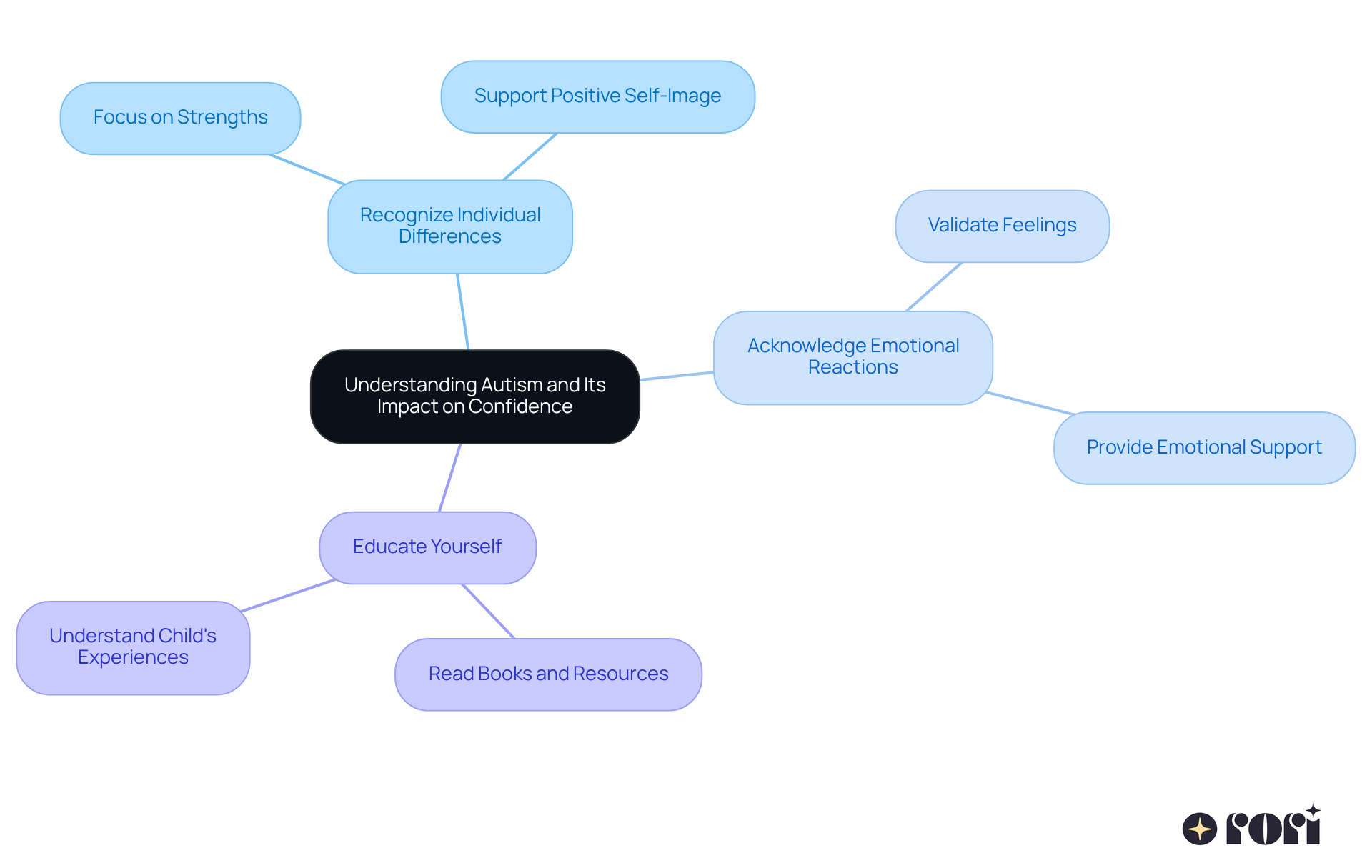
Fostering confidence in individuals with autism begins with truly . Autism can show up in different ways, like , , and trouble reading social cues. These aspects can lead to and lower self-worth.
- Recognize Individual Differences: Every child with autism has their own . By focusing on what they can do rather than what they struggle with, we can assist in and help create a positive self-image.
- : Kids might feel frustrated or anxious in social settings, which can really shake their confidence. Recognizing and validating these feelings is crucial for .
- : Diving into books and resources about autism can really enhance your understanding of your child’s experiences. This knowledge empowers you to provide the right support, which is essential for building confidence for parents of children with autism in public, ultimately .
Let’s explore this together! Understanding these elements can .
Create a Supportive Home Environment
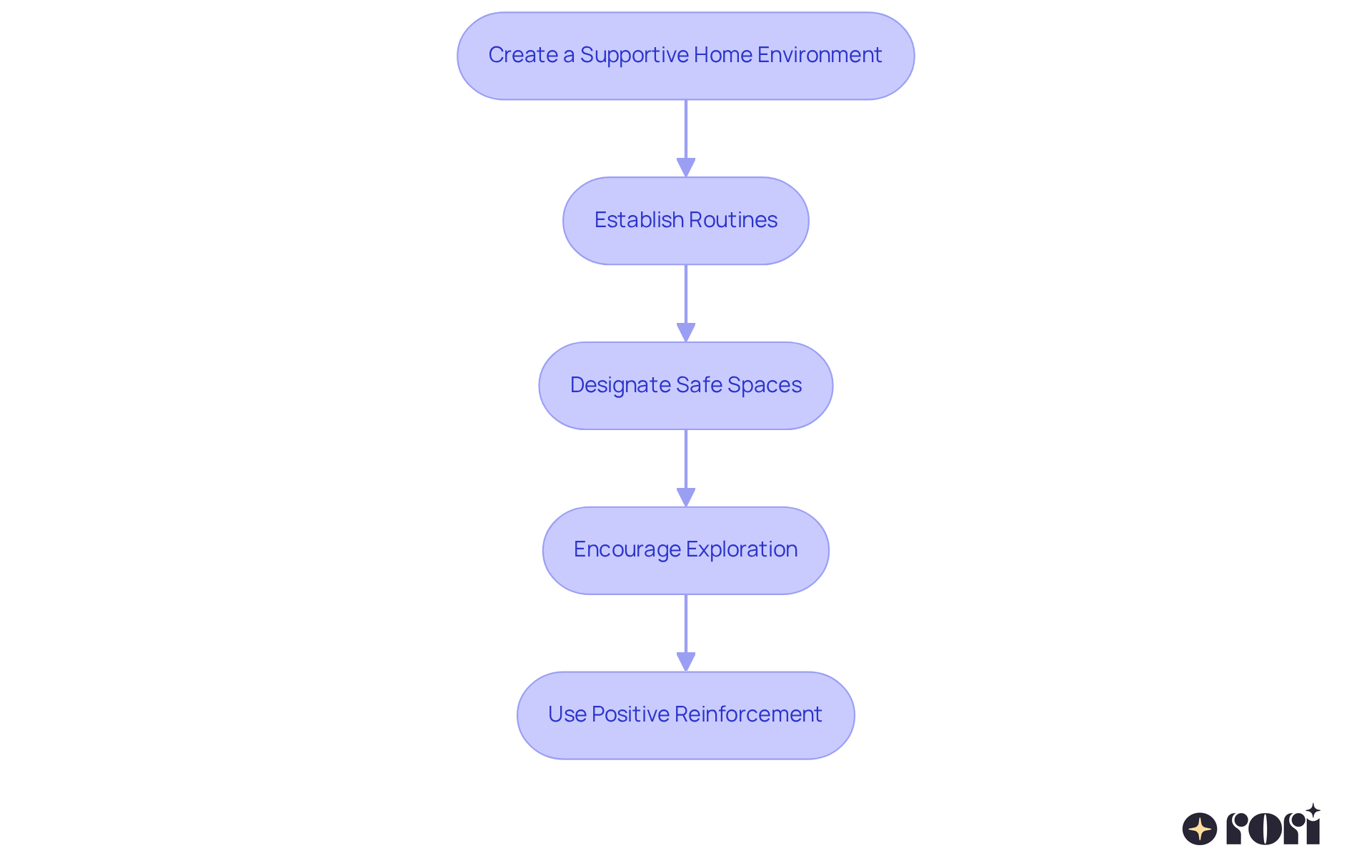
is essential for in public. Here are some simple steps to make that happen:
- Establish Routines: Kids thrive on consistency! . Research shows that having a routine can really help reduce anxiety and improve behavior. It makes navigating daily activities a lot easier. As Temple Grandin wisely said, 'Different, not less.' It’s all about understanding what each child needs.
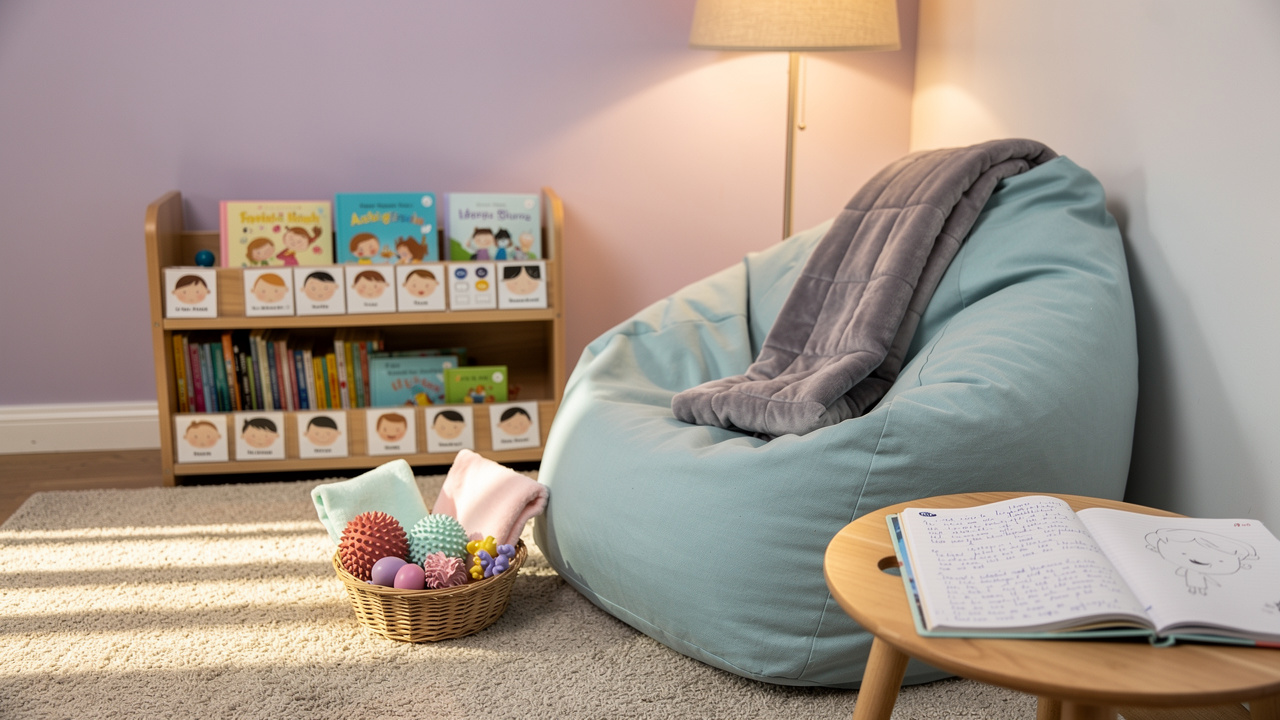
- Designate Safe Spaces: Think about creating cozy corners in your home where your little one can retreat when things get a bit too much. These , can help manage sensory sensitivities and offer a peaceful spot for emotional breaks.
- Encourage Exploration: Let your child dive into their interests and hobbies! This exploration not only helps them discover their strengths but also plays a role in . Celebrating their unique perspectives can really enhance their sense of self-worth.
- : Celebrate those small wins! A little praise or a reward can go a long way in in public, while also reinforcing positive behavior and lifting self-esteem. Studies show that , which in turn supports the child’s development. Remember what Kerry Magro said: 'Autism is not a tragedy; ignorance is a tragedy.' It’s all about fostering understanding and acceptance at home.
Let’s explore this together! Your journey in can make all the difference.
Teach Self-Advocacy Skills
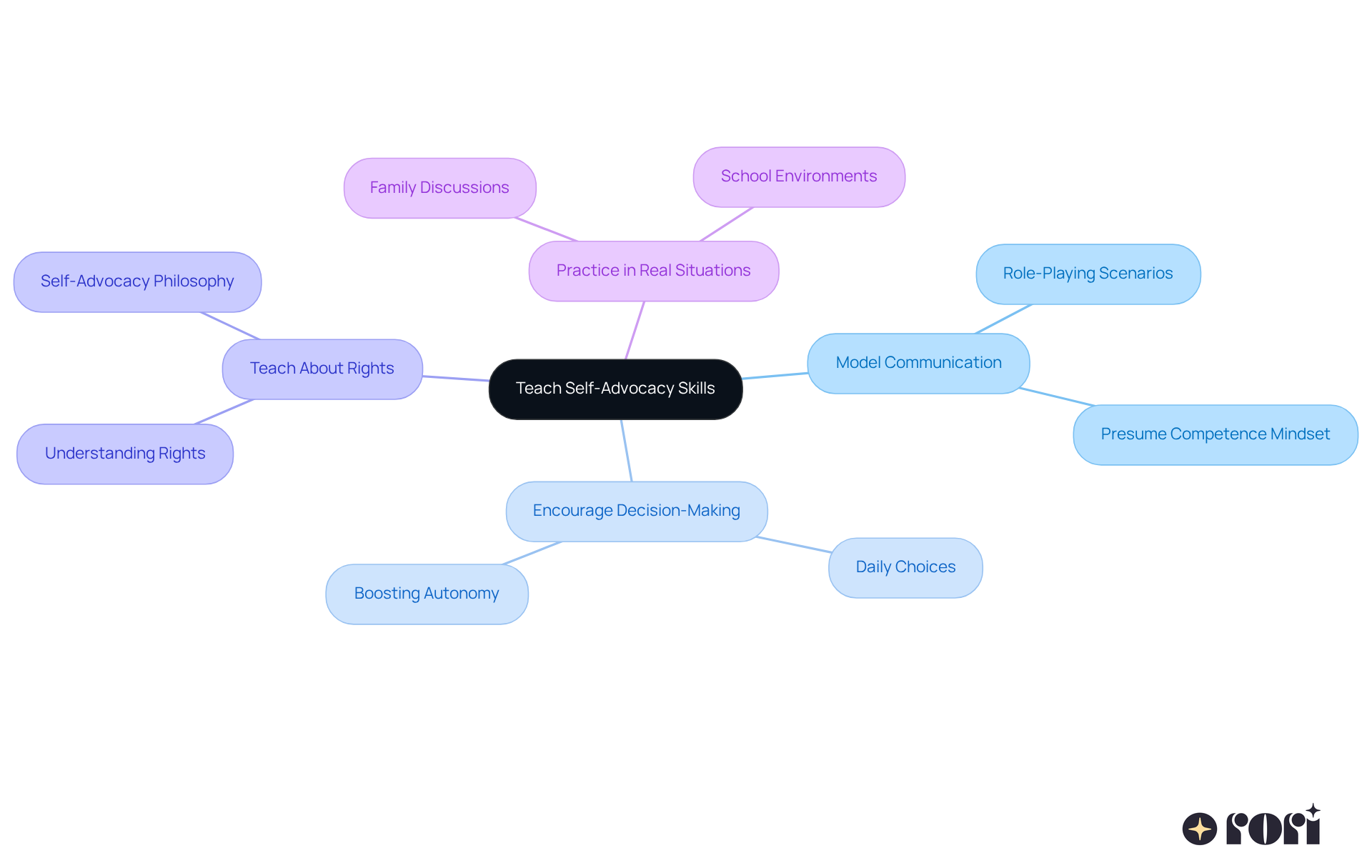
is such an important skill for children with autism. It helps them express their needs and preferences in a way that feels comfortable for them. Research shows that when kids can , their quality of life improves significantly. That’s why Rori Care’s programs focus on enhancing while also building , alongside supporting individuals with Autism Spectrum Disorders, ADHD, Social Communication Disorders, and Anxiety Disorders. Here are some friendly strategies parents can use to nurture these vital skills:
- Model Communication: Show your child how to express their needs and feelings clearly. You might even try role-playing different scenarios together. This way, they can see effective communication in action! As Chantal Sicile-Kira wisely says, 'Presume competence. Always assume your offspring can understand everything.' This mindset creates a supportive environment for open communication.
- Encourage Decision-Making: Give your child chances to make choices in their daily activities. This helps them feel more autonomous and boosts their confidence in decision-making. It’s crucial, especially since 75% of autistic individuals often feel misunderstood by others. Helping them express themselves clearly can make a big difference.
- Teach About Rights: It’s essential to and the . When they understand their rights, they’ll feel empowered to speak up when needed. The Autistic Self Advocacy Network’s philosophy, 'Nothing About Us Without Us,' really highlights how vital is in shaping policies and practices.
- : Create safe spaces for your child to , whether during family discussions or in school. This practice helps them build confidence in expressing their needs in real-life situations.
By promoting self-advocacy through Rori Care’s specialized programs, you can significantly enhance your child’s ability to navigate social interactions, which contributes to for parents of children with autism in public. This ultimately contributes to their confidence and . Let’s explore this journey together!
Facilitate Positive Social Interactions
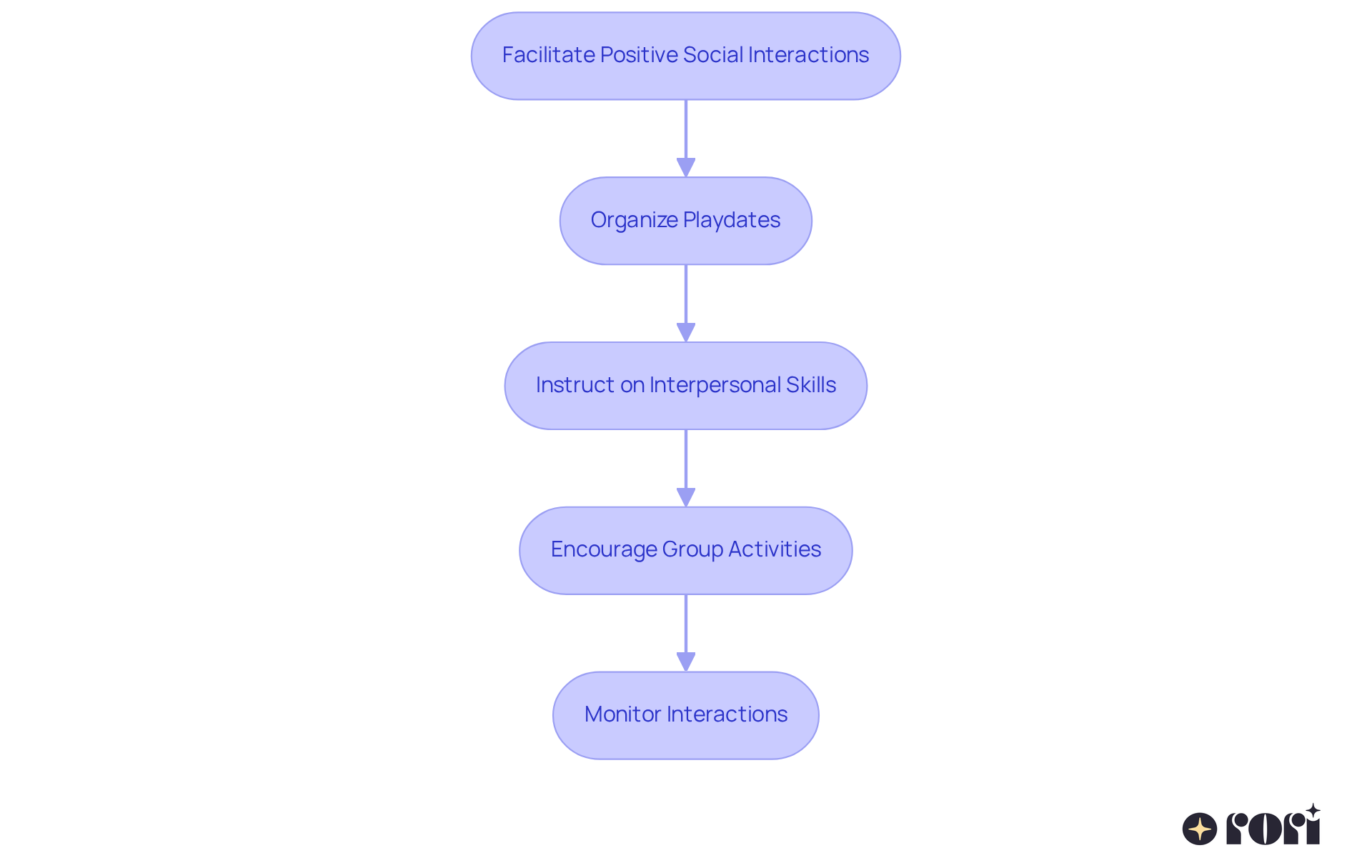
Positive interpersonal interactions can really boost a young person's confidence and abilities! Here are some essential steps to help facilitate these interactions:
- Organize : How about arranging small, with peers? This creates a . Studies show that regular can improve interaction skills, with kids showing real advancements in engagement and mutuality. For example, have been found to increase participation scores from an average of 19.50 to 28.50 after intervention. Pretty impressive, right?
- Instruct on : Using narrative scenarios and role-playing activities can be a fun way to help your child learn how to start conversations, share, and take turns. These methods have proven beneficial in , as kids who participate in such training often show notable improvements in their ability to engage with peers.
- Encourage : Get your child involved in or clubs that match their interests! Engaging in these environments not only helps them build friendships but also provides opportunities to practice their in a natural setting.
- Monitor Interactions: Keep an eye on your child's interactions during playdates and offer . Talk about what went well and identify areas for improvement, reinforcing that mistakes are just part of the learning journey. This approach helps kids realize that .
By applying these strategies, you can create enriching that empower your kids with autism to build self-confidence, which is essential for . Let’s explore this together!
Celebrate Achievements and Progress
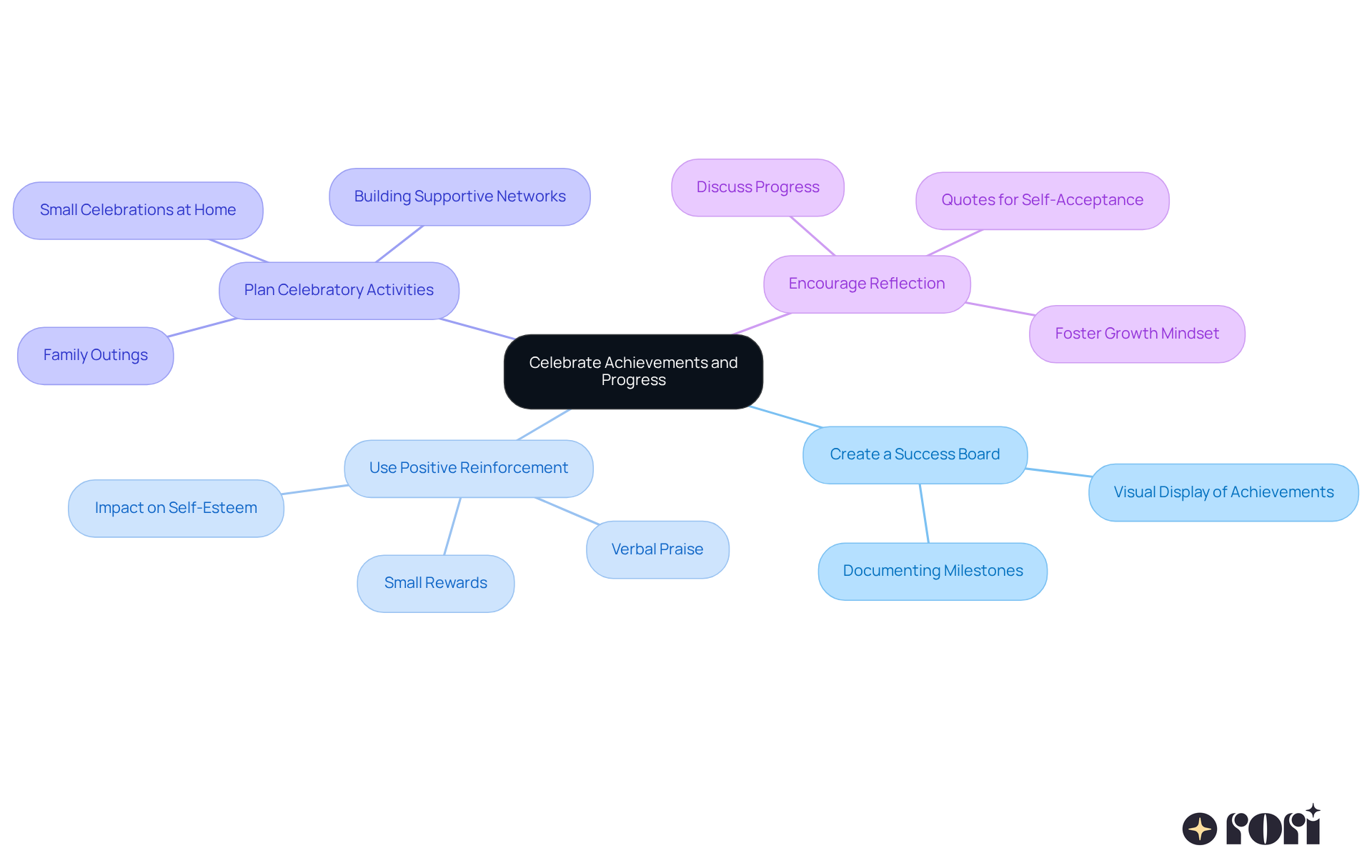
, no matter how small, is so important for in kids with autism and other social communication challenges. Here’s how you can recognize and effectively:
- Create a : How about designing a visual display that showcases your child’s achievements? Think of a board filled with pictures, notes, or drawings that highlight their milestones. This tangible representation serves as a daily and capabilities. Keeping a record of milestones through journals or digital means can really emphasize the importance of documenting their journey.
- : Consistently praising your child for their efforts and accomplishments can make a world of difference. , like verbal praise or small rewards, boosts their self-assurance and motivates them to keep striving for success. Research shows that this kind of encouragement can lead to improved self-esteem and motivation in young individuals. Did you know that 74% of autistic students graduate with a diploma? That’s a testament to the positive impact of supportive strategies!
- Plan Celebratory Activities: Organizing special activities or outings to is a great way to create lasting memories. Whether it’s a family outing or a small celebration at home, these events reinforce the importance of their achievements. Sharing these moments with family and friends helps build a for your little one, which is crucial for enhancing their social skills and confidence.
- Encourage Reflection: Engage your child in discussions about their progress. Help them reflect on what they’ve learned and how they’ve grown, fostering a sense of pride in their accomplishments. This practice not only validates their efforts but also encourages a growth mindset, which is essential for their ongoing development. As Temple Grandin wisely said, "I am different, not less," reminding us of the importance of celebrating individual achievements and fostering self-acceptance.
By implementing these strategies, you can create a supportive environment that celebrates each child's unique journey while for parents of children with autism in public, reinforcing their self-worth and encouraging further growth. Let’s explore this together!
Conclusion
Building confidence in children with autism is quite the journey, isn’t it? It takes understanding, support, and a whole lot of active engagement from parents. By recognizing each child’s unique differences, acknowledging their emotional reactions, and creating a nurturing home environment, you can lay a strong foundation for your child’s self-esteem. This journey isn’t just about providing a safe space for exploration and routine; it’s also about teaching essential self-advocacy skills that empower your child to express their needs and navigate social situations effectively.
The strategies we’ve talked about - like facilitating positive social interactions, celebrating achievements, and using positive reinforcement - really highlight the importance of a supportive approach. Each step you take enhances your child’s confidence and self-worth, helping them thrive in both public and personal settings. By actively engaging in these practices, you’re creating an environment that promotes growth, understanding, and acceptance, ultimately helping your child flourish.
As this journey continues, remember that every small achievement counts! Celebrating these milestones not only reinforces your child’s sense of accomplishment but also fosters a culture of encouragement and pride within your family. By committing to these steps and keeping an open dialogue about progress, you can significantly impact your child’s confidence and well-being. Together, let’s pave the way for a brighter future filled with endless possibilities!
Frequently Asked Questions
What is autism and how does it impact confidence?
Autism is a condition that can manifest through challenges in communication, sensory sensitivities, and difficulties in reading social cues. These challenges can lead to feelings of isolation and lower self-worth, impacting the confidence of individuals with autism.
How can understanding individual differences help build confidence in children with autism?
Recognizing that every child with autism has unique strengths and challenges allows parents and caregivers to focus on what the child can do, rather than their struggles. This positive approach helps in building confidence and fostering a positive self-image.
Why is it important to acknowledge emotional reactions in children with autism?
Acknowledging and validating the feelings of frustration or anxiety that children with autism may experience in social settings is crucial for building their confidence. It helps them feel understood and supported, which can strengthen their self-esteem.
How can educating oneself about autism contribute to building confidence?
Educating yourself through books and resources about autism enhances your understanding of your child's experiences. This knowledge empowers you to provide appropriate support, which is essential for boosting their self-worth and confidence.
What are some ways to create a supportive home environment for children with autism?
Key steps include establishing routines to provide security, designating safe spaces for emotional breaks, encouraging exploration of interests and hobbies, and using positive reinforcement to celebrate achievements. These practices help build confidence and improve behavior.
How does establishing routines benefit children with autism?
Daily routines create a sense of security and predictability for children with autism, which can reduce anxiety and improve behavior. Consistency helps them navigate daily activities more easily.
What is the purpose of creating safe spaces in the home for children with autism?
Safe spaces are cozy corners where children can retreat when feeling overwhelmed. These areas, equipped with calming items, help manage sensory sensitivities and provide a peaceful spot for emotional breaks.
How can positive reinforcement impact the confidence of children with autism?
Celebrating small wins through praise or rewards reinforces positive behavior and lifts self-esteem. Positive affirmations can also improve emotional regulation for caregivers, which supports the child's development.
List of Sources
- Understand Autism and Its Impact on Confidence
- 107 Favorite Quotes About Autism and Aspergers (https://the-art-of-autism.com/favorite-quotes-about-autism-and-aspergers)
- Best Autism Quotes to Raise Awareness and Understanding (https://yellowbusaba.com/post/autism-quotes)
- Autism and Co-occurring Conditions in Children (https://autism.org/autism-mental-health)
- Inspiring and Insightful Autism Quotes | Advanced Autism Services (https://advancedautism.com/post/autism-quotes)
- 30 Quotes from 30 People with Autism (https://elsforautism.org/30-quotes-from-30-people-with-autism)
- Create a Supportive Home Environment
- rori.care (https://rori.care/post/10-positive-proud-autism-quotes-to-inspire-and-empower-parents)
- 80 Inspiring Quotes on Autism Awareness and Support - Empower ABA (https://empoweraba.com/80-inspiring-quotes-on-autism-awareness-and-support)
- Best Autism Quotes to Raise Awareness and Understanding (https://yellowbusaba.com/post/autism-quotes)
- Relative importance of home environment domains to behavior problems in preschool children with developmental disabilities: A cross-sectional study using relative weights analysis (https://sciencedirect.com/science/article/pii/S3050613125000221)
- Teach Self-Advocacy Skills
- linksaba.com (https://linksaba.com/the-importance-of-self-advocacy-for-autistic-individuals)
- kidsclubaba.com (https://kidsclubaba.com/autism-quotes)
- abacenters.com (https://abacenters.com/self-advocacy-skills-for-autism)
- Autism statistics and facts | Autism Speaks (https://autismspeaks.org/autism-statistics-asd)
- autismspeaks.org (https://autismspeaks.org/blog/10-inspiring-temple-grandin-quotes)
- Facilitate Positive Social Interactions
- Autism Quotes | Intellistars - ABA Therapy (https://intellistarsaba.com/blog/autism-quotes)
- gratefulcareaba.com (https://gratefulcareaba.com/blog/inspirational-quotes-about-autism)
- Effect of social skills training on interpersonal interactions of children with autism: an interventional research - PMC (https://pmc.ncbi.nlm.nih.gov/articles/PMC9788721)
- Understanding Play Dates from an Autistic Child's Perspective: A Comprehensive Guide for Parents and Caregivers | Links (https://linksaba.com/understanding-play-dates-from-an-autistic-childs-perspective)
- Celebrate Achievements and Progress
- rori.care (https://rori.care/post/10-positive-proud-autism-quotes-to-inspire-and-empower-parents)
- Autism Support Strategies: Celebrating Milestones and Progress (https://learningarts.com/autism-support-strategies-celebrating-milestones)
- helloaba.com (https://helloaba.com/inspirational-autism-quotes)
- gratefulcareaba.com (https://gratefulcareaba.com/blog/inspirational-quotes-about-autism)
- How to Celebrate Milestones and Achievements in ABA Therapy | Discovery ABA (https://discoveryaba.com/aba-therapy/how-to-celebrate-milestones-and-achievements-in-aba-therapy)