Introduction
Understanding Autism Spectrum Disorder (ASD) is so important, especially with more and more diagnoses popping up - did you know that about 1 in 31 youths are affected? This complexity really highlights why individualized treatment plans are essential. They need to cater to the unique strengths and challenges of each person.
By diving into the steps for creating these customized treatment strategies, families and caregivers can truly enhance the quality of care and support for their loved ones. But how can we effectively navigate the intricacies of autism to ensure these tailored plans meet the specific needs of each child? Let’s explore this together!
Understand Autism and the Need for Individualized Treatment Plans
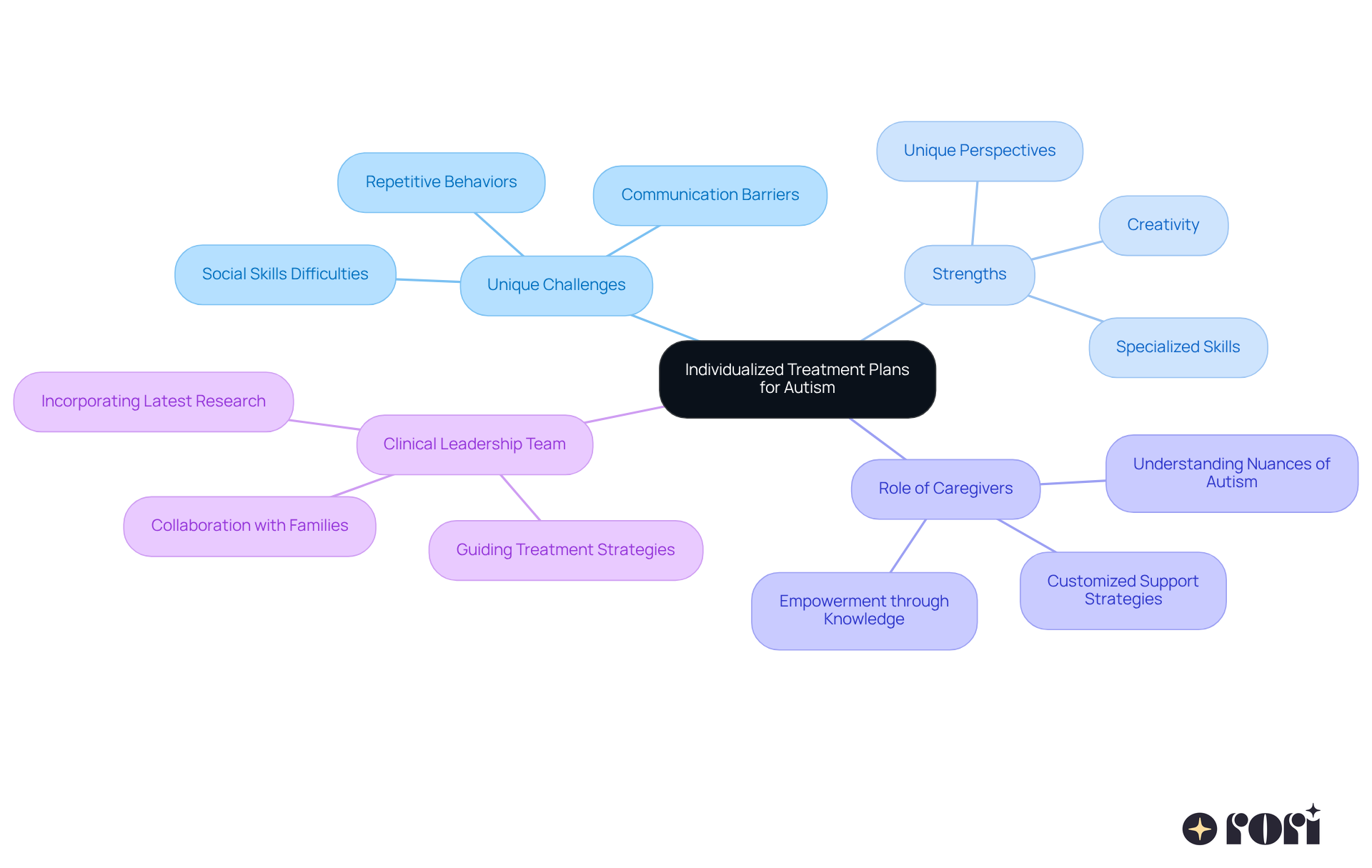
Autism Spectrum Disorder (ASD) includes a variety of conditions, each with its own unique challenges in social skills, communication, and repetitive behaviors. Did you know that about 1 in 31 youths are diagnosed with ASD, according to the CDC? This highlights how every individual has their own mix of strengths and challenges.
At Rori Care, we truly believe that 'the patient is at the center of everything we do.' This means we’re dedicated to understanding and addressing the unique needs of our patients with autism by developing customized treatment plans for autism care. It’s so important for caregivers and clinicians to grasp the nuances of autism, as this understanding helps us appreciate why customized treatment plans for autism care are key to effective treatment outcomes. As Dr. Temple Grandin wisely says, 'Different, not less.' This reminds us to celebrate the unique abilities of each person on the spectrum.
Creating a space of acceptance and understanding is crucial for supporting individuals with autism. By focusing on customized treatment plans for autism care, families can navigate the complexities of autism more easily, leading to better behavioral outcomes and a higher quality of life. Together with our caring clinical leadership team, Rori Care is here to with the knowledge and strategies they need to support their loved ones' developmental goals.
Our clinical leadership team plays a vital role in guiding these efforts, ensuring that each care strategy incorporates customized treatment plans for autism care that are tailored and backed by the latest research and best practices in the field. Let’s explore this journey together!
Conduct a Comprehensive Assessment of the Child's Needs
Creating an effective treatment plan starts with understanding the unique needs of your child. Let’s break it down together:
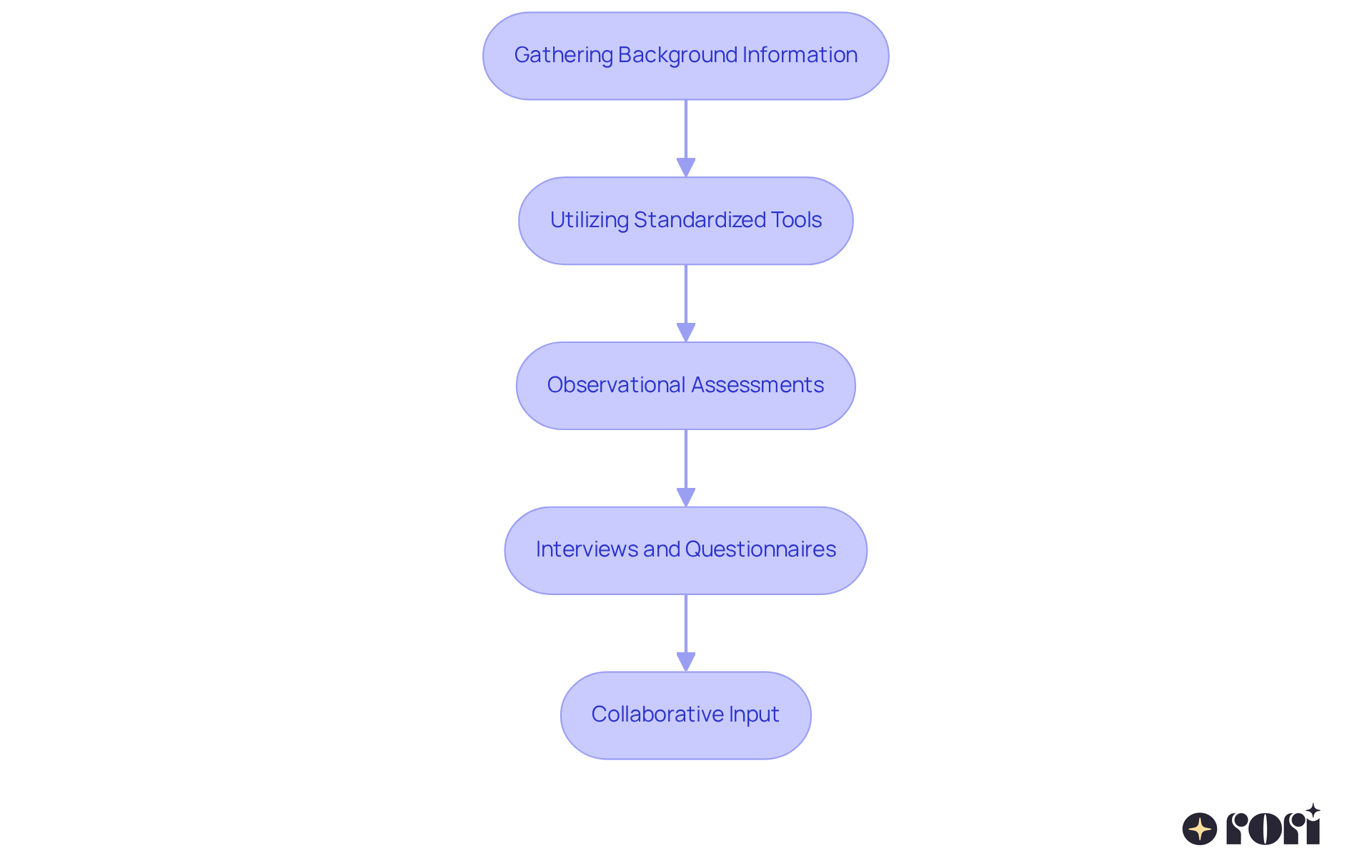
- Gathering Background Information: It’s important to collect insights from parents, teachers, and previous therapists about your child’s developmental history and current challenges. This helps paint a clearer picture.
- Utilizing Standardized Tools: Tools like the Autism Treatment Evaluation Checklist (ATEC) or the Vineland Adaptive Behavior Scales can really help quantify your child’s abilities and challenges. They provide a solid foundation for understanding.
- Observational Assessments: Observing your child in different settings, like home and school, gives valuable context to their behavior. It’s all about seeing how they interact in their everyday environment.
- Interviews and Questionnaires: Engaging with caregivers and educators can offer qualitative insights into your child’s social interactions, communication skills, and behavioral patterns. These conversations can be enlightening!
- Collaborative Input: Involving a multidisciplinary team, including psychologists and speech therapists, ensures a well-rounded understanding of your child’s needs. It’s all about teamwork!
Now, here’s something to keep in mind: when caregivers actively participate in the care strategy, significant advancements are seen in 90% of youth. That’s a powerful statistic! A certified behavior analyst will create customized treatment plans for autism care that include measurable objectives and evidence-based methods. This means continuous assessment and adjustments to ensure we’re meeting your child’s needs effectively.
Let’s explore this together! Your , and we’re here to help you every step of the way!
Develop a Personalized Treatment Plan Tailored to the Child
After completing the assessment, the next step is to create a personalized treatment plan by following these essential steps:
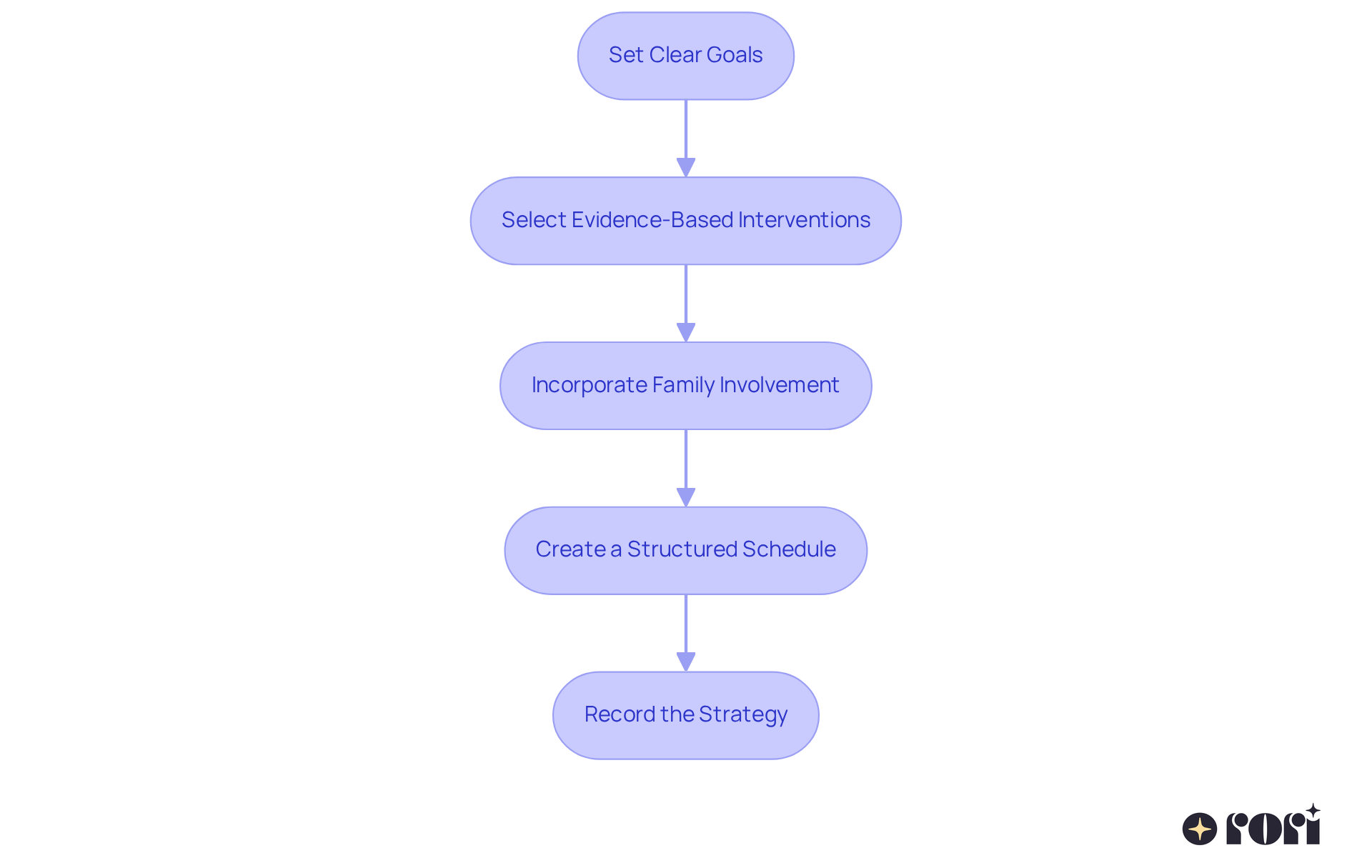
- Set Clear Goals: Let’s start by establishing specific, measurable, achievable, relevant, and time-bound (SMART) goals that are tailored to your child’s unique needs and your family’s priorities. This approach makes sure that objectives are clear and attainable, which helps foster motivation and progress. At Rori Care, our qualified behavior analysts create customized treatment plans for autism care that incorporate measurable goals and evidence-based strategies to promote positive behavior changes. We’re all about providing compassionate support!
- Select Evidence-Based Interventions: Next, it’s important to choose interventions that have shown effectiveness for similar challenges. Options like Applied Behavior Analysis (ABA), social skills training, and speech therapy are grounded in research and have made a real difference in communication, social interaction, and adaptive behavior. At Rori Care, our healthcare professionals are dedicated to selecting the most suitable interventions through customized treatment plans for autism care, ensuring a caring approach to care.
- Incorporate Family Involvement: Don’t forget to actively engage family members in the planning process! Their insights and values are crucial for aligning the treatment with daily routines, which enhances the likelihood of successful implementation and adherence. At Rori Care, we truly believe that family support is key throughout the therapy journey, particularly in the development of customized treatment plans for autism care, creating a nurturing environment for individuals with autism.
- Create a Structured Schedule: Developing a consistent schedule for therapy sessions is essential. Detailing the frequency and duration helps provide stability for your little one, which is vital for effective learning and behavior modification. Our team at Rori Care ensures that therapy sessions are structured to enhance effectiveness and consistency, reflecting our caring dedication to developing customized treatment plans for autism care for each young person.
- Record the Strategy: Finally, it’s important to clearly document the care approach, including objectives, methods, and timelines. This promotes clarity and accountability among everyone involved, ensuring that all stakeholders are aligned and informed about your child’s development and needs. At Rori Care, we prioritize thorough documentation to monitor progress and make necessary adjustments to our customized treatment plans for autism care, reinforcing our commitment to providing comprehensive support.
Let’s explore this together! We’re here to !
Implement the Treatment Plan with Consistent Strategies
To effectively implement the treatment plan, let’s consider some friendly strategies:
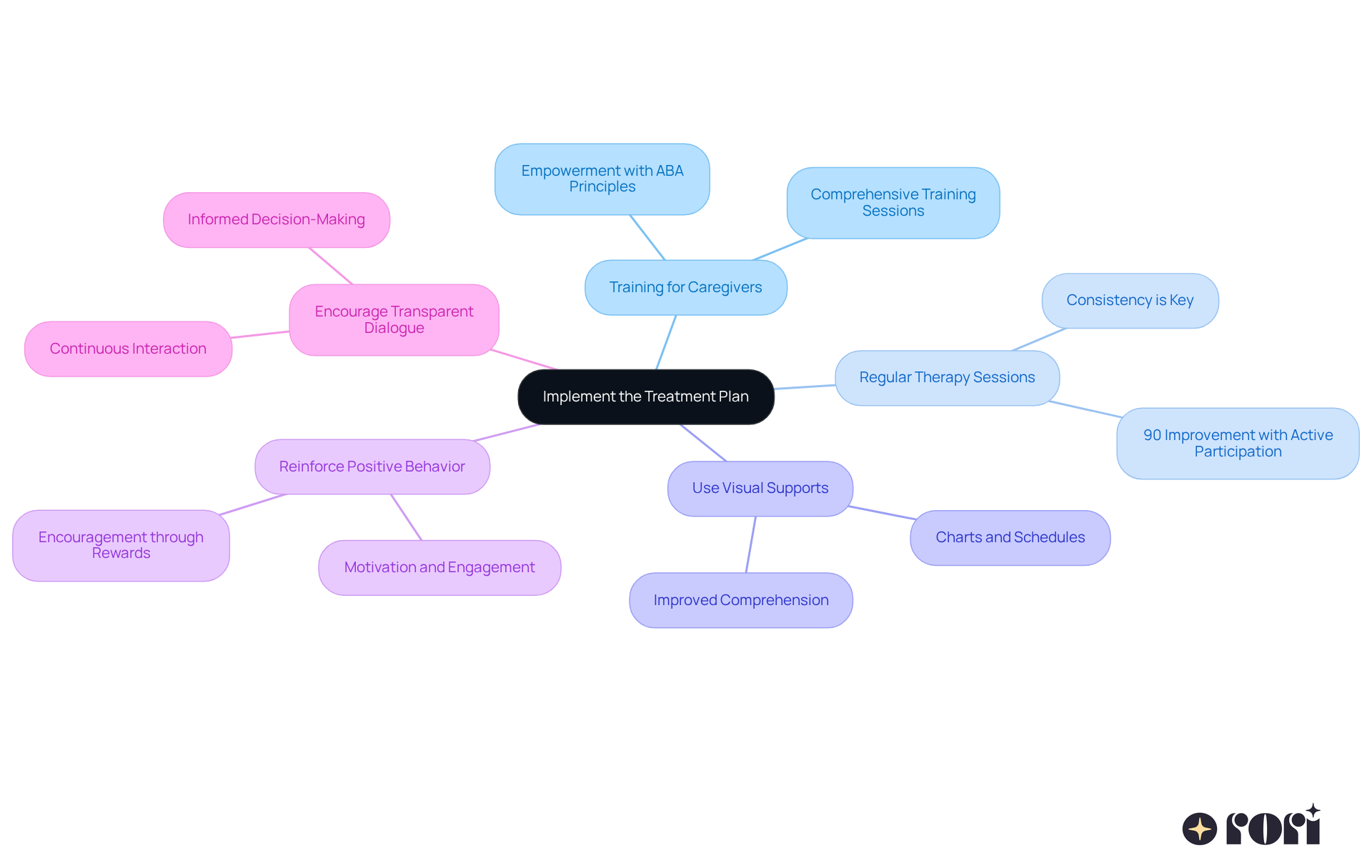
- Training for Caregivers: How about conducting some comprehensive training sessions for parents and caregivers? Equipping them with the knowledge and skills they need to apply strategies consistently at home can make a world of difference. This education empowers caregivers with ABA principles, enhancing their ability to support their kids' behavioral goals and improving overall family dynamics.
- [Regular Therapy Sessions](https://rori.care/services/group-therapy): Scheduling consistent therapy sessions with qualified professionals is key! It helps sustain development and tackle challenges promptly. You know, consistent therapy is essential for making - 90% of youth show improvement when the suggested hours are fully executed with active caregiver participation.
- Use Visual Supports: Incorporating visual aids, like charts or schedules, can really help learners understand expectations and routines. Visual supports improve comprehension and involvement, making it easier for young individuals to complete tasks and activities.
- Reinforce Positive Behavior: Let’s talk about positive reinforcement techniques! They’re a great way to encourage desired behaviors. Not only does this make the learning experience enjoyable, but it also cultivates a sense of achievement, motivating the young person to engage more actively in their therapy.
- Encourage Transparent Dialogue: Promoting continuous interaction between caregivers and therapists is crucial. It helps address advancements, obstacles, and necessary modifications to the care strategy. This partnership is vital for informed decision-making and ensuring that customized treatment plans for autism care are specifically tailored to the individual’s needs.
Let’s explore these strategies together! We’re here to help you every step of the way!
Monitor Progress and Adjust the Treatment Plan as Needed
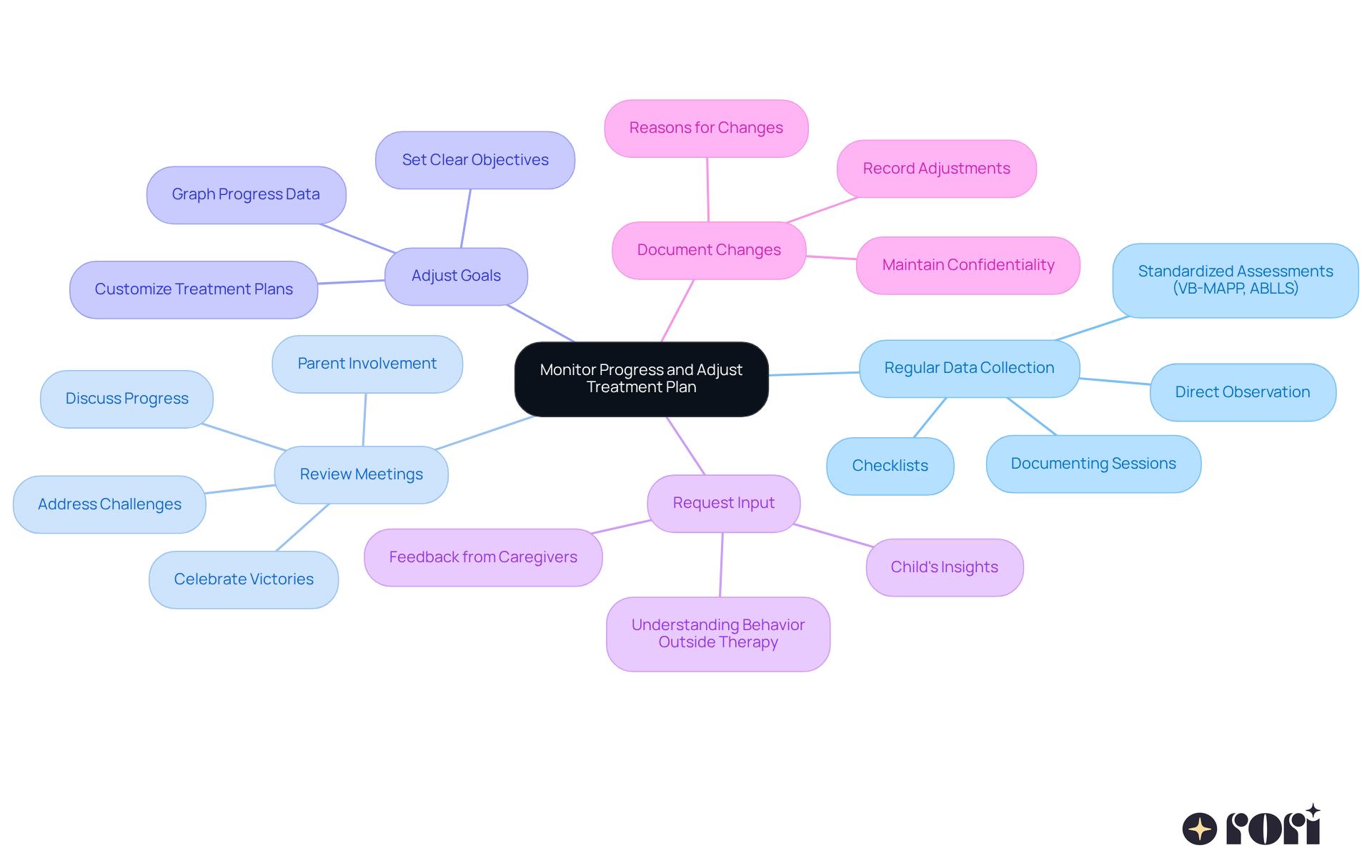
To keep the treatment plan effective, let’s look at some friendly monitoring strategies:
- Regular Data Collection: It’s super important to gather data on how your child is progressing towards their goals. This can be done through direct observation, checklists, and standardized assessments like VB-MAPP and ABLLS. At Rori Care, we make sure to document sessions so our clinical team is always ready to support your little one without missing a beat. This data-focused approach helps us make informed choices about any necessary changes. Did you know that kids who start therapy within their first year often show fewer signs of autism than those who begin later? That’s why early intervention is so crucial!
- Review Meetings: Regular meetings with the treatment team are a great way to check in on progress, discuss any challenges, and celebrate those little victories! Research shows that when parents are actively involved in these meetings, the outcomes can be two to three times better than programs without that collaboration. Experts agree that these regular check-ins are key to keeping therapy relevant and effective.
- Adjust Goals as Necessary: It’s totally okay to change goals based on how your child is developing. What matters most is ensuring that customized treatment plans for autism care remain relevant and achievable! Clear, measurable objectives should be established through thorough pre-therapy evaluations to inform customized treatment plans for autism care, allowing us to adjust as your child’s needs evolve. Plus, graphing progress data gives us a visual look at behavioral trends, helping us spot successes or areas that might need a little extra attention.
- Request Input: Encouraging feedback from caregivers and your child (when appropriate) can provide valuable insights into what’s working and what might need tweaking. Family involvement is so important! It helps us understand your child’s behavior outside of therapy and supports the transfer of skills into everyday life.
- Document Changes: Keeping detailed records of any changes made to the care plan is essential. This includes the . Not only does this documentation validate the therapy process, but it also fosters a collaborative spirit between families and therapists, ensuring continuity in care. At Rori Care, we securely store all data, anonymizing and deleting it after analysis to maintain confidentiality and trust. Consistent documentation of progress serves as solid evidence of how effective our interventions are.
Let’s explore this together! We’re here to help you every step of the way!
Conclusion
Creating customized treatment plans for autism care is so important in meeting the unique needs of individuals on the spectrum. Each person with Autism Spectrum Disorder (ASD) faces their own challenges and has their own strengths. By recognizing this, caregivers and clinicians can develop tailored strategies that lead to better outcomes and a happier quality of life.
This article shares a friendly approach to crafting these personalized treatment plans. It all starts with a thorough assessment of the child’s needs, followed by setting specific goals and using evidence-based interventions. Family involvement is key, along with consistent implementation and ongoing monitoring to keep the treatment relevant and effective. When caregivers are actively engaged and a multidisciplinary team is utilized, supporting individuals with autism becomes a collaborative journey, enhancing the overall impact of the care provided.
Ultimately, we can’t underestimate the significance of individualized treatment plans for autism. They empower families and create an environment of understanding and acceptance. It’s vital for caregivers to embrace this collaborative process, ensuring that the strategies resonate with the child's unique journey. By prioritizing customized treatment, we can all work together toward positive change and development for individuals with autism, paving the way for brighter futures. Let’s explore this together!
Frequently Asked Questions
What is Autism Spectrum Disorder (ASD)?
Autism Spectrum Disorder (ASD) encompasses a variety of conditions characterized by unique challenges in social skills, communication, and repetitive behaviors.
How common is ASD among youths?
According to the CDC, about 1 in 31 youths are diagnosed with ASD.
Why are individualized treatment plans important for individuals with autism?
Individualized treatment plans are crucial because they address the unique needs of each patient, leading to more effective treatment outcomes and improved quality of life.
What role does Rori Care play in autism treatment?
Rori Care focuses on developing customized treatment plans for autism care, emphasizing understanding the unique needs of each patient and empowering families and caregivers.
What are some key components of creating an effective treatment plan for a child with autism?
Key components include gathering background information, utilizing standardized tools, conducting observational assessments, engaging in interviews and questionnaires, and collaborating with a multidisciplinary team.
What standardized tools are used to assess a child's needs?
Tools like the Autism Treatment Evaluation Checklist (ATEC) and the Vineland Adaptive Behavior Scales are commonly used to quantify a child's abilities and challenges.
How does caregiver involvement impact treatment outcomes?
Active participation from caregivers can lead to significant advancements in 90% of youth, highlighting the importance of collaboration in the treatment process.
Who is involved in the assessment and treatment planning process?
A multidisciplinary team, including psychologists, speech therapists, and caregivers, collaborates to ensure a comprehensive understanding of the child's needs.
What is the role of a certified behavior analyst in autism care?
A certified behavior analyst creates customized treatment plans that include measurable objectives and evidence-based methods, ensuring continuous assessment and adjustments to meet the child's needs effectively.