Have you ever wondered how your child's special interests could open doors to new friendships and learning opportunities? Special interests often serve as a powerful gateway to engagement and empowerment for children with autism, turning what they love into fun ways to learn and make friends! By recognizing and validating these interests, you can create a supportive environment that not only fosters growth but also enhances emotional well-being.
But how can you use these interests to help your child connect with others and learn? Exploring practical strategies to weave these passions into everyday activities reveals a pathway to unlocking the full potential of children on the autism spectrum. Imagine the joy of seeing your child flourish as they connect with others through what they love most.
Have you ever noticed how your child can get completely absorbed in their favorite topic? Specializations in autism often come with intensely focused passions that go beyond typical hobbies. Whether it’s trains, dinosaurs, or a beloved TV show, these interests can really help kids focus, ease their worries, and bring them comfort. They’re like secret weapons for learning!
Research shows that between 75% and 95% of individuals on the autism spectrum are influenced by these specific passions. When parents embrace these interests, they can unlock new ways of using interests to engage and empower children with autism and support their child's growth. At Rori Care, we’re all about helping kids with autism, ADHD, and learning challenges thrive!
By using interests to engage and empower children with autism, we can create warm, supportive spaces that facilitate their growth and learning. Isn’t that what we all want? So, let’s explore this together and see how we can make the most of these incredible interests!

Have you ever noticed how a young person's eyes light up when they talk about something they love? Recognizing those unique passions is essential for using interests to engage and empower children with autism, which in turn builds their confidence and involvement. It’s all about appreciating what they care about without judgment. You can do this by actively listening, asking thoughtful questions, and showing genuine enthusiasm.
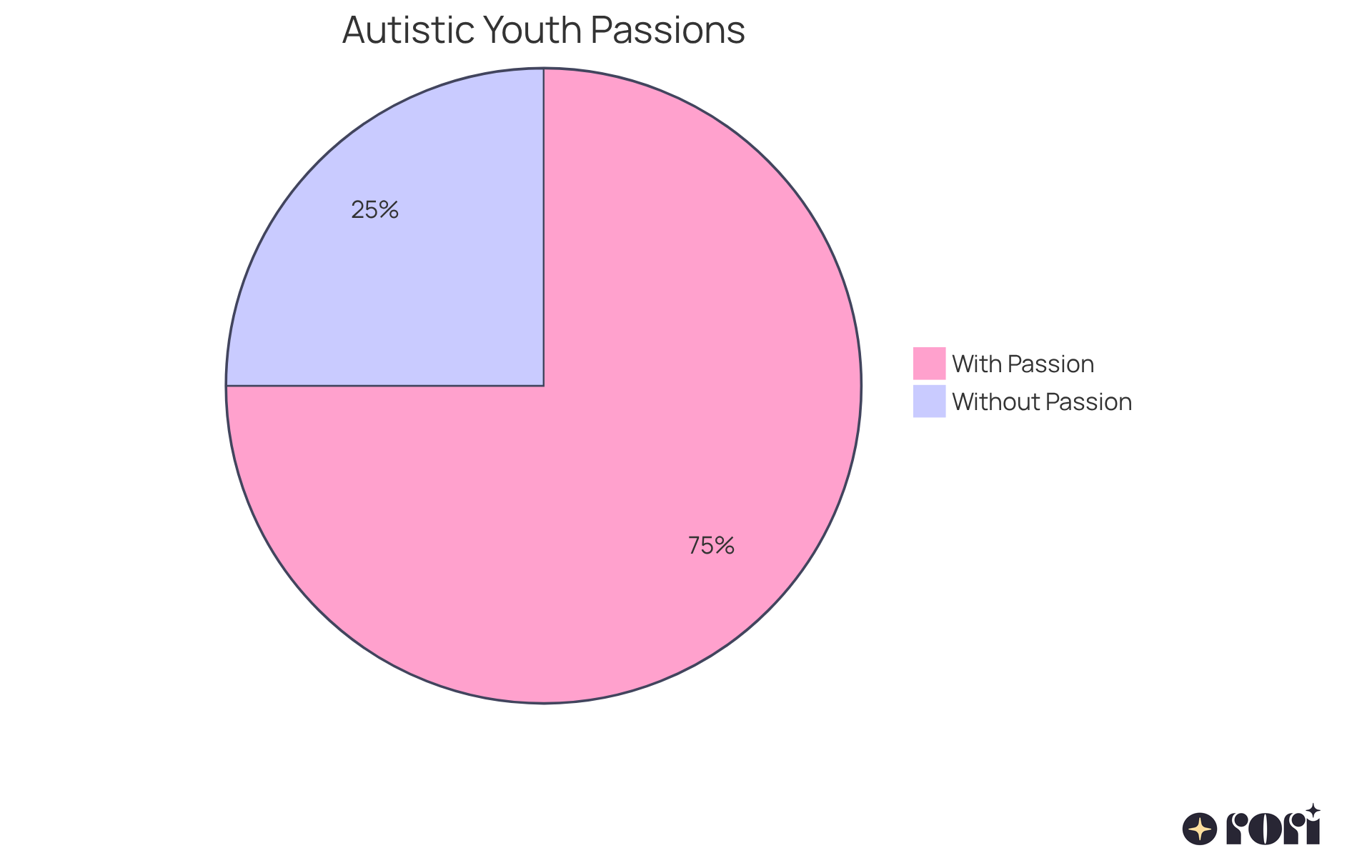
For instance, if a young person is fascinated by dinosaurs, why not dive into conversations about different species or plan some fun dinosaur-themed activities? This kind of engagement can really strengthen their passion! Research shows that 75% of autistic youth have at least one special passion, often tied to sensory experiences or specific themes, which is essential for using interests to engage and empower children with autism. This highlights just how important these interests are in their lives.
When we celebrate their passions, we are using interests to engage and empower children with autism, which not only lifts their spirits but also helps them feel more connected and open to learning and socializing. So, let’s take a moment to appreciate those passions! It’s a simple step that can make a big difference in their growth and happiness.
Imagine trying to teach your child math using something they love - like trains! Incorporating special interests into educational activities is a strategy for using interests to engage and empower children with autism while designing lessons that connect with your child's passions. For instance, if your little one is fascinated by trains, you can create math problems around train schedules or counting train cars. Reading assignments can include books about trains or related topics. This approach not only makes learning more enjoyable but also helps kids apply their knowledge in meaningful ways.
You know, when kids dive into topics they love, like trains, they really light up and learn better! Research shows that using interests to engage and empower children with autism helps young individuals participate more and retain information better. A study involving 78 individuals with autism spectrum disorders found that using interests to engage and empower children with autism significantly increased positive behaviors and decreased negative ones. This really highlights how effective this approach can be in educational settings.
When you understand ABA principles, you can make choices that really help your child thrive! Just remember, while merging priorities can be beneficial, it can also come with challenges. It can be tough to find the right resources that truly resonate with your child's interests. But when you tackle these challenges head-on, you create a richer learning environment for your child. Addressing these challenges proactively can enhance the learning experience and promote consistency in support at home.

Finding ways for your child to connect with others who share their passions can be tough, but it’s so important! Structured activities, groups, or playdates can really help. For instance, if your little one loves trains, joining a model train club or participating in train-themed games can spark joy and friendships. These fun settings allow kids to interact, share their knowledge, and bond over what they love.
You know, when kids connect over shared interests, it can really help them feel less alone and boost their social skills! Plus, it’s been shown that using interests to engage and empower children with autism can enhance emotional regulation and reduce feelings of isolation. Here at Rori Care, we truly believe in the power of neurodiversity and want to see every child thrive!
We also emphasize the importance of caregiver education, which empowers you to support your child’s development effectively. If you’re looking for support, our social skills groups are here to help your child build those important connections! Let’s explore this together!

Supporting a child's unique passions can feel overwhelming at times, can't it? Caregivers can make a big difference by providing a variety of resources, like books, educational videos, and fun activities that match what their kids love. Did you know that about half of autistic kids have two or more special passions? That’s why it’s so important to cater to what they love! For example, if a child is fascinated by space, offering them books about planets, documentaries, or science kits can really enhance their learning experience.
And let’s not forget about online platforms and local community resources, like clubs or workshops, which can open up even more opportunities for exploration. When caregivers provide these tailored resources, they are using interests to engage and empower children with autism, helping kids chase their interests and build their confidence, which is so important for their growth! Plus, when caregivers learn more about how to support their kids at home, it complements professional help and creates a consistent environment.
We know that juggling medical appointments and daily responsibilities can be a lot for parents. Recognizing these challenges helps us support our kids even better! With a deeper understanding of ABA principles and strategies, caregivers can make informed decisions that positively influence their children’s progress. Let’s explore this together!

Have you ever felt like connecting with your child’s unique interests is a challenge? It’s a powerful way to engage and empower children with autism! By recognizing and validating these passions, we can create supportive environments that foster confidence, connection, and growth. When we embrace these special interests, learning becomes so much more fun, and kids feel truly understood and valued.
Throughout this article, we’ve shared key strategies like:
These practices not only promote engagement but also help kids manage their emotions and feel less isolated. Plus, structured activities and community support are essential for building relationships based on shared passions.
By tapping into these special interests, we can really change the game for our kids, making their educational and social experiences so much richer! Let’s keep exploring these strategies together, ensuring every child feels valued and empowered through their passions!
What are special interests in autism?
Special interests in autism refer to intensely focused passions that individuals on the autism spectrum often have, which can include topics like trains, dinosaurs, or favorite TV shows. These interests help children focus, ease worries, and provide comfort.
How common are special interests among individuals with autism?
Research indicates that between 75% and 95% of individuals on the autism spectrum are influenced by specific passions.
How can parents support their child's special interests?
Parents can support their child's special interests by embracing these passions and using them as tools to engage and empower their children, facilitating their growth and learning.
Why is it important to acknowledge and validate a child's interests?
Acknowledging and validating a child's interests builds their confidence and involvement, helping them feel more connected and open to learning and socializing.
How can caregivers engage with a child's special interests?
Caregivers can engage with a child's special interests by actively listening, asking thoughtful questions, and showing genuine enthusiasm, such as planning activities related to the child's passions.
What impact do special interests have on children with autism?
Special interests can lift the spirits of children with autism, help them feel more connected, and encourage their growth and happiness.