
Introduction
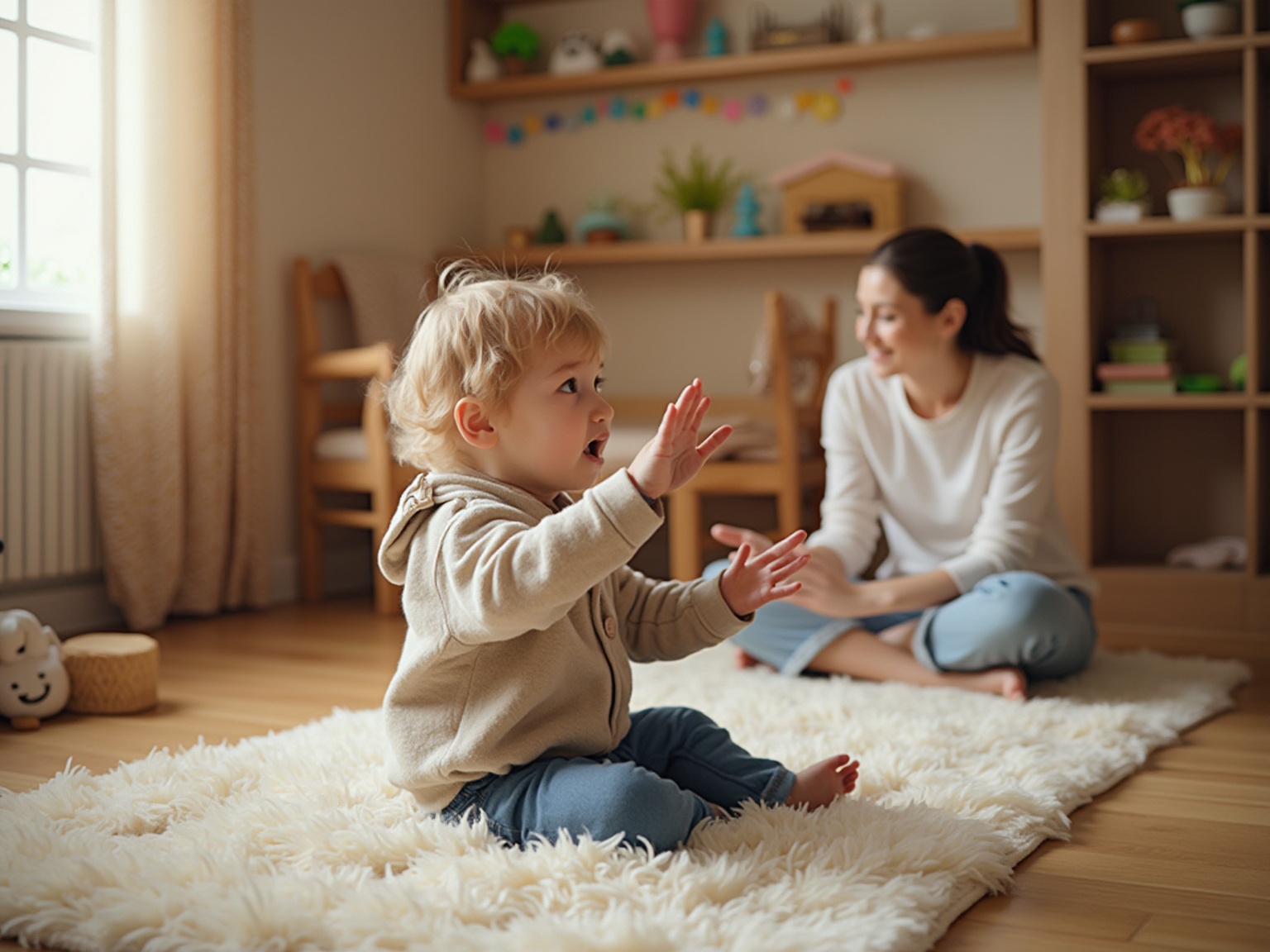
Hand flapping is often brushed off as just a sign of autism, but it’s so much more than that! This behavior is a beautiful expression of emotions and a way for kids to manage their sensory experiences. You might notice rapid hand movements in typically developing children, especially when they’re joyful or excited—it’s their natural reaction to overwhelming feelings. Did you know that about 15% of kids engage in hand flapping as a way to soothe themselves or release emotions? This highlights its importance in childhood development.
As caregivers and educators, it’s crucial to understand this behavior in a broader context. Let’s debunk some myths and appreciate the diverse ways children express their feelings. By creating a supportive environment that celebrates neurodiversity, we can empower our children to communicate authentically. Together, we can enhance their emotional well-being and developmental outcomes. So, let’s explore this journey together!
Understanding Hand Flapping: More Than Just Autism
Arm waving is a repetitive action characterized by quick up-and-down or side-to-side movements of the limbs. While it’s often linked to autism, it’s important to recognize that hand flapping when excited can also happen in typically developing kids, especially during moments of joy or intense feelings. Many young ones engage in this behavior when they’re happy, nervous, or feeling overwhelmed.
Did you know that around 15% of typically developing children exhibit hand flapping during exciting moments? This action might be a way for them to . It’s crucial to view arm movements through a broader lens that includes various developmental and emotional contexts. Insights from the case study ‘Future Directions in of ASD’ highlight that can improve early diagnosis, which leads to .
Recent research suggests that looking at arm movements beyond autism can enhance . Chiugo Okoye from the California Institute of Behavioral Neurosciences & Psychology emphasizes, “As we progress in understanding and identifying ASD, it is crucial to balance recognizing neurodiversity and providing timely and effective support for individuals with ASD and their families.” Rori Care’s clinical leadership team, made up of dedicated professionals, is here to empower caregivers with to support their children’s behavioral goals through active involvement and data collection.
Recognizing that hand flapping when excited is a common behavior among typically developing kids is especially important during . This month provides valuable resources and toolkits for parents looking to understand these actions better.
This focus on context is vital for interpreting hand movements and showcases the benefits of . By enhancing support, informed decision-making, and improving behavioral outcomes, we can create a nurturing environment for our children. Let’s explore this together!
Emotional Expression and Communication Through Hand Flapping
is not autism; it’s a significant form of emotional expression and communication among young individuals, especially when they feel strong emotions like frustration. Did you know that research shows this behavior happens in about 78.6% of documented cases? That’s pretty common! For instance, kids might flap their hands joyfully when they see a favorite toy or during fun activities, clearly showing their excitement.
E.R. van der Lugt points out that, > In terms of executive functioning, autism appears primarily to be a disorder of (cognitive) flexibility and planning <. This highlights how understanding the nuances of can be crucial for . When we recognize that hand flapping when excited is of expression, we can respond in ways that validate our children’s feelings. This helps create a supportive atmosphere that strengthens emotional connections.
It’s important to note that there’s a growing awareness that trying to suppress , like hand flapping when excited, might actually do more harm than good. Instead, we should focus on that shift perceptions. This aligns with findings from a case study titled ‘Mimicry and Social Attitudes,’ which explored how social attitudes influence mimicry actions, showing that pro-social priming boosts automatic imitation. By embracing hand flapping rather than suppressing it, caregivers can empower kids to express their emotions more freely and authentically.
Additionally, joining can really help young people improve their social interactions and communication. It’s a great way to build competence and friendships! Caregivers can also apply by actively getting involved in their loved one’s daily activities. Using strategies like and can make a big difference. By equipping caregivers with these tools, along with data collection and program development, we can enhance their ability to support their child’s behavioral goals effectively.
Let’s explore this together! We’re here to help you every step of the way!

Sensory Regulation: Why Hand Flapping Occurs
Hand movements, like hand flapping when excited (not autism), are often a natural response to sensory overload or excitement. They serve as a self-soothing mechanism for young ones. When faced with overwhelming stimuli, such as loud noises or bustling environments, children may engage in behaviors like hand flapping to help regulate their sensory experiences. This behavior can provide a sense of comfort and control, allowing them to navigate their surroundings more effectively.
For example, a child might flap their hands when excited upon entering a crowded classroom or during a lively family gathering. This repetitive motion helps ground them amidst the chaos. Understanding this function is key for parents, as it enables them to create that reduce triggers and address their child’s unique needs. Seeking support through Rori Care’s free consultations with our can provide (ABA) principles to help understand and address these behaviors.
Recent discussions in sensory integration highlight that management strategies can differ significantly between (SPD) and autism spectrum disorder (ASD). As Jenna Fletcher emphasizes, ‘,’ which underscores the importance of individualized approaches. , indicating the need for careful assessment of .
Furthermore, the case study titled ‘Management Approaches for SPD and ASD’ illustrates that while SPD management may include therapy and medication, ASD management involves a multifaceted approach with . Addressing can greatly enhance a child’s ability to self-regulate, ultimately fostering a more supportive atmosphere for their development. Empowering caregivers with knowledge and strategies enhances their role in through active involvement and informed decision-making, ultimately improving behavioral outcomes.
Early intervention strategies are crucial in this process, as they can lead to significant improvements in behavioral outcomes, equipping caregivers with the necessary tools to provide enhanced support. Let’s explore this together! We’re here to help you every step of the way!
Hand Flapping in Different Contexts: Beyond Autism
isn’t just a sign of autism; it’s a behavior that can be seen in typically developing kids and those with other developmental challenges. For instance, children with , , or anxiety might show arm movements as a way to express their emotions or manage sensory input. Research shows that this behavior, including hand flapping when excited, often occurs during joyful moments like playtime or celebrations, reflecting a natural part of growing up.
It’s important to recognize that hand flapping when excited shouldn’t be viewed solely as a red flag for autism. Instead, it represents a range of normal childhood behaviors. At Rori Care, our caring clinical leadership team is committed to embracing . We empower caregivers with principles and strategies to help address behavioral goals through active participation and data collection. Parents of children with ASD often report greater unmet medical and compared to those with kids without ASD, highlighting the importance of .
notes, ‘The authors have stated they possess no financial connections pertinent to this article to disclose,’ which adds to the credibility of the discussion on arm movements. Additionally, (AASP) is a self-report questionnaire that assesses sensory processing in individuals aged 11-65 years, showcasing the prevalence of sensory processing disorders in older teens and adults. By understanding the broader context of arm movements, we can work together to reduce stigma and promote acceptance of various behavioral expressions in our youth.
If you’d like to learn more or chat about your child’s needs, let’s explore this together! Please feel free to make an appointment with our team.
Debunking Myths: Misconceptions About Hand Flapping
Misunderstandings about arm movements can often lead to that is not related to autism. This misconception can create unnecessary anxiety and stigma for parents and caregivers. It’s important to recognize that hand flapping is a in response to various emotions, like excitement, anxiety, or joy. At Rori Care, our clinical leadership team is committed to , helping children thrive while empowering caregivers with that enhance their support for their child’s goals.
Research shows that . Yet, societal norms often pressure them to hide or change these expressions by the time they reach secondary school. This highlights the importance of understanding that hand flapping when excited is not a sign of autism; these behaviors shouldn’t be pathologized. As Sally insightfully shared, ‘I started kind of incorporating it more in my life, and it actually managed to help me stave off some panic attacks.’
This really emphasizes how arm movements can serve as a coping strategy rather than just an indicator of a disorder. Plus, the is further illustrated in the case study titled ‘,’ which shows that traits associated with autism can also appear in neurotypical individuals. By debunking these myths and enhancing , we can improve behavioral outcomes and foster a deeper understanding of arm movements in healthy youth development.
The role of our clinical leadership group in providing this education is vital. It helps caregivers make informed choices and actively engage in their child’s growth. After all, misunderstandings about actions like waving hands often stem from faulty reasoning. Let’s explore this together and create a !
Effective Management Strategies for Hand Flapping
Effectively managing involves understanding their underlying triggers and implementing supportive strategies rooted in . This personalized therapy is based on the science of learning and behavior. Let’s explore several effective approaches for parents and caregivers to consider:
- Identify Triggers: Keep a close eye on when and where arm waving occurs. Common triggers, like sensory overload or emotional distress, are crucial for understanding —not just autism. Did you know that , often serve as sensory reinforcement? They play a significant role in emotional expression!
- Provide Alternatives: Offer alternative sensory outlets like fidget toys or stress balls. These tools can help young individuals channel their energy more productively, reducing the impulse to wave their arms.
- : A sensory-friendly space is essential. Design areas that minimize excessive stimuli, making it easier for young individuals to feel safe and less likely to engage in repetitive movements.
- Teach Emotional Regulation: Equip young individuals with through techniques like deep breathing or visual supports. Grounded in ABA principles, these strategies can empower them to manage their emotions more effectively, which may help reduce behaviors such as hand flapping when excited—not just autism.
- : Foster open conversations about feelings and emotions. By promoting verbal expression, children can articulate their experiences instead of resorting to repetitive movements. , including non-verbal tools and active listening, are vital for supporting individuals who exhibit behaviors like hand flapping when excited—not just autism.
As Laura NG, MA BCBA Clinical Operations Manager, emphasizes,
In summary, stimming serves critical roles in sensory regulation and self-expression for individuals with autism.
Understanding these roles can guide effective parenting techniques. Plus, the case study titled ‘Promoting Self-Regulation’ shows that interventions like occupational therapy and behavioral supports, guided by ABA strategies, can lead to positive outcomes in managing arm movements.
This case study illustrates can adapt to individual needs. It highlights the importance of data collection to track progress and adjust interventions effectively. Let’s navigate this journey together!
Balancing Individual Needs with Societal Norms in Hand Flapping
Dealing with wrist movements requires a thoughtful approach that balances personal needs with societal expectations. For many youngsters, the phenomenon of is simply a natural expression of joy or emotional release—it’s not autism! However, societal norms can sometimes pressure them to conform to more conventional behaviors. At Rori Care, we believe that parents and caregivers are key , ensuring they feel supported while navigating social situations.
Our commitment to a empowers families with and comprehensive support tailored to their unique circumstances. Our clinical leadership team is dedicated to fostering , ensuring that every child’s individual needs are understood and respected. Recent conversations have highlighted the importance of , especially with new reports indicating a than previously recognized.
This highlights the urgent need for greater awareness and advocacy. Importantly, a substantial 96% of participants feel that autistic adults should be involved in . This emphasizes the necessity of incorporating their perspectives in discussions about diverse actions. As den Houting et al. remind us, ‘Perhaps analogously to compensation for in participatory studies,’ it’s crucial that we integrate the voices of those affected.
By promoting understanding and compassion, we can create a more inclusive environment where young individuals can express themselves authentically. Hand flapping when excited is a valid form of expression! Additionally, Bayesian ordered-probit regression models have been used to assess preferences for specific intervention procedures, highlighting the need for tailored approaches that respect individual differences.
Case studies, like Jerry Seinfeld’s influence on autism awareness, show how public figures can shape societal attitudes and help accept diverse behaviors. Ultimately, and supports all children in their developmental journeys is essential for nurturing their growth. This aligns perfectly with our mission at Rori Care: to enrich children’s everyday lives and promote sustainable development through evidence-based ABA strategies. Let’s explore this together!
Conclusion
Hand flapping is a fascinating behavior that goes beyond autism, acting as an important way for children to express their emotions and regulate their senses. It’s crucial to recognize that this behavior isn’t just a symptom to manage; it’s a natural reaction to various emotional experiences that all children—whether typically developing or those with different developmental conditions—can have. By viewing hand flapping as a genuine form of communication and self-soothing, caregivers can create nurturing spaces that celebrate neurodiversity.
Understanding the different situations where hand flapping happens helps clear up myths and misconceptions that can lead to stigma. When caregivers educate themselves about this behavior, they can better support their children. Using strategies based on Applied Behavior Analysis (ABA) can really help with emotional regulation, provide alternative sensory outlets, and encourage healthier ways to communicate.
Ultimately, embracing the complexity of hand flapping opens the door to a kinder approach to child development. By advocating for each child’s unique needs while considering societal expectations, caregivers can cultivate an environment that honors individuality and encourages genuine self-expression. This commitment to understanding and supporting diverse behaviors is essential for promoting emotional well-being and developmental success in all children. Let’s explore this together and continue to support one another on this journey!
Frequently Asked Questions
What is arm waving and what does it signify?
Arm waving is a repetitive action characterized by quick up-and-down or side-to-side movements of the limbs. It can be a form of emotional expression and communication, especially in children experiencing strong feelings like joy or frustration.
Is hand flapping only associated with autism?
No, hand flapping can occur in typically developing children as well, particularly during moments of excitement or intense emotions. Research indicates that around 15% of typically developing children exhibit this behavior.
How common is hand flapping in children?
Hand flapping when excited occurs in about 78.6% of documented cases, indicating that it is a common behavior among young children.
What role does hand flapping play in emotional expression?
Hand flapping serves as a valid form of emotional expression, allowing children to communicate their feelings. Recognizing this can help caregivers respond in ways that validate their children’s emotions and strengthen emotional connections.
What are the implications of suppressing stimming behaviors like hand flapping?
Suppressing stimming behaviors such as hand flapping may do more harm than good. Instead, focusing on social interventions that embrace these behaviors can empower children to express their emotions freely.
How can caregivers support children who engage in hand flapping?
Caregivers can support children by applying ABA principles, actively participating in their daily activities, and using strategies like positive reinforcement and structured routines. Joining social skills group therapy can also help improve social interactions and communication.
What resources are available for parents during Autism Acceptance Month?
Autism Acceptance Month provides valuable resources and toolkits for parents to better understand behaviors such as hand flapping and to enhance their support for children.
Why is it important to view arm movements in a broader context?
Viewing arm movements through a broader lens that includes various developmental and emotional contexts can improve understanding and early diagnosis of conditions like ASD, leading to better interventions and support for all children.
List of Sources
- Understanding Hand Flapping: More Than Just Autism
- Early Diagnosis of Autism Spectrum Disorder: A Review and Analysis of the Risks and Benefits – PMC (https://pmc.ncbi.nlm.nih.gov/articles/PMC10491411)
- Data and Statistics on Autism Spectrum Disorder (https://cdc.gov/autism/data-research)
- Emotional Expression and Communication Through Hand Flapping
- researchgate.net (https://researchgate.net/publication/326147015_What’s_in_a_flap_The_curious_history_of_autism_and_hand_stereotypies)
- pmc.ncbi.nlm.nih.gov (https://pmc.ncbi.nlm.nih.gov/articles/PMC3872733)
- pmc.ncbi.nlm.nih.gov (https://pmc.ncbi.nlm.nih.gov/articles/PMC9421696)
- thetransmitter.org (https://thetransmitter.org/spectrum/repetitive-behaviors-and-stimming-in-autism-explained)
- Sensory Regulation: Why Hand Flapping Occurs
- medicalnewstoday.com (https://medicalnewstoday.com/articles/sensory-processing-disorder-vs-autism)
- sensoryhealth.org (https://sensoryhealth.org/basic/understanding-sensory-integration-process)
- pmc.ncbi.nlm.nih.gov (https://pmc.ncbi.nlm.nih.gov/articles/PMC11276037)
- Hand Flapping in Different Contexts: Beyond Autism
- pmc.ncbi.nlm.nih.gov (https://pmc.ncbi.nlm.nih.gov/articles/PMC9688399)
- publications.aap.org (https://publications.aap.org/pediatrics/article/145/1/e20193447/36917/Identification-Evaluation-and-Management-of)
- Debunking Myths: Misconceptions About Hand Flapping
- pmc.ncbi.nlm.nih.gov (https://pmc.ncbi.nlm.nih.gov/articles/PMC6728747)
- bbc.com (https://bbc.com/future/article/20151006-its-time-we-dispelled-these-myths-about-autism)
- hopebridge.com (https://hopebridge.com/blog/common-misconceptions-autism)
- Effective Management Strategies for Hand Flapping
- thetreetop.com (https://thetreetop.com/aba-therapy/autism-hand-posturing)
- levelaheadaba.com (https://levelaheadaba.com/blog/what-is-stimming-in-autism)
- supportivecareaba.com (https://supportivecareaba.com/aba-therapy/what-does-hand-flapping-look-like)
- Balancing Individual Needs with Societal Norms in Hand Flapping
- link.springer.com (https://link.springer.com/article/10.1007/s10803-024-06297-3)
- cdc.gov (https://cdc.gov/mmwr/volumes/67/ss/ss6706a1.htm)
- thetreetop.com (https://thetreetop.com/aba-therapy/autism-hand-posturing)