Navigating the complexities of Autism Spectrum Disorder (ASD) can feel like a daunting journey for families. It’s especially tough when it comes to helping children apply the skills they learn in therapy to everyday situations. Skill generalization is so important; it’s really the bridge that connects what they learn in therapy with real-life applications.
In this article, we’ll explore nine effective strategies that empower parents and caregivers to foster skill generalization. These insights will offer personalized approaches that can truly make a lasting impact. So, how can families leverage these techniques to enhance their child's development and independence in various environments? Let’s dive in together!
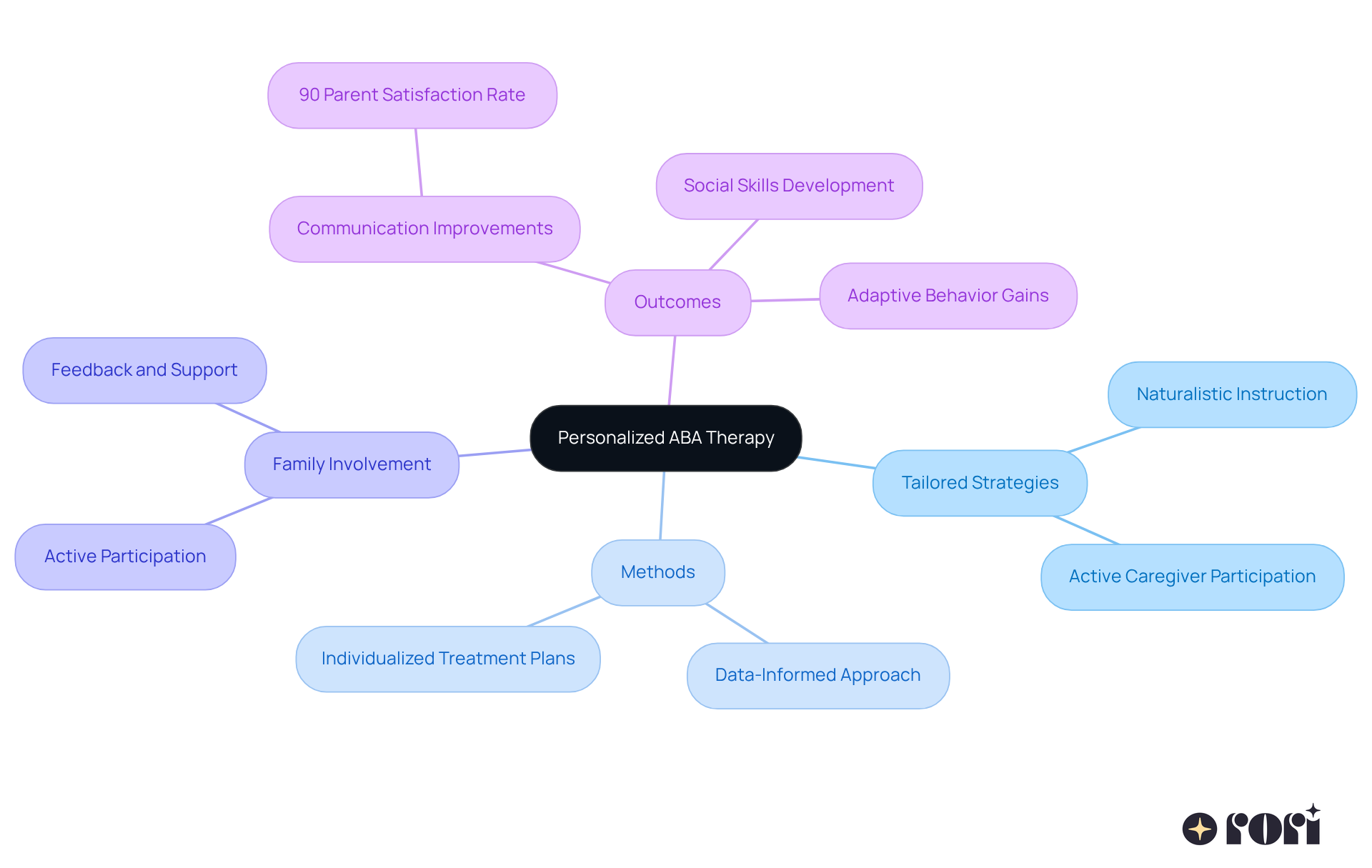
At Rori Behavioral Innovations, we understand that navigating ABA therapy can feel overwhelming for parents. That’s why we take a data-informed approach, focusing on tailored strategies that represent in children with ASD. Our clinicians conduct , allowing us to craft that resonate with families.
These plans incorporate a variety of methods, including and , which are in children with ASD, making it easier for kids to apply what they learn in therapy to everyday situations. This personalized approach not only supports but also invites families to be . 🌟
Research shows that lead to . In fact, over 90% of parents report noticeable enhancements in their child’s communication abilities! By focusing on the specific strengths and challenges of each individual, we ensure that therapy is relevant and meaningful, which are effective ways to , paving the way for lasting progress.
Let’s explore this together! We’re here to help you every step of the way!
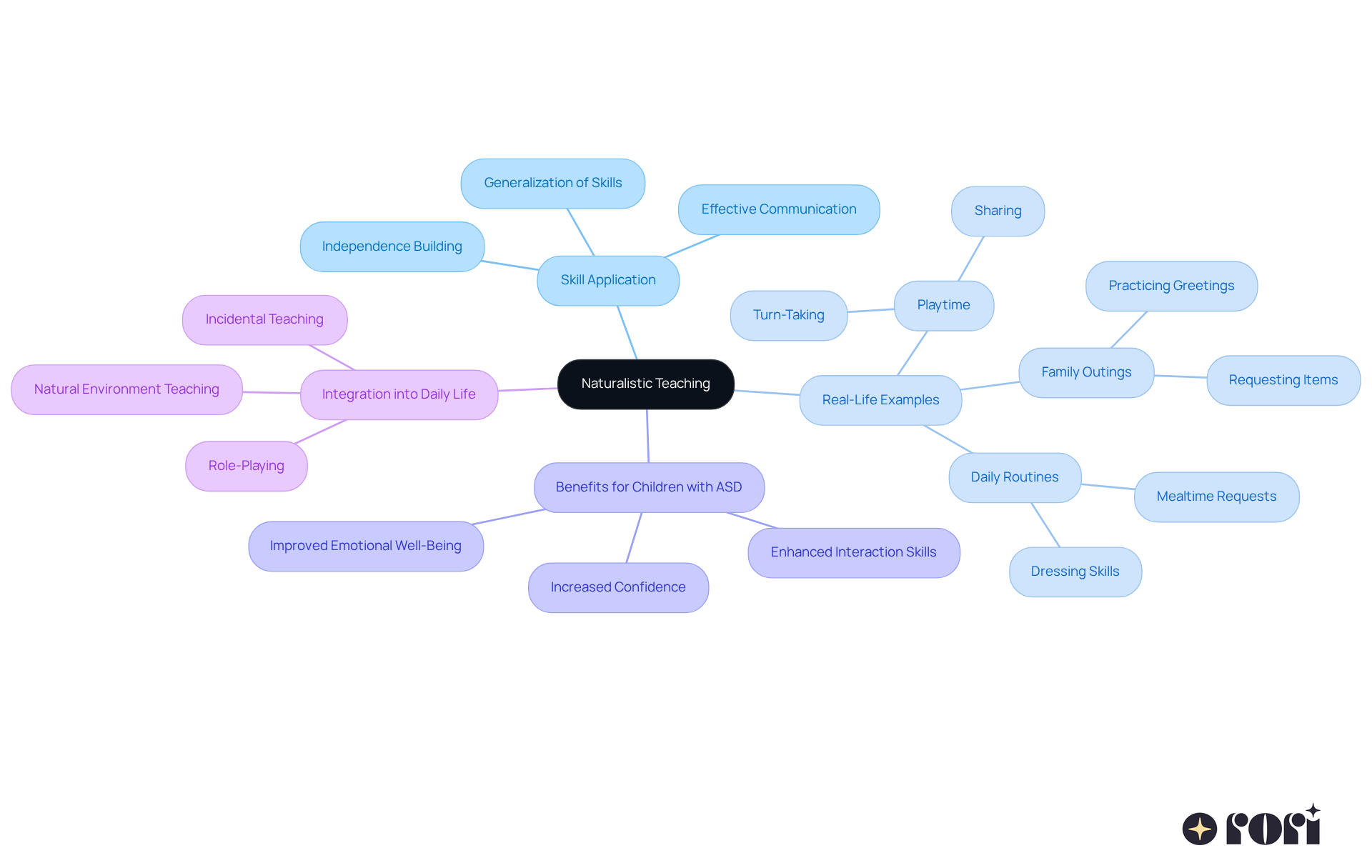
is all about - think playtime or daily routines. This approach not only makes learning feel relevant but also encourages kids to use their skills in . For example, when you teach your child during a family outing, they get to , which really helps solidify their learning.
Research shows that when kids engage in , it serves as one of the effective ways to promote in children with ASD, making them more likely to apply what they’ve learned in different environments and interactions. By - like asking for items during meals or seeking help at the playground - children enhance their interaction skills and . This method fosters a deeper understanding of effective ways to in children with ASD, which leads to better communication and social interactions in their everyday lives.
So, let’s explore this together! By making learning a part of your child’s daily experiences, you’re not just teaching them; you’re helping them grow in ways that matter. We’re here to help you every step of the way!
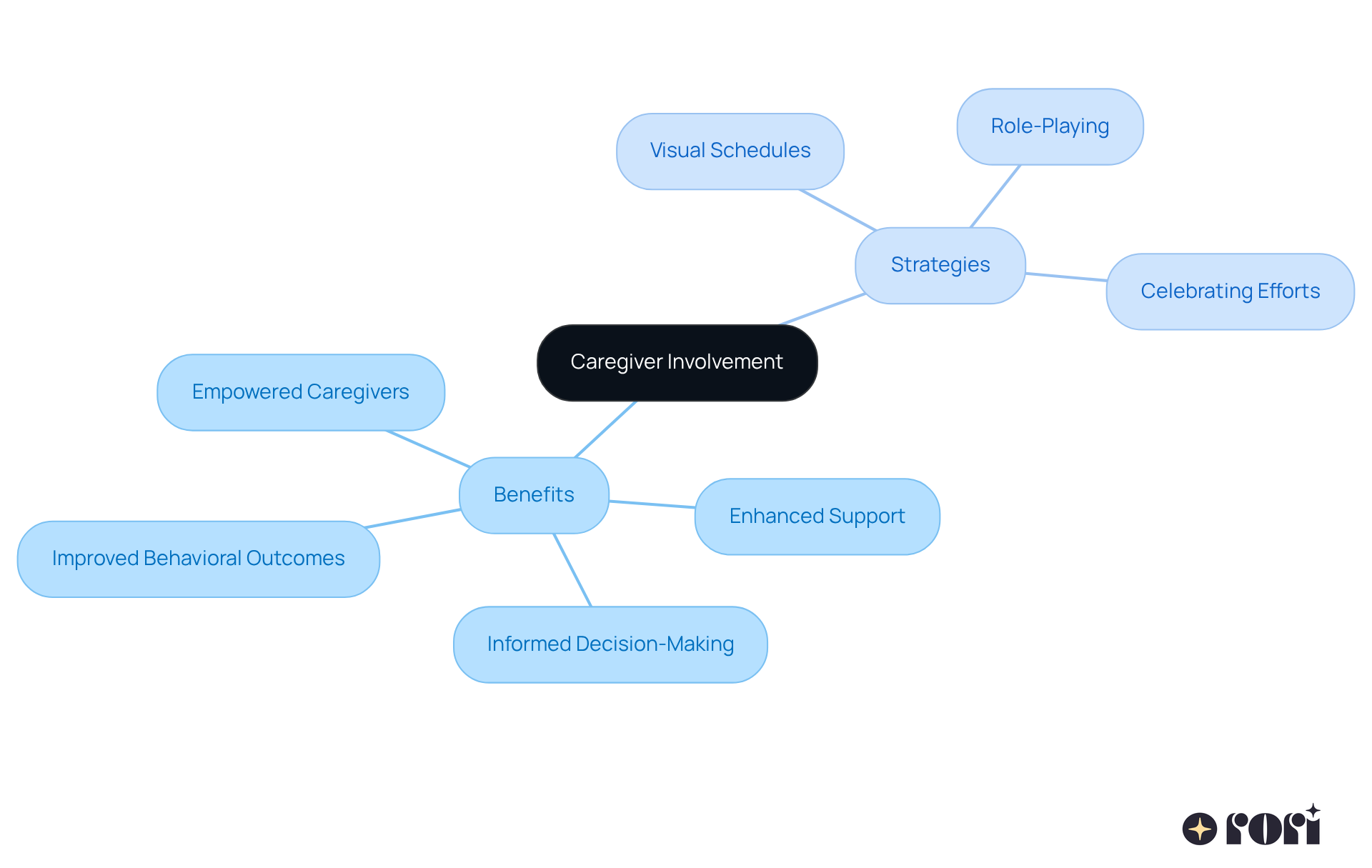
is one of the effective ways to . Parents can really make a difference by . Think about using tools like visual schedules or even role-playing scenarios! creates a nurturing environment that encourages the use of learned behaviors.
When understand and strategies better, they’re more equipped to make choices that positively impact their child's progress. This active involvement not only boosts support at home but also leads to better , demonstrating in children with ASD, ensuring that kids can maintain and generalize their skills beyond therapy sessions.
Here are some key benefits of :
Let’s explore this together! By working hand-in-hand, we can .
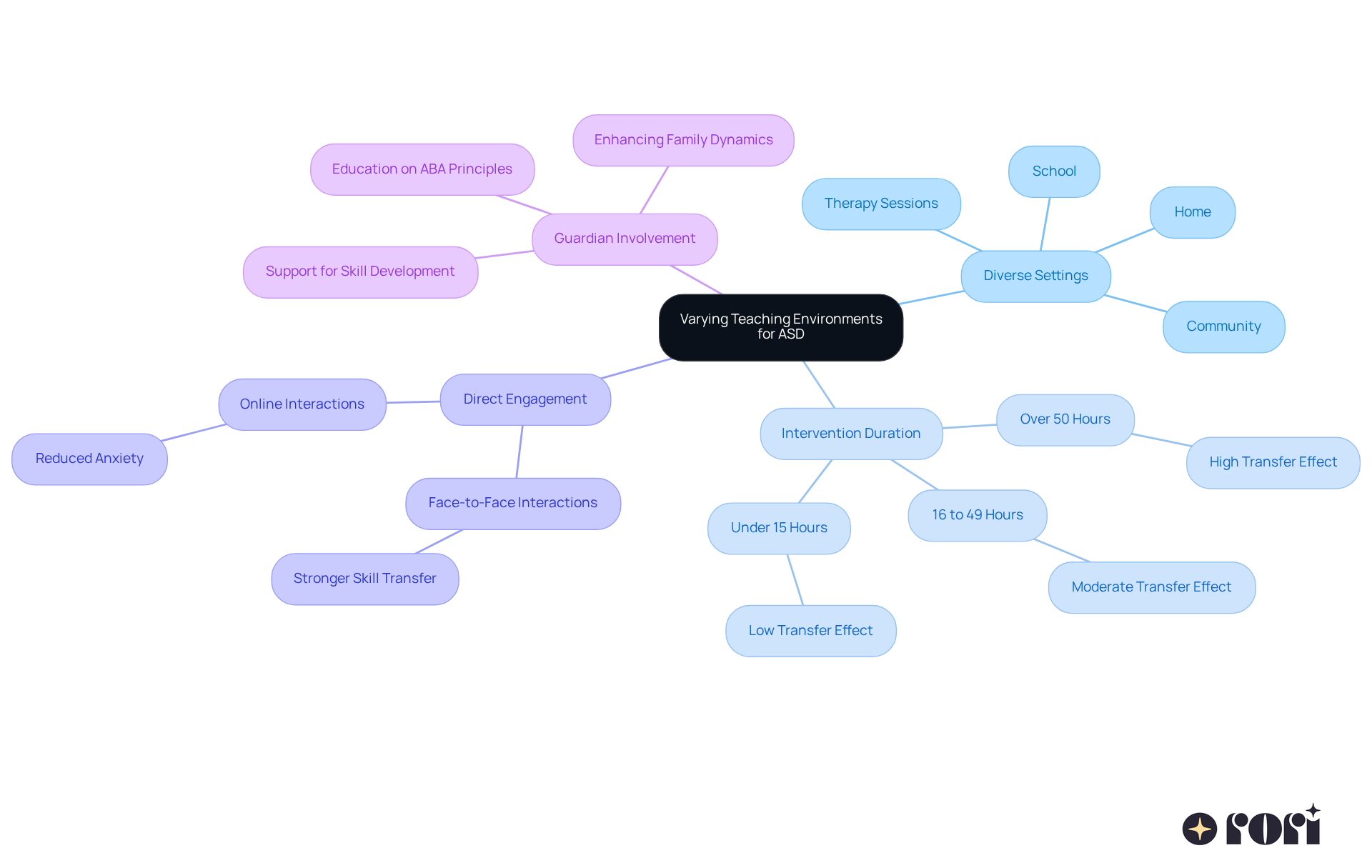
Diverse teaching settings play a crucial role in discovering effective ways to promote in children with ASD. Practicing skills in various environments, like home, school, and the community, represents , helping them learn to adapt their behaviors to fit different contexts. For instance, a young person might work on social skills during a therapy session and then use those skills at a family gathering or in class. This exposure to different settings serves as one of the effective ways to promote in children with ASD, helping to reduce reliance on specific contexts and allowing kids to apply what they've learned more confidently in various situations.
Research shows that , while those lasting between 16 and 49 hours offer moderate results. Interestingly, younger individuals tend to show a stronger ability transfer, especially in . This really emphasizes the value of direct engagement in diverse settings.
Therapists often point out that is ultimately measured by how well abilities are applied in real-life situations and daily interactions. By thoughtfully changing the instructional context, like incorporating elements from a young person's everyday life, educators can discover . This not only prepares learners for real-world challenges but also nurtures their independence and self-management skills, empowering them to navigate social situations with confidence.
Moreover, and strategies can greatly enhance their ability to . When caregivers are informed, they can provide and make decisions that positively impact their children's progress, leading to improved behavioral outcomes. This active involvement not only fosters independence and self-management skills in kids but also strengthens family dynamics, reducing stress for caregivers. By including in the ability generalization process, Rori Care ensures that children are better equipped to handle various with confidence.
Let’s explore this together! Your involvement can make a world of difference!
When we think about organized multi-instructor methods, it’s all about bringing together diverse therapists, educators, and caregivers in the learning journey. This collaboration can really boost a young person's ability to apply what they’ve learned, serving as . Imagine a young person picking up a social skill from one therapist and then using it with a teacher or a family member! This variety not only strengthens their skills but also helps them adapt, representing , making it easier to apply what they’ve learned in different situations and with different people.
Research shows that provides , as it exposes them to different teaching styles that broaden their ability to apply knowledge. Plus, educators often point out that this multifaceted approach creates a richer learning environment. It’s all about , particularly by exploring .
And let’s not forget about ! When qualified therapists facilitate these sessions, individuals can really and communication within a group. It’s a wonderful way to .
Empowering caregivers is also key. By , we can even more effectively. This leads to better support, informed decision-making, and improved behavioral outcomes. So, let’s explore this together! We’re here to help you every step of the way!

Tracking your child's progress is crucial for identifying effective ways to promote in children with ASD. By gathering information on how they learn and apply new skills, therapists can spot both their successes and the areas where they might need a little extra support. For instance, observing how often your child uses a new social skill in different situations can help identify .
This not only allows for timely tweaks to but also represents , ensuring that the strategies remain adaptable to your child's changing needs. Research shows that kids who receive early intensive behavioral intervention based on often see significant improvements in cognitive, language, and daily living skills. This really highlights how crucial .
Clinicians also stress that . It helps guide necessary adjustments to programs and shows accountability to families and stakeholders. At Rori Care, therapists are leveraging data and using AI-driven progress report automation to enhance . This means they can free up 50% more time for direct treatment, ultimately helping your child gain greater independence and social integration.
To keep your child's treatment plan on track, make it a habit to regularly review and analyze their progress data. Let’s explore this together! We’re here to help you every step of the way!

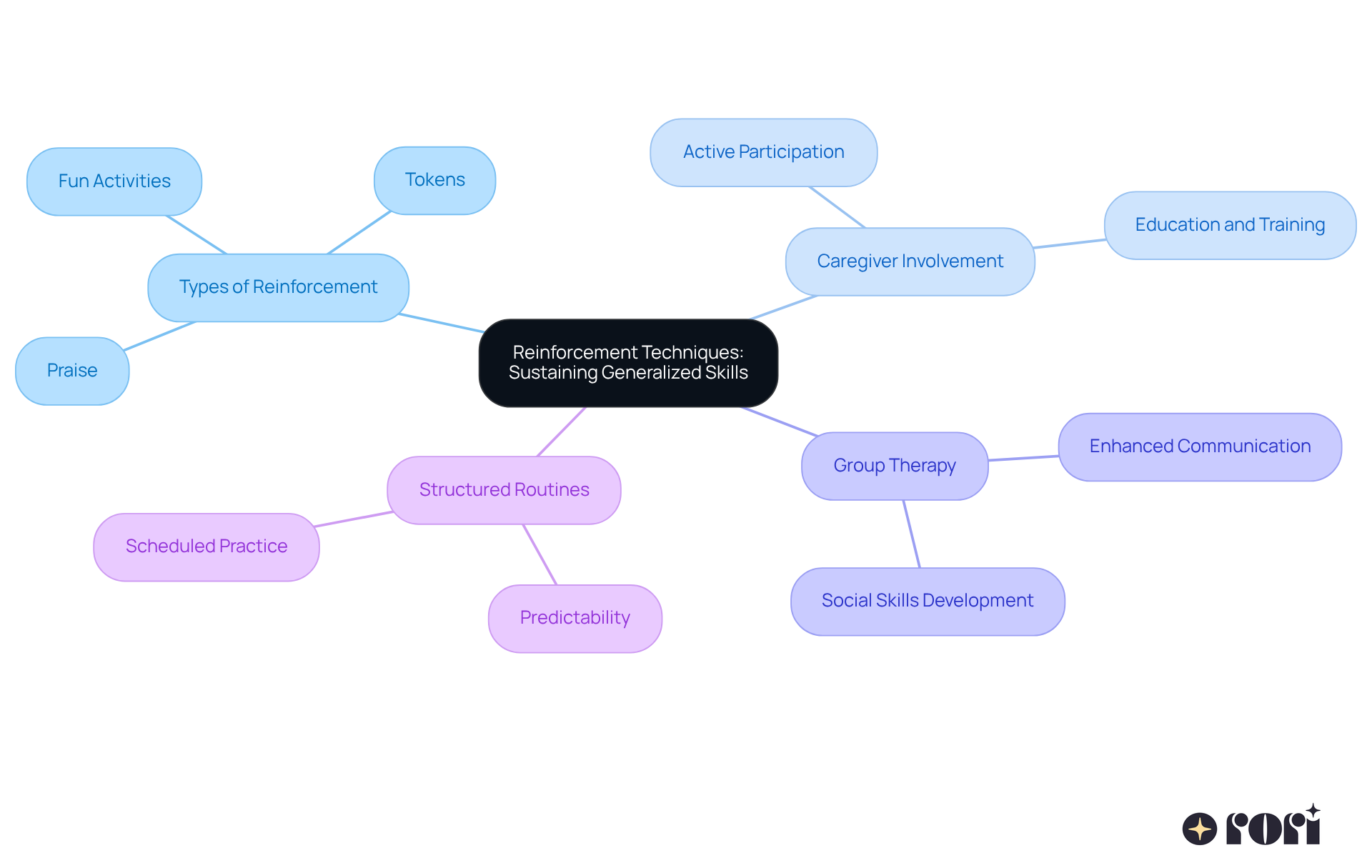
Reinforcement methods are super important for . When kids receive prompt and meaningful reinforcement-like praise, tokens, or access to fun activities, it represents in children with asd in everyday situations. For example, if a child shows off a social skill during a family outing, giving them can really reinforce that behavior, making it more likely they'll do it again next time.
Research shows that implementing effective ways to , such as across different settings, strengthens the connection between learned skills and their application, which helps with . Involving caregivers in this process is key! When parents actively participate, it boosts the , leading to better generalization and consistency in how tasks are applied.
Group therapy focused on social skills, led by , can also enhance young people's interactions and communication within a group. This not only builds their competence but also fosters better relationships. Plus, having are in children with asd, helping them transfer their skills and apply what they've learned in different contexts.
This comprehensive approach not only encourages skill acquisition but also empowers caregivers with . This way, they can effectively support their children's behavioral goals. Let’s explore this together! We’re here to help you every step of the way!
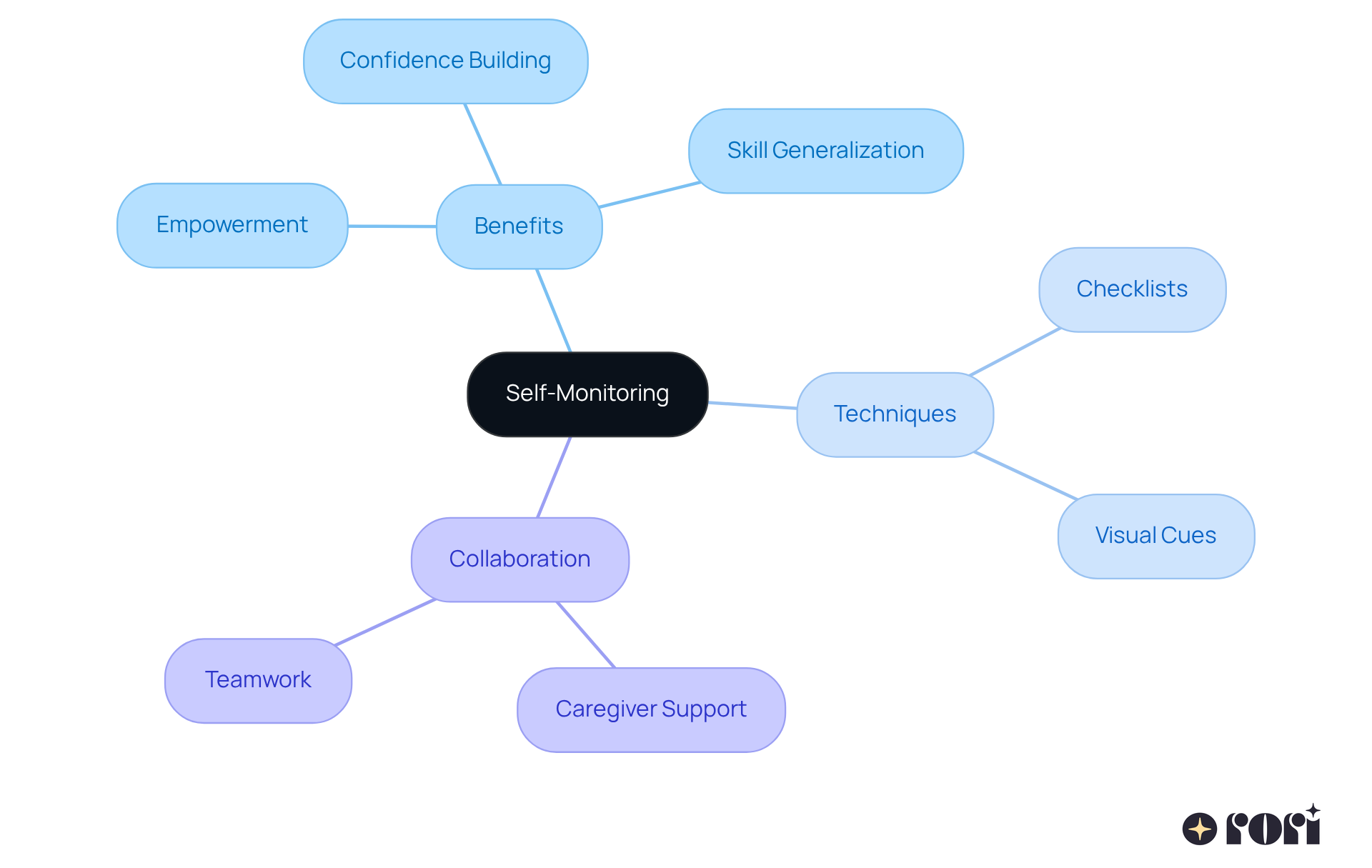
, especially for those with Autism Spectrum Disorders, ADHD, and Social Communication Disorders. When we encourage them to notice and , they start to understand when and how to use their skills. For example, a young person might learn to recognize the right moment to start a conversation or ask for help.
Using like checklists or visual cues are effective ways to , as they help kids track their progress and boost their ability to use their skills independently. This kind of empowerment not only builds their confidence but also provides . Plus, as caregivers dive deeper into through education, they can offer even better support at home. This teamwork enhances those and creates a more .
Let’s explore this together! By working hand-in-hand, we can make a real difference in their journey.
Technology-enhanced strategies are providing effective ways to promote in ! 🌟 Tools like , video modeling, and virtual reality are making learning fun and interactive. For instance, imagine a young person using a mobile app to practice . It’s a safe space where they can rehearse and apply their skills in a lively, controlled environment.
These innovative methods serve as in children with asd, as they not only boost motivation but also help kids , making learning both effective and enjoyable. Plus, Rori Care is all about and measurable goals, ensuring that individuals with Autism Spectrum Disorders, ADHD, and other behavioral challenges get the tailored support they need.
By integrating , Rori Care is enhancing therapy efficiency. This means 50% more time for direct child treatment! How great is that? This empowers caregivers with actionable data and strategies for effective behavioral support. Let’s explore this together and see how we can make a difference!

Promoting skill generalization in children with Autism Spectrum Disorder (ASD) is so important for their growth and independence! 🌟 By using personalized approaches, caregivers can create a nurturing environment that not only supports learning but also encourages kids to apply their skills in real-life situations. Imagine how much easier it would be for children to transfer what they learn in therapy to everyday interactions when effective strategies like naturalistic teaching, caregiver involvement, and diverse teaching environments are in place.
Let’s dive into some key methods that can really help with skill generalization:
These strategies ensure that children don’t just learn but also retain and apply their skills across different contexts. This ultimately leads to better communication and socialization, which is what we all want for our kids!
As families and caregivers actively engage in this journey, they empower their children to navigate their environments with greater confidence. Embracing these effective ways to promote skill generalization not only enhances the learning experience but also builds a supportive community that nurtures growth. By prioritizing these strategies, caregivers can make a significant difference in their children's ability to thrive in various settings. Together, we can pave the way for a brighter future filled with opportunities for meaningful interactions and independence. Let’s explore this together!
What is Rori Care's approach to ABA therapy for children with ASD?
Rori Care uses a data-informed approach that focuses on personalized strategies to promote skill generalization in children with ASD. Clinicians conduct thorough evaluations to create tailored treatment plans that involve various methods, including naturalistic instruction and active caregiver participation.
How does Rori Care involve families in the therapy process?
Rori Care invites families to be actively involved in their child's learning journey by incorporating methods that encourage family participation. This engagement helps support effective ability development and makes therapy more relevant and meaningful for the child.
What are the reported outcomes of Rori Care's customized ABA plans?
Research indicates that customized ABA plans lead to significant improvements in essential skills such as communication and socialization, with over 90% of parents reporting noticeable enhancements in their child's communication abilities.
What is naturalistic teaching, and how does it benefit children with ASD?
Naturalistic teaching involves integrating learning opportunities into everyday life, such as during playtime or daily routines. This approach helps children apply their skills in familiar settings, making learning relevant and enhancing their interaction skills and independence.
How can caregivers reinforce skills learned in therapy at home?
Caregivers can reinforce skills by incorporating them into daily routines using tools like visual schedules and role-playing scenarios. Training parents to recognize and celebrate their child's efforts creates a supportive environment that encourages the use of learned behaviors.
What are the benefits of caregiver involvement in the learning process?
Caregiver involvement enhances support at home, leads to informed decision-making, improves behavioral outcomes, and empowers caregivers, resulting in increased confidence and reduced stress within family dynamics.