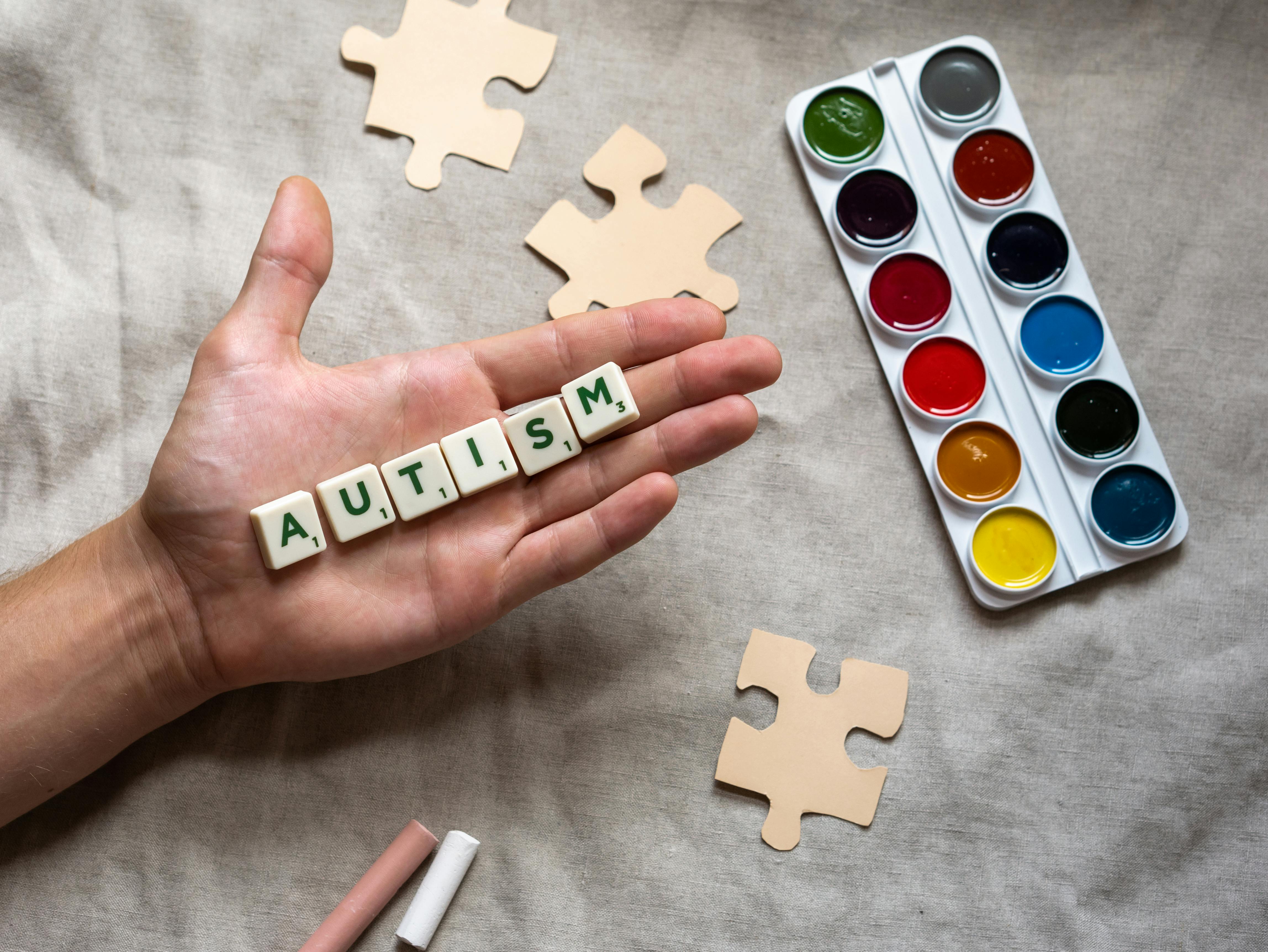
The early years are a pivotal time for children with autism to receive therapy, as findings indicate that prompt intervention can forge a path toward more favorable long-term outcomes. Emphasizing the value of this golden window of opportunity, A Brand New Day ABA dedicates itself to offering transformative therapy to young children on the autism spectrum. Autistic children, particularly those with co-occurring emotional and behavioral challenges, face a high risk of social exclusion, making early and effective therapeutic interventions like ABA therapy instrumental in enhancing their participation and well-being.
With advanced tools like the 'AutMedAI' model developed by researchers at Karolinska Institutet, which boasts an 80% success rate in identifying children with autism before 24 months of age, the path towards early intervention is becoming clearer. Clinicians, including seasoned Board-Certified Behavior Analysts with extensive clinical and care management experience, are now at the forefront of integrating these research insights into technology solutions that enhance the quality of care for children with autism. As research evolves, the landscape of support for autistic children and their caregivers continues to adapt, seeking to provide the most beneficial support for each individual child's needs.
With the understanding that autism's development is influenced by a complex interplay of genetic and environmental factors, early diagnosis facilitated by such research breakthroughs can lead to interventions that optimize outcomes, offering hope for more children to achieve independent lives as adults.
The early years are a pivotal time for children with autism to receive therapy, as findings indicate that prompt intervention can forge a path toward more favorable long-term outcomes. Emphasizing the value of this golden window of opportunity, A Brand New Day ABA dedicates itself to offering transformative therapy to young children on the autism spectrum. Underpinning this commitment is the belief, as articulated by Dr. David (Dan) R. Offord, that every child deserves an equitable 'race' in life—a race where children with disabilities are supported to engage meaningfully in school, at home, and during leisure activities, crucial for mental health and societal equity.
Autistic children, particularly those with co-occurring emotional and behavioral challenges, face a high risk of social exclusion, making early and effective therapeutic interventions like ABA therapy instrumental in enhancing their participation and well-being.
In line with TACA's advocacy for early treatment and NeuroQure's mission to expedite ASD diagnosis, research underscores the importance of identifying autism at the earliest juncture. With advanced tools like the developed by researchers at Karolinska Institutet, which boasts an 80% success rate in identifying children with autism before 24 months of age, the path towards early intervention is becoming clearer. Coupled with the shift from quasi-experimental studies to randomized-controlled trials in autism research, the scientific community is increasingly able to pinpoint effective interventions.
Clinicians, including seasoned Board-Certified Behavior Analysts with extensive clinical and care management experience, are now at the forefront of integrating these research insights into technology solutions that enhance the quality of care for children with autism. As research evolves, the landscape of support for autistic children and their caregivers continues to adapt, seeking to provide the most beneficial support for each individual child's needs. With the understanding that autism's development is influenced by a complex interplay of genetic and environmental factors, early diagnosis facilitated by such research breakthroughs can lead to interventions that optimize outcomes, offering hope for more children to achieve independent lives as adults.

At A Brand New Day ABA, we delve deeply into the unique world of each child, embracing a holistic approach to understanding their needs and aspirations. Our comprehensive assessment transcends beyond the surface, meticulously compiling insights from parents, educators, and interdisciplinary professionals who contribute to the child's development. From this rich tapestry of information, we craft a customized treatment strategy, meticulously aligned with the child's individual targets and milestones.
This bespoke plan is rooted in a synergy of cutting-edge technology and clinical expertise, ensuring that every aspect of care is optimized for quality, coordination, and streamlined processes that reflect the highest standards in ABA therapy. As we embrace the latest research, including robust randomized controlled trials, our methodologies are continually refined to offer the most effective interventions. This commitment to excellence is bolstered by the new , ensuring that our services are not only evidence-based but also adhere to the pinnacle of professional standards, providing children with autism the caliber of support they truly deserve.

Understanding that each child with autism is on a unique journey, A Brand New Day ABA ensures that therapy is a collaborative effort involving the key people in a child's life. They actively engage parents and caregivers, offering them the necessary guidance and support which empowers them to reinforce positive behavior and development at home. Recognizing the value of coordinated care, they also maintain a synergistic relationship with other healthcare professionals.
This approach aligns with the ethos of ensuring a well-supported environment for the child, as emphasized by Dr. David (Dan) R. Offord, who advocated for equitable participation of children with disabilities in all aspects of life. A Brand New Day ABA's commitment to collaboration is in the spirit of making "the race fair," with a focus on creating an inclusive and nurturing atmosphere for the child's growth, both academically and socially. Their tactics include building rapport with parents through clear, empathetic communication and active listening, ensuring that the family's voice is heard and valued in the treatment plan.
With expertise in both direct patient care and the development of technology solutions for healthcare providers, A Brand New Day ABA is dedicated to delivering best practice, high-quality care that addresses the .

Applied Behavior Analysis (ABA) stands as the cornerstone of therapeutic intervention for children with autism, grounded in a wealth of scientific study and practice. The innovative approach adopted by A Brand New Day ABA is a testament to their commitment to providing the highest standards of care. By integrating proven ABA techniques, individualized reinforcement strategies, and structured teaching methods, they ensure that each child benefits from interventions that are both scientifically validated and tailored to their unique needs.
The importance of implementing ABA with fidelity and quality cannot be overstated. Recent updates to the ABA Practice Guidelines by the Council of Autism Service Providers underscore this, setting a benchmark for excellence in treatment that A Brand New Day ABA meets and exceeds. These guidelines shape the landscape of care and reinforce the need for high-quality, evidence-based treatment, as emphasized by Lorri Unumb, CEO of CASP.
Advancements in the field of ABA are also reflected in the changing perspectives on disability. The social and cultural models of disability encourage a broader understanding of autism, advocating for societal change alongside individual support. This evolution in thinking challenges the traditional focus on altering the behavior of the individual with autism and instead calls for a to embrace diversity and inclusion.
The rigor of research in autism interventions has evolved, with randomized-controlled trials becoming the gold standard over quasi-experimental studies. This rigorous approach to research ensures that when ABA techniques are applied, they are backed by the most reliable evidence, offering reassurance to those engaged in the care of children with autism.
Moreover, the active participation of the autism community in research and critique has been vital in driving improvements in the quality of intervention studies. Such engagement emphasizes the respect and value afforded to individuals with autism, aligning interventions with the cultural shift towards recognizing and supporting the minority identity of people with disabilities.
In essence, A Brand New Day ABA's therapy programs not only reflect the best practices in ABA but are also at the forefront of embracing a more inclusive and respectful approach to supporting children with autism.
As the prevalence of autism diagnoses has surged, so too has the need for innovative and effective therapies. ABA therapy stands out as a beacon of hope for many families, with seasoned professionals like New York state-licensed and Board-Certified Behavior Analysts leading the charge. These experts come equipped with a decade of clinical experience across diverse treatment settings, ensuring that each child's care is of the highest quality and coordination.
Take the story of 4-year-old Emily as an example. Her journey with ABA therapy exemplifies the remarkable strides that can be achieved. With a personalized approach that leverages the latest technology solutions, Emily experienced a notable leap in her ability to communicate, engage socially, and practice adaptive behaviors.
Such advancements are not just isolated victories; they represent a collective leap forward in the way ABA therapy is delivered and the profound impact it can have on children with autism.
Dr. Jan Blacher, a research professor of education and psychology, emphasizes that our understanding of autism has dramatically evolved. We now recognize that autism's spectrum is broad, encompassing children with diverse abilities and needs, which reinforces the importance of tailored interventions. This nuanced understanding is what makes ABA therapy so crucial—it's adaptable, scalable, and responsive to each child's unique profile.
Moreover, organizations like the Center for Autism and Related Disorders are taking note of the shifting landscape, rethinking their talent strategies to attract the best professionals. By offering BCBAs more flexible work models, they are not only improving the quality of care but also ensuring that therapy is delivered by individuals who are both highly skilled and dedicated to their craft.
As we consider the future of ABA therapy, it's clear that its success hinges on the commitment to high-quality, coordinated care, underscored by rigorous research. With intervention studies scrutinized for design flaws, the goal is to refine these therapies, ensuring they are as effective as possible and respectful of the individuals they serve. The story of Emily and the advancements in ABA therapy are just the beginning of a larger narrative—one that promises a brighter future for children with autism and their families.
Applied Behavior Analysis (ABA) therapy is a comprehensive approach, honing in on pivotal areas of growth for children with autism. With a focus on enhancing communication, social skills, behavior management, self-care, and academic development, the goal is to foster greater independence. Driven by over a decade of clinical expertise, professionals in the field, like New York state-licensed and Board-Certified Behavior Analysts, are continually improving ABA therapy by integrating technology solutions.
These advancements streamline care coordination and uphold high-quality standards for both providers and health plans.
In light of the increasing autism diagnosis rates, with current figures at 1 in 36 compared to 1 in 2,500 years ago, it's clear that the spectrum of autism is broadening. As the understanding of autism evolves, so too do the interventions provided. A tailored approach to ABA therapy is paramount, recognizing that each child's abilities and needs are unique.
This personalized treatment is supported by a growing body of research, albeit with room for improvement in study design, emphasizing the necessity for rigorous evaluation of ABA interventions to ensure their efficacy and safety.
Moreover, the business landscape of ABA services is changing, with heightened interest from and a push for innovation. Leaders in the field are advocating for flexible, hybrid work models to attract the best talent, acknowledging the vital role of Board-Certified Behavior Analysts (BCBAs) in delivering top-tier ABA therapy. As the field of ABA continues to progress, the commitment to best practices and coordinated care remains steadfast, ensuring that children with autism receive the support they need to thrive.

At A Brand New Day ABA, Board Certified Behavior Analysts (BCBAs) and Registered Behavior Technicians (RBTs) form the cornerstone of the care team, delivering tailored ABA therapy grounded in over a decade of clinical expertise. The BCBAs at the helm are not only licensed professionals but also innovators in the field, leveraging technology to enhance therapeutic interventions. Their role is multifaceted: they design individualized treatment plans, assess progress, and ensure that interventions adhere to the highest standards of coordinated care.
RBTs work in concert with BCBAs, applying the therapy hands-on and gathering critical data. This symbiotic relationship ensures that each child's journey towards improved communication, social skills, and independence is meticulously guided and measured. As research indicates, the quality of intervention research is paramount, and the team's dedication to employing best practices is reflected in their meticulous documentation and analysis of each child's advancements.
With this collaborative approach, A Brand New Day ABA exemplifies the through a seamless integration of professional acumen and compassionate, individualized care.
Understanding the unique needs of each child with autism, A Brand New Day ABA leverages the expertise of Board-Certified Behavior Analysts (BCBA) to conduct thorough assessments, setting specific and measurable goals for each child. Recognizing the diversity in the autism spectrum, as highlighted by Dr. Jan Blacher, who notes the shift from a traditional view of autism to recognizing children with high IQs and varying capabilities, ABA therapy is tailored to the individual needs.
This personalized approach aligns with the vision of equity for children with disabilities, resonating with Dr. David (Dan) R. Offord's belief in a fair race for all children. Progress is meticulously monitored, with strategies fine-tuned to ensure continual benefit, reflecting a commitment to the highest quality of coordinated care. ABA therapy is not an isolated intervention; it involves the entire family, providing flexibility to accommodate varying needs and schedules.
Amidst a rise in autism cases and evolving understanding, as reported by Dr. Blacher, the importance of adapting and refining intervention strategies is underscored. With over a decade of clinical experience, our are dedicated to ensuring that interventions are not only effective but also respectful of the individuals and families, addressing concerns raised by both researchers and non researchers within the autism community. The collaborative model of ABA therapy at A Brand New Day ABA thus serves as an empowering resource for families, ensuring that every child receives the support they need to thrive in all domains of their life.
At A Brand New Day, ABA therapy transcends the traditional boundaries of clinical settings, reaching into the real world where children with autism can truly flourish. The emphasis is on skill generalization, a method that enables children to transfer and adapt their newly acquired abilities across a variety of environments, from the comfort of their homes to the bustling corridors of their schools, and into the wider community. This approach aligns with the , which views disability as a societal construct rather than a mere medical issue, advocating for adaptive societal changes rather than solely individual adaptation to pre-existing norms.
In this light, ABA therapy is not just about teaching specific behaviors; it's about fostering a mindset where children learn to navigate the world with confidence and competence. It's a reflection of the program's commitment to equip children with the tools they need for real-life situations, ensuring they aren't just prepared, but are also accepted and understood in all spheres of life.
Supporting this ethos, recent studies underscore the importance of recognizing autism as a diverse spectrum, with interventions needing to be as varied and dynamic as the individuals they serve. The growing prevalence of autism, now estimated to affect 1 in 36 children, underscores the urgent need for such specialized and flexible approaches to therapy.
As the field evolves, it's imperative that ABA therapy not only adapts to the changing landscape but also actively participates in shaping a more inclusive society. This means moving beyond rigid, one-size-fits-all methods and recognizing the unique strengths and challenges each child presents. By fostering an environment where every child with autism can maximize their potential, A Brand New Day stands at the forefront of a movement seeking to redefine success in ABA therapy, one child at a time.
In conclusion, A Brand New Day ABA is committed to providing transformative therapy to young children on the autism spectrum. Their emphasis on early intervention and tailored, evidence-based care ensures the best possible outcomes for children with autism. By integrating research insights and advanced technology, their clinicians deliver high-quality, individualized care.
Collaboration is a crucial aspect of A Brand New Day ABA's approach. They actively involve parents, caregivers, and healthcare professionals in the therapy process, valuing their input and prioritizing clear communication. ABA therapy, built on proven techniques and tailored to each child's unique needs, forms the foundation of their interventions.
Success stories, like that of Emily, demonstrate the remarkable progress that can be achieved through ABA therapy. ABA therapy is adaptable and scalable, reflecting the evolving understanding of autism as a diverse spectrum. The commitment to rigorous research and high-quality, coordinated care ensures the continuous improvement of ABA therapy, offering hope for a brighter future for children with autism and their families.
ABA therapy at A Brand New Day ABA focuses on enhancing communication, social skills, behavior management, self-care, and academic development to foster greater independence. The care team, consisting of BCBAs and RBTs, ensures individualized treatment plans and meticulous measurement of progress.
A Brand New Day ABA understands the unique needs of each child with autism and actively involves the entire family in therapy. They provide flexibility to accommodate varying needs and schedules, recognizing the importance of adapting and refining interventions as our understanding of autism evolves.
ABA therapy at A Brand New Day ABA goes beyond clinical settings, aiming to prepare children with autism for real-life situations through skill generalization. By fostering confidence and competence, ABA therapy equips children to navigate the world and be accepted and understood in all aspects of life. A Brand New Day ABA actively participates in shaping a more inclusive society, recognizing the strengths and challenges of each child.
In summary, A Brand New Day ABA is dedicated to providing transformative therapy to young children on the autism spectrum through early intervention and tailored, evidence-based care. Collaboration, professionalism, and individualized attention are at the core of their approach, empowering children with autism to thrive in all aspects of their lives.
Why is early intervention important for children with autism?
Early intervention is crucial for children with autism as it can lead to more favorable long-term outcomes. Intervening during the early years can help children with autism engage meaningfully in school, at home, and during leisure activities, which is vital for their mental health and societal equity.
What is ABA therapy and why is it recommended?
Applied Behavior Analysis (ABA) therapy is a therapeutic intervention that uses evidence-based techniques to improve social, communication, and learning skills in children with autism. It is recommended because it is instrumental in enhancing participation and well-being, especially for those with co-occurring emotional and behavioral challenges.
What is the 'golden window of opportunity' referred to in the article?
The 'golden window of opportunity' refers to the early developmental period in a child's life when intervention can be most effective in influencing positive outcomes for children with autism.
How does A Brand New Day ABA approach treatment for children with autism?
A Brand New Day ABA uses a comprehensive assessment to understand the unique needs and aspirations of each child. They create a customized treatment strategy that combines cutting-edge technology and clinical expertise to provide high-quality care optimized for the child's specific targets and milestones.
What is the collaborative approach in autism therapy?
The collaborative approach involves engaging with parents, caregivers, and other healthcare professionals in a child's life to ensure a well-supported environment. It emphasizes clear communication and active listening to ensure the family's voice is valued in the treatment plan.
What are the recent advancements in ABA therapy?
Recent advancements include the integration of proven ABA techniques, individualized reinforcement strategies, structured teaching methods, and adherence to updated ABA Practice Guidelines. There is also a growing emphasis on societal change alongside individual support, reflecting a shift towards embracing diversity and inclusion.
Can you provide an example of a success story with ABA therapy?
The article mentions the story of a 4-year-old named Emily who, through personalized ABA therapy, made notable improvements in her ability to communicate, engage socially, and practice adaptive behaviors.
What areas and skills does ABA therapy aim to develop in children with autism?
ABA therapy focuses on enhancing communication, social skills, behavior management, self-care, and academic development to foster greater independence in children with autism.
What roles do Board Certified Behavior Analysts (BCBAs) and Registered Behavior Technicians (RBTs) play in ABA therapy?
BCBAs design individualized treatment plans, assess progress, and ensure that interventions adhere to high standards. RBTs work under the supervision of BCBAs to apply therapy hands-on, collect data, and support the child's progress towards achieving their goals.
Why is parent and caregiver training important in ABA therapy?
Training and supporting parents and caregivers are essential because ABA therapy involves the entire family. It empowers them to reinforce positive behavior and development at home, ensuring that therapy has a lasting impact across all aspects of the child's life.
What is the significance of skill generalization in ABA therapy?
Skill generalization is significant because it enables children with autism to transfer and apply their newly acquired skills across various real-world environments. This method supports the social model of disability, which advocates for societal changes to accommodate individuals with disabilities rather than expecting them to adapt to pre-existing norms.