Applied Behavior Analysis (ABA) is a powerful tool in the developmental journey of individuals with Autism Spectrum Disorder (ASD). Grounded in the science of learning and behavior, ABA aims to enhance communication, social skills, and learning through positive reinforcement. This evidence-based approach has become a lifeline for families, providing a supportive environment where children with ASD can thrive.
With recent advancements and new guidelines, ABA continues to evolve to meet the diverse needs of individuals on the autism spectrum. In this article, we will explore the benefits of ABA therapy, the key components of an ABA program, and how to find a qualified ABA therapist near you. By providing valuable insights and expert advice, we aim to empower parents in their journey to support their child's growth and development.
, commonly known as ABA, is more than just a therapeutic strategy; it's a path to a fair race in the developmental marathon for individuals with (ASD). This evidence-based approach is grounded in the science of learning and behavior, aiming to enhance communication, social skills, and learning through . By focusing on the promotion of and the diminishment of challenging ones, ABA has become a lifeline for many families, striving to provide a where children with ASD can thrive.
Research underscores the urgent need for interventions like ABA that are tailored to the unique challenges faced by children with ASD. With a significant percentage of these individuals experiencing co-occurring intellectual disabilities, the role of ABA becomes even more critical in and mental health.
Recent advancements in the field have been marked by the introduction of new guidelines for ABA practices, ensuring that the treatment not only meets the highest standards of quality but is also accessible and effective across the diverse spectrum of autism cases. This evolution in the practice of ABA echoes the dynamic nature of autism diagnoses, which have broadened to include a wider range of cognitive abilities, from non-verbal challenges to exceptional verbal skills.
Amidst the changing landscape, it is essential to maintain a and impact of ABA interventions. The collective voice of the autism community, including scholars and advocates within it, has been pivotal in pushing for research integrity and respect for those with ASD. Their contributions have been integral in shaping the way ABA is implemented and perceived, ensuring that it remains a treatment that honors the dignity and potential of every individual it serves.

is recognized for enhancing key life skills in individuals with autism, including communication, social interaction, and adaptive behavior. By targeting and reducing disruptive behaviors such as aggression and self-injury, ABA lays the groundwork for engaged and peaceful participation in various aspects of life. The therapy is and data-driven goal setting, ensuring that each program is tailored to the child's unique needs.
To support the diverse needs of families, is paramount. This adaptability is essential as it aligns with the concept that a fair and supportive environment is crucial for all children, especially those with disabilities. The pursuit of mental health and equity hinges on recognizing the unmet needs and strengths that children with disabilities can contribute to their communities.
Recent updates to the ABA Practice Guidelines by the Council of Autism Service Providers underscore the necessity of . The guidelines aim to ensure that ABA therapy continues to evolve with the growing understanding of autism's complexities. As the prevalence of autism diagnoses increases, so too does the importance of nuanced approaches to treatment that accommodate the wide range of abilities and challenges present within the autism spectrum.
The success of an ABA program is closely monitored by , who adjust strategies as needed to ensure continuous benefit for the child. By building a strong rapport with families through clear communication and active listening, practitioners empower parents and caregivers, fostering a collaborative environment for the child's development.
The drive to refine ABA therapy aligns with the broader goal of making 'the race fair' for all children, as articulated by the late Dr. David (Dan) R. Offord. It is through this that ABA therapy serves as a cornerstone of support, enabling meaningful social participation in schools and communities.
is a dynamic and comprehensive approach that focuses on practical strategies to support individuals in learning new skills and enhancing their performance, while also addressing challenging behaviors. At the core of lies the commitment to a thorough assessment of behavior, the creation of , and meticulous data collection to track progress. ABA's individualized nature means that the interventions are tailored to the unique needs of each person, whether they're children, adults, or entire families, ensuring that the strategies align with ethical principles and .
The effectiveness of ABA is not only grounded in clinical settings but is also reinforced by . Families play an instrumental role in maintaining the consistency of interventions across different environments, thereby optimizing the impact of the therapy. This collaborative effort between professionals and caregivers is key for achieving meaningful and lasting changes.
Research underscores the benefits of ABA, particularly in the context of autism spectrum disorder, where there has been a notable increase in diagnosis rates. Experts like Dr. Jan Blacher highlight the diverse presentations of autism and the importance of adapting interventions to each individual's capabilities. ABA's flexibility to cater to the varying levels of functioning and abilities across the autism spectrum demonstrates its robustness as a therapeutic modality.
Additionally, emerging tools such as predictive algorithms in child welfare, like the Allegheny Family Screening Tool, exemplify the intersection of ABA principles with technology to inform and enhance practice. While such tools must be used judiciously, taking into account ethical considerations and potential biases, they represent a frontier in behavioral science, potentially aiding in the identification of intervention needs and outcomes.
In the context of regulations, recent changes encourage child welfare agencies to adapt their approach to support kin caregivers. This shift acknowledges the positive outcomes associated with kin placements, such as improved behavioral and mental health for children, which aligns with the goals of ABA to foster beneficial behaviors and emotional well-being.
In summary, ABA programs are multifaceted, integrating assessments, goal-setting, data-driven interventions, and collaboration with families to support individuals in achieving their full potential. With , ABA continues to evolve, providing tailored and ethical support to those it serves.
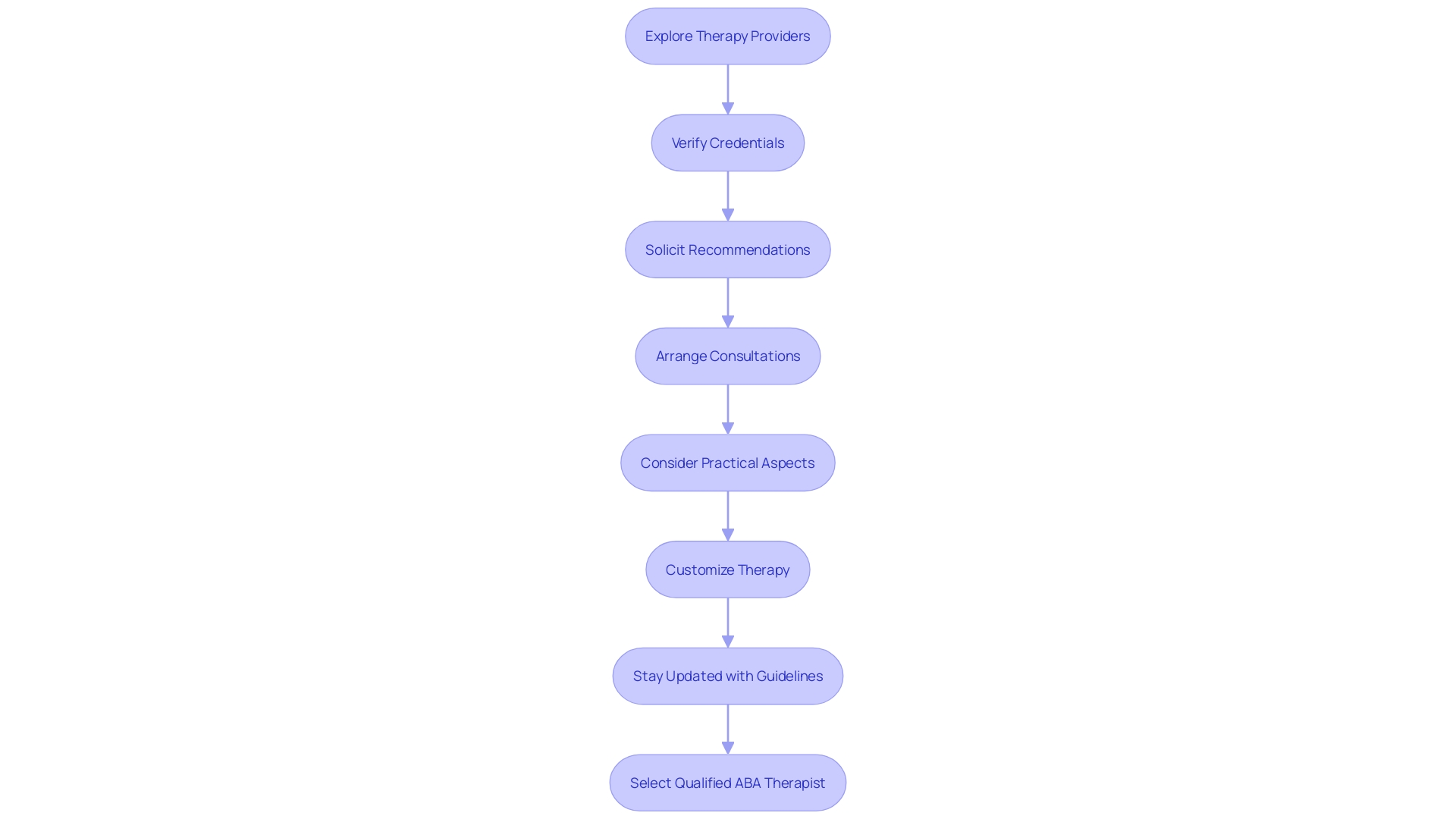
Selecting a qualified ABA therapist is a pivotal step in supporting your child's developmental journey. Begin by exploring providers in your vicinity, focusing on those with a strong background in handling . Verify the credentials of potential therapists, ensuring they are or Board Certified Assistant Behavior Analysts (BCaBAs), as these certifications are indicative of a standardized level of expertise in the field.
Soliciting recommendations is another beneficial step. Connect with other parents or experts who have navigated the ABA therapy landscape, as their experiences could guide you towards competent professionals. Once you've identified potential candidates, arrange consultations to engage with them directly. These preliminary discussions are essential for understanding the therapist's methods and evaluating whether their approach aligns with your child's specific needs.
Consider practical aspects, such as the therapist's location, flexibility in scheduling, and the financial implications of the therapy. It's important to find a balance between a therapist's qualifications and the feasibility of maintaining regular sessions.
As you proceed, keep in mind that therapy should be tailored to your child's unique situation. A one-size-fits-all approach, as criticized in certain case studies, may not be conducive to every child's well-being. For instance, a controversy involving a personalized 4-day intervention highlighted the importance of customizing therapy to the child's experiences, rather than applying a generic method.
In recent developments, the Council of Autism Service Providers released new ABA practice guidelines, underscoring the necessity of . With a growing number of professionals offering , such as telehealth options, finding the right therapist has become more accessible.
The pursuit of a suitable ABA therapist demands diligence, patience, and a thorough understanding of . By following these guidelines, you can enhance your chances of securing the best possible support for your child's growth and progress.
In conclusion, ABA therapy is a powerful tool for individuals with Autism Spectrum Disorder (ASD). It enhances communication, social skills, and learning through positive reinforcement, providing a lifeline for families and creating a supportive environment where children with ASD can thrive. The personalized nature of ABA, based on individual assessment and data-driven goal setting, ensures that each program is tailored to the child's unique needs.
Flexibility in the provision of ABA services is crucial to support diverse families and create a fair and supportive environment for all children, especially those with disabilities.
The key components of an ABA program involve thorough behavior assessment, personalized treatment plans, and data collection to track progress. Family involvement is essential in maintaining consistency and optimizing the impact of the therapy. ABA's flexibility allows it to cater to the varying levels of functioning and abilities across the autism spectrum.
Integration of emerging tools and technology further enhances ABA's effectiveness in identifying intervention needs and outcomes.
To find a qualified ABA therapist, explore providers in your area and verify their credentials as Board Certified Behavior Analysts (BCBAs) or Board Certified Assistant Behavior Analysts (BCaBAs). Seek recommendations from other parents or experts. Consultations with potential therapists are crucial for evaluating their approach and ensuring alignment with your child's specific needs.
Remember that therapy should be tailored to your child's unique situation. Stay informed about recent developments and guidelines in ABA therapy to ensure high-quality and appropriately implemented treatment. With diligence and a thorough understanding of evidence-based therapy, you can find the best possible support for your child's growth and progress.
In summary, ABA therapy is a powerful and effective approach for individuals with ASD. It enhances communication, social skills, and learning through positive reinforcement, creating a supportive environment for children to thrive. By understanding the key components of an ABA program and seeking qualified therapists, parents can empower themselves to support their child's growth and development effectively.
What is Applied Behavior Analysis (ABA)?
Applied Behavior Analysis (ABA) is a therapeutic approach based on learning and behavior science that aims to improve communication, social skills, and learning in individuals with Autism Spectrum Disorder (ASD) through positive reinforcement. It focuses on enhancing beneficial behaviors and reducing challenging ones.
How does ABA therapy benefit individuals with autism?
ABA therapy helps enhance key life skills such as communication, social interaction, and adaptive behavior. It targets and reduces disruptive behaviors, which allows for more engaged participation in daily life. ABA is personalized to each individual's needs and monitored for effectiveness.
What recent advancements have been made in ABA practices?
New guidelines for ABA practices have been introduced to ensure the treatment is of high quality, accessible, and effective across the autism spectrum. The guidelines address the evolving understanding of autism's complexities and the need for nuanced treatment approaches.
Who monitors the success of an ABA program?
The success of an ABA program is closely monitored by Board Certified Behavior Analysts (BCBAs), who adjust strategies as needed to ensure the child continues to benefit from the therapy.
What are the key components of an ABA program?
ABA programs include thorough behavior assessments, personalized treatment plans, data collection to track progress, and familial involvement to maintain consistency across various environments. They are tailored to the individual's needs and align with ethical principles and evidence-based practices.
How have ABA practices evolved with technology?
Technological advancements, such as predictive algorithms, are being integrated with ABA principles to inform and enhance practice. They may help with the identification of intervention needs and outcomes, although they must be used carefully considering ethical considerations and potential biases.
How can I find a qualified ABA therapist near me?
Start by looking for ABA therapy providers in your area with experience in autism cases. Check that potential therapists are Board Certified Behavior Analysts (BCBAs) or Board Certified Assistant Behavior Analysts (BCaBAs). Get recommendations, arrange consultations, and consider practical aspects like location, scheduling, and cost. Ensure the therapy is tailored to your child's unique needs, and be aware of the latest ABA practice guidelines.
What should I consider when selecting an ABA therapist?
When selecting an ABA therapist, consider their qualifications, experience with autism, the compatibility of their methods with your child's needs, location, scheduling flexibility, and the financial aspects of therapy. It's important to choose a therapist who offers a personalized and evidence-based approach to treatment.