Introduction
Facing academic challenges with children who have autism can feel overwhelming. But here’s the good news: the transformative power of Applied Behavior Analysis (ABA) shines a light of hope! 🌟 In this guide, we’ll explore the essential principles and strategies of ABA therapy, giving caregivers and educators the tools they need to create meaningful learning experiences.
But how can we make sure these strategies are not just effective, but also tailored to fit each child’s unique needs? Let’s dive in together and discover how we can support our little ones on their learning journeys!
Understand the Principles of ABA Therapy
Applied Behavior Analysis (ABA) is a fascinating approach that helps us understand and change behaviors through careful observation and intervention. Let’s dive into some key principles that make this method so effective!
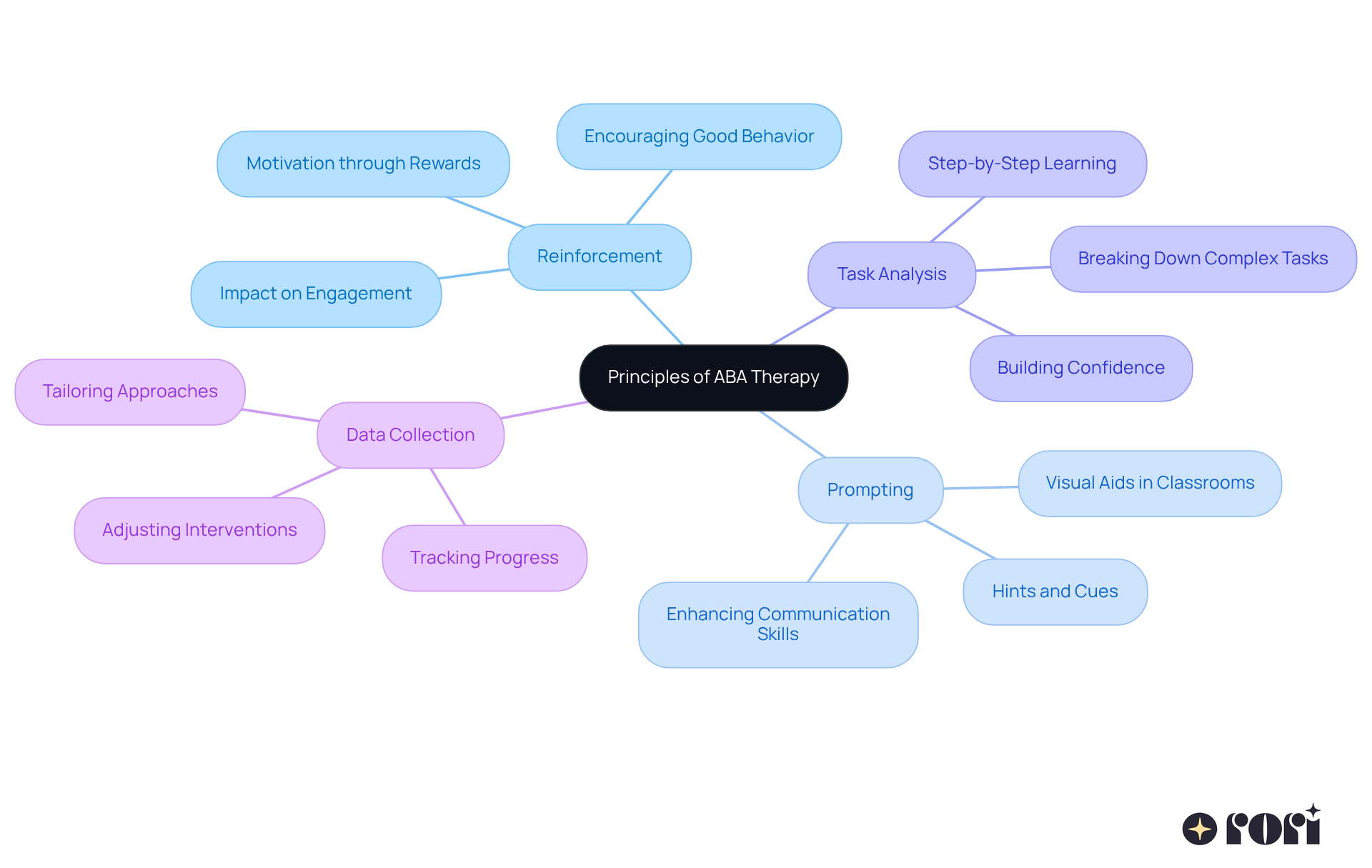
- : Think of this as a way to encourage good behavior by offering a little reward afterward. For instance, when a child gets praised for finishing their homework, it can really motivate them to keep it up! Research shows that using early on can lead to big boosts in kids' motivation and engagement in school.
- Prompting: This is all about giving hints or cues to help kids show the behavior we want to see. Imagine a teacher using visual aids to remind a student to raise their hand before speaking. This not only helps with classroom behavior but also enhances , particularly in the context of addressing through .
- : Here’s where we break down complex tasks into smaller, easier steps. For example, teaching a child to write a sentence can start with forming letters, then putting those letters together into words, and finally structuring those words into a complete thought. This method not only makes learning easier but also builds confidence as kids hit each little milestone.
- : is super important! By regularly noting how often a behavior occurs or how long it takes to finish a task, we can see what’s working and what needs tweaking. This ongoing data helps to meet each child’s unique needs, ensuring the best outcomes.
By grasping these principles, caregivers and educators can create a supportive environment that really encourages learning while addressing through . It’s especially important to incorporate reinforcement and , as studies show that children who receive early intervention with these methods often see significant improvements in their cognitive and language skills, leading to better educational success.
So, let’s explore this together! If you have any thoughts or experiences to share, we’d love to hear from you!
Identify Effective ABA Strategies for Academic Skill Development
can be a rewarding journey for caregivers and educators. Here are some friendly to consider:
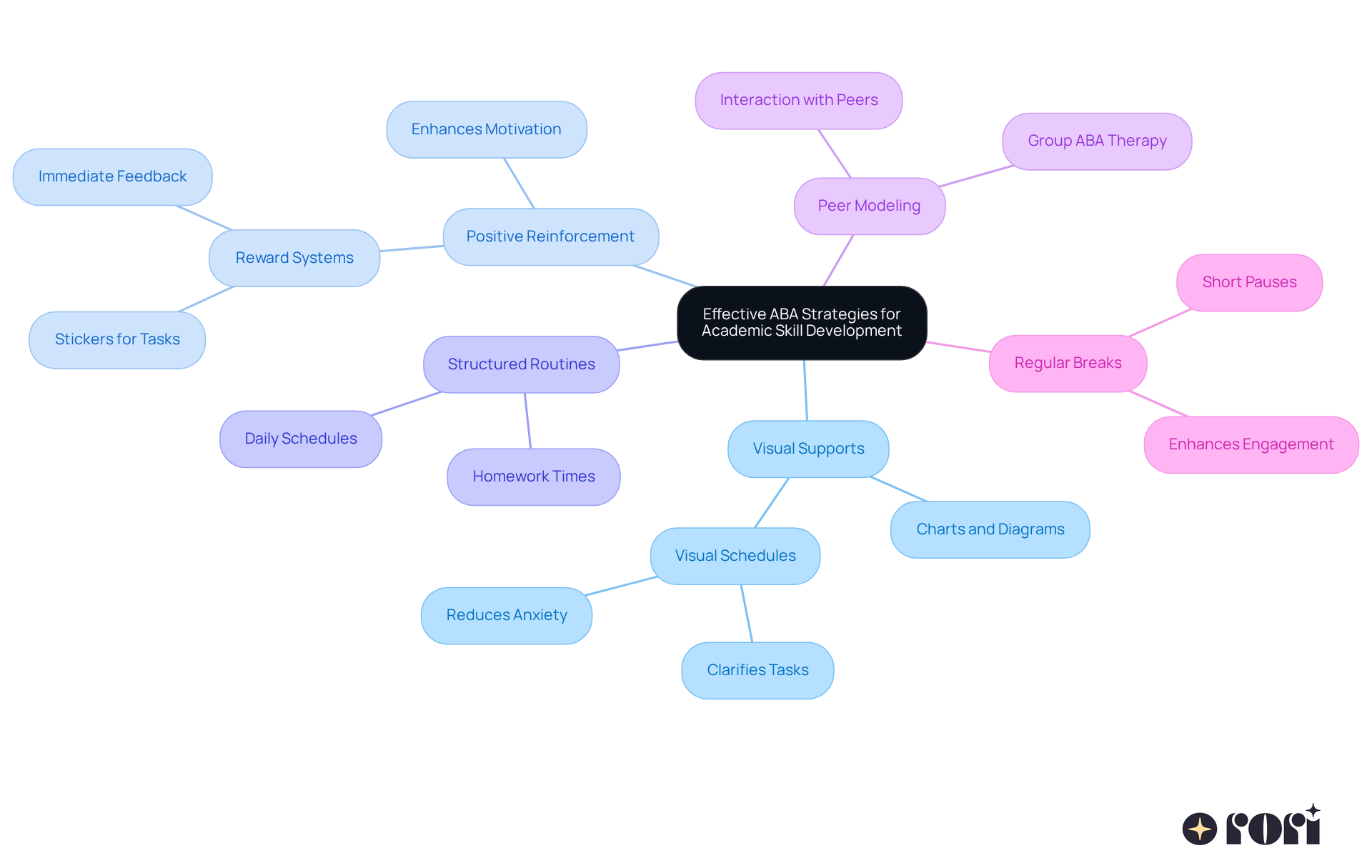
- : Think about using charts, diagrams, and visual schedules. These tools can really help clarify tasks and expectations, making things less overwhelming. Plus, they tap into the visual strengths many kids with autism have, which can boost their focus and reduce anxiety.
- : Who doesn’t love a little reward? Establishing a simple reward system, like giving stickers for completed assignments, can motivate kids to dive into their work. is a key part of ABA therapy, which focuses on , helping shape those desirable actions and leading to better learning outcomes.
- : Kids thrive on consistency! Setting up daily routines can create a sense of security and clarity about what’s expected. Designating specific times for homework and outlining steps for projects can encourage independence and self-management skills that are super important for educational success.
- : Encourage your child to interact with peers who can model good academic behaviors. Teamwork can be a fantastic way for kids to learn from each other, improving their social skills and building meaningful relationships. Group ABA therapy has shown to be beneficial for social skills development, enriching the overall learning experience.
- Regular Breaks: Don’t forget the power of a good break! and reduce frustration, especially for younger kids with shorter attention spans. Research shows that allowing breaks can enhance engagement and task completion, creating a more positive learning environment.
By embracing these strategies, you can create a that is essential for addressing academic challenges in children with autism through ABA support. This approach aligns with the benefits of , empowering you to provide effective support and make informed choices that positively impact your child’s progress. Let’s explore this together!
Develop a Personalized ABA Treatment Plan
Creating a can feel like a big task, but breaking it down into key steps makes it manageable and effective. Let’s dive in!
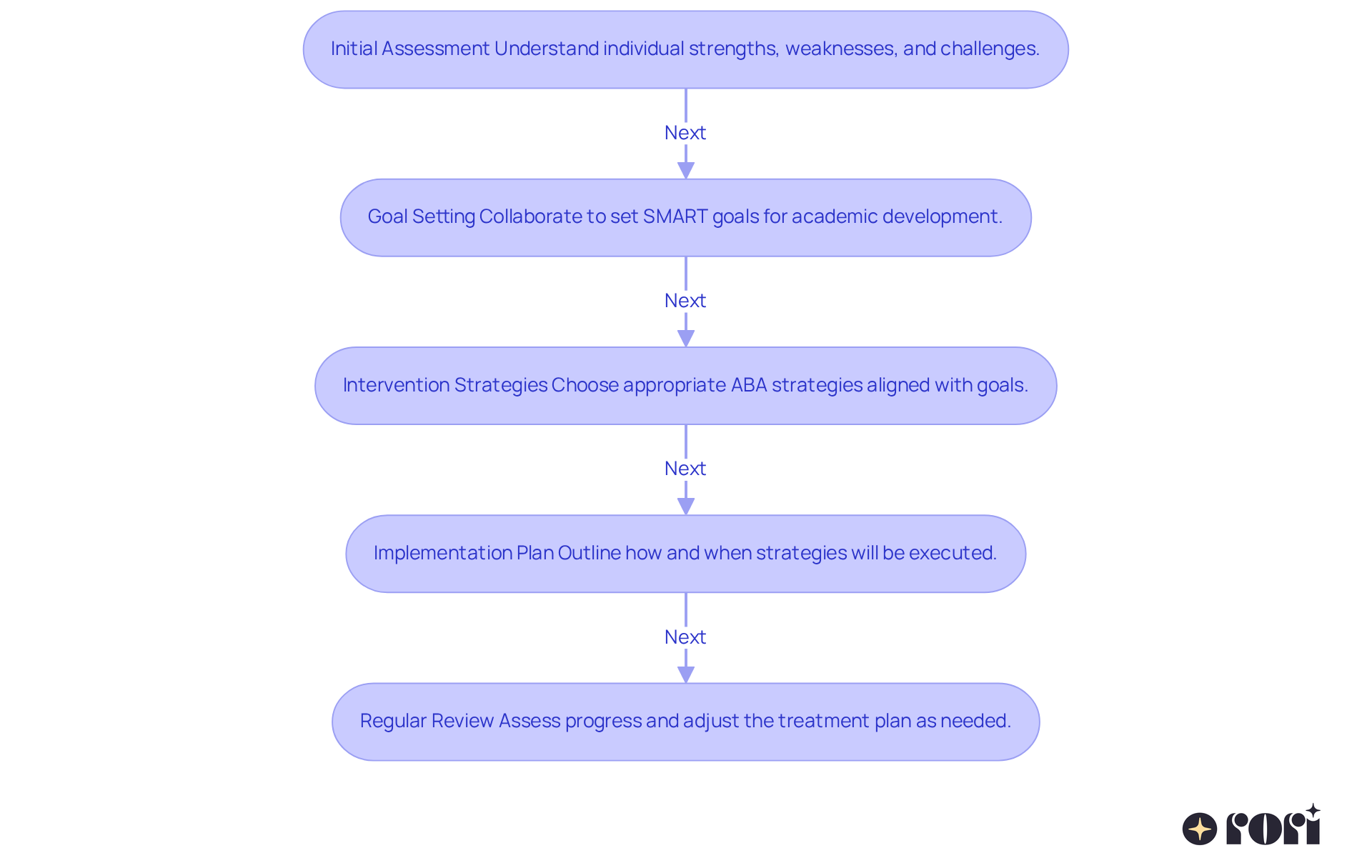
- Initial Assessment: First things first, it’s all about understanding the individual. Conducting a thorough evaluation of strengths, weaknesses, and specific academic challenges is essential for addressing through ABA support. This might involve standardized assessments, direct observations, and chats with parents and teachers. Clinicians often say that the sooner young individuals start working toward developmentally suitable goals, the better their long-term outlook. For instance, a detailed evaluation can reveal insights that guide personalized interventions, ensuring that each person’s unique needs are met right from the start.
- : Next up, let’s talk about goals! Collaborating with parents and educators to set clear, measurable goals for academic skill development is vital. Did you know that kids who document specific objectives are 42% more likely to achieve them? Goals should be specific, achievable, and relevant to the individual’s needs, following the . For example, a goal could be for a young person to complete 80% of assigned tasks within eight weeks. That gives a clear target to aim for!
- : Now, let’s choose the right ABA strategies that align with those goals. This could include visual supports, reinforcement techniques, and structured routines. Breaking down complex skills into smaller, manageable steps can help prevent kids from feeling overwhelmed, fostering regular success and motivation.
- : It’s time to outline how and when these strategies will be put into action. Who will be responsible for each part of the plan? This ensures accountability and consistency. , have shown significant improvements in various developmental areas, including language and social skills.
- : Finally, let’s not forget about regular check-ins! Scheduling these allows for assessing progress toward goals and making necessary adjustments to the treatment plan. This ongoing process is all about flexibility and responsiveness to the individual’s evolving needs. are key in ABA practice, helping clinicians refine interventions based on measurable outcomes.
By following these steps, caregivers and educators can create a solid treatment plan that focuses on addressing through ABA support. Together, we can and overall quality of life. Let’s explore this journey together!
Implement ABA Techniques in Educational Settings
To effectively implement in educational settings, let’s consider a few friendly steps:
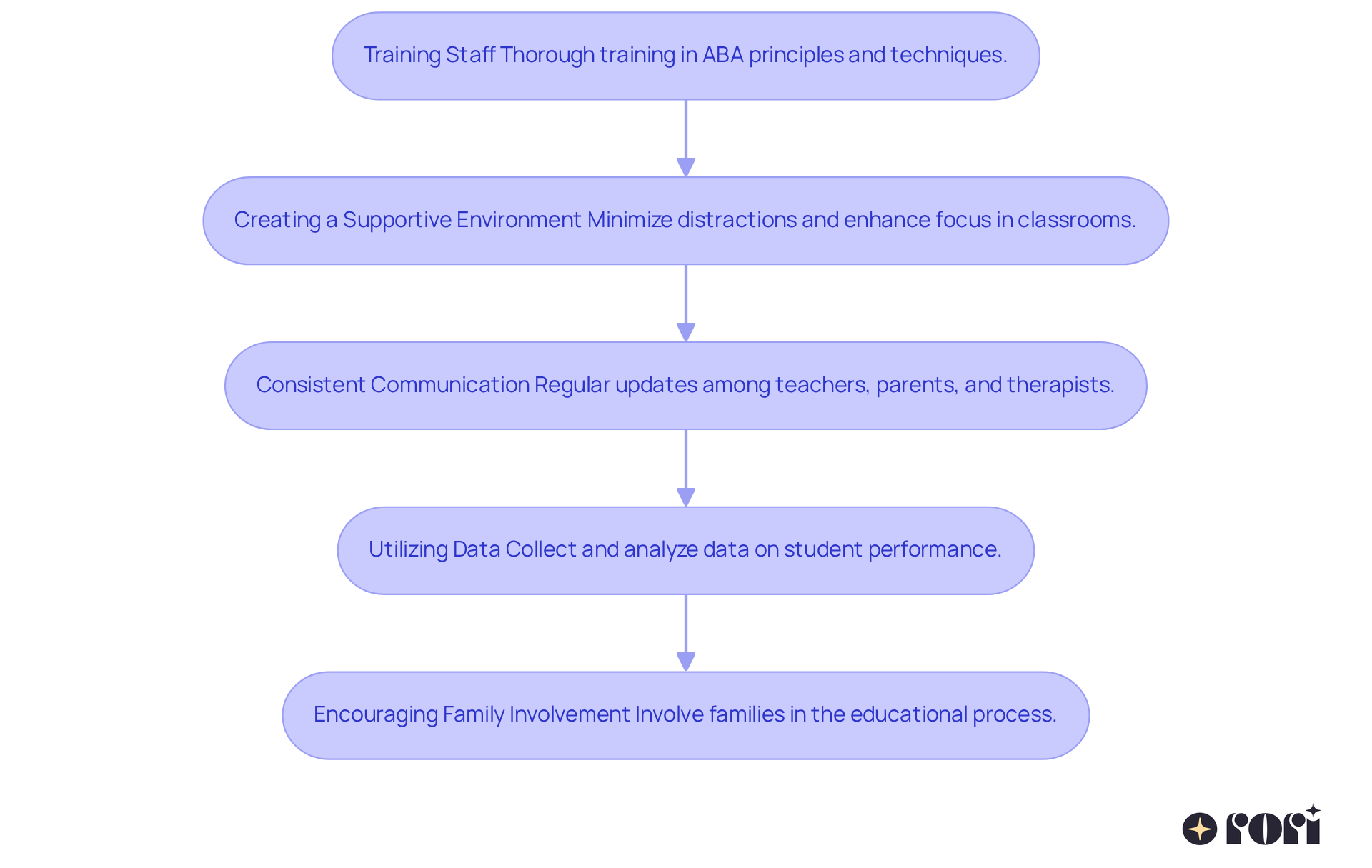
- Training Staff: It’s super important that all staff members get thorough training in ABA principles and techniques. This training should cover how to apply reinforcement strategies, prompting methods, and effective during interactions with students. You know, data shows that really boost staff performance, leading to better outcomes for individuals with autism.
- : Classrooms should be set up to minimize distractions and help students focus. Think about strategic seating arrangements to cut down on sensory overload and creating quiet areas for breaks. Schools that take the initiative to address these environmental factors are 3.2 times more likely to keep effective ABA practices going strong over the years.
- : Keeping the lines of communication open among teachers, parents, and therapists is key. Regular updates on a child’s progress and challenges make sure everyone is on the same page, which is so vital for their success.
- Utilizing Data: is crucial. This practice helps spot trends, evaluate how well interventions are working, and make necessary adjustments. Research shows that teachers who consistently gather and use behavioral data adjust interventions 2.5 times more often than those who rely on informal observations.
- : Getting families involved in the educational process is essential. Providing parents with tools and strategies to use at home reinforces learning and ensures consistency across different environments. Programs that bring into the mix have been shown to boost the overall effectiveness of ABA therapy.
By following these steps, educators can create a warm and nurturing learning atmosphere that focuses on addressing academic challenges in children with autism through ABA support. This ultimately leads to greater success and learning outcomes for individuals with autism by addressing academic challenges in children with autism through ABA support. Let’s explore this together!
Monitor Progress and Adjust ABA Strategies as Needed
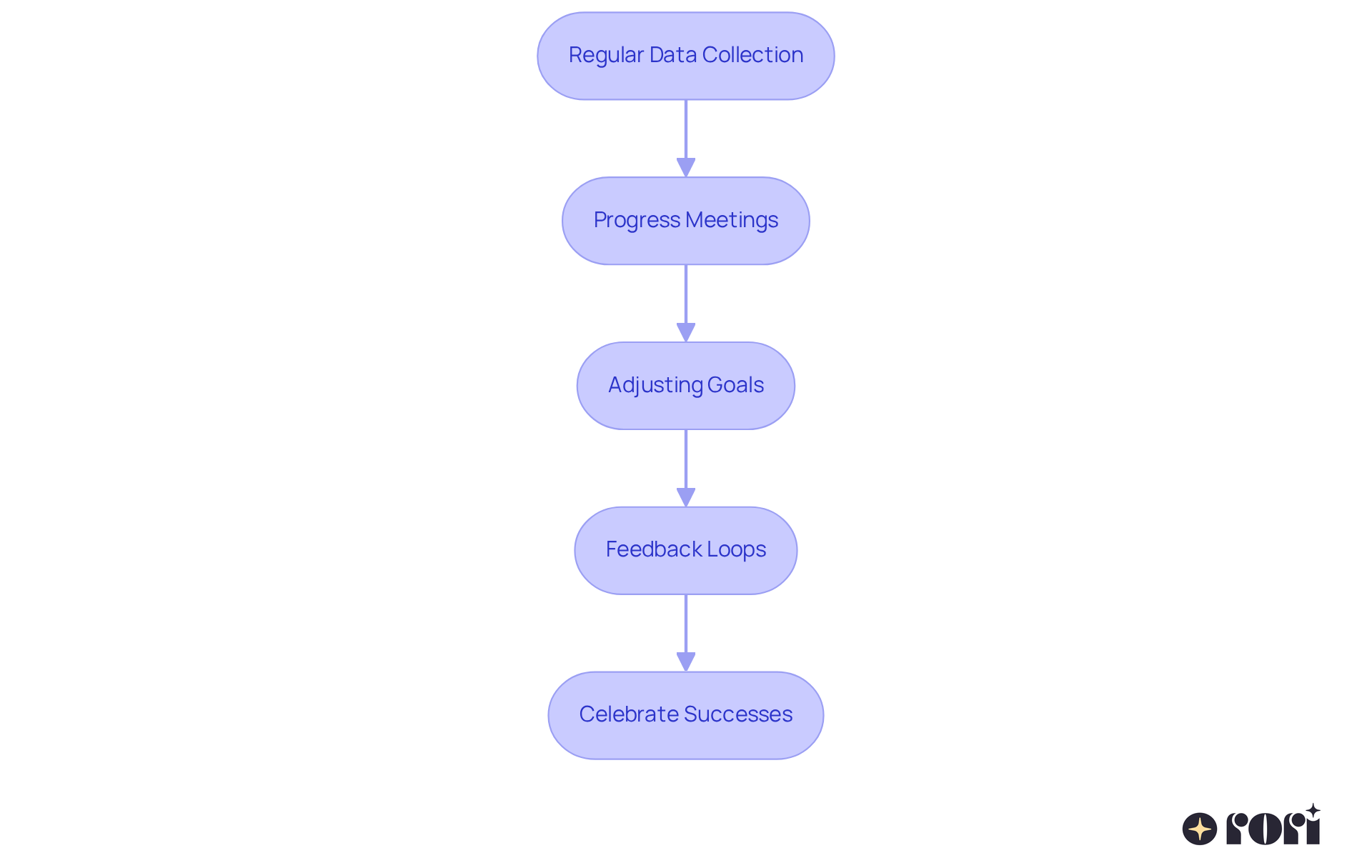
To effectively monitor progress and adjust ABA strategies, let’s consider some friendly guidelines:
- : Keeping track of a child's progress is super important! Systematic data collection helps us see how they’re doing with their academic goals. Techniques like frequency counts of specific actions and evaluations of skill acquisition give us clear insights into their development. For example, therapists often use to document behaviors and their antecedents, which helps just right for each child.
- : It’s a great idea to schedule regular meetings with everyone involved - parents, teachers, and therapists - to review data and chat about the student’s progress. This not only fosters transparency but also ensures that everyone is in the loop and part of the decision-making process. Research shows that consistent can significantly boost educational outcomes by addressing through ABA support.
- : Be ready to tweak those goals based on how the student is progressing. If they’re consistently hitting their targets, why not raise the bar a bit or introduce new skills? This flexibility is key to keeping them engaged and promoting ongoing growth.
- Feedback Loops: Establishing is a wonderful way to let students share their feelings about the strategies being used. Their input can offer valuable insights into what’s working and what might need a little adjustment, ensuring that interventions stay relevant and impactful.
- : Don’t forget to acknowledge and celebrate the young one’s achievements, no matter how small! Recognizing progress reinforces positive behavior and motivates continued effort, creating a supportive environment for learning.
By implementing these practices, caregivers and educators can ensure that they are effectively addressing through ABA support while keeping the strategies aligned with the child’s evolving needs. This way, we can enhance academic success and learning outcomes together!
Conclusion
Addressing academic challenges in children with autism through ABA therapy offers a structured and effective way to enhance their learning experiences. By understanding the core principles of Applied Behavior Analysis - like reinforcement, prompting, and task analysis - caregivers and educators can create tailored interventions that truly meet each child's unique needs. This personalized approach not only fosters academic success but also builds confidence and essential life skills.
Throughout this journey, key strategies such as:
- visual supports
- positive reinforcement
- structured routines
- family involvement
are vital. Implementing these techniques in a supportive environment, along with regular progress monitoring and adjustments, ensures that interventions stay relevant and effective. The collaborative effort between educators, parents, and therapists is crucial for achieving meaningful outcomes.
In conclusion, embracing ABA strategies in educational settings isn’t just about overcoming challenges; it’s about empowering children with autism to thrive both academically and socially. By fostering a nurturing and responsive learning environment, we can all contribute to a brighter future for these individuals. Let’s stay committed to ongoing education and adapting our methods, as this will lead to significant improvements in the lives of children with autism and their families. We’re here to help you every step of the way!
Frequently Asked Questions
What is Applied Behavior Analysis (ABA) therapy?
Applied Behavior Analysis (ABA) is a method that helps understand and change behaviors through careful observation and intervention.
What is reinforcement in ABA therapy?
Reinforcement involves encouraging good behavior by offering rewards afterward, such as praising a child for finishing their homework, which can motivate them to continue the behavior.
How does prompting work in ABA therapy?
Prompting provides hints or cues to help children exhibit desired behaviors, such as using visual aids to remind a student to raise their hand before speaking.
What is task analysis in the context of ABA therapy?
Task analysis breaks down complex tasks into smaller, manageable steps to make learning easier and build confidence as children achieve each milestone.
Why is data collection important in ABA therapy?
Data collection tracks a child's progress by noting how often behaviors occur or how long tasks take, allowing Board Certified Behavior Analysts (BCBAs) to tailor their approaches to meet each child's unique needs.
What are some effective ABA strategies for academic skill development?
Effective strategies include using visual supports, positive reinforcement, structured routines, peer modeling, and regular breaks to enhance learning and address academic challenges.
How do visual supports assist children with autism in ABA therapy?
Visual supports like charts and diagrams help clarify tasks and expectations, making it less overwhelming and leveraging the visual strengths of many children with autism.
What role does positive reinforcement play in ABA therapy?
Positive reinforcement, such as reward systems for completed assignments, motivates children to engage in their work and is a key aspect of ABA therapy.
Why are structured routines beneficial for children with autism?
Structured routines provide consistency and clarity about expectations, which can foster a sense of security and encourage independence and self-management skills.
How can peer modeling enhance academic skills in children with autism?
Peer modeling encourages interaction with peers who exhibit good academic behaviors, which can improve social skills and foster meaningful relationships through teamwork.
What is the significance of taking regular breaks during learning activities?
Regular breaks help maintain concentration and reduce frustration, especially for younger children with shorter attention spans, enhancing engagement and task completion.
List of Sources
- Understand the Principles of ABA Therapy
- Success Rates of ABA Therapy | Advanced Autism Services (https://advancedautism.com/post/success-rates-of-aba-therapy)
- Understanding Autism Therapy Success Rates (https://ambitionsaba.com/resources/understanding-autism-therapy-success-rates)
- Resources | Golden Steps ABA (https://goldenstepsaba.com/resources/success-rates-of-aba-therapy)
- The Numbers Don't Lie: Revealing Autism Therapy Statistics | Above and Beyond Therapy (https://abtaba.com/blog/autism-therapy-statistics)
- connectncareaba.com (https://connectncareaba.com/blog/aba-therapy-effectiveness-for-autism)
- Identify Effective ABA Strategies for Academic Skill Development
- supportivecareaba.com (https://supportivecareaba.com/statistics/the-impact-of-aba-therapy-on-academic-success-for-children-with-autism)
- The use of visual schedules to increase academic-related on-task behaviors of individuals with autism: a literature review (https://tandfonline.com/doi/full/10.1080/20473869.2024.2402124)
- The Role of Positive Reinforcement in ABA Therapy for Children with Autism (https://yellowbusaba.com/post/the-role-of-positive-reinforcement-in-aba-therapy-for-children-with-autism)
- Inspirational ABA and Autism Quotes - Mrs. Moe's Modifications (https://mrsmoesmodifications.com/inspirational-aba-and-autism-quotes)
- Develop a Personalized ABA Treatment Plan
- How ABA Therapy Encourages Goal Setting in Children with Autism - RightWay ABA (https://rightwayaba.com/how-aba-therapy-encourages-goal-setting-in-children-with-autism)
- Resources | Golden Steps ABA (https://goldenstepsaba.com/resources/success-rates-of-aba-therapy)
- 2026 Autism Statistics - Insights for Families and Advocates (https://prosperahealthcare.com/autism-statistics)
- Success Rates of ABA Therapy | Advanced Autism Services (https://advancedautism.com/post/success-rates-of-aba-therapy)
- One moment, please... (https://linksaba.com/writing-smart-goals-with-aba-principles)
- Implement ABA Techniques in Educational Settings
- Resources | Golden Steps ABA (https://goldenstepsaba.com/resources/success-rates-of-aba-therapy)
- pmc.ncbi.nlm.nih.gov (https://pmc.ncbi.nlm.nih.gov/articles/PMC3592486)
- How to Train School Staff on ABA Principles | Links (https://linksaba.com/how-to-train-school-staff-on-aba-principles)
- Inspirational ABA and Autism Quotes - Mrs. Moe's Modifications (https://mrsmoesmodifications.com/inspirational-aba-and-autism-quotes)
- Evaluating the effectiveness of a comprehensive staff training package for behavioral interventions for children with autism (https://sciencedirect.com/science/article/abs/pii/S1750946710001613)
- Monitor Progress and Adjust ABA Strategies as Needed
- Ongoing Assessment in ABA Therapy: A Data-Driven Approach (https://brightpathwaysaba.com/ongoing-assessment-in-aba-therapy-a-data-driven-approach)
- The Significance of Statistics in ABA Therapy | All Star ABA (https://allstaraba.org/statistics-in-aba-therapy)
- Applied Behavior Analysis (ABA) Statistics: Data, Effectiveness, and Evidence-Based Practices (https://nexoaba.com/applied-behavior-analysis-statistics)