Navigating phobias in children with autism can feel like wandering through a tricky maze, right? It’s filled with unique challenges and emotional bumps along the way. But here’s the good news: Applied Behavior Analysis (ABA) therapy offers a structured approach that not only helps kids face their fears but also gives caregivers effective strategies to support them.
As families embark on this transformative journey, you might wonder: how can understanding and using ABA principles lead to real progress in overcoming phobias? Let’s explore this together! This guide will walk you through step-by-step techniques, highlighting the collaborative role of parents and the importance of tailored interventions. Together, we can foster resilience and confidence in our children.
When it comes to , understanding the basics of (ABA) is super important. ABA is all about the science of actions and learning, focusing on what we can see and how the environment plays a role. Let’s break down some key principles:
Research shows that kids who get at least 80% of their recommended ABA hours see , especially those starting with lower skills. Recent studies highlight how effective are in addressing phobias in autism through ABA therapy to help kids face their fears. In fact, the is over 89%! That’s a testament to how well it can assist in addressing phobias in autism through ABA therapy. By understanding and using these principles, caregivers and therapists can create tailored interventions that meet each child’s unique needs, helping them grow stronger and more independent.
Plus, when caregivers learn about ABA principles and strategies, they can provide better support at home. This teamwork with professionals leads to more consistent and . It’s all about making informed choices that align with therapeutic strategies. And let’s not forget the vital role of qualified behavior analysts in crafting personalized plans with clear goals and . These plans ensure that interventions are responsive to each child’s progress and needs. However, it’s also essential to think about the ethical aspects of ABA therapy and the importance of parental involvement for achieving the best results.
So, let’s explore this together! If you’re feeling overwhelmed, remember that you’re not alone. We’re here to help you every step of the way!

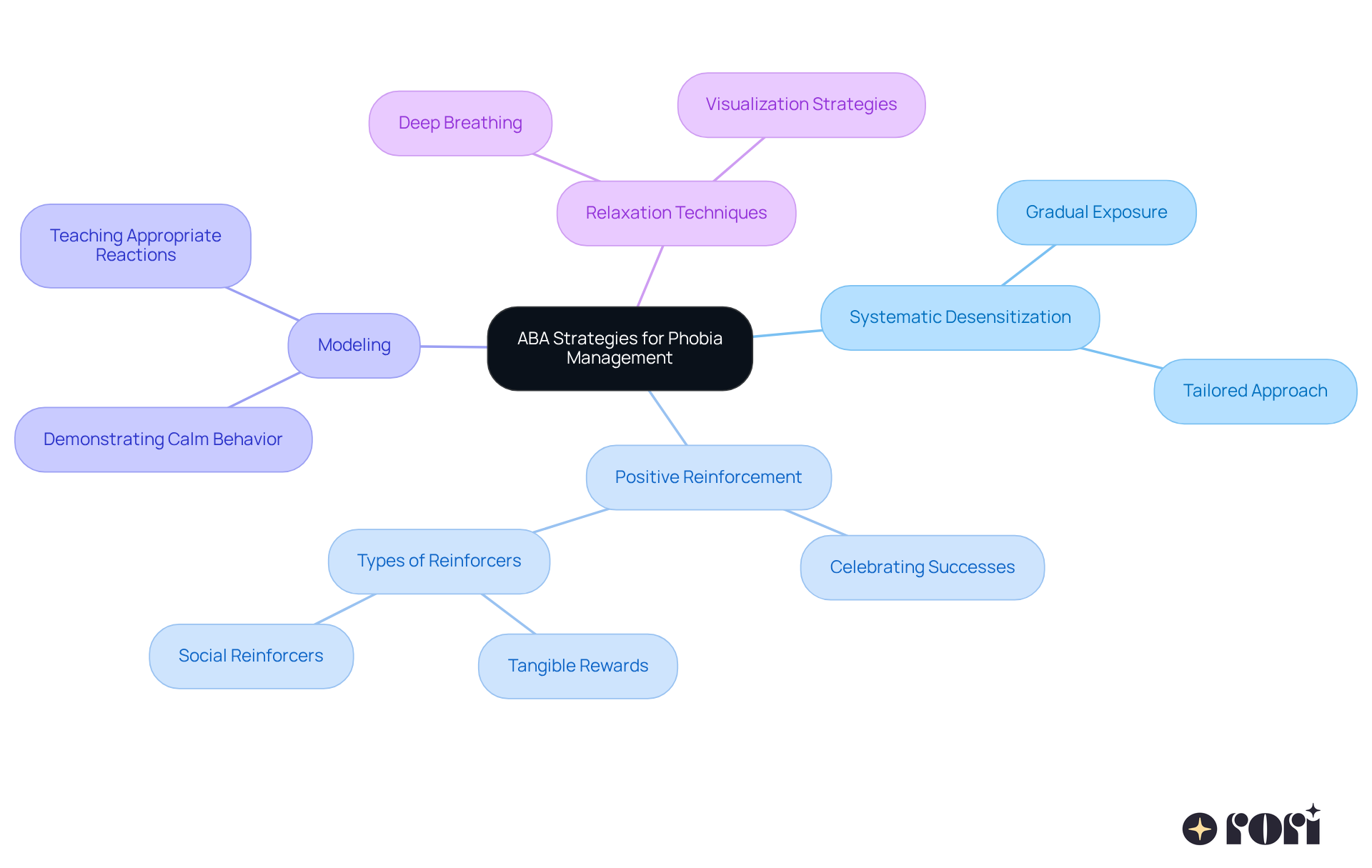
When it comes to through , there are some really effective strategies that can make a difference for children. Let’s dive into a few of them!
By weaving these strategies into your approach, you can create a nurturing environment that supports addressing phobias in autism through ABA therapy, encouraging your child to face and eventually overcome their phobias. Remember, your active involvement, guided by ABA principles, can significantly enhance their behavioral outcomes. Let’s explore this together and make this journey a little easier for both you and your child!
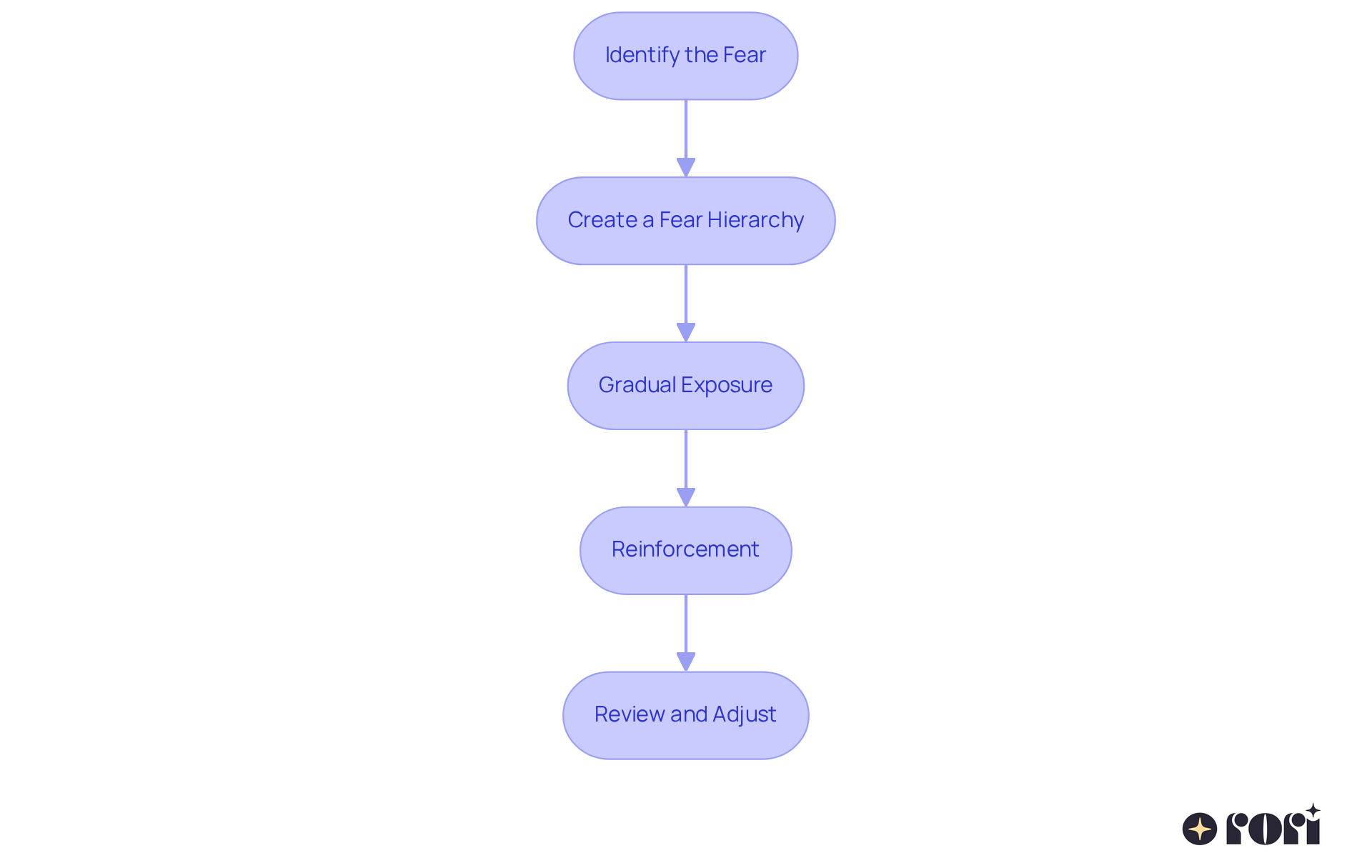
Implementing exposure therapy can feel like a big task, but breaking it down into key steps makes it manageable and effective. Let’s dive into how you can support your young one through this process!
Research shows that addressing phobias in autism through can , especially those with autism. By systematically addressing fears, kids can . Successful use of fear hierarchies in ABA treatment is a key strategy for , leading to notable decreases in phobic reactions, promoting resilience, and enhancing overall quality of life.
At Rori Care, we believe in a patient-centered, adaptable approach to therapy. We ensure that treatment plans are tailored to each child’s unique needs. is crucial; studies show that 90% of youth make significant progress when caregivers are fully involved. Plus, equipping caregivers with ABA principles boosts their ability to support their child’s behavioral goals, leading to informed decision-making and better outcomes for the whole family.
Let’s explore this journey together! We’re here to help you every step of the way!
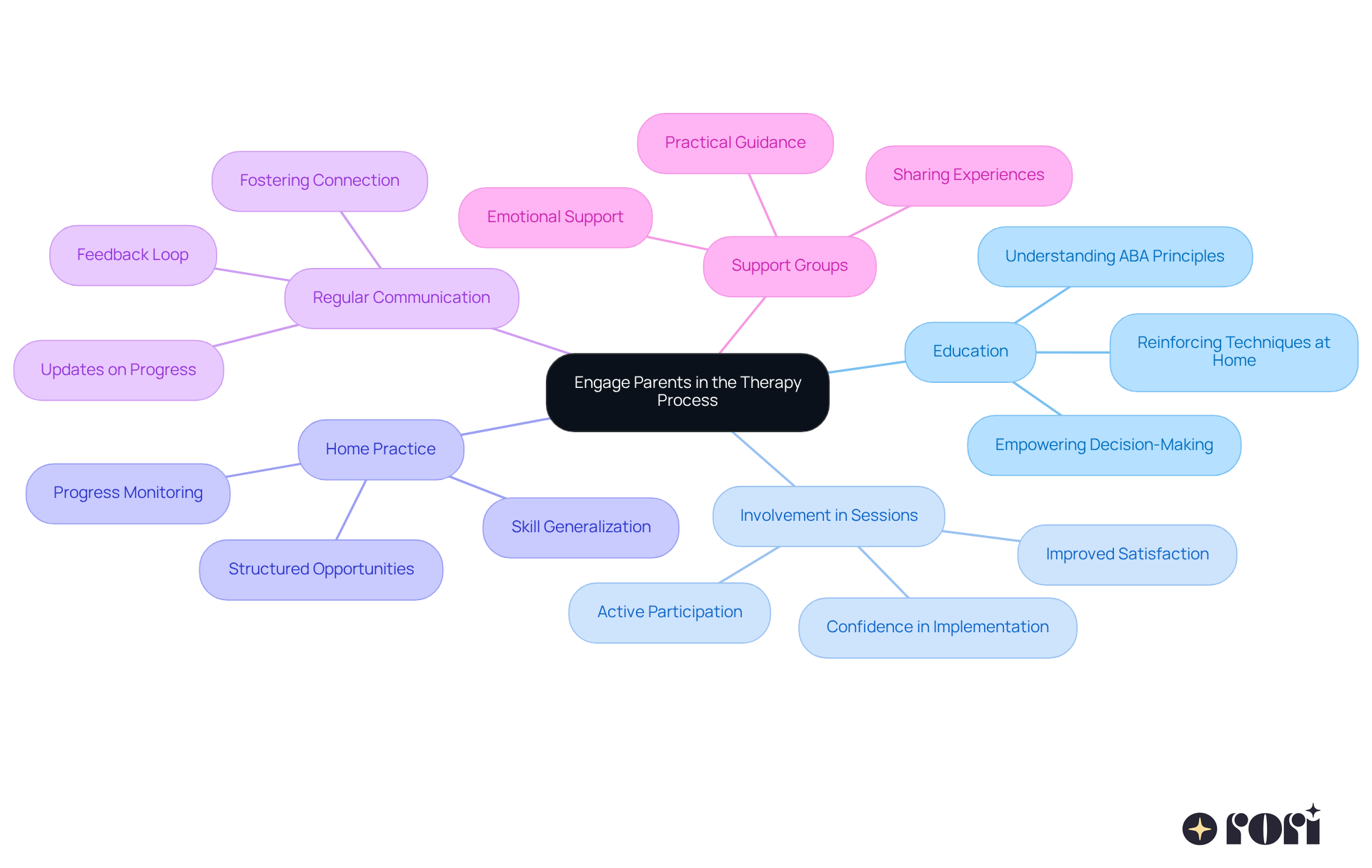
Parental involvement is so important in the treatment process for children with autism. Let’s explore some :
By actively engaging parents in the therapy process, caregivers can create a supportive network that significantly enhances the child's ability to thrive in their development while addressing phobias in autism through ABA therapy. We’re here to help you every step of the way!
Addressing phobias in children with autism through ABA therapy is a vital journey that combines understanding, strategy, and active participation. This approach not only focuses on the core principles of Applied Behavior Analysis but also emphasizes the importance of tailored interventions that cater to each child's unique needs. By fostering a supportive environment, caregivers and therapists can work together to empower children to confront and ultimately overcome their fears.
Let’s dive into some essential strategies! Techniques like systematic desensitization, positive reinforcement, and exposure therapy are designed to gradually help children face their fears. Each method reinforces positive behaviors and teaches coping mechanisms. Plus, the active involvement of parents in the therapy process is crucial for enhancing treatment outcomes. When parents understand ABA principles, participate in sessions, and keep communication open, it significantly contributes to their child's progress.
Ultimately, addressing phobias in autism isn’t just about overcoming fears; it’s about building resilience and fostering independence. By embracing ABA therapy principles and actively engaging in the therapeutic process, families can create a nurturing atmosphere that promotes growth and development. This collaborative effort not only benefits the child but also enriches the entire family dynamic, leading to a brighter future filled with possibilities. We’re here to help you every step of the way!
What is ABA therapy and why is it important for addressing phobias in autism?
ABA therapy, or Applied Behavior Analysis, is the science of actions and learning, focusing on observable behaviors and the role of the environment. It is important for addressing phobias in autism as it provides structured methods to help children confront and manage their fears.
What are the key principles of ABA therapy?
The key principles of ABA therapy include reinforcement, shaping, and generalization. Reinforcement involves providing rewards to encourage desired behaviors. Shaping strengthens small steps toward a larger goal. Generalization is about applying learned skills in various situations.
How does reinforcement work in ABA therapy?
Reinforcement in ABA therapy involves giving a reward, such as a high-five or a small treat, to encourage a child to engage in a desired behavior, like bravely approaching something they fear. This boosts their confidence and motivates them to continue facing their fears.
What is shaping in the context of ABA therapy?
Shaping is a process in ABA therapy where small steps toward a larger goal are reinforced. For example, if a child is afraid of dogs, they might first be rewarded for looking at a picture of a dog, then for watching a video, and finally for being near a real dog. This gradual approach helps build their confidence and reduce anxiety.
Why is generalization important in ABA therapy?
Generalization is crucial because it ensures that children can apply their coping skills in different settings outside of therapy. Practicing these skills in various situations helps them manage their fears more effectively in real-life scenarios.
What does research say about the effectiveness of ABA therapy for autism?
Research indicates that children who receive at least 80% of their recommended ABA therapy hours show significant improvements, particularly those starting with lower skills. The success rate of ABA therapy for autism is over 89%, demonstrating its effectiveness in addressing phobias.
How can caregivers support ABA therapy at home?
Caregivers can support ABA therapy by learning about its principles and strategies, which enables them to provide better assistance at home. This collaboration with professionals leads to more consistent and effective outcomes for the child.
What role do qualified behavior analysts play in ABA therapy?
Qualified behavior analysts are essential in crafting personalized intervention plans with clear goals and evidence-based methods. These plans ensure that the therapy is responsive to each child's progress and individual needs.
What ethical considerations are involved in ABA therapy?
Ethical considerations in ABA therapy include ensuring that interventions are respectful and beneficial to the child, as well as the importance of parental involvement in achieving the best results.