Art therapy is a wonderful way for children with autism to express themselves and explore their emotions. Through creative activities, these kids can tackle sensory processing challenges while also improving their communication and social skills. But you might be wondering: how can you, as a parent, bring art therapy techniques into your home to support your child's emotional and sensory growth?
This guide is here to help! We’ll dive into the amazing benefits of art therapy and arm you with the tools you need to support your child on this enriching journey. Let’s explore this together!
Art-based treatment is a wonderful way to help individuals express themselves and explore their emotions through creativity. For kids with autism, acts as a non-verbal outlet, enabling them to express feelings and experiences that might be difficult to articulate. This approach can really boost , enhance , and foster a sense of achievement.
When kids engage in , they often find a new way to understand themselves and express their thoughts. That’s why art is such a fantastic complement to like . At Rori Care, we truly believe in the power of social interaction group sessions led by skilled therapists. These sessions create a warm, nurturing environment where young people can connect, communicate, and build friendships.
Plus, our equip parents with effective techniques to support their children's growth. This comprehensive approach helps foster independence through . Just think about the from our programs! Many participants have gained confidence and improved their through , demonstrating its effectiveness in promoting emotional well-being.
Let’s explore this together! We’re here to help you every step of the way!

Children with autism often face processing challenges, which can lead to being either overly sensitive or less responsive to different stimuli. Did you know that nearly 90% of youth with autism experience sensitivities? This can make loud sounds, bright lights, or certain textures feel really uncomfortable. It’s no wonder that everyday environments can sometimes feel overwhelming and distressing for them.
can be a wonderful way to help young individuals manage these in a safe and controlled environment. Through like painting, sculpting, or drawing, kids can gradually get used to various textures and sensations. This not only helps them improve their integration skills but also reduces .
When kids participate in art therapy, they get to while also tackling their processing challenges. For instance, can help those who are sensitive to touch become more comfortable with different textures. This promotes a sense of control and confidence. As they explore their creativity, they also learn to handle their experiences better, which can lead to and .
In summary, serves as a powerful tool for youth with autism. Art therapy for sensory processing in children with autism helps them confront and adapt to their while promoting self-expression and emotional well-being. Let’s explore this together!
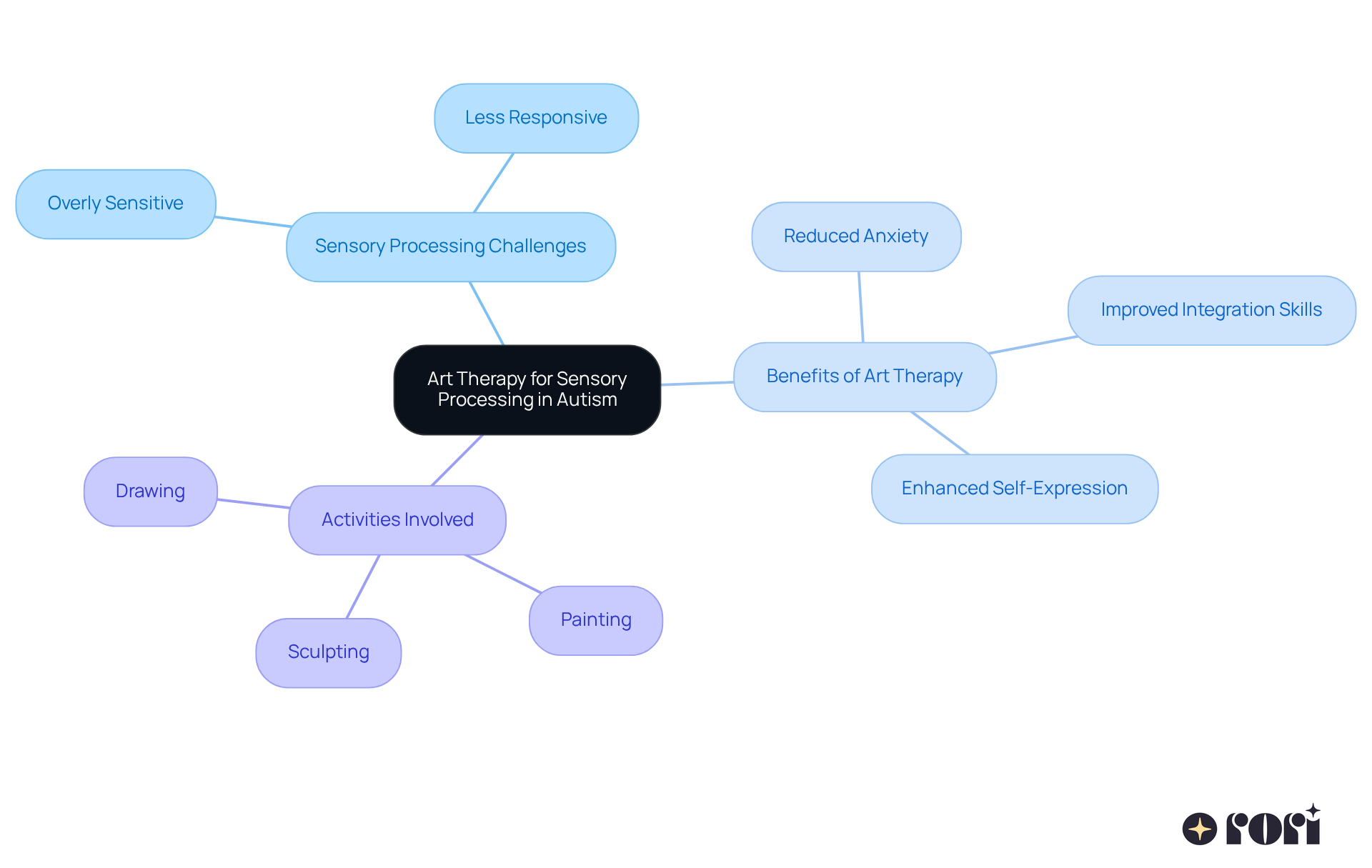
can be a game-changer, especially for boosting communication and . Think about it: engaging in creative activities allows these young ones to express feelings that might be tough to put into words. Whether it’s drawing or painting, they can convey emotions like frustration, joy, or sadness, giving them a vital outlet for expression.
Plus, art isn’t just about individual expression; it also encourages social interaction! can really enhance and foster teamwork among peers. It’s amazing to see how kids involved in often feel a -two key ingredients for their overall growth. In fact, research shows that 79% of participants report feeling more self-esteem and a better self-image after art sessions.
This therapeutic approach, such as , not only promotes but also creates a . It aligns perfectly with Rori Care's method, where led by trained therapists help improve social interactions and communication in a group setting, nurturing better relationships. Rori Care is all about embracing neurodiversity, and their skilled clinical leadership helps families navigate challenges while promoting .
So, if you’re looking for ways to support your child, let’s explore this together! We’re here to !

Applying at home can be such a rewarding experience for both you and your little ones! Here are some fun activities to consider:
By incorporating art therapy for into your child's routine, you’re creating a supportive environment that nurtures their . Let’s explore this together!
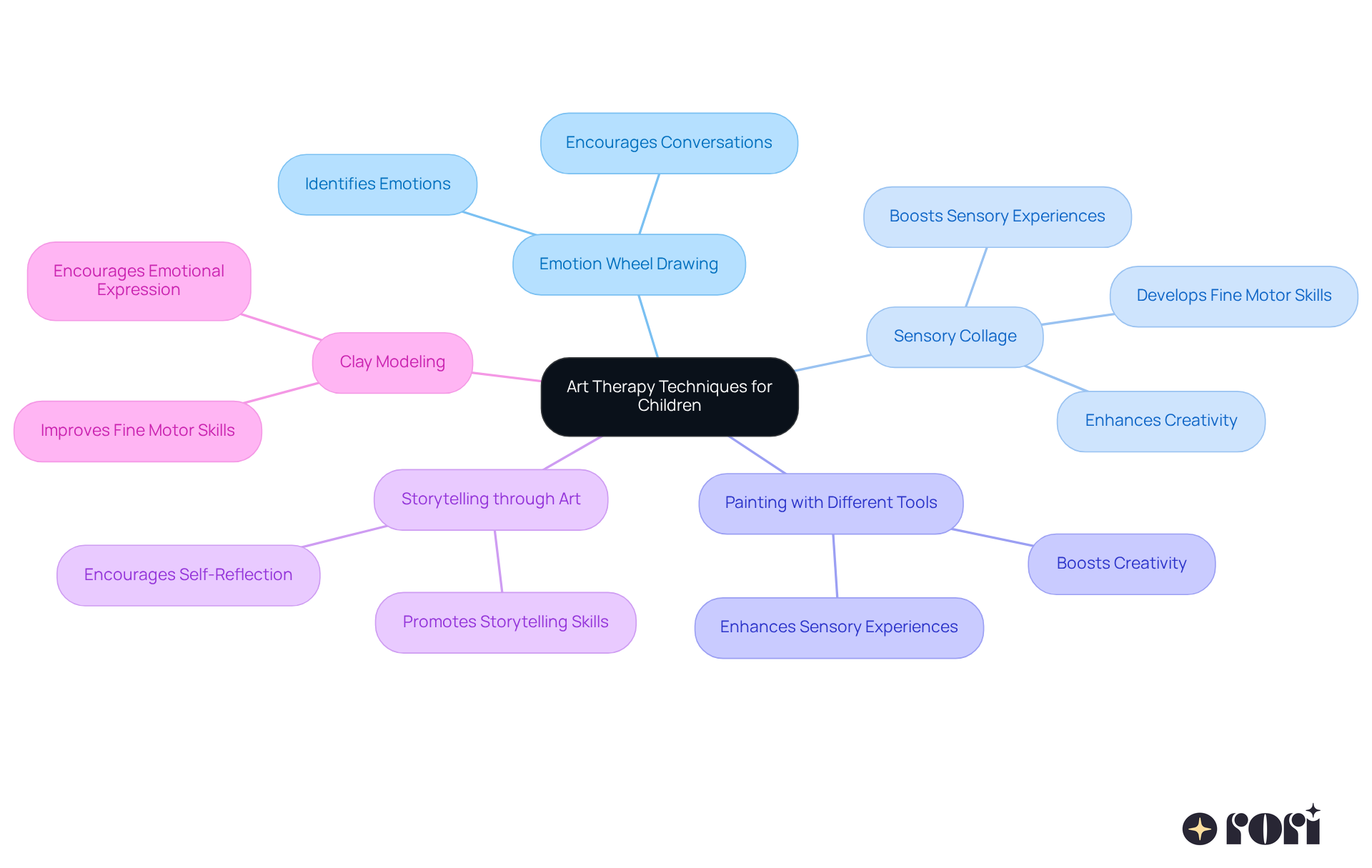
Art therapy shines as a wonderful approach for children with autism, especially when it comes to tackling sensory processing challenges. It offers a creative outlet that lets kids express their emotions and navigate their experiences without needing words. This method not only helps with emotional regulation but also builds social skills and fosters a sense of accomplishment. It truly is a valuable addition to traditional autism care strategies.
The article shares some key insights into how art therapy can help manage sensory processing difficulties. When children engage in artistic activities, they start to acclimate to different stimuli, which can reduce anxiety and promote a sense of control. Plus, the collaborative nature of art projects encourages communication and teamwork, boosting self-esteem and enhancing social interactions. These benefits fit perfectly with comprehensive care programs that support the overall development of children with autism.
Ultimately, embracing art therapy in autism care isn’t just about enhancing individual expression; it’s about creating a nurturing environment where children can thrive emotionally and socially. Parents are encouraged to explore art therapy techniques at home, integrating creative activities that support their child's sensory and emotional growth. By doing this, they’re contributing to a brighter future for their children-one where they can communicate freely, connect with others, and navigate the world with confidence. Let’s explore this together!
What is art therapy and how does it benefit individuals with autism?
Art therapy is an art-based treatment that helps individuals express themselves and explore their emotions through creativity. For children with autism, it serves as a non-verbal outlet, allowing them to articulate feelings and experiences that may be difficult to express otherwise. This approach can enhance emotional control, social skills, and foster a sense of achievement.
How does art therapy complement traditional behavioral therapies?
Art therapy complements traditional behavioral therapies, such as Applied Behavior Analysis (ABA), by providing a creative means for children to understand themselves and express their thoughts. It offers an additional method for emotional expression and can enhance the overall therapeutic experience.
What role do social interaction group sessions play in art therapy?
Social interaction group sessions, led by skilled therapists, create a warm and nurturing environment where young people can connect, communicate, and build friendships. These sessions are an integral part of the art therapy approach, promoting social skills and emotional well-being.
How do caregiver training programs support children with autism in the context of art therapy?
Caregiver training programs equip parents with effective techniques to support their children's growth. This comprehensive approach fosters independence through essential skill development, enhancing the overall impact of art therapy on children's emotional and social skills.
What evidence exists to support the effectiveness of art therapy for children with autism?
Success stories from programs that incorporate art therapy demonstrate its effectiveness in promoting emotional well-being. Many participants have reported increased confidence and improved social skills as a result of engaging in art therapy activities.