Introduction
Understanding the complexities of academic achievement in children with autism can feel overwhelming, especially when traditional educational methods just don’t seem to work. But here’s where Applied Behavior Analysis (ABA) comes in! It offers a structured approach that not only boosts learning but also nurtures essential skills through personalized interventions.
As parents, educators, and therapists search for effective strategies, a key question arises: how can we work together to implement ABA techniques so every child can reach their full academic potential? This article dives into the incredible power of ABA strategies, sharing insights and practical steps to enhance educational outcomes for children with autism. Let’s explore this journey together!
Understand ABA Therapy and Its Role in Academic Success
Applied Behavior Analysis (ABA) is a scientifically validated approach that focuses on understanding and modifying behavior through structured interventions. is effective in by encouraging positive behaviors and reducing those that might hinder learning.
- Core Principles of ABA: At its heart, ABA is grounded in behaviorism, which means it believes that behaviors can be learned and unlearned through reinforcement and consequences. Think of it like this: key techniques such as positive reinforcement, prompting, and task analysis help break down complex skills into bite-sized steps, making learning feel more manageable.
- : For children with autism, learning environments can be tricky. They might struggle with attention, communication, and social interactions. That’s where come in! They create an organized educational setting that boosts engagement and motivation-both crucial for success. For instance, kids who undergo intensive ABA therapy often show remarkable improvements in IQ and adaptive skills, which play a significant role in boosting academic achievement in children with autism through ABA interventions, leading to better educational outcomes and smoother integration into mainstream classrooms. Plus, ABA therapy can also work wonders for individuals with ADHD and learning disabilities by offering tailored strategies that meet their unique needs.
- Evidence of Effectiveness: Research consistently shows that kids who participate in ABA therapy make , like reading, math, and social skills. A meta-analysis of randomized controlled trials found among youth with autism engaged in ABA therapy. This evidence really highlights how important it is to in children with autism through ABA interventions into educational methods, ensuring individuals have the tools they need for educational success and lifelong growth. Rori Care takes ABA therapy up a notch with its innovative behavior care engine, which conducts and generates automatic progress reports for clinicians. This tech frees up 50% more time for youth treatment, allowing for more focused and effective interventions. And let’s not forget, the US Surgeon General backs ABA as an effective, that plays a crucial role in boosting academic achievement in children with autism through ABA interventions and lifelong learning.
Let’s explore this together! If you’re looking for ways to support your child’s learning journey, we’re here to help you every step of the way!

Implement Effective ABA Strategies for Academic Improvement
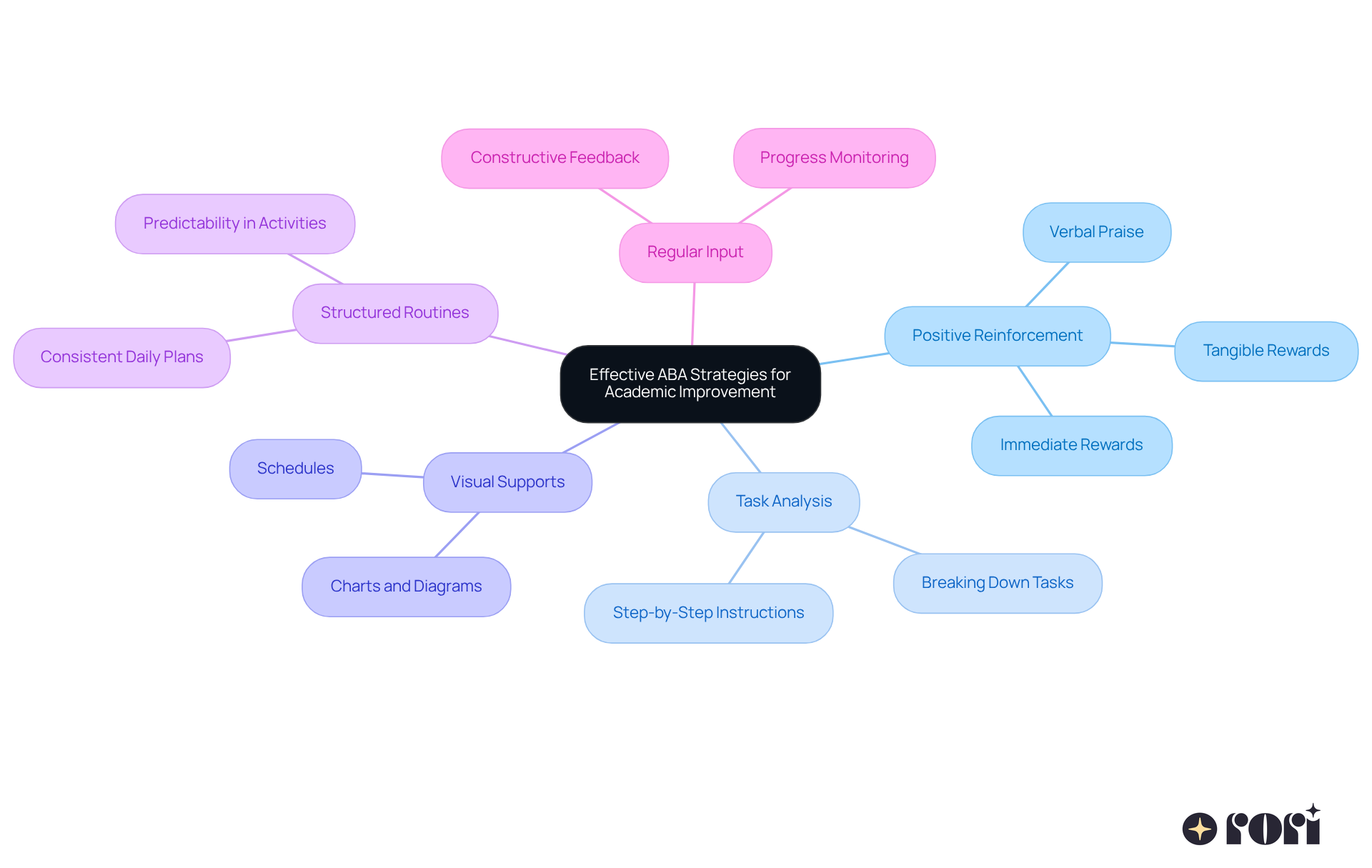
To effectively boost academic achievement in children with autism, let’s explore some :
- : Think of rewards as a way to encourage those desired behaviors! A simple "great job!" or a small treat can motivate a young learner to tackle homework or join in class activities. Research shows that through ABA interventions is more likely when kids receive immediate rewards after positive actions, which encourages them to repeat those behaviors and creates a supportive learning environment.
- : Breaking down complex tasks into smaller, manageable steps can really help. This approach makes it easier for kids to understand what’s expected of them and reduces frustration. For example, when teaching a math problem, clearly outline each step before expecting the student to solve it on their own. Studies indicate that task analysis can enhance educational outcomes, thereby boosting academic achievement in children with autism through ABA interventions by providing clarity and structure.
- : Visual aids like charts, diagrams, and schedules can be game-changers! They help enhance understanding and retention of information. For many individuals with autism, make processing information easier, thereby boosting academic achievement in children with autism through ABA interventions.
- : Establishing consistent routines can provide predictability, which is so important for reducing anxiety and improving focus. A daily plan that outlines specific times for educational activities helps kids know what to expect, creating a sense of safety and readiness to learn.
- : Offering prompt and constructive feedback is key to strengthening understanding. This approach helps young learners see their progress and identify areas for improvement, nurturing a growth mindset. Research emphasizes that boosting academic achievement in children with autism through ABA interventions can increase student engagement and reduce disruptive behavior, leading to a more effective educational environment.
Alongside these strategies, is crucial. Educating caregivers enhances support, informed decision-making, and leads to better behavioral outcomes, ultimately benefiting the development and learning experiences of our young ones.
Let’s work together to create the best learning environment for our children!
Foster Collaboration Between Parents, Therapists, and Educators
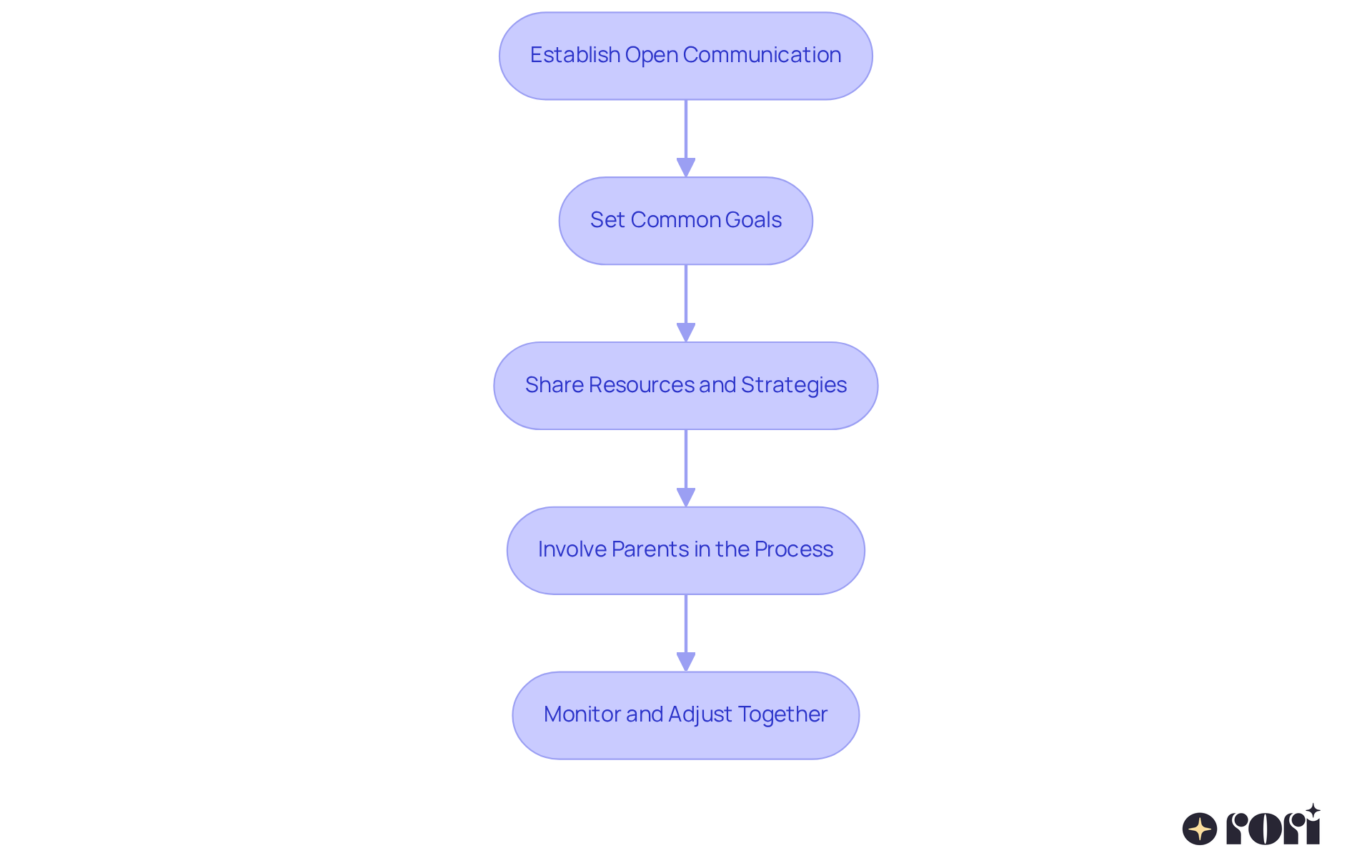
Collaboration is key to making the most of in educational settings. Let’s dive into some to :
- Establish : It’s so important to create regular channels for dialogue among parents, therapists, and educators. Think about scheduling meetings, sending emails, or using shared digital platforms to chat about the student’s progress and strategies. Keeping everyone in the loop makes a big difference!
- : Aligning on specific academic and behavioral objectives for the student is crucial. When everyone is on the same page, it enhances consistency in interventions, ensuring that all efforts are directed toward the same outcomes.
- : Encourage the exchange of successful strategies and resources among parents and educators. How about hosting training sessions or workshops led by therapists? This way, parents and teachers can learn together, creating a collaborative educational atmosphere.
- Involve Parents in the Process: is vital. By including them in decision-making and strategy implementation, you boost their confidence in supporting their child’s learning at home. It’s a win-win!
- : Regularly reviewing the student’s progress as a team is essential. Making necessary adjustments to strategies ensures that interventions remain effective and responsive to the individual’s evolving needs.
By promoting open dialogue and collaboration, families can significantly enhance their child’s educational achievement, which is essential for boosting academic achievement in children with autism through ABA interventions. Let’s explore this together!
Monitor Progress and Adapt Interventions for Continuous Improvement
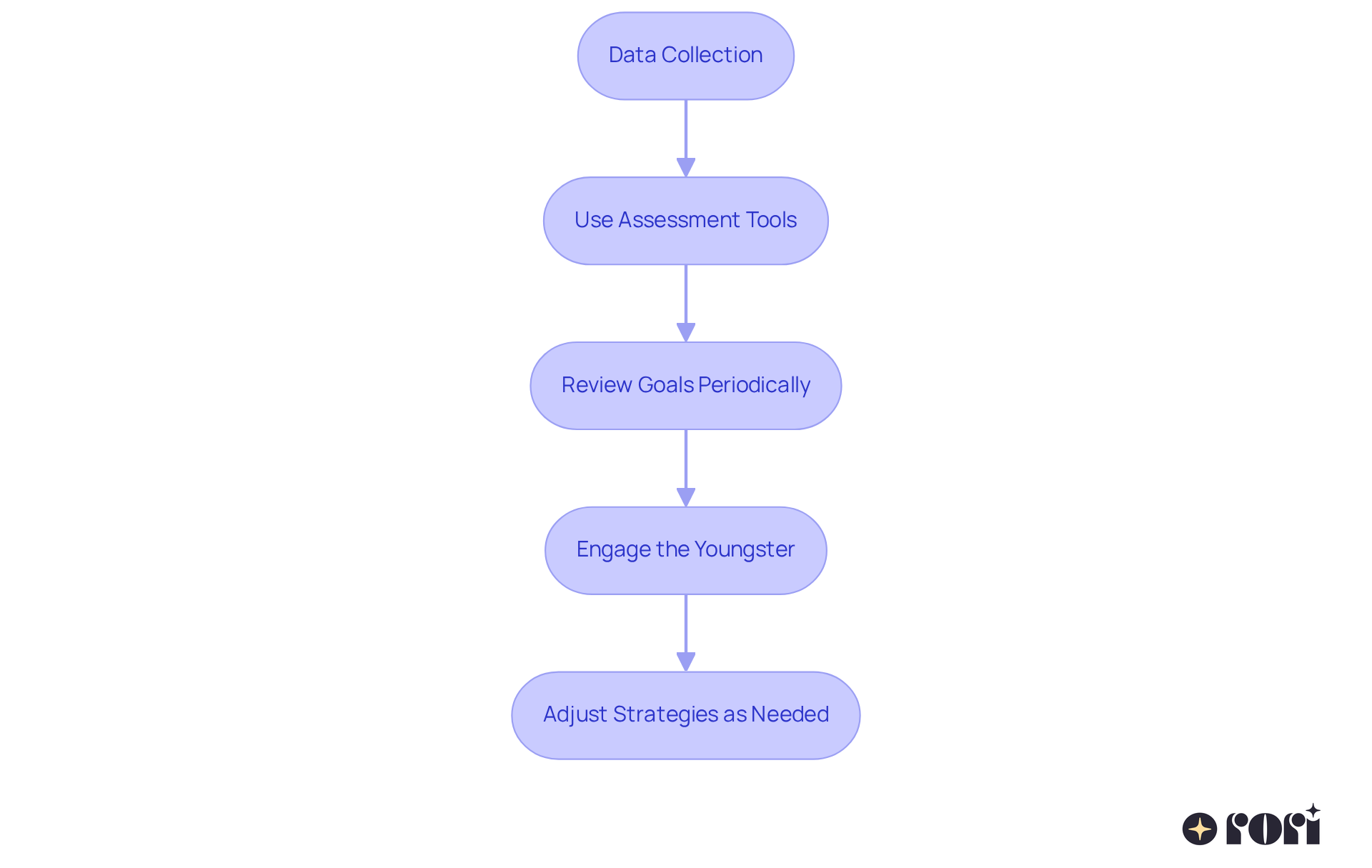
To maximize the effectiveness of in children with autism through ABA interventions, it’s crucial to as needed. Here’s how you can do that:
- : Make it a habit to gather data on your child’s academic performance - think grades, participation, and specific learning behaviors. This ongoing check-in is key to spotting trends and figuring out where they might need a little extra help.
- : Don’t forget to use standardized assessments and observational checklists to see how your child is doing. Tools like the can give you great insights into areas where they might need more support.
- Review Goals Periodically: Set specific times to check in on your child’s goals and progress. Regular assessments mean you can quickly adjust strategies, making sure everything stays in sync with their changing needs.
- Engage the Youngster: Encourage your child to take part in tracking their own progress. When they feel a sense of ownership in their learning, it can really boost their motivation and engagement!
- : Stay flexible! If something isn’t working, don’t hesitate to try different methods or add extra support to help your child thrive.
By following these steps, you can ensure that ABA interventions are effectively tailored to support boosting academic achievement in children with autism through ABA interventions. Let’s explore this together! We’re here to !
Conclusion
Boosting academic achievement in children with autism through ABA strategies isn’t just a possibility; it’s a proven pathway to success! By using structured interventions that highlight positive behaviors and tackle learning barriers, ABA therapy truly enhances educational outcomes for these kids. It creates a supportive environment where they can thrive both academically and socially, making it easier for them to integrate into mainstream classrooms.
Key strategies like positive reinforcement, task analysis, visual supports, and structured routines are essential for fostering an effective learning atmosphere. These techniques not only clarify expectations but also motivate children to actively engage with their education. Plus, collaboration among parents, therapists, and educators is crucial for keeping things consistent and adapting interventions to meet changing needs. Continuous monitoring and adjusting of strategies ensure that each child gets the tailored support they need for growth.
The importance of implementing ABA strategies goes beyond just immediate academic success; it lays the foundation for lifelong learning and development. When caregivers and educators join forces, they can create an enriching educational experience that empowers children with autism to reach their fullest potential. Embracing these evidence-based methods not only benefits individual learners but also helps create a more inclusive and understanding educational landscape for everyone.
Let’s explore this together! We’re here to help you every step of the way!
Frequently Asked Questions
What is ABA therapy?
ABA therapy, or Applied Behavior Analysis, is a scientifically validated approach that focuses on understanding and modifying behavior through structured interventions. It is effective in enhancing academic achievement in children with autism by encouraging positive behaviors and reducing those that hinder learning.
What are the core principles of ABA?
The core principles of ABA are grounded in behaviorism, which posits that behaviors can be learned and unlearned through reinforcement and consequences. Key techniques include positive reinforcement, prompting, and task analysis, which help break down complex skills into manageable steps.
How does ABA therapy benefit children with autism in educational settings?
ABA therapy creates an organized educational environment that enhances engagement and motivation, which are crucial for success. Children who undergo intensive ABA therapy often show significant improvements in IQ and adaptive skills, leading to better academic outcomes and smoother integration into mainstream classrooms.
Can ABA therapy help children with other learning challenges?
Yes, ABA therapy can also benefit individuals with ADHD and learning disabilities by providing tailored strategies that address their unique needs.
What evidence supports the effectiveness of ABA therapy?
Research consistently shows that children participating in ABA therapy make significant gains in educational skills, such as reading, math, and social skills. A meta-analysis of randomized controlled trials found notable improvements in social skills and communication among youth with autism engaged in ABA therapy.
What innovative features does Rori Care offer in ABA therapy?
Rori Care enhances ABA therapy with its innovative behavior care engine, which conducts functional behavior analysis and generates automatic progress reports for clinicians. This technology allows for 50% more time for youth treatment, enabling more focused and effective interventions.
Is ABA therapy recognized by health authorities?
Yes, the US Surgeon General endorses ABA as an effective, evidence-supported therapy that plays a crucial role in boosting academic achievement in children with autism and promoting lifelong learning.
List of Sources
- Understand ABA Therapy and Its Role in Academic Success
- Applied Behavior Analysis (ABA) Statistics: Data, Effectiveness, and Evidence-Based Practices (https://nexoaba.com/applied-behavior-analysis-statistics)
- Success Rates of ABA Therapy | Advanced Autism Services (https://advancedautism.com/post/success-rates-of-aba-therapy)
- supportivecareaba.com (https://supportivecareaba.com/statistics/the-impact-of-aba-therapy-on-academic-success-for-children-with-autism)
- Implement Effective ABA Strategies for Academic Improvement
- 10 Powerful Autism ABA Quotes That Inspire Change – Rori Blog (https://rori.care/post/10-powerful-autism-aba-quotes-that-inspire-change)
- The impact of positive reinforcement on long-term behavior change (https://mastermindbehavior.com/post/the-impact-of-positive-reinforcement-on-long-term-behavior-change)
- The Role of Positive Reinforcement in Autism Therapy | Advanced Autism Services (https://advancedautism.com/post/the-role-of-positive-reinforcement-in-autism-therapy)
- How ABA supports academic success for children with autism (https://crossrivertherapy.com/articles/how-aba-supports-academic-success-for-children-with-autism)
- Inspirational ABA and Autism Quotes - Mrs. Moe's Modifications (https://mrsmoesmodifications.com/inspirational-aba-and-autism-quotes)
- Foster Collaboration Between Parents, Therapists, and Educators
- The Role of Parent Training in Supporting ABA Therapy Success | Discovery ABA (https://discoveryaba.com/aba-therapy/the-role-of-parent-training-in-supporting-aba-therapy-success)
- trueuaba.com (https://trueuaba.com/why-parent-collaboration-creates-positive-aba-therapy-results)
- intellistarsaba.com (https://intellistarsaba.com/blog/how-parent-involvement-impacts-aba-therapy-outcomes)
- Best Autism Quotes to Raise Awareness and Understanding (https://yellowbusaba.com/post/autism-quotes)
- Monitor Progress and Adapt Interventions for Continuous Improvement
- Applied Behavior Analysis (ABA) Statistics: Data, Effectiveness, and Evidence-Based Practices (https://nexoaba.com/applied-behavior-analysis-statistics)
- Autism Quotes | Intellistars - ABA Therapy (https://intellistarsaba.com/blog/autism-quotes)
- magnetaba.com (https://magnetaba.com/blog/aba-strategies-for-school-success)
- The Importance of Data Collection in ABA Therapy | Discovery ABA (https://discoveryaba.com/aba-therapy/the-importance-of-data-collection-in-aba-therapy-cec7b)
- Data Collection in ABA Therapy for Children with Autism (https://striveabaconsultants.com/data-collection-in-aba-therapy-for-child-with-autism)