Autism Spectrum Disorder (ASD) can be quite a journey for families, especially when it comes to social interactions. Many children find it tough to connect with their peers, and that desire for friendship often bumps up against challenges in communication and understanding social cues. It’s a tough spot to be in, and many parents are left wondering how to help their child build those important social skills.
So, how can caregivers and therapists team up to create a nurturing environment? One that truly empowers children with autism to thrive socially? 🤔 This article is here to explore some innovative approaches and best practices that can make a real difference in autism therapy. Together, we can work towards improving social connections and enriching lives. Let’s dive in and discover how we can support our kids on this journey!
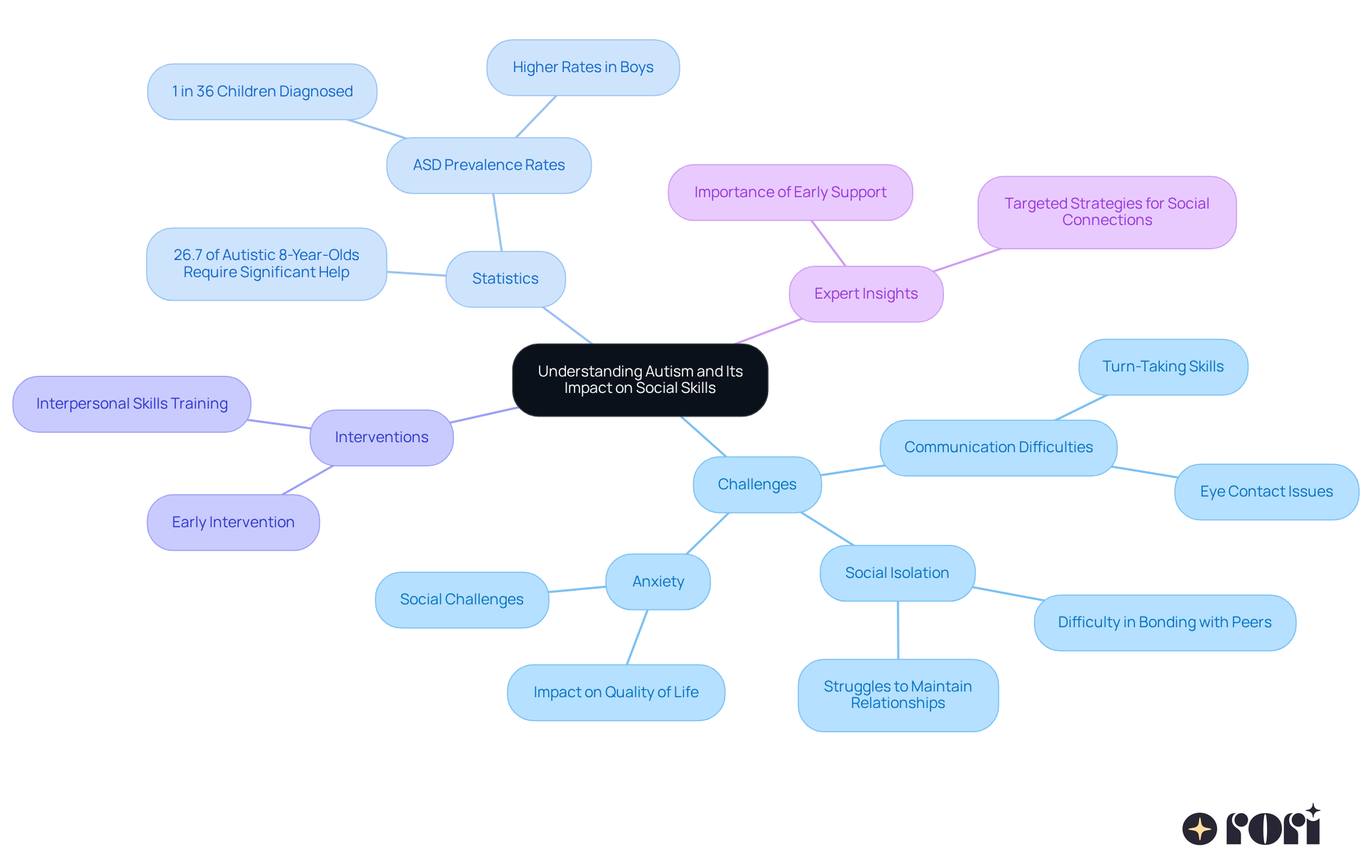
Autism Spectrum Disorder (ASD) brings along a variety of challenges, especially when it comes to communication and interaction. Kids on the spectrum often find it tough to read social cues, keep conversations going, and benefit from building . This can lead to feelings of isolation, making it hard for them to bond with their peers. Interestingly, many young people with developmental disorders really want to connect with others but often struggle to start or maintain those relationships. For example, research shows that about , which can make communication even trickier.
The are quite significant. Many show noticeable difficulties in essential skills like turn-taking and making eye contact - both crucial for effective interactions. Thankfully, has proven to be beneficial, focusing on these specific behaviors to . Plus, the American Academy of Pediatrics highlights how important is; getting support early on can lead to better developmental outcomes.
Experts point out that while kids with developmental disorders face unique challenges in interacting, in autism therapy. As one researcher noted, "Many young individuals with developmental disorders experience anxiety and social challenges, which can further impact their quality of life and development." Understanding these nuances is key to creating that help individuals with autism navigate social situations successfully.
Let’s explore this together! By recognizing these challenges and seeking out resources, we can make a real difference in the lives of these children and their families.
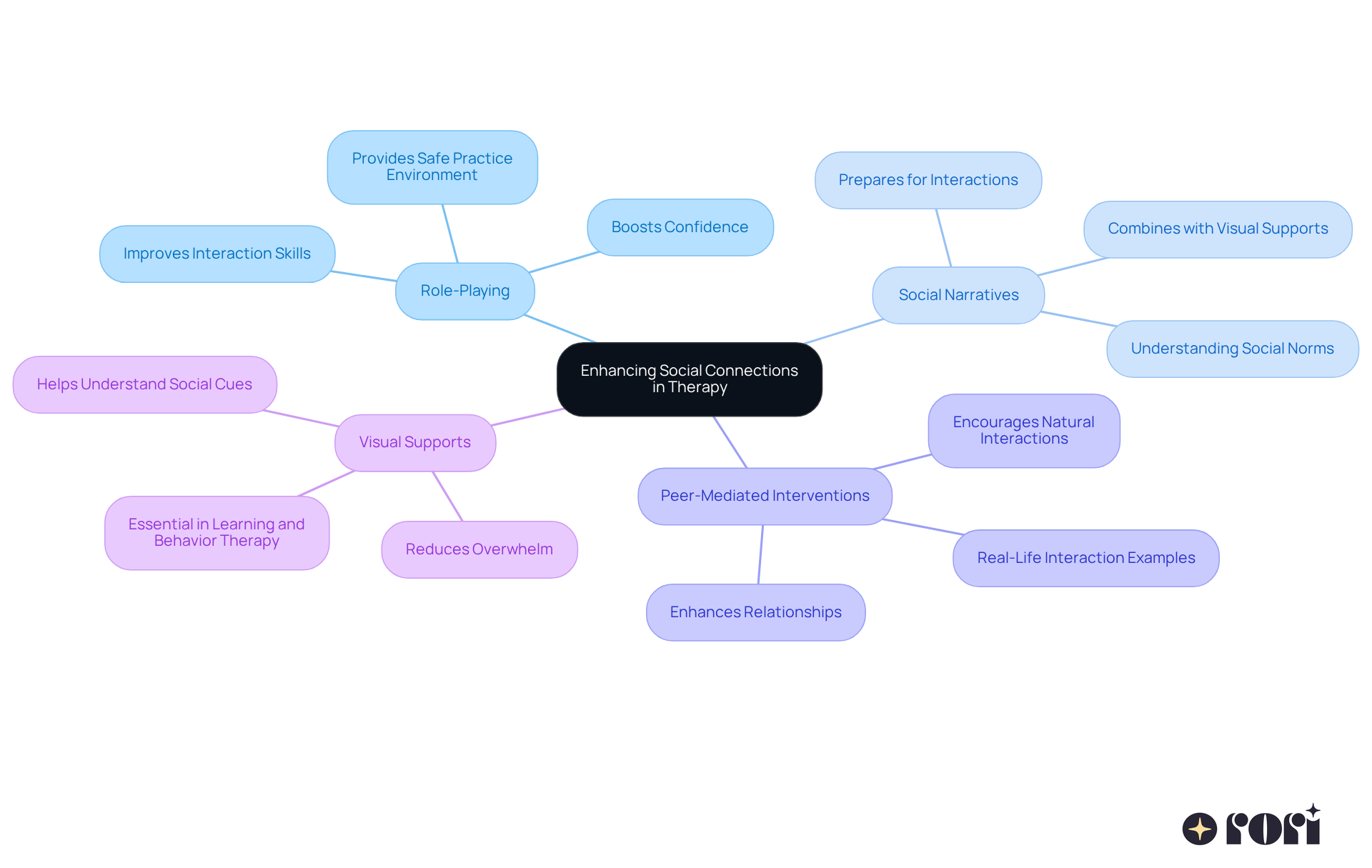
Enhancing can be a game-changer for kids, and there are some that can really help!
By implementing these strategies, you can significantly boost your child’s ability to connect with others, which is crucial for and navigating social environments. This is especially beneficial for kids with Autism Spectrum Disorders, ADHD, Social Communication Disorders, and Anxiety Disorders. If you’re looking to enhance your child’s and confidence, let’s explore this together! We’re here to help you every step of the way!
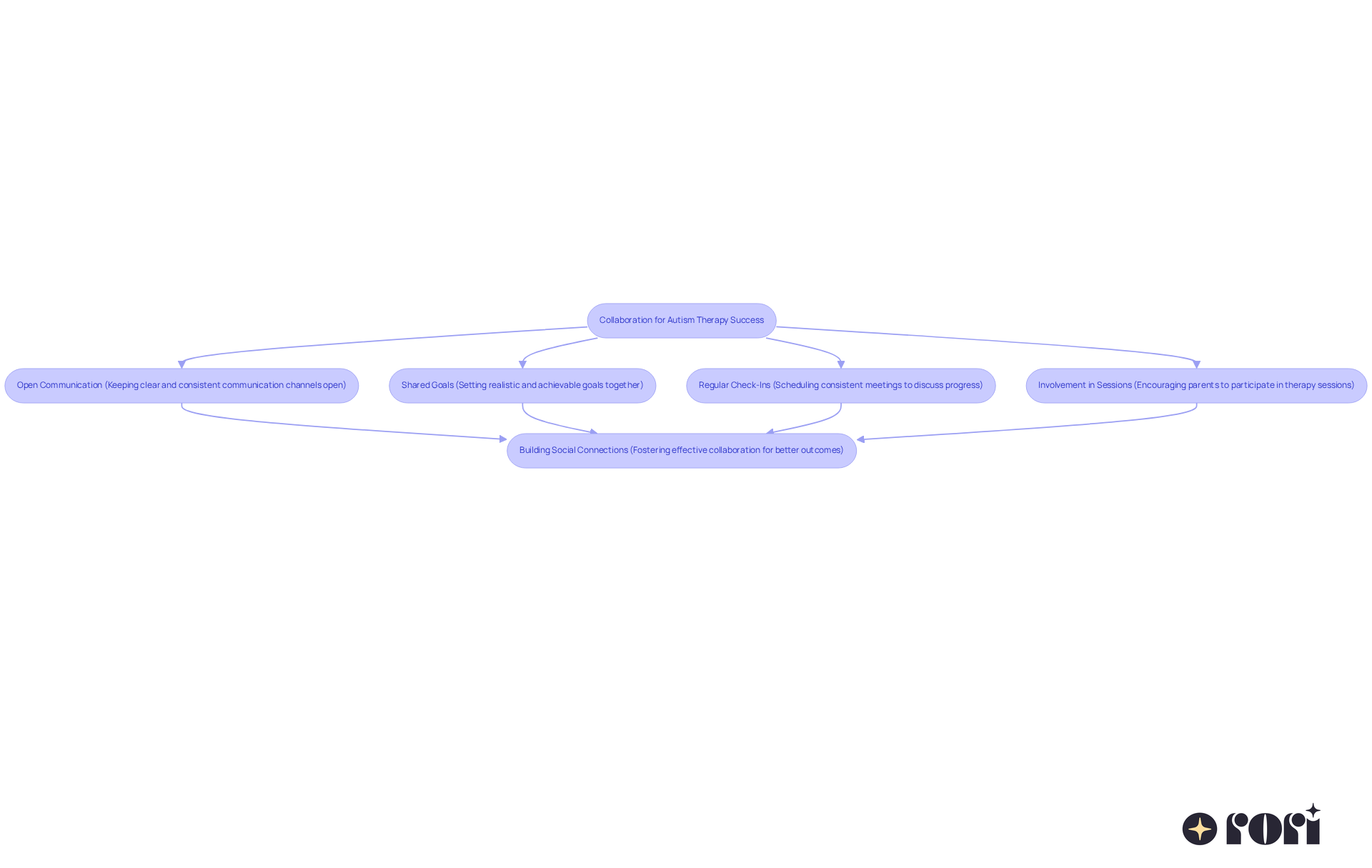
Collaboration between parents and therapists is so important for the success of ! Parents are often the best advocates for their children, offering invaluable insights into their behavior and preferences. Let’s dive into some key practices that can help foster :
By focusing on , families can significantly . This often leads to enhanced interpersonal abilities and connections. Active caregiver involvement, supported by Rori Care's comprehensive and compassionate ABA treatment, can lead to remarkable progress in behavioral improvements. Plus, equips parents with the knowledge and techniques they need to support their child’s behavioral objectives, ultimately fostering better interpersonal skills and relationships.
Let’s explore this together! We’re here to help you every step of the way!
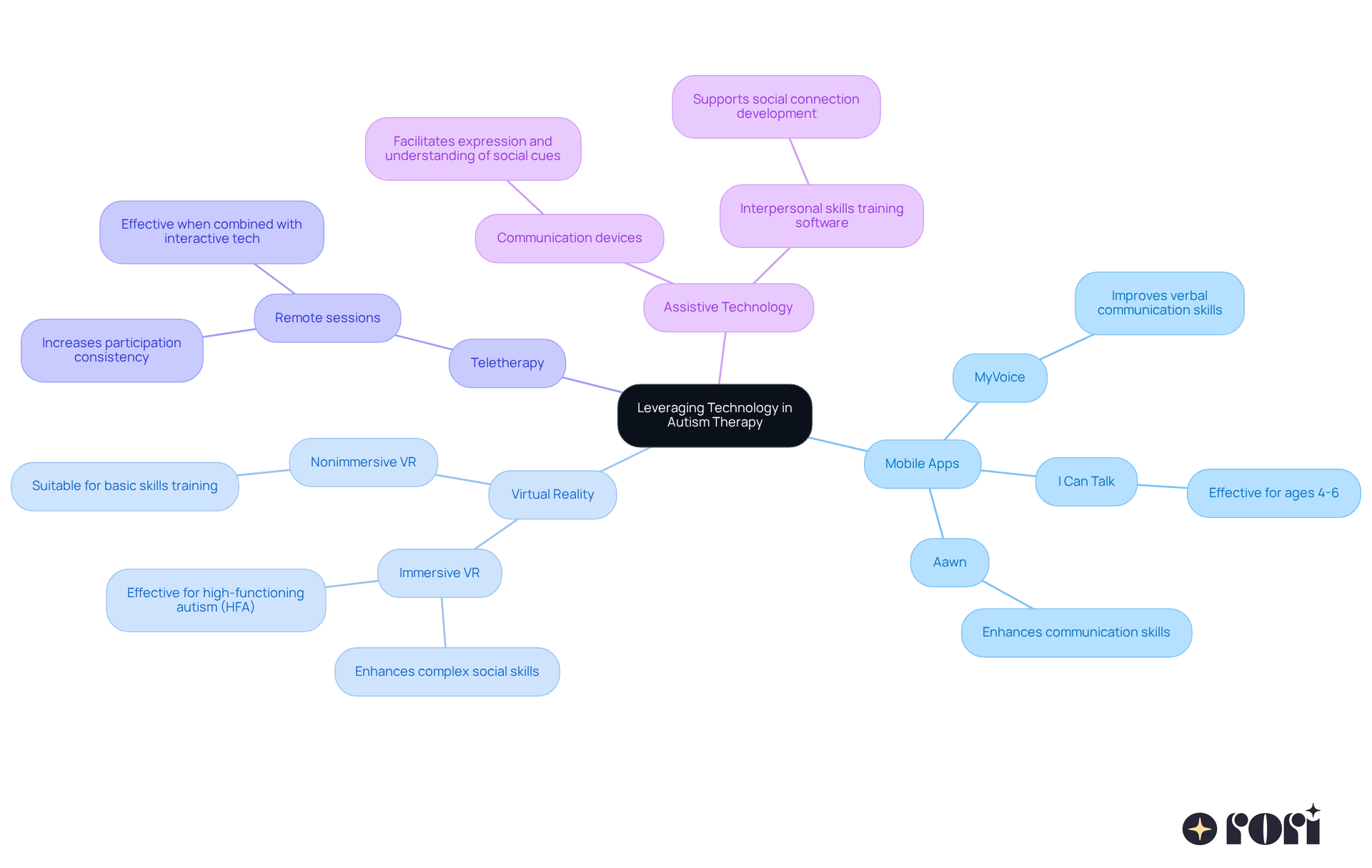
Technology plays a crucial role in , providing creative tools and applications that significantly help young people with autism develop their interpersonal skills.
By embracing these technological advancements, families and therapists can create a more dynamic and effective therapy experience focused on for youth with developmental disorders. Integrating mobile apps and VR into therapy practices marks a significant step forward in tackling the unique challenges faced by children with autism, ultimately nurturing their social skills and independence.
Let’s explore this together! We’re here to help you every step of the way!
Building social connections is so important for children with Autism Spectrum Disorder (ASD). It really influences their overall development and quality of life! The strategies we’ve discussed highlight how targeted interventions can not only boost social skills but also help foster meaningful relationships. Think about practical techniques like:
These can create a nurturing environment that encourages social interaction and communication.
One key insight is the vital role of collaboration between parents and therapists. When parents and therapists work together, it can lead to more effective therapy outcomes. Open communication, shared goals, and regular check-ins are essential to keep therapy relevant and impactful. Plus, leveraging technology - like mobile apps and virtual reality - opens up innovative ways to reinforce social skills in a safe and engaging manner. These tools can really enhance the therapy experience and help children navigate social situations more effectively.
Ultimately, fostering social connections in autism therapy isn’t just about improving communication skills; it’s about empowering children to build relationships that enrich their lives. By implementing these strategies and embracing collaboration, families can truly make a difference in their child's journey. Committing to enhance social skills through both traditional methods and technology will pave the way for greater independence and social competence. It really underscores the importance of community and support in the lives of children with autism.
Let’s explore this together! We’re here to help you every step of the way!
What is Autism Spectrum Disorder (ASD)?
Autism Spectrum Disorder (ASD) is a developmental disorder that presents various challenges, particularly in communication and social interaction.
What social skills difficulties do children with ASD face?
Children with ASD often struggle to read social cues, maintain conversations, and build social connections, which can lead to feelings of isolation.
Do children with ASD want to connect with others?
Yes, many young people with developmental disorders desire to connect with others but often find it difficult to initiate or sustain relationships.
How prevalent are communication difficulties among autistic children?
Research indicates that about 26.7% of autistic 8-year-olds in the U.S. require significant assistance due to severe developmental issues, which complicate communication.
What specific communication skills do children with developmental disorders struggle with?
Many children show difficulties in essential skills such as turn-taking and making eye contact, which are crucial for effective social interactions.
How can interpersonal skills training help children with ASD?
Organized interpersonal skills training has been shown to be beneficial by focusing on specific behaviors to enhance social competence in children with developmental disorders.
Why is early intervention important for children with ASD?
The American Academy of Pediatrics emphasizes that early intervention can lead to better developmental outcomes for children with autism.
What are some challenges faced by children with developmental disorders in social situations?
Children with developmental disorders often experience anxiety and social challenges, which can negatively impact their quality of life and development.
How can understanding the challenges faced by children with ASD help?
Recognizing these challenges is essential for creating effective strategies that assist individuals with autism in successfully navigating social situations.