Creating visual resources for autism education isn’t just a helpful strategy; it’s a vital part of unlocking the potential of children on the spectrum. Visual aids like schedules, choice boards, and social stories are powerful tools that can enhance communication, reduce anxiety, and foster independence. But here’s the challenge: how can educators and caregivers design and implement these resources to truly meet the diverse needs of each child?
Let’s dive into this together! This guide explores essential steps for crafting customized visual supports that can transform educational experiences and empower young learners with autism. We’re here to help you every step of the way!
plays a vital role in tapping into the unique strengths of kids on the spectrum. Think about tools like visual schedules, choice boards, and social stories - they help clarify expectations, ease anxiety, and promote independence. Did you know that around 35% of autistic youth are non-verbal or minimally verbal? This really highlights the need for .
Many children with autism thrive when creating visual resources for autism education is used instead of verbal information. For instance, research shows that using graphical aids can lead to significant improvements in on-task behaviors and . Some kids even see their conversation engagement levels jump from baseline averages of 2-20% to 6-28% during interventions! By incorporating into learning environments, educators and parents are creating visual resources for autism education that and social interactions. This ultimately helps kids manage their educational experiences more effectively.
The positive impact of visual supports is further illustrated in case studies, where participants demonstrated . These findings really showcase the potential of creating visual resources for autism education to foster a supportive and engaging educational atmosphere for individuals with autism. Plus, , led by trained therapists, can further enhance these interactions, helping kids build better relationships with their peers.
It's also essential to empower caregivers with to support young people's behavioral goals. This ensures a consistent and nurturing environment. Let’s explore this together! We’re here to !
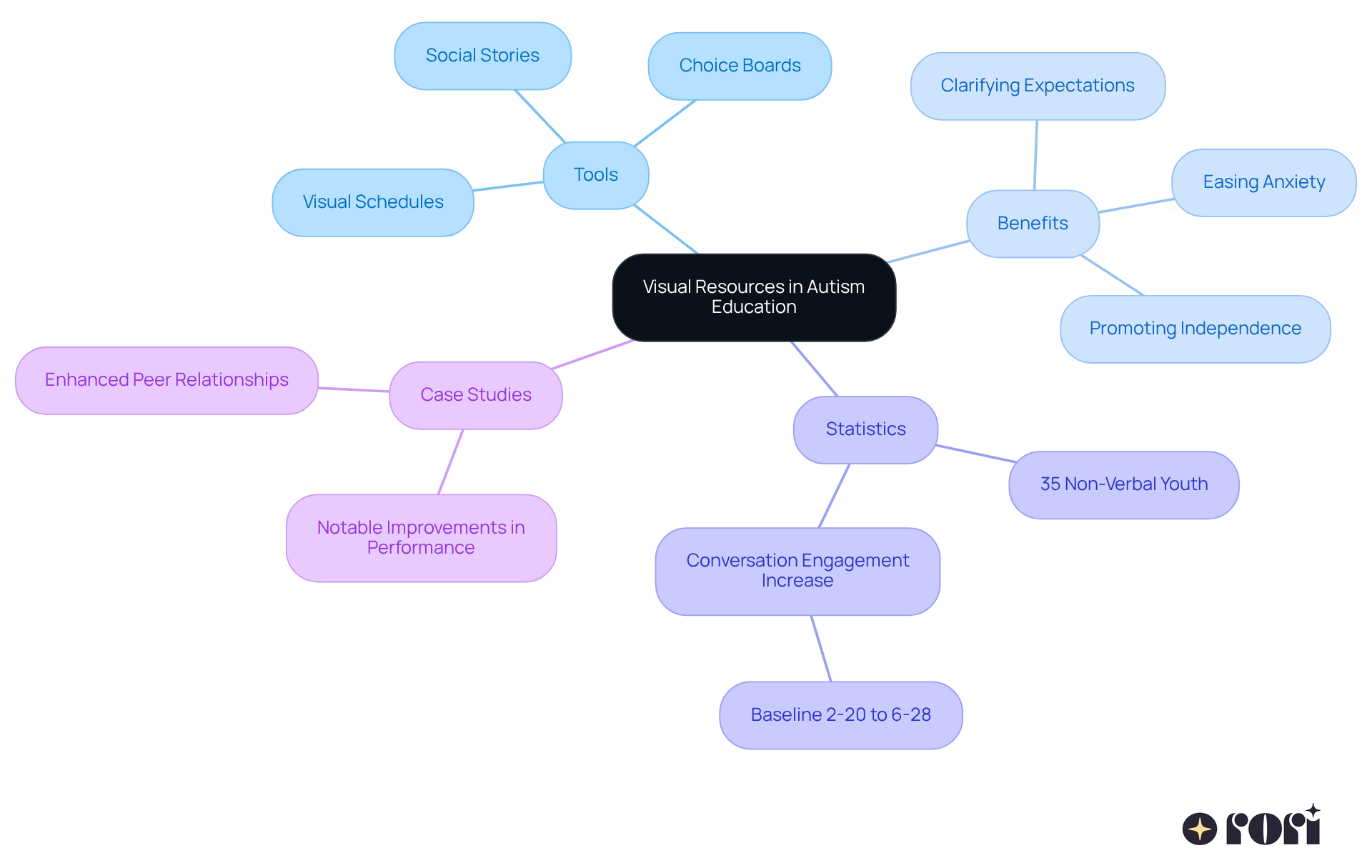
The importance of creating cannot be overstated! They offer various tools that can really enhance learning and communication for our kids. Let’s take a look at some key types:
By integrating these graphical tools into educational settings, parents and educators can aid the learning and growth of individuals with autism by creating visual resources for autism education. This approach aligns beautifully with the principles of , focusing on individualized planning, measurable goals, and ongoing evaluation. Ultimately, these strategies can help our kids flourish!
Let’s explore this together and see how we can make a difference!

Creating customized can be a rewarding journey, and it involves a few essential steps that can make a big difference:
By following these steps, educators and parents can engage in for autism education that for kids with autism. Together, we can promote a more ! Let’s explore this together!
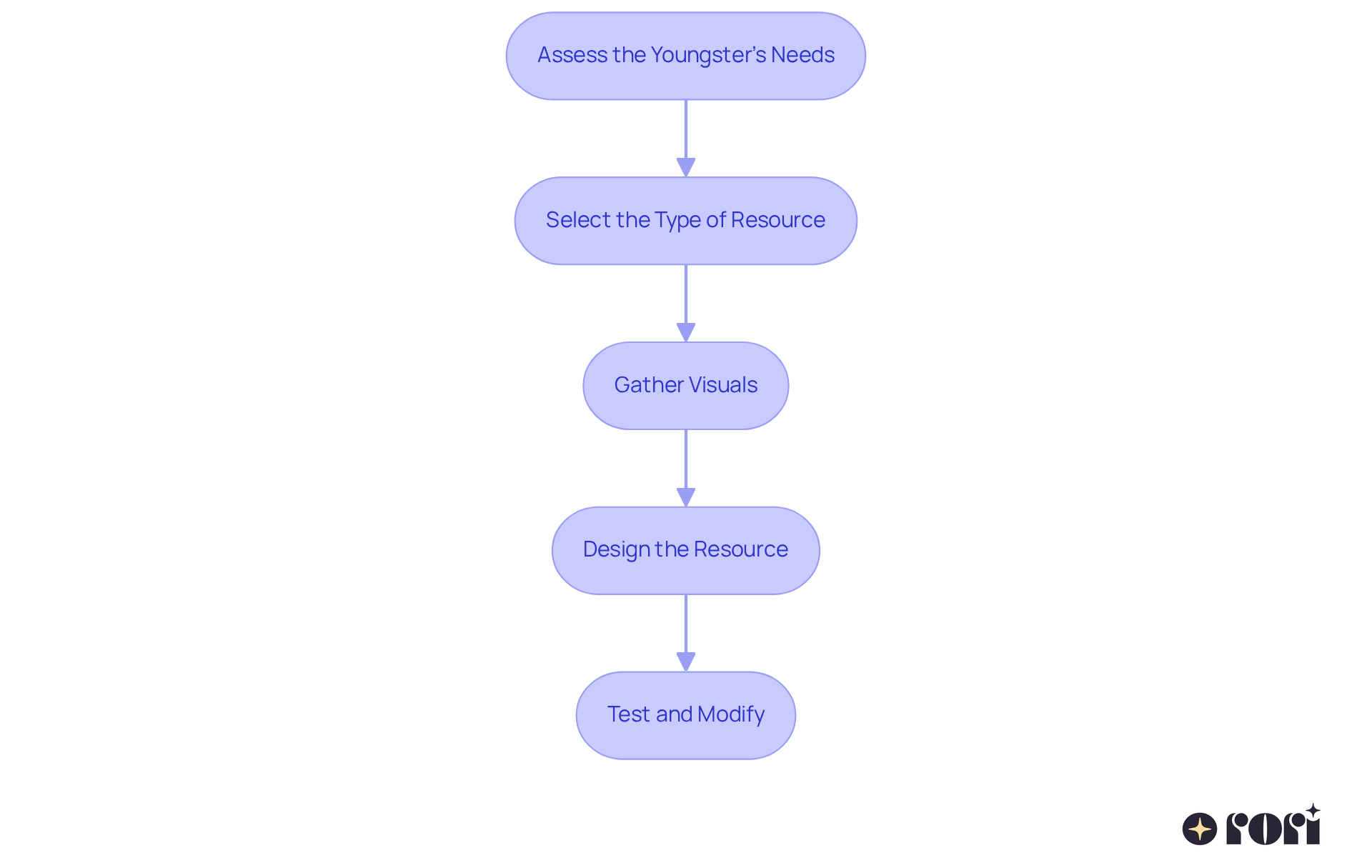
To make sure really hit the mark, it’s important to check in on them regularly. Here’s how:
By regularly evaluating and refining the process of creating visual resources for , you and your child’s educators can really maximize their effectiveness. This way, you’re not just meeting your child’s evolving needs, but also with the knowledge and strategies they need to support their child’s behavioral goals. Let’s explore this together!

Creating visual resources for autism education isn’t just a helpful strategy; it’s a vital approach that truly unlocks the potential of children on the spectrum. By using visual aids, educators and parents can boost communication, ease anxiety, and encourage independence among autistic learners. This guide has shown how these resources can significantly enhance educational experiences and social interactions, leading to better outcomes for children with autism.
We’ve explored various types of visual resources, like visual schedules, choice boards, and social stories, each with unique benefits that promote understanding and engagement. Plus, we’ve provided a step-by-step guide to creating customized visual aids tailored to individual needs, highlighting the importance of ongoing evaluation and adjustments to make them as effective as possible. These insights really underscore the crucial role visual supports play in autism education.
As you embark on the journey of creating and implementing these visual resources, remember to stay committed to fostering an inclusive and supportive educational environment. By actively engaging with children, gathering feedback, and making necessary adjustments, you can ensure these tools not only meet the evolving needs of autistic learners but also empower them to thrive. Let’s embrace the transformative power of visual resources and take meaningful steps toward enhancing the educational experiences of those with autism. We’re here to help you every step of the way!
What is the role of visual resources in autism education?
Visual resources play a vital role in autism education by tapping into the unique strengths of children on the spectrum. They help clarify expectations, ease anxiety, and promote independence.
What types of visual resources are commonly used in autism education?
Common visual resources include visual schedules, choice boards, and social stories.
Why are visual resources important for non-verbal or minimally verbal autistic youth?
Approximately 35% of autistic youth are non-verbal or minimally verbal, highlighting the need for effective communication tools that can aid their understanding and expression.
How do visual resources impact on-task behaviors and social interactions in autistic children?
Research shows that using graphical aids can lead to significant improvements in on-task behaviors and social interactions, with some children experiencing increased conversation engagement levels during interventions.
What improvements have been observed in case studies involving visual supports?
Case studies have demonstrated notable improvements in academic performance and peer relationships among participants using visual supports.
How can social skills group therapy enhance the effectiveness of visual resources?
Social skills group therapy, led by trained therapists, can further enhance interactions, helping children build better relationships with their peers.
What is the importance of empowering caregivers in autism education?
Empowering caregivers with Applied Behavior Analysis (ABA) principles and strategies supports young people's behavioral goals and ensures a consistent and nurturing environment.