Creating a structured reinforcement plan for children with autism can truly turn daily routines into wonderful opportunities for growth and learning. 🌟 By grasping the essential role of reinforcement, caregivers can adopt strategies that not only motivate desired behaviors but also uplift the overall quality of life for these amazing kids.
But here’s the thing: tailoring these plans to fit individual needs and preferences can be quite the challenge. How can caregivers navigate this complex landscape to ensure lasting positive change? Let’s explore this together!
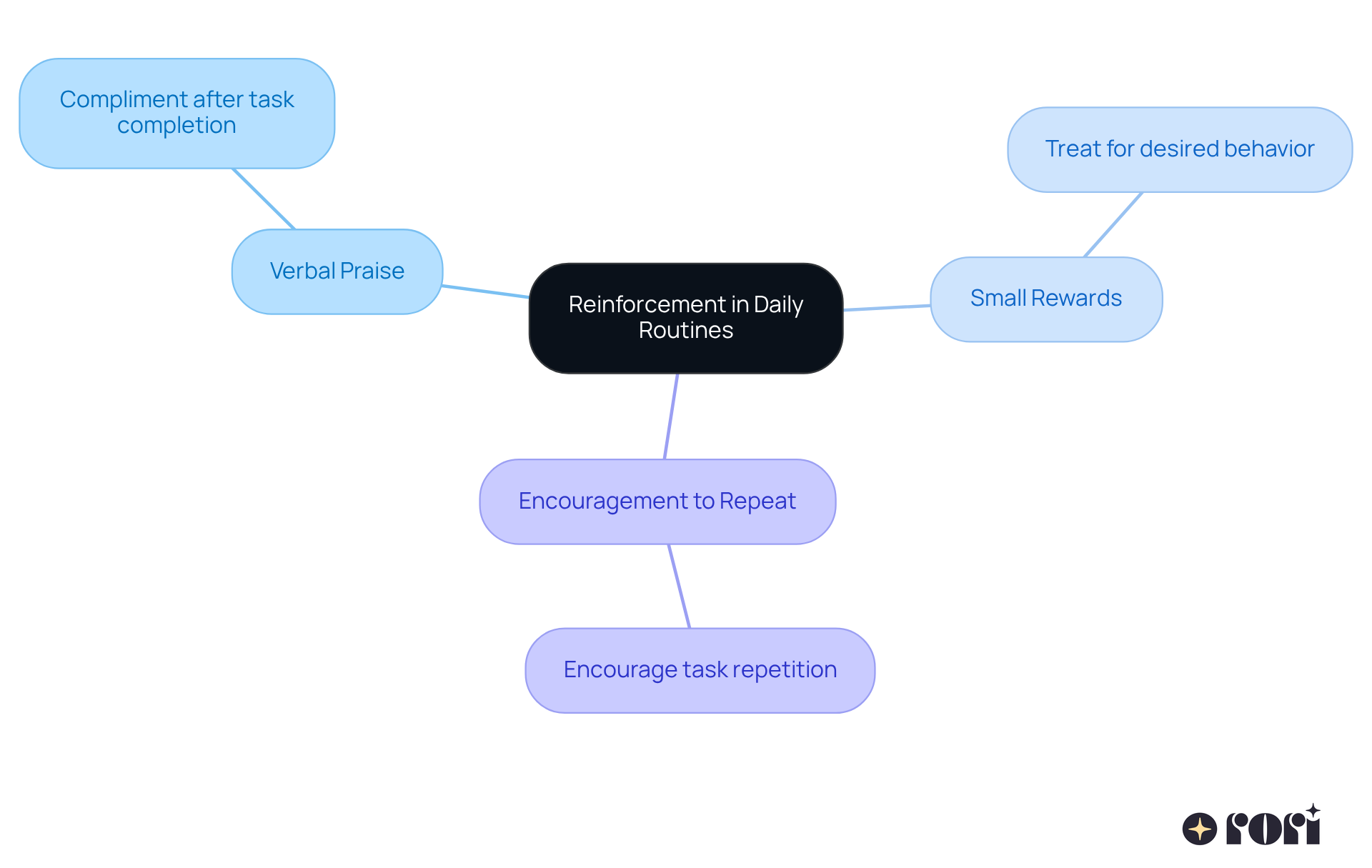
Reinforcement is a crucial concept in changing behaviors, particularly when creating a reinforcement plan for children with autism in daily routines. It’s all about providing a little something positive after a desired action, which helps make it more likely that the action will happen again. In everyday life, support can look different for everyone - think verbal praise, small rewards, or even letting them enjoy their favorite activities. Understanding how to use reinforcement effectively is vital for creating a reinforcement plan for children with autism in daily routines, as it can help individuals build , improve their behavior, and boost their overall quality of life.
For instance, a strategy for creating a reinforcement plan for children with autism in daily routines could involve:
Plus, Rori Care’s behavior care engine does a fantastic job with functional behavior analysis, helping caregivers keep track of these behaviors and their outcomes. This data-driven approach not only gives caregivers the tools they need with ABA principles and strategies but also supports informed decision-making through automated progress reports for clinician evaluation. It’s all about enhancing behavioral outcomes for our young ones!
What’s great about ABA therapy is that it’s personalized, meaning these strategies are tailored to fit each individual’s unique needs. Let’s explore this together and see how we can make a difference!
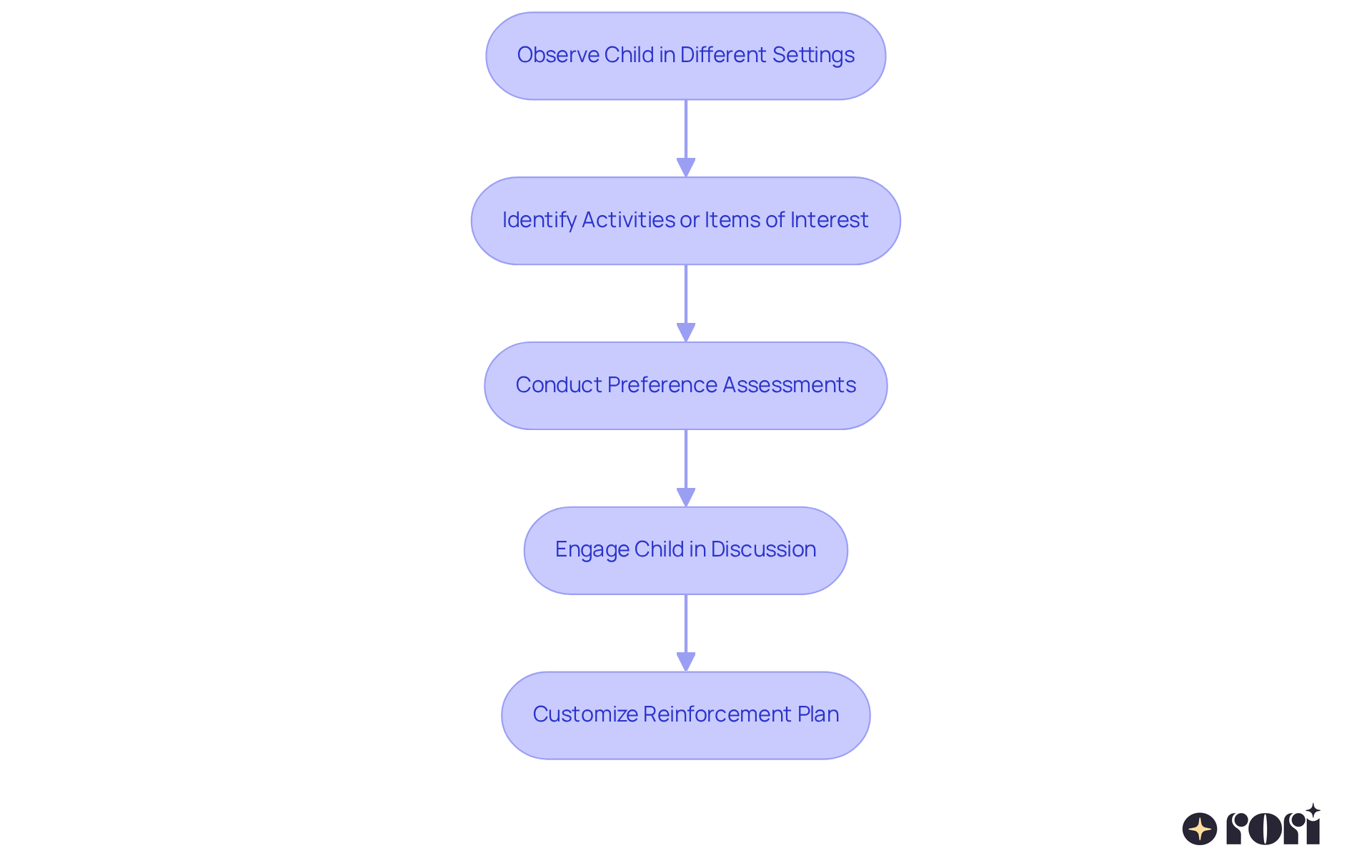
Creating a reinforcement plan for children with autism in daily routines begins with understanding your child's unique needs and preferences. So, take a moment to observe your little one in different settings. What activities or items seem to catch their eye? You might find that some toys or snacks really light up their face!
One great way to figure this out is through preference assessments. This simply means between various toys, activities, or snacks to see which ones get the biggest smiles. And don’t forget to involve your child in this process! Ask them about their favorite activities or rewards. This not only gives you valuable insights but also makes them feel included.
By customizing your approach, you ensure that creating a reinforcement plan for children with autism in daily routines is tailored and meaningful for your child. Plus, it significantly boosts the chances of encouraging those preferred actions. Let’s explore this together and make the reinforcement plan work for your family!
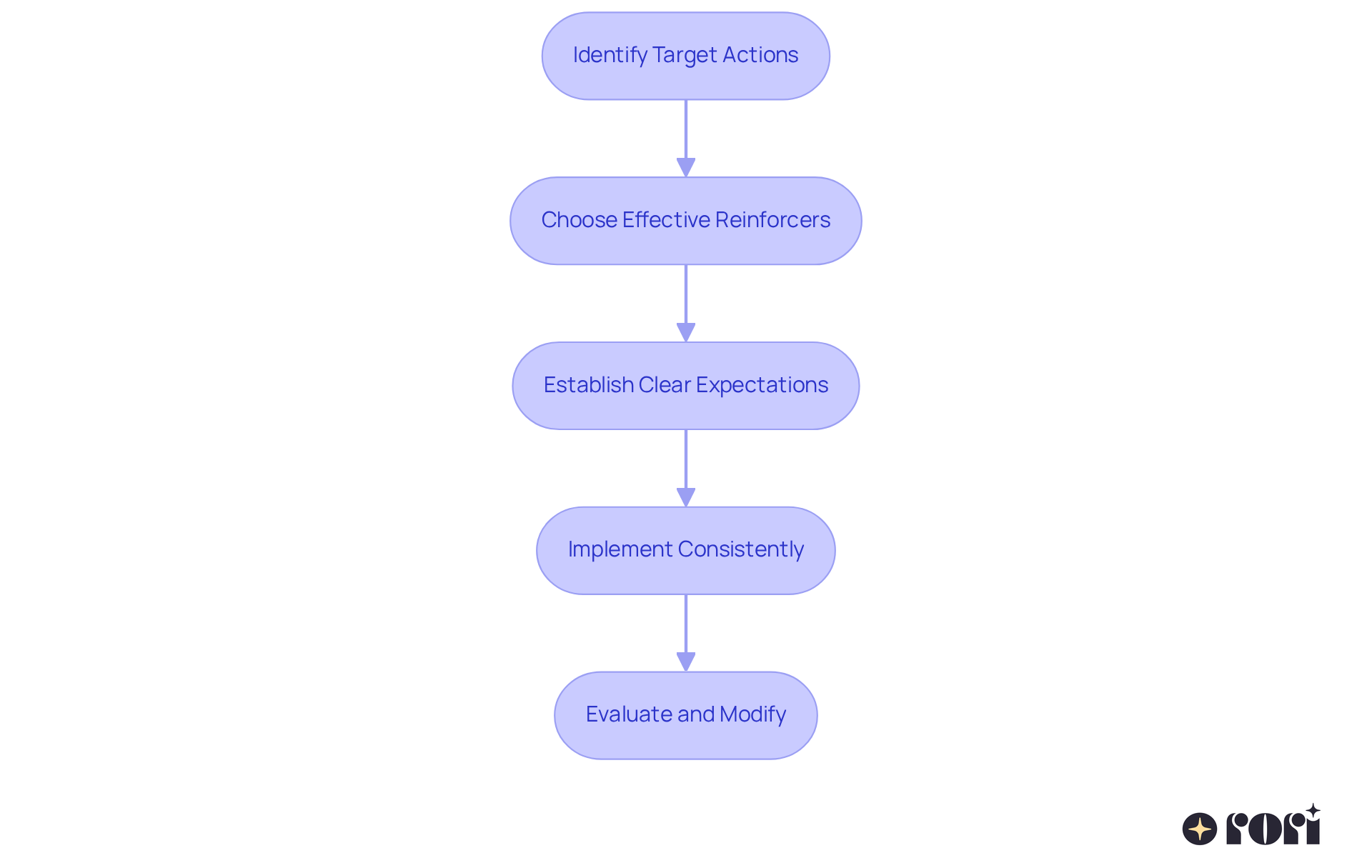
Although creating a reinforcement plan for children with autism in daily routines can feel like a big task, breaking it down into simple steps makes it manageable. Let’s explore this together!
By following these steps, you can create a supportive environment that aids in creating a reinforcement plan for children with autism in daily routines, encouraging your child’s growth and promoting positive behaviors. Remember, you’re not alone in this journey-let’s support each other every step of the way!
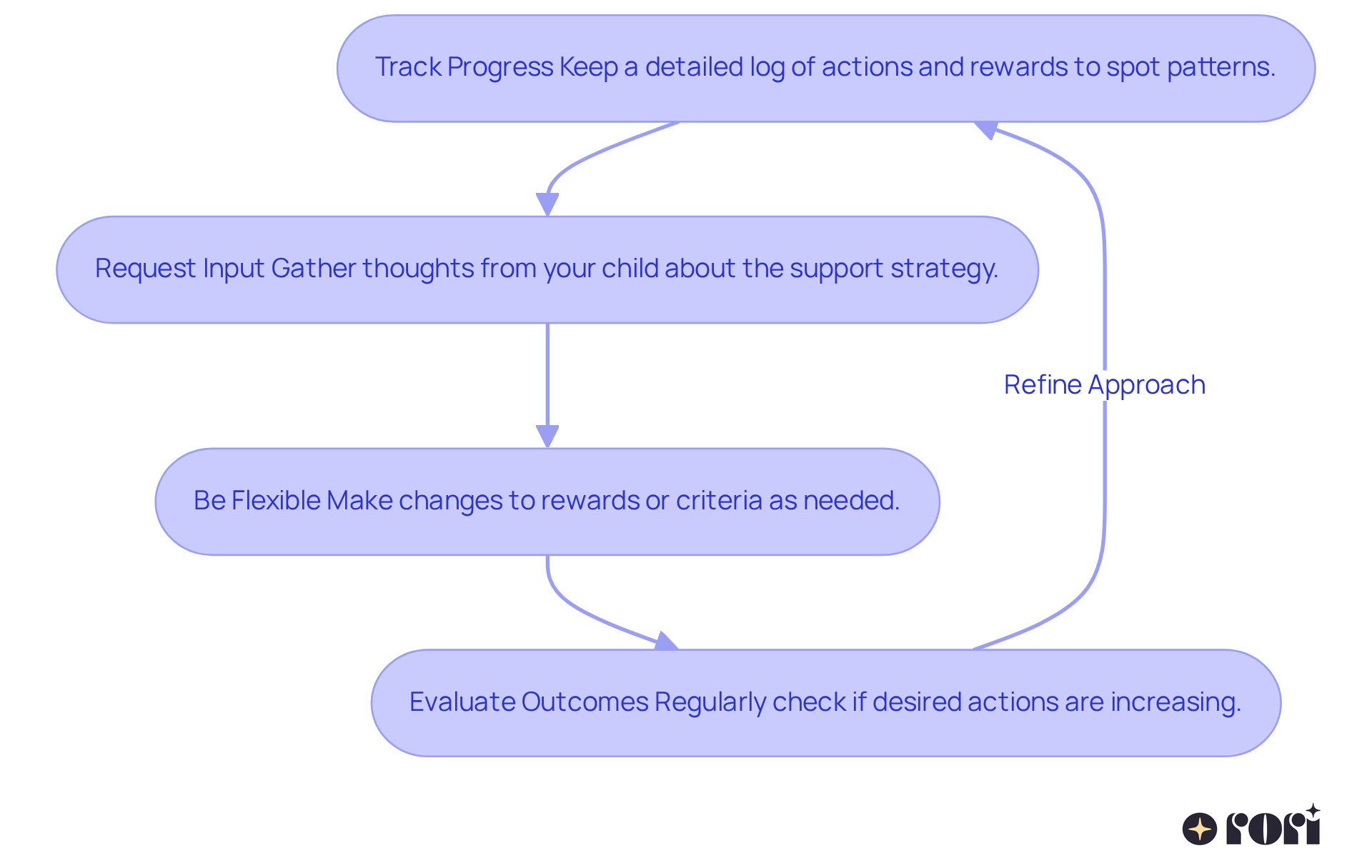
Evaluating how well your support strategy is working is super important to make sure it meets your child’s changing needs. Here are some key steps to keep in mind:
By maintaining an adaptive mindset and involving your child in the process, you can focus on creating a reinforcement plan for children with autism in daily routines that encourages positive behaviors while helping them feel a sense of agency and engagement in their own learning. Let’s explore this together!
Creating a reinforcement plan tailored for children with autism can really enhance daily routines, turning them into wonderful opportunities for growth and learning. When caregivers understand the vital role of reinforcement, they can put strategies in place that not only encourage positive behaviors but also enrich the overall quality of life for these amazing kids.
Key insights from this guide emphasize the importance of:
Identifying specific target actions, picking effective reinforcers, and staying consistent are all essential parts that contribute to the success of the reinforcement plan. Plus, involving children in the process and valuing their feedback helps ensure that the strategies stay relevant and motivating.
Ultimately, creating an effective reinforcement plan for children with autism is a team effort that calls for patience, flexibility, and a deep understanding of each child's unique needs. By embracing these principles, caregivers can create an environment that not only supports positive behaviors but also empowers children to thrive. Taking actionable steps today can lead to meaningful changes in the lives of children with autism, making every routine a stepping stone toward their potential. Let’s explore this journey together!
What is the role of reinforcement in daily routines for children with autism?
Reinforcement plays a crucial role in changing behaviors by providing positive feedback after a desired action, which increases the likelihood of that action being repeated.
What are some examples of reinforcement in everyday life?
Examples of reinforcement can include verbal praise, small rewards, or allowing children to engage in their favorite activities after completing a task.
How can a reinforcement plan be created for children with autism?
A reinforcement plan can be created by giving compliments when a child completes a task independently, offering small treats for desired behaviors, and encouraging them to repeat tasks later.
What tools can help caregivers track behaviors and outcomes?
Rori Care’s behavior care engine assists caregivers with functional behavior analysis, helping them track behaviors and their outcomes effectively.
How does Rori Care support informed decision-making for caregivers?
Rori Care provides automated progress reports for clinician evaluation, enabling caregivers to make informed decisions based on data-driven insights.
What is the significance of personalized ABA therapy?
Personalized ABA therapy tailors strategies to fit the unique needs of each individual, enhancing behavioral outcomes for children with autism.