Understanding the unique challenges that nonverbal children with autism face is so important for developing effective therapeutic strategies. 🌟 Customized therapy approaches, especially those rooted in Applied Behavior Analysis (ABA), can really make a difference in enhancing communication skills and fostering emotional engagement. But here’s the thing: how can caregivers and therapists ensure these tailored techniques are put into practice effectively? It’s crucial to avoid common pitfalls and truly support these children on their developmental journeys.
Let’s explore this together! By recognizing the specific hurdles these kids encounter, we can better appreciate the need for personalized strategies. Imagine a child who struggles to express their feelings - how frustrating that must be for them! With the right support, we can help bridge that gap and open up new avenues for connection.
So, as we dive deeper into this topic, let’s keep in mind the importance of collaboration between caregivers and therapists. We’re here to help you every step of the way!
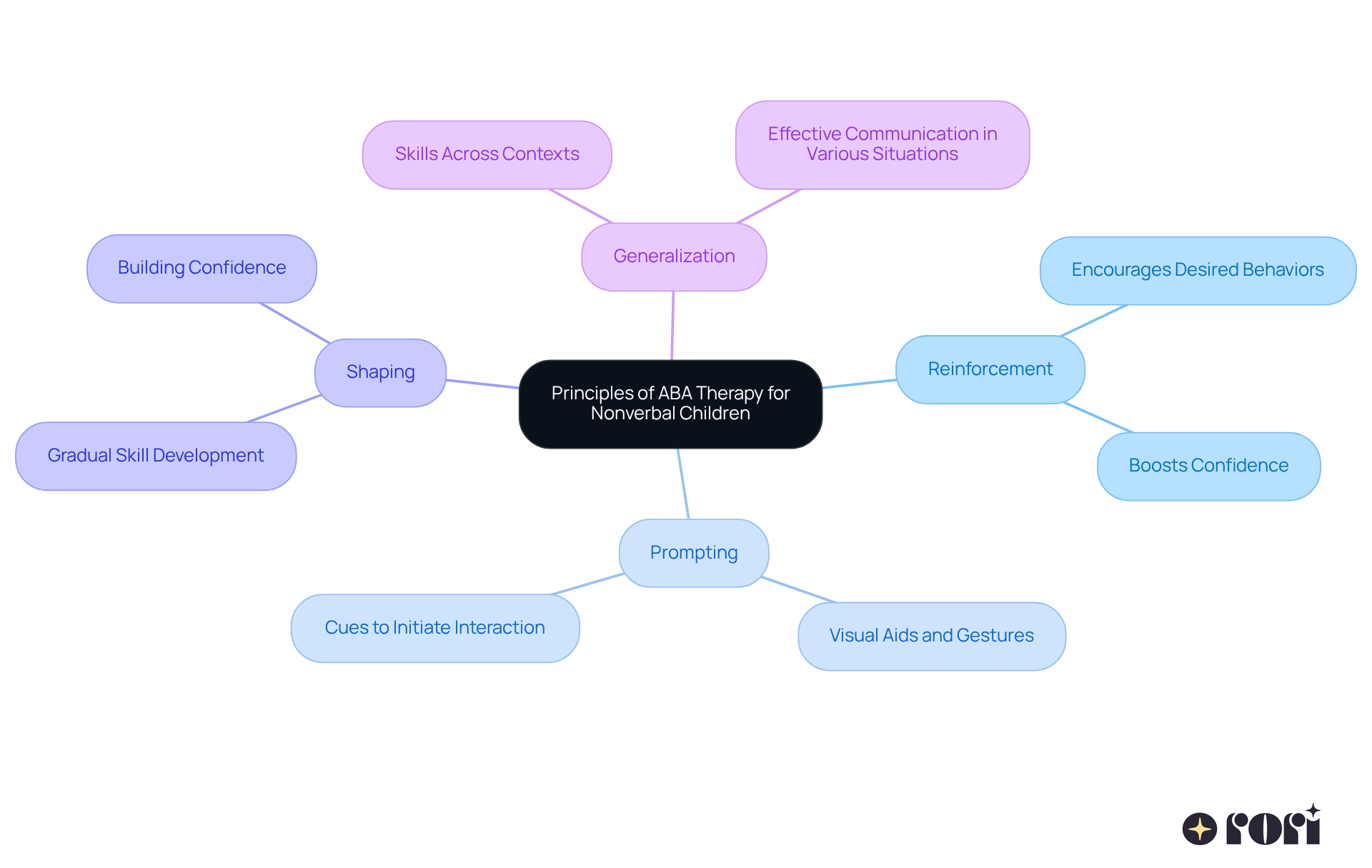
Applied Behavior Analysis (ABA) therapy is centered on understanding behavior and learning, especially through customized therapy approaches for nonverbal children with autism. This approach focuses on boosting communication skills through structured interventions. Let’s break down some key principles:
At Rori Care, we’re all about personalized support that meets each child’s unique needs. We track progress clearly, so caregivers can see improvements, and we adapt strategies to keep interventions effective as kids grow. Recent studies show that customized therapy approaches for nonverbal children with autism, such as reinforcement methods in ABA therapy, lead to significant advancements in expressive abilities. Behavior analysts highlight that tailored reinforcement strategies not only help with skill acquisition but also boost emotional engagement, making learning more enjoyable.
However, it’s crucial for parents to be aware of common pitfalls when applying these strategies. Using reinforcement appropriately is key to avoiding confusion or frustration. By understanding and applying these principles, therapists and parents can create a supportive atmosphere that truly enhances interaction development using customized therapy approaches for nonverbal children with autism. Let’s explore this together!
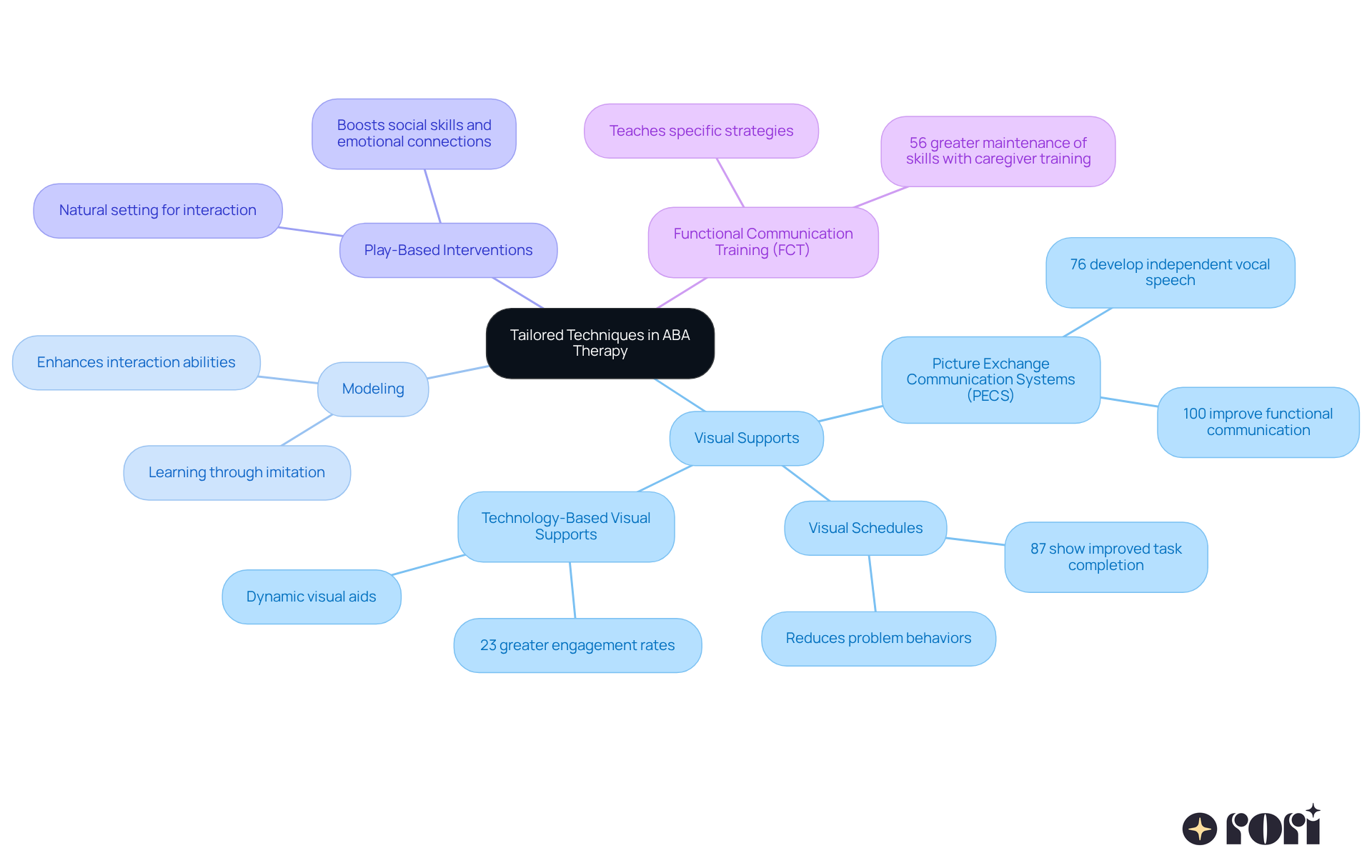
Supporting nonverbal children in ABA therapy can feel like a big challenge, but implementing customized therapy approaches for nonverbal children with autism can really make a difference! Let’s explore this together!
These strategies, which include customized therapy approaches for nonverbal children with autism, not only enhance interaction but also promote social engagement and independence, helping nonverbal youth navigate their world more effectively. We’re here to help you every step of the way!
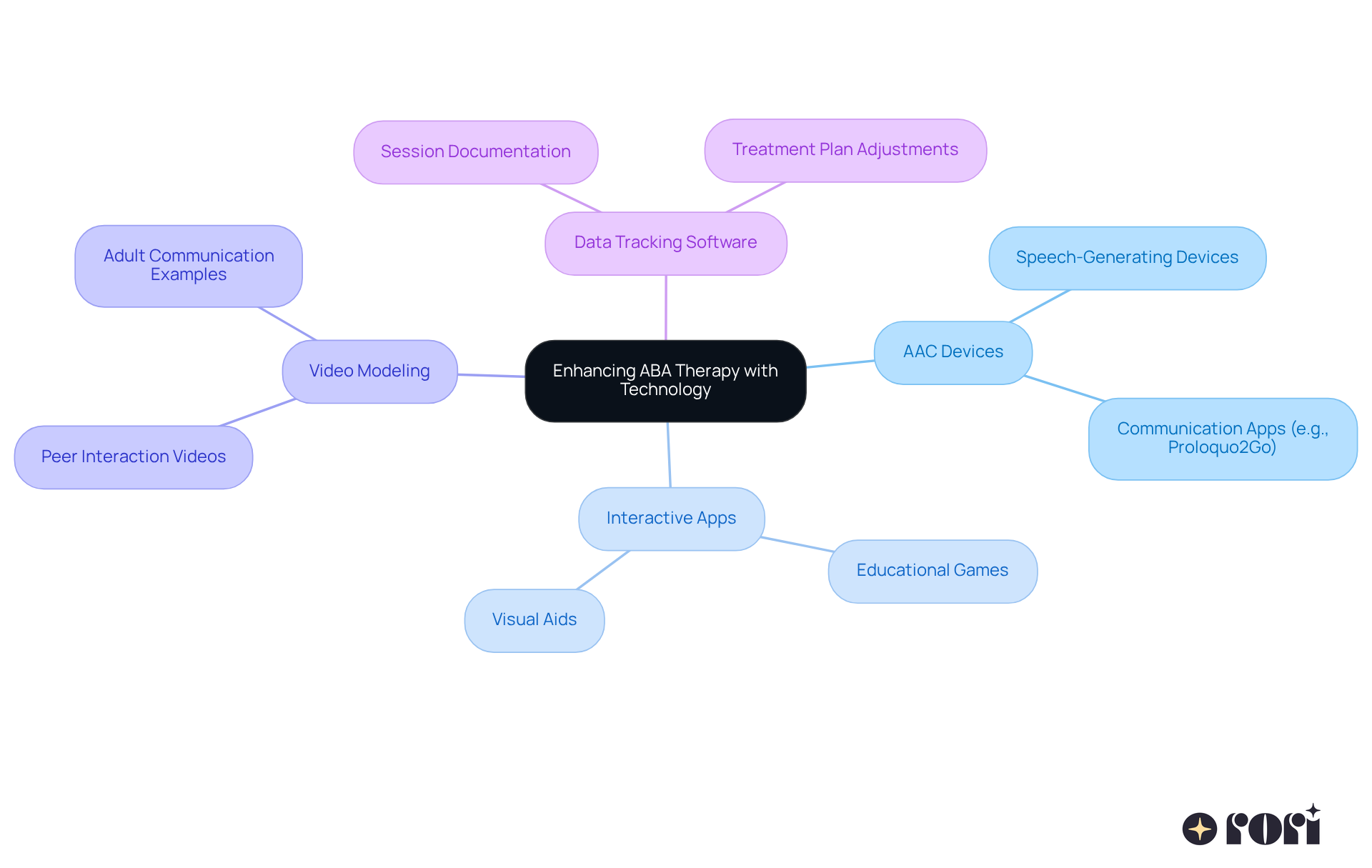
Integrating technology into ABA therapy can really enhance interaction for nonverbal kids! Here are some effective ways to leverage technology that you might find helpful:
By incorporating these technological tools, therapists can create a more dynamic and responsive environment that meets the unique needs of nonverbal youth, utilizing customized therapy approaches for nonverbal children with autism. Let’s explore this together! We’re here to !
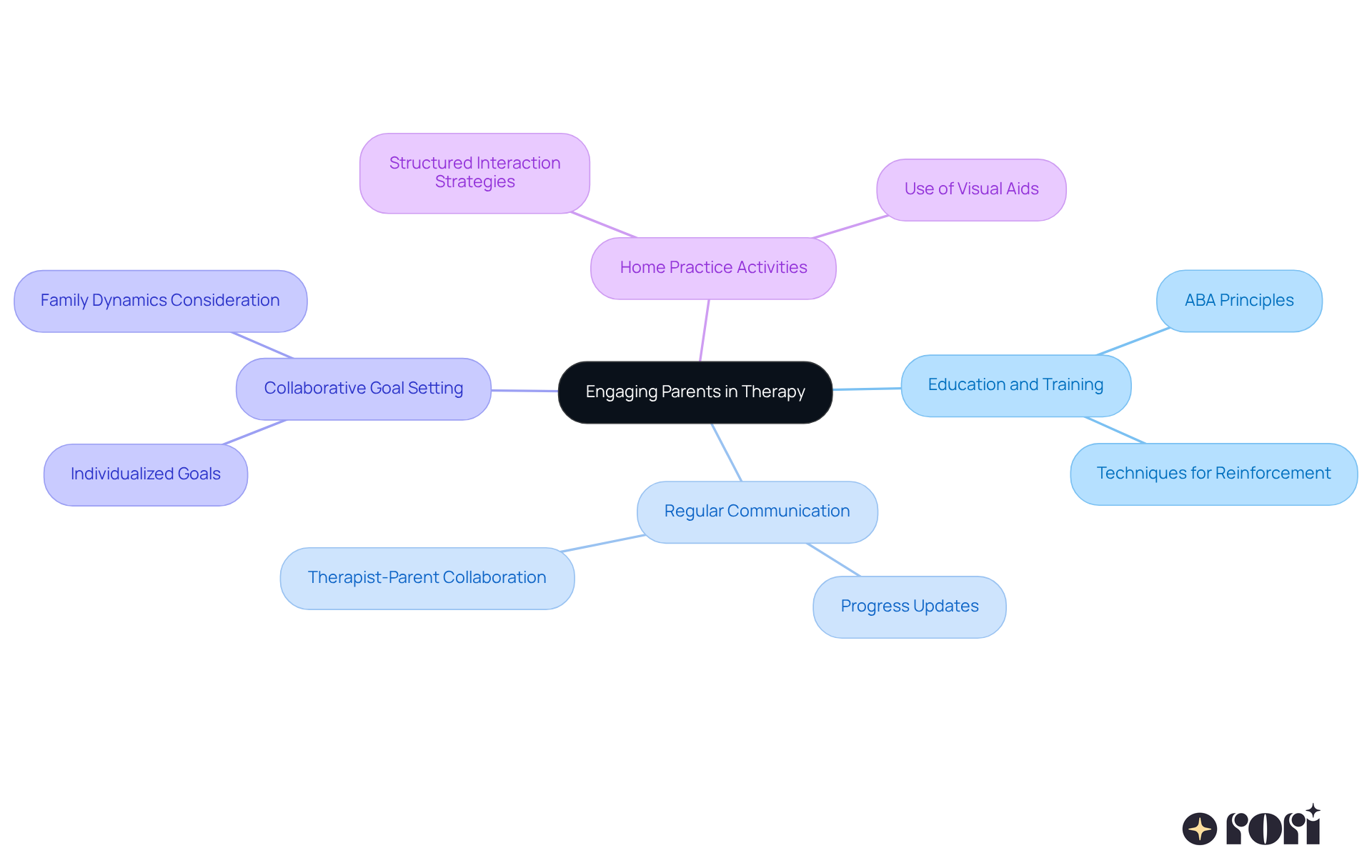
Parental involvement is crucial for the success of customized therapy approaches for nonverbal children with autism. Let’s dive into some effective strategies to engage parents:
When parents are actively involved, it creates a nurturing atmosphere that enhances the effectiveness of ABA practices, which supports the use of customized therapy approaches for nonverbal children with autism to develop lasting communication skills. Research shows that parent training can lead to a nearly 48% reduction in challenging behaviors, highlighting just how vital parental involvement is for positive therapy outcomes. Plus, studies reveal that technology-enhanced ABA parent training boasts an effectiveness rate of 86.48%, showcasing the significant benefits of parental engagement in the therapeutic journey.
So, let’s explore this together! We’re here to help you every step of the way!
Customized therapy approaches for nonverbal children with autism are truly essential in helping them enhance their communication and interaction skills. By using strategies rooted in Applied Behavior Analysis (ABA) - like reinforcement, prompting, and shaping - caregivers and therapists can craft individualized plans that meet each child's unique needs. This personalized approach not only boosts expressive abilities but also builds confidence, empowering nonverbal children to navigate their world more effectively.
Key insights from the article remind us how important it is to integrate:
These methods have shown to significantly improve engagement and communication outcomes, making learning both enjoyable and effective. Plus, active parental involvement is crucial! When parents are educated and engaged in the therapy process, they help create a supportive environment that reinforces the skills learned in therapy. Research highlights that this collaboration can lead to remarkable improvements in behavior and communication.
Ultimately, embracing these customized therapy techniques for nonverbal children isn’t just about tackling communication challenges; it’s about empowering these kids to express themselves and connect with the world around them. By leveraging effective strategies and fostering strong partnerships with parents, therapists can create a nurturing atmosphere that promotes lasting growth and independence for nonverbal youth. The journey toward effective communication is a shared one, and with the right tools and support, every child can thrive. Let’s explore this together!
What is ABA therapy and its focus for nonverbal children?
ABA therapy, or Applied Behavior Analysis therapy, focuses on understanding behavior and learning, particularly through customized approaches for nonverbal children with autism. It aims to enhance communication skills through structured interventions.
What role does reinforcement play in ABA therapy?
Positive reinforcement is crucial in ABA therapy as it encourages desired behaviors. By rewarding children for attempting to express themselves, it helps build their confidence in sharing their needs and wants.
How does prompting work in ABA therapy?
Prompting involves giving cues or hints to initiate interaction. This can include using visual aids or gestures to guide children in articulating what they need.
What is the shaping technique in ABA therapy?
Shaping is a technique where closer approximations to desired behaviors are gradually reinforced. This helps children develop their expressive abilities step by step, building their confidence and skills in communication.
Why is generalization important in ABA therapy?
Generalization ensures that children can apply the skills they've learned in various contexts. This helps them effectively convey their ideas in different situations.
How does Rori Care approach ABA therapy for nonverbal children?
Rori Care provides personalized support tailored to each child's unique needs. They track progress clearly for caregivers and adapt strategies to maintain effective interventions as children grow.
What do recent studies indicate about customized therapy approaches for nonverbal children?
Recent studies show that customized therapy approaches, including reinforcement methods in ABA therapy, lead to significant advancements in expressive abilities for nonverbal children with autism.
What should parents be aware of when applying ABA therapy strategies?
Parents should be cautious about using reinforcement appropriately to avoid confusion or frustration. Understanding and applying ABA principles can create a supportive atmosphere that enhances interaction development.