Joint attention is such an important part of communication and social interaction, especially for children with autism. It’s often a challenge when kids struggle to share focus, and that’s where we come in! In this article, we’ll explore some effective interventions that you, as parents, can use to help foster those joint attention skills. These strategies can truly make a difference in your child's social and communication development.
But with so many approaches out there, how do you know which ones will really resonate with your child's unique needs? Let’s dive in together and find out!
Joint awareness is all about two people focusing together on something - like an object or an event. It’s a key part of how we communicate and connect with each other. For kids with autism, starting and responding to shared signals, like pointing or making eye contact, can be tough, which underscores the importance of . This skill is super important for building language and , as it helps kids share experiences and understand social cues.
Research shows that are often among the first signs of autism. That’s why it’s so important for parents to spot these challenges early on and address them. Studies have found that effective interventions for joint attention in autism can significantly improve shared focus and lead to . For instance, kids who participated in effective interventions for joint attention in autism showed great progress in sharing positive emotions, which is a big part of social interaction.
Understanding the can aid in and guide parents in implementing effective interventions for joint attention in autism to . plays a vital role here, equipping parents with the tools and knowledge they need to provide better support at home and actively participate in their child’s therapy journey.
Take Rori Care’s social skills group therapy, for example. It offers in a supportive environment, which can really . This kind of participation not only leads to better behavioral outcomes but also strengthens family bonds, ultimately benefiting the child’s growth.
Let’s explore this together! If you’re noticing these challenges, remember that you’re not alone, and there are resources available to help you and your child thrive.

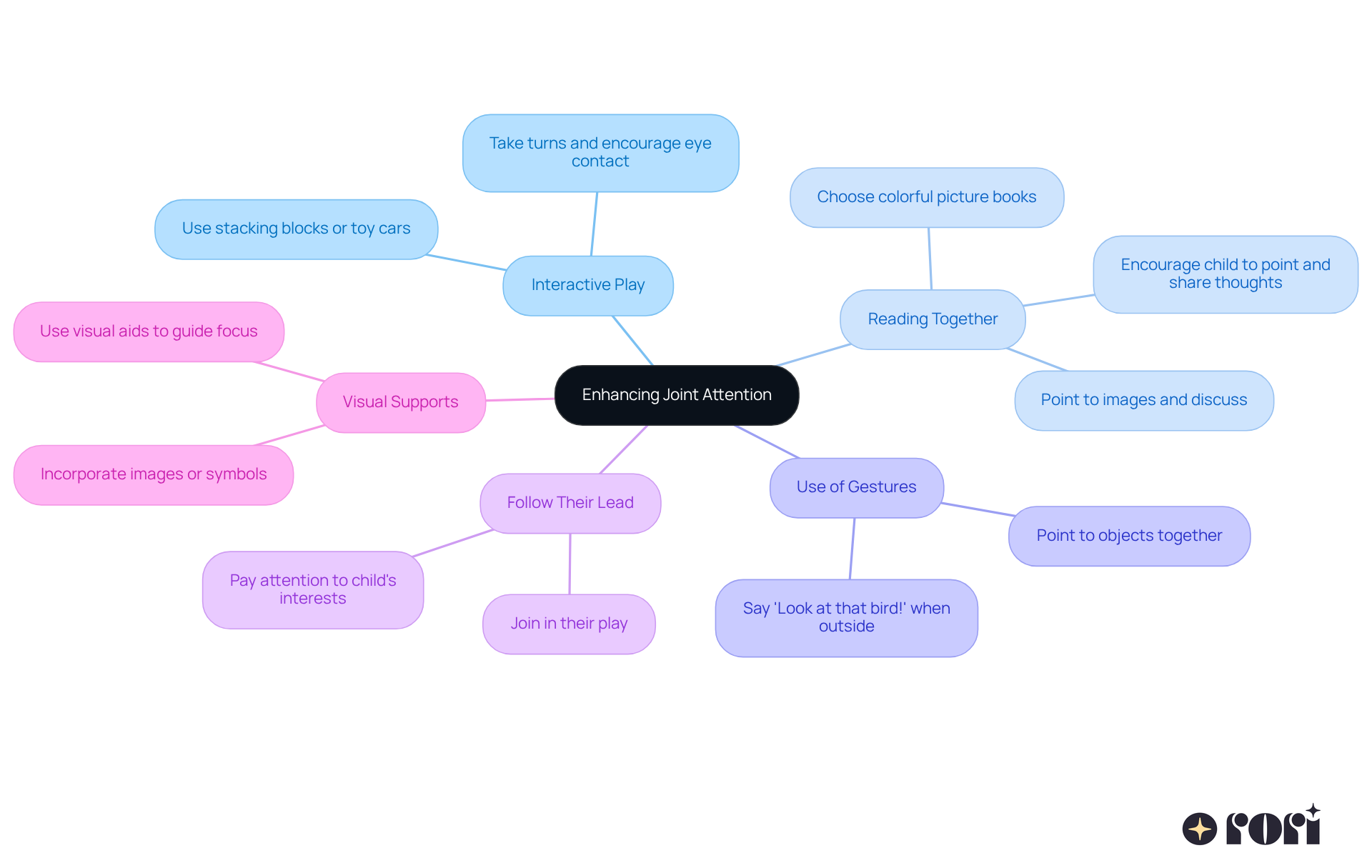
To enhance joint attention, parents can easily incorporate engaging activities into their daily routines, utilizing based on the principles of ABA therapy. Here are some :
These activities not only promote shared focus but also act as effective interventions for joint attention in autism, strengthening the bond between you and your child while making learning enjoyable and impactful. Plus, they equip you with the knowledge and skills to support your child's development. Let’s explore this together!
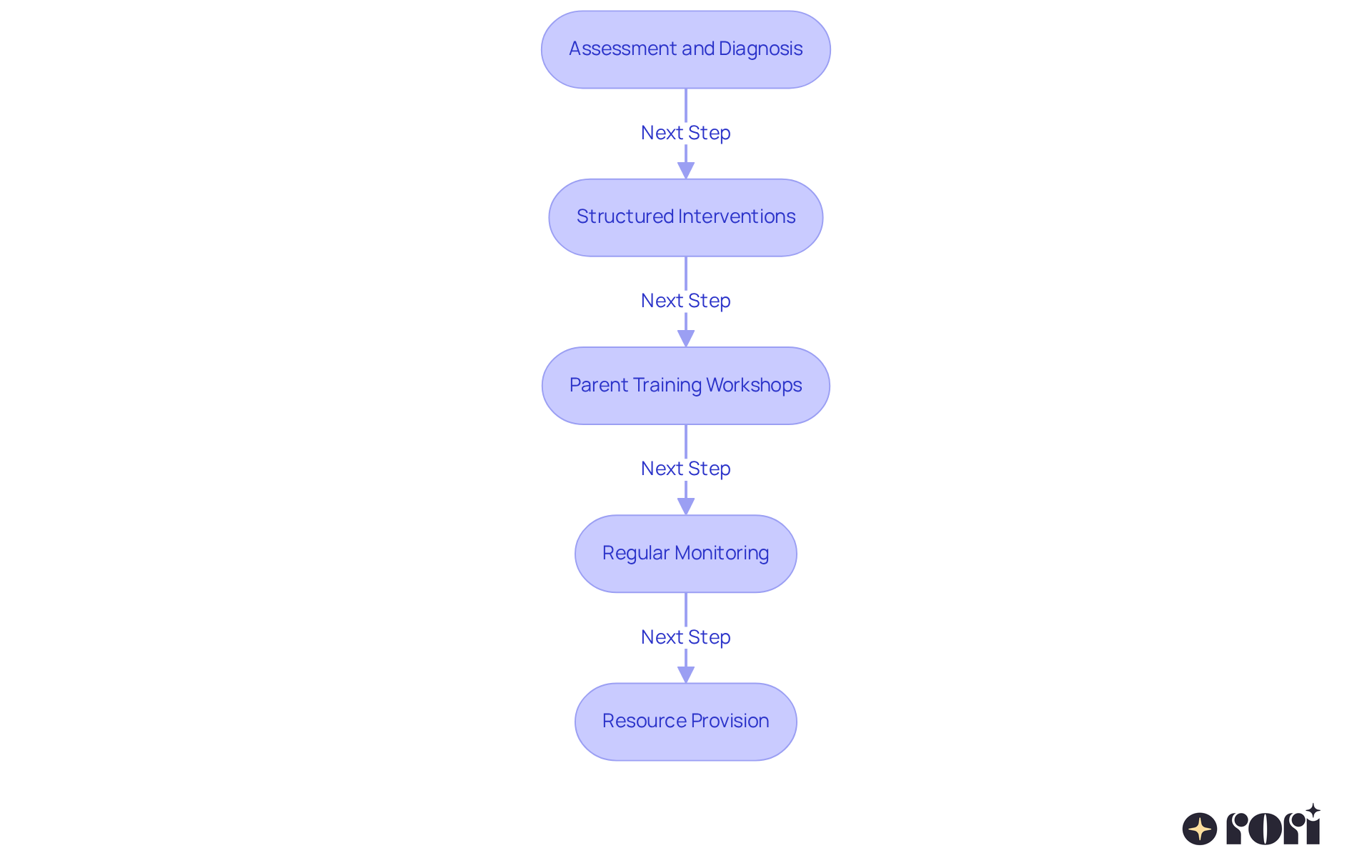
Collaborating with experts such as Board Certified Behavior Analysts (BCBAs) and speech therapists can provide , making a world of difference for kids. It’s all about improving shared focus development, and here are some friendly strategies to get that professional support rolling:
By collaborating with experts, parents can ensure their children receive effective interventions for joint attention in autism that are tailored to their individual needs. This partnership ultimately . Let’s explore this together!
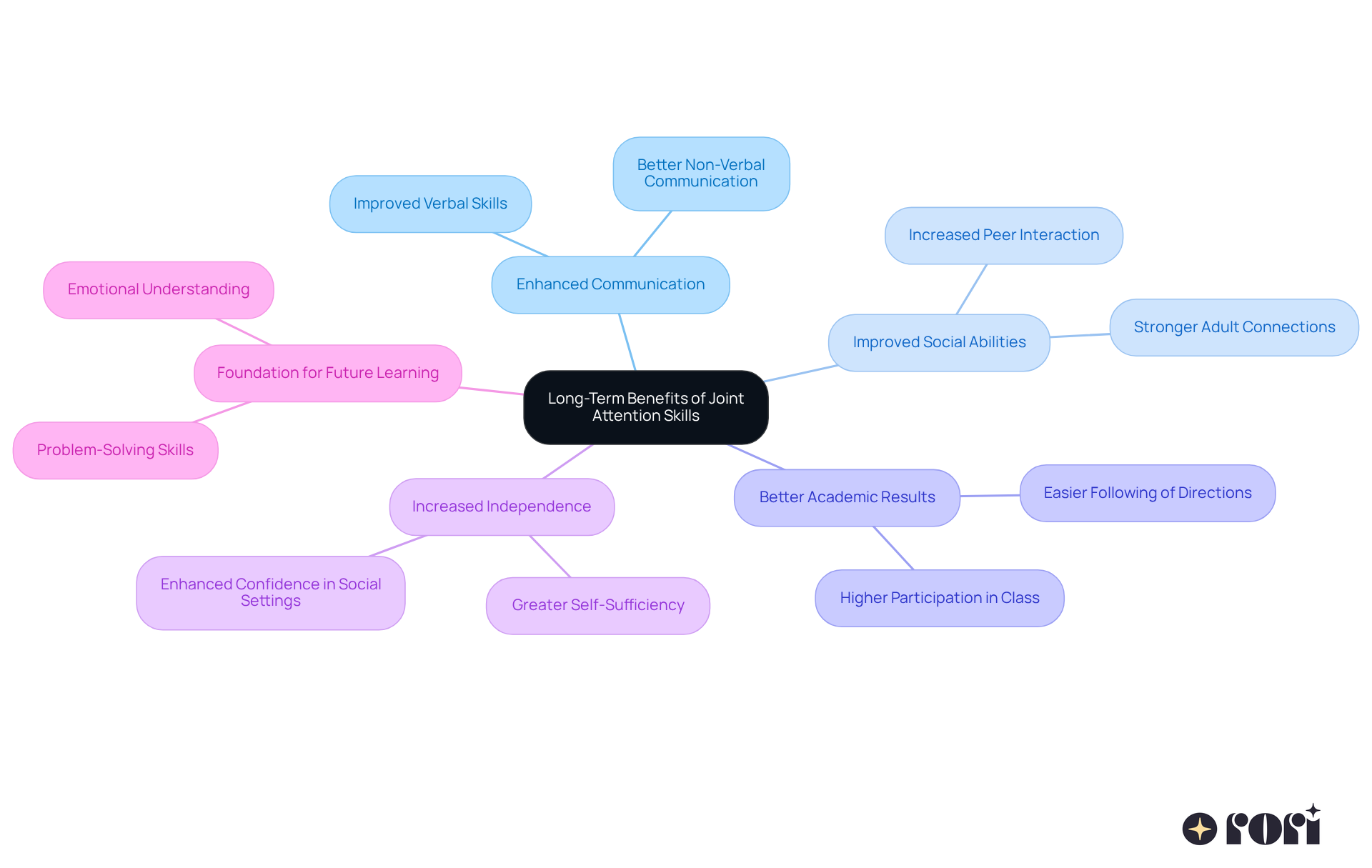
Helping children with autism develop can lead to a world of long-term benefits! 🌟 Here are a few ways this can make a difference:
Recognizing these benefits can really ! It highlights just how crucial it is to nurture joint attention skills, motivating you to actively with effective interventions for joint attention in autism. Let’s explore this together! If you have any thoughts or experiences to share, we’d love to hear from you!
Understanding and facilitating joint attention is so important for children with autism. It really lays the groundwork for effective communication and social interaction. When parents recognize the value of shared focus and use targeted interventions, they can make a huge difference in their child's development. This journey not only helps the child connect with others but also strengthens family bonds and creates a nurturing learning environment.
You can easily weave key strategies like:
into your daily routines to boost joint attention. Plus, teaming up with professionals like BCBAs and speech therapists means that the interventions can be tailored to fit your child's unique needs. These collaborative efforts can lead to real improvements in communication, social skills, and overall academic performance.
The long-term benefits of developing joint attention skills are truly remarkable. By dedicating time and resources to effective interventions, parents empower their children to navigate social situations with confidence and independence. This foundation sets the stage for future learning. Embracing this journey not only transforms individual lives but also helps create a more inclusive society where every child can thrive. Let’s explore this together!
What is joint attention and why is it important in autism?
Joint attention refers to two people focusing together on an object or event. It is crucial for communication and connection, particularly for children with autism, as it helps them build language and social skills by sharing experiences and understanding social cues.
How can difficulties in joint attention be related to autism?
Gaps in mutual focus are often among the first signs of autism. Children with autism may struggle to start and respond to shared signals like pointing or making eye contact, making it essential for parents to identify these challenges early.
What impact do effective interventions for joint attention have on children with autism?
Effective interventions can significantly improve shared focus and enhance social communication skills. Children who participate in such interventions often show progress in sharing positive emotions, which is vital for social interaction.
How can understanding joint attention aid in early autism identification?
Recognizing the importance of shared focus can help parents identify challenges early on, guiding them to implement effective interventions that support their child's social development.
What role does caregiver training play in supporting children with autism?
Caregiver training equips parents with the necessary tools and knowledge to better support their child at home and actively participate in their therapy journey.
Can you provide an example of an effective program for improving joint attention?
Rori Care’s social skills group therapy offers structured opportunities for children to engage together in a supportive environment, which can enhance their communication skills and lead to better behavioral outcomes while strengthening family bonds.