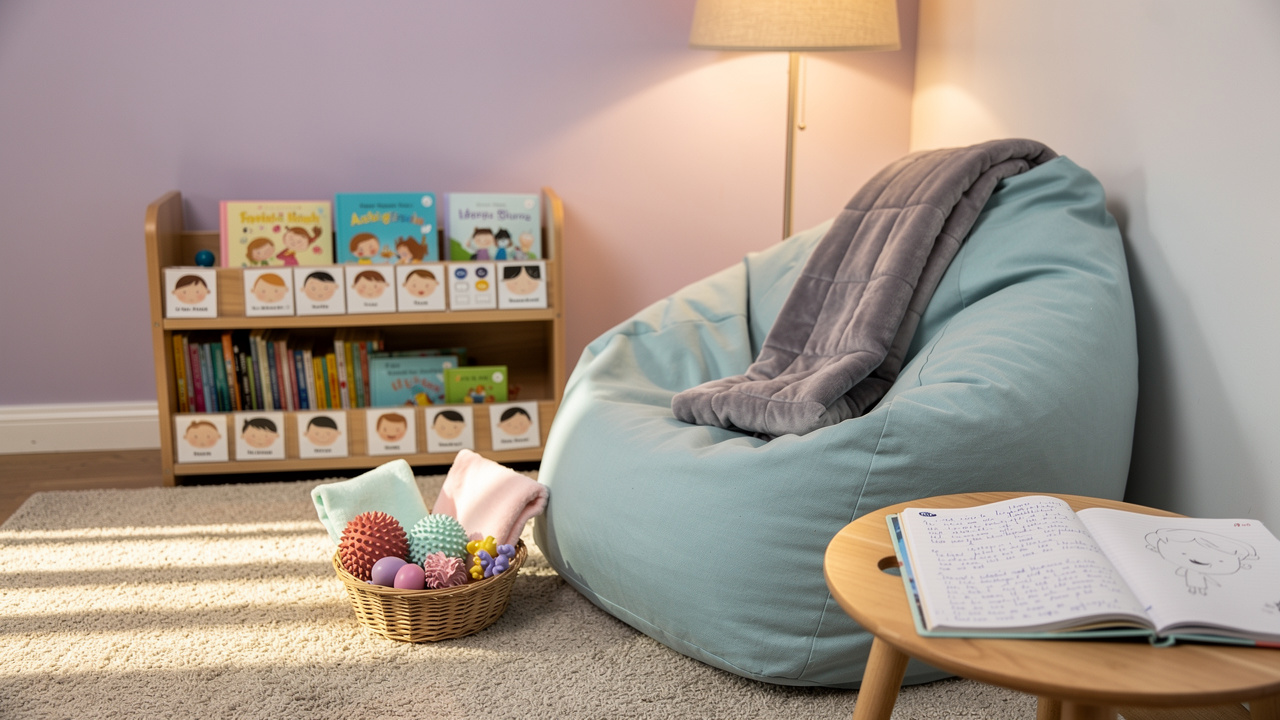
Understanding the nuances of motivation in children with autism is so important for parents looking for effective ways to support their little ones. While these kids often thrive on their own unique interests, the right motivational tools can turn their learning experiences into fun and engaging adventures. But what do you do when traditional methods just don’t seem to work?
This article dives into some innovative strategies and techniques that can help you tap into that motivation effectively. Together with clinicians, you can create a supportive environment that truly empowers your child. Let’s explore this journey together!
Motivation in young individuals with autism can be quite different from what we see in neurotypical peers, which underscores the importance of effective motivational tools in autism care. Many autistic kids are often driven by their own interests rather than outside rewards. For instance, a child might be much more engaged with activities that revolve around their passions - like trains or animals - than with tasks they see as chores. This intrinsic motivation serves as one of the effective motivational tools in autism care to help them learn and engage.
Now, let’s talk about social drive. Many individuals with autism might not find social interactions as rewarding, which can make them less eager to connect with peers or adults. That’s why it’s so important to create a supportive environment that utilizes effective motivational tools in autism care to acknowledge these differences. Parents can really help boost motivation by weaving in their child’s favorite activities into educational tasks, making learning feel more enjoyable and engaging.
And don’t forget about caregiver education! When parents understand the and learn effective motivational tools in autism care, they can tailor their approaches to fit their child’s unique preferences and needs. For example, Rori Care’s social skills group therapy, led by trained therapists, helps enhance social interactions and communication in a group setting, building better relationships and skills. Ultimately, these efforts can serve as effective motivational tools in autism care to create a more effective learning and development environment for our kids.
Let’s explore this together! We’re here to help you every step of the way!

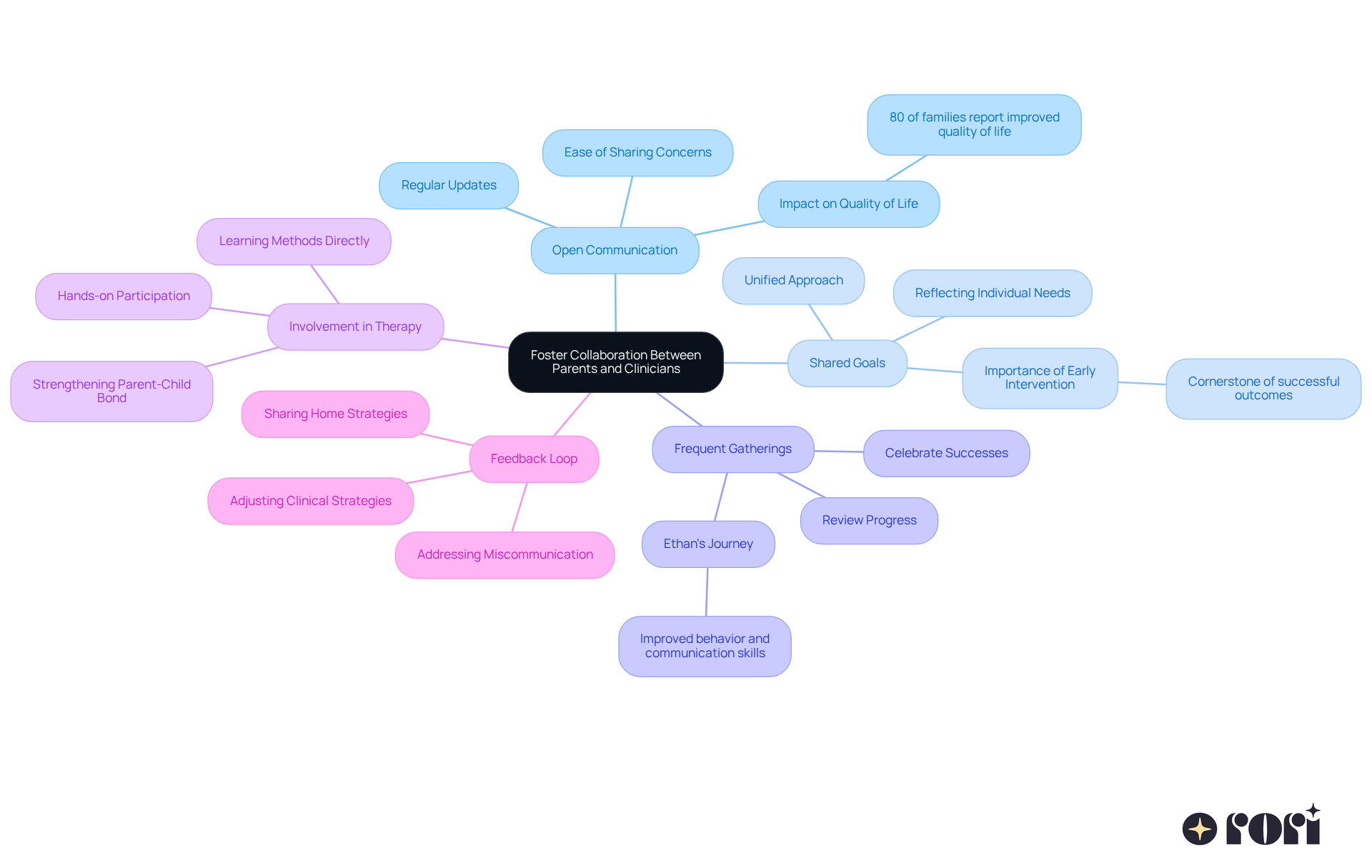
Motivating children with autism can feel like a big challenge for parents, but using effective motivational tools in autism care can provide plenty of helpful techniques! Let’s explore some effective strategies that can make a real difference:
By using these techniques, parents can create a more engaging atmosphere that acts as effective motivational tools in autism care, encouraging their kids to actively participate in their learning and development. And let’s not forget the benefits of behavioral intervention services, like those offered by Rori Care, which are especially significant for individuals with Autism Spectrum Disorders, ADHD, and other behavioral challenges. As reported by the CDC in 2023, one in 36 kids is diagnosed with autism, which highlights the need for effective motivational tools in autism care to support their growth.
Let’s explore this together and make a positive impact on our children’s lives!
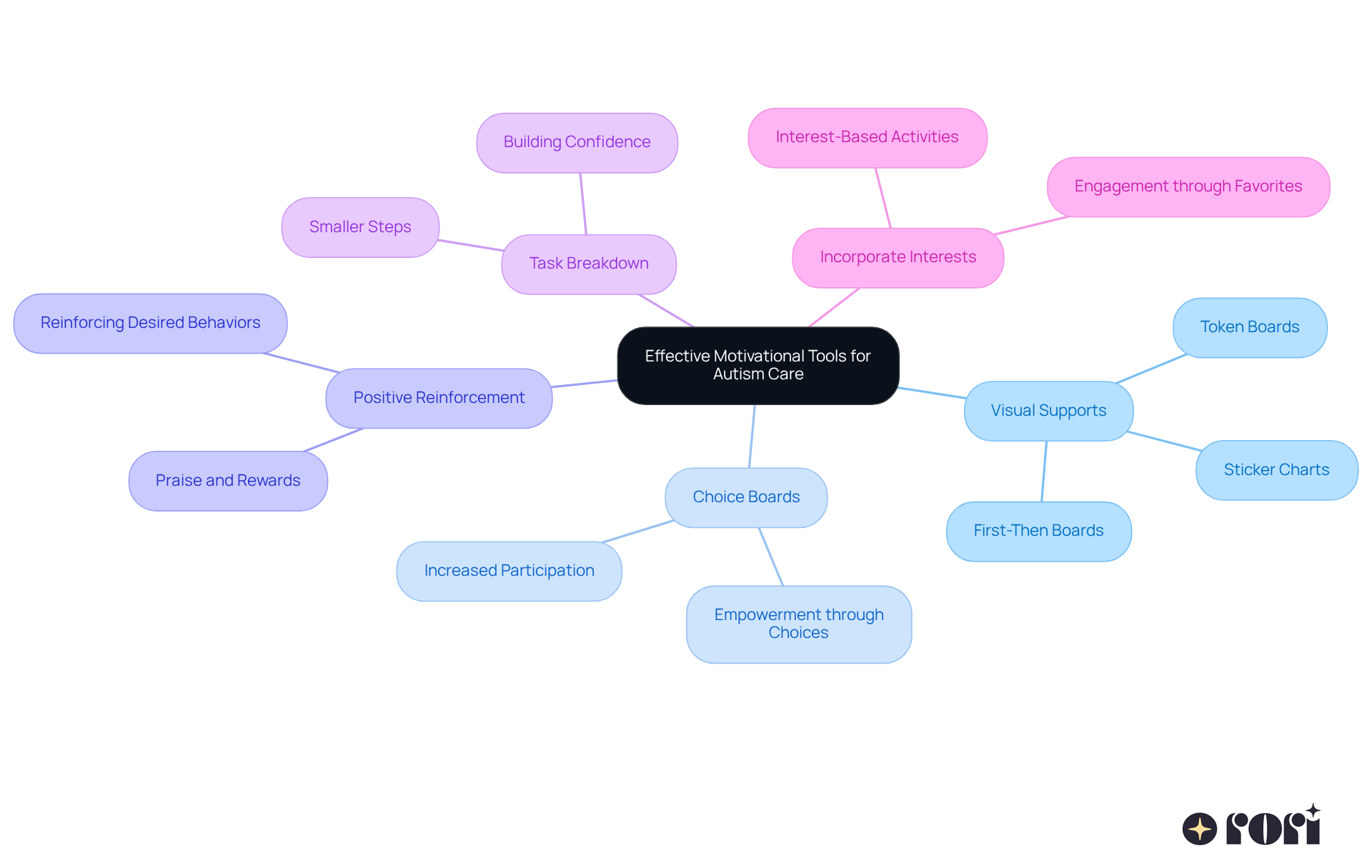
Technology can be considered effective motivational tools in autism care, particularly when combined with ABA principles. Let’s dive into some effective ways parents can use these tools:
By incorporating these tech tools into their daily routines, parents can significantly boost their child’s motivation and engagement, making learning both enjoyable and effective, and serve as effective motivational tools in autism care to support their behavioral goals. Let’s explore this together!
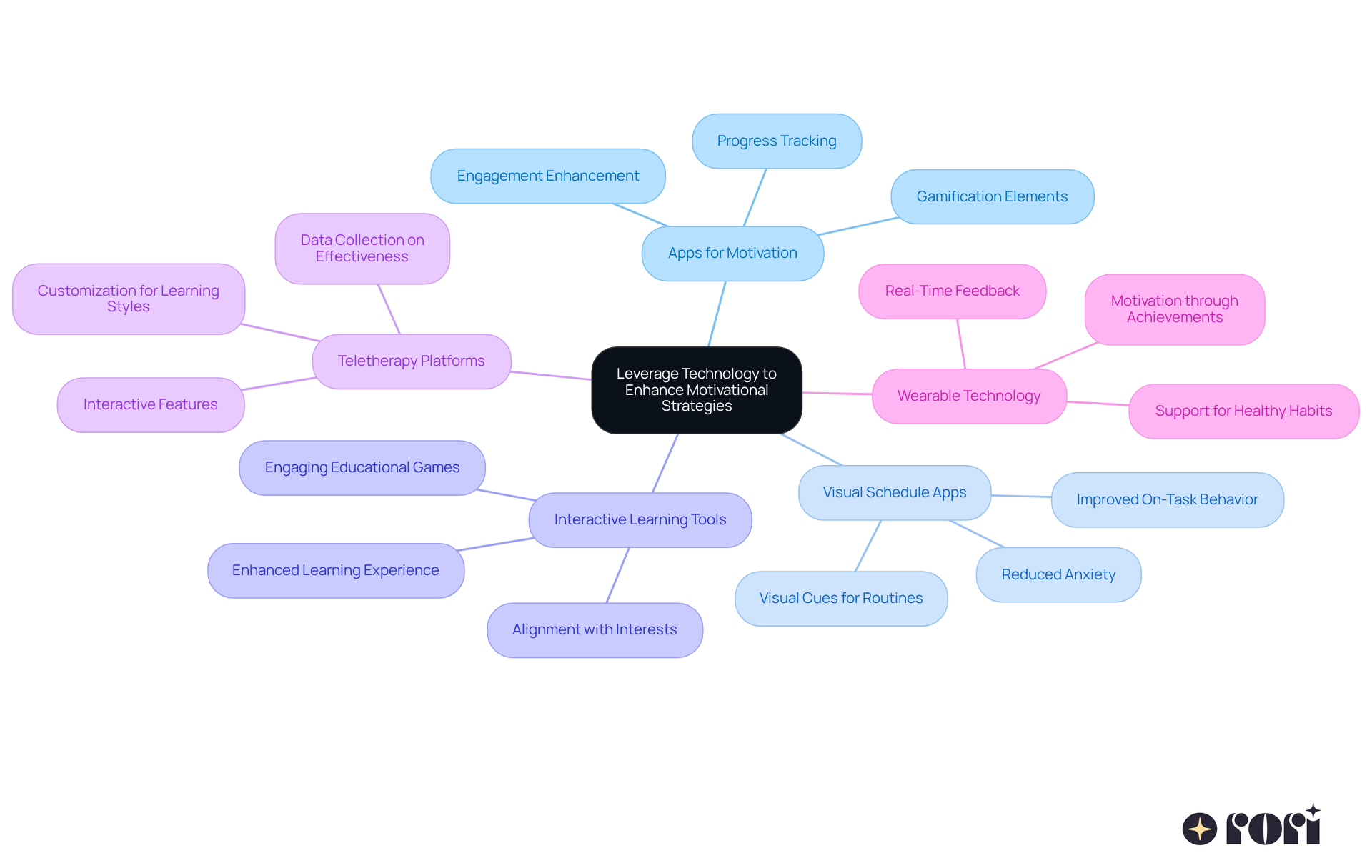
Collaboration between parents and clinicians is key to making effective motivational tools in autism care truly effective. Let’s dive into some best practices that can help foster this important partnership:
By nurturing collaboration, parents and clinicians can build a supportive environment that employs effective motivational tools in autism care to enhance motivation and engagement for children, ultimately paving the way for better outcomes. Let’s explore this journey together!
Understanding the nuances of motivation in autism care is so important for creating a supportive and engaging environment for our kids. By using effective motivational tools, parents can really enhance their child’s learning experience, making it more aligned with what they love and need. This tailored approach not only boosts engagement but also nurtures the intrinsic motivation that many autistic children have.
Throughout this article, we’ve highlighted various strategies, like visual supports, choice boards, positive reinforcement, and breaking tasks down into manageable steps. Plus, we’ve seen how technology-think apps and interactive learning tools can be a powerful ally in motivating children with autism. And let’s not forget, fostering collaboration between parents and clinicians is key to ensuring these motivational techniques are effectively implemented and adapted to meet each child’s evolving needs.
The journey of autism care is truly a team effort that calls for understanding, patience, and a sprinkle of innovation. By embracing these motivational tools and strategies, parents and clinicians can come together to create a nurturing environment where children can really thrive. Engaging with these practices not only supports the growth of motivation in children with autism but also opens the door to meaningful connections and successful outcomes in their development.
So, let’s explore this together! We’re here to help you every step of the way!
How does motivation in young individuals with autism differ from that in neurotypical peers?
Motivation in young individuals with autism often stems from their own interests rather than external rewards. They tend to be more engaged in activities related to their passions, such as trains or animals, rather than tasks they perceive as chores.
What role does intrinsic motivation play in autism care?
Intrinsic motivation serves as an effective motivational tool in autism care, helping autistic children learn and engage by focusing on activities they are passionate about.
How does social drive affect individuals with autism?
Many individuals with autism may not find social interactions as rewarding, which can lead to a decreased eagerness to connect with peers or adults. This highlights the need for supportive environments that acknowledge these differences.
What can parents do to boost their child's motivation in learning?
Parents can enhance motivation by incorporating their child's favorite activities into educational tasks, making learning feel more enjoyable and engaging.
Why is caregiver education important in autism care?
Caregiver education is crucial because it helps parents understand the dynamics of motivation and learn effective motivational tools, allowing them to tailor their approaches to fit their child's unique preferences and needs.
What is Rori Care's approach to enhancing social skills in children with autism?
Rori Care offers social skills group therapy led by trained therapists, which helps enhance social interactions and communication in a group setting, ultimately building better relationships and skills.
How can effective motivational tools impact learning and development for children with autism?
Effective motivational tools can create a more effective learning and development environment, helping children with autism engage better and improve their skills.