Visual supports have become essential tools in the education and development of individuals with autism. They act as bridges, connecting children to a world that often relies heavily on verbal communication. By using images, symbols, and objects, these aids not only help with understanding but also promote independence and ease anxiety, making daily routines feel more manageable.
But here’s the thing: how can caregivers and educators effectively use these strategies to meet each child’s unique needs? 🤔 This article dives into practical ways to integrate visual supports in autism education. We’ll explore their significant impact on learning outcomes and social interactions, and together, we can uncover how these tools can make a real difference in your child’s life. Let’s explore this together!
Visual aids are considered effective strategies for implementing visual supports in autism, as they help individuals communicate and understand the world around them. Think of them as friendly guides that use images, symbols, or objects to share information. You might come across different types, like graphical schedules, choice boards, and social narratives. These aids are crucial because they can really boost comprehension, ease anxiety, and encourage independence among young people with autism, demonstrating effective strategies for implementing visual supports in autism, especially since they often find it easier to process images than spoken words.
Research shows that graphical aids can significantly improve social skills and interactions. For example, in the Snack Talk study, three out of five participants saw a big jump in their social interactions. Engagement levels went from baseline averages of 2-20% to 6-28% during the intervention phase! Isn’t that amazing? It really highlights how using imagery can spark connections and enhance social involvement.
Plus, these aids help kids navigate their environments and understand what’s expected of them, leading to better learning outcomes. An autism educator once said, "Images are particularly beneficial for students who are experiencing challenges with expression or behavioral issues." This really underscores how vital these tools are for supporting young individuals with diverse needs by utilizing effective strategies for implementing visual supports in autism.
But the benefits don’t stop there! Visual aids are part of effective strategies for implementing visual supports in autism, which play a key role in fostering independence. For instance, they can help kids master daily routines like hand-washing and toileting. Caregivers and educators can use effective strategies for implementing visual supports in autism by providing clear cues to create a structured environment that encourages kids to thrive.
It’s super important to involve caregivers in creating and adjusting these resources. This way, they gain the skills and knowledge to effectively support their child’s behavioral goals. When caregivers actively participate and utilize effective strategies for implementing visual supports in autism, it ensures that the aids meet each learner's unique needs, leading to a more effective educational experience. And let’s not forget, incorporating social skills group therapy with these aids can further enhance interaction and relationship-building among peers.
In conclusion, effective strategies for implementing visual supports in autism not only enhance understanding and interaction for individuals with autism but also promote their overall growth and independence. By engaging caregivers and educators in crafting and refining these resources, we can make sure they adapt to each child’s evolving needs, ultimately creating a more effective learning experience. Let’s explore this together!

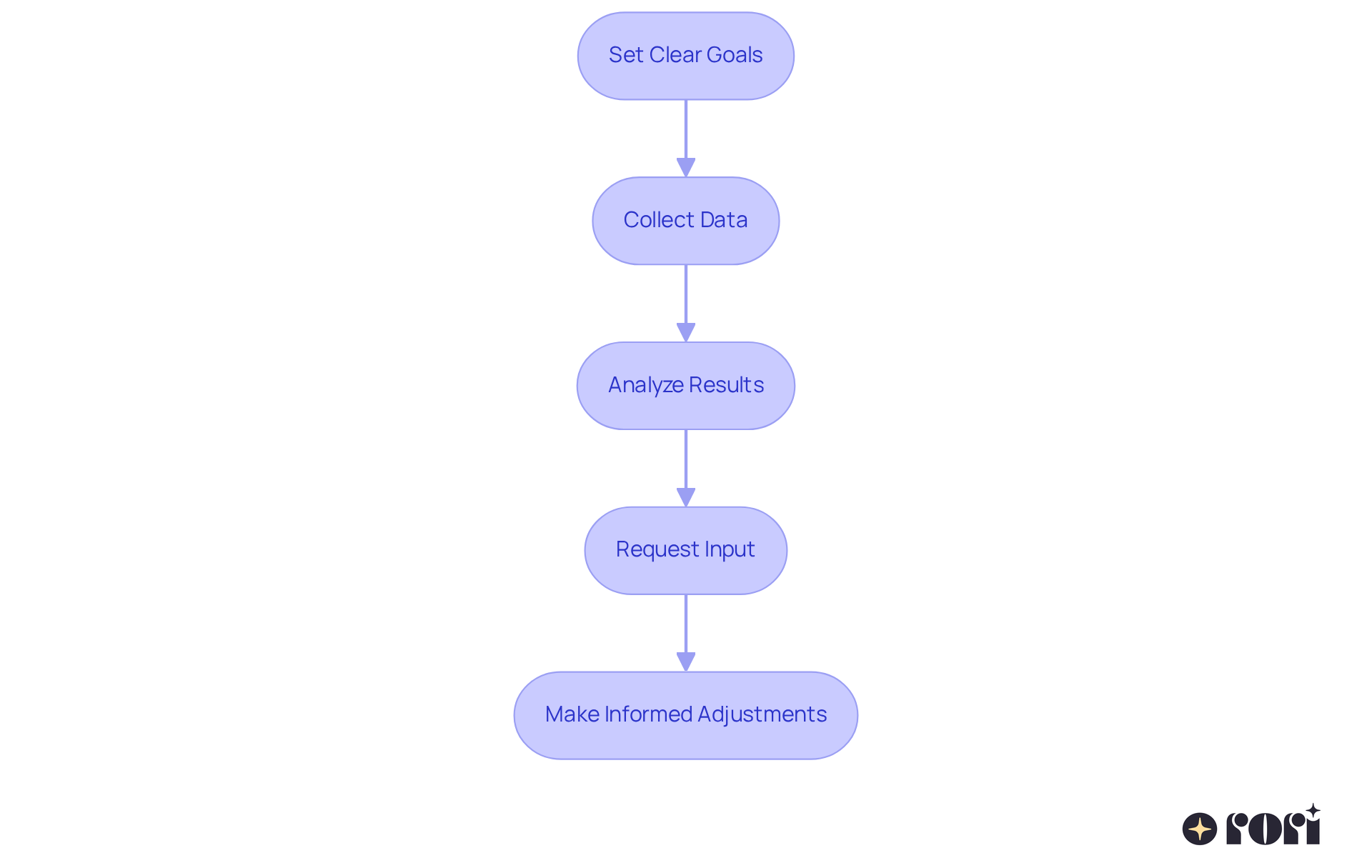
In autism education, effective strategies for implementing visual supports in autism are super important, as there are several types that can really help enhance learning and communication. Let’s take a look at some of them:
Visual Schedules: These handy tools lay out daily activities and transitions, helping kids know what’s coming next. They can really ease anxiety by providing predictability, allowing children to manage their routines with confidence.
Choice Boards: By giving kids the chance to express their preferences through visual options, choice boards boost decision-making skills. This little bit of empowerment encourages independence and gets young learners excited about taking an active role in their education.
Social Stories: These engaging narratives use visuals to explain social situations and the right responses, which is great for developing social skills. They’ve been shown to improve understanding and behavior in different contexts, helping to reduce anxiety in unfamiliar situations.
Visual Cues: Simple images or symbols can prompt specific behaviors or actions, like a picture of a quiet hand for raising hands in class. These cues clarify expectations, making it easier for kids to follow instructions.
Task Analysis Charts: By breaking down complex tasks into manageable steps, these charts provide visual guidance for completing activities. This approach not only boosts task completion success but also helps develop essential life skills.
Each type of visual aid serves a unique purpose and can be tailored to meet the specific needs of children with autism by applying effective strategies for implementing visual supports in autism. Success stories highlight how effective strategies for implementing visual supports in autism can be in promoting independence and enhancing interactions. They truly are essential elements of successful autism therapy.
Let’s explore this together and see how these supports can make a difference!
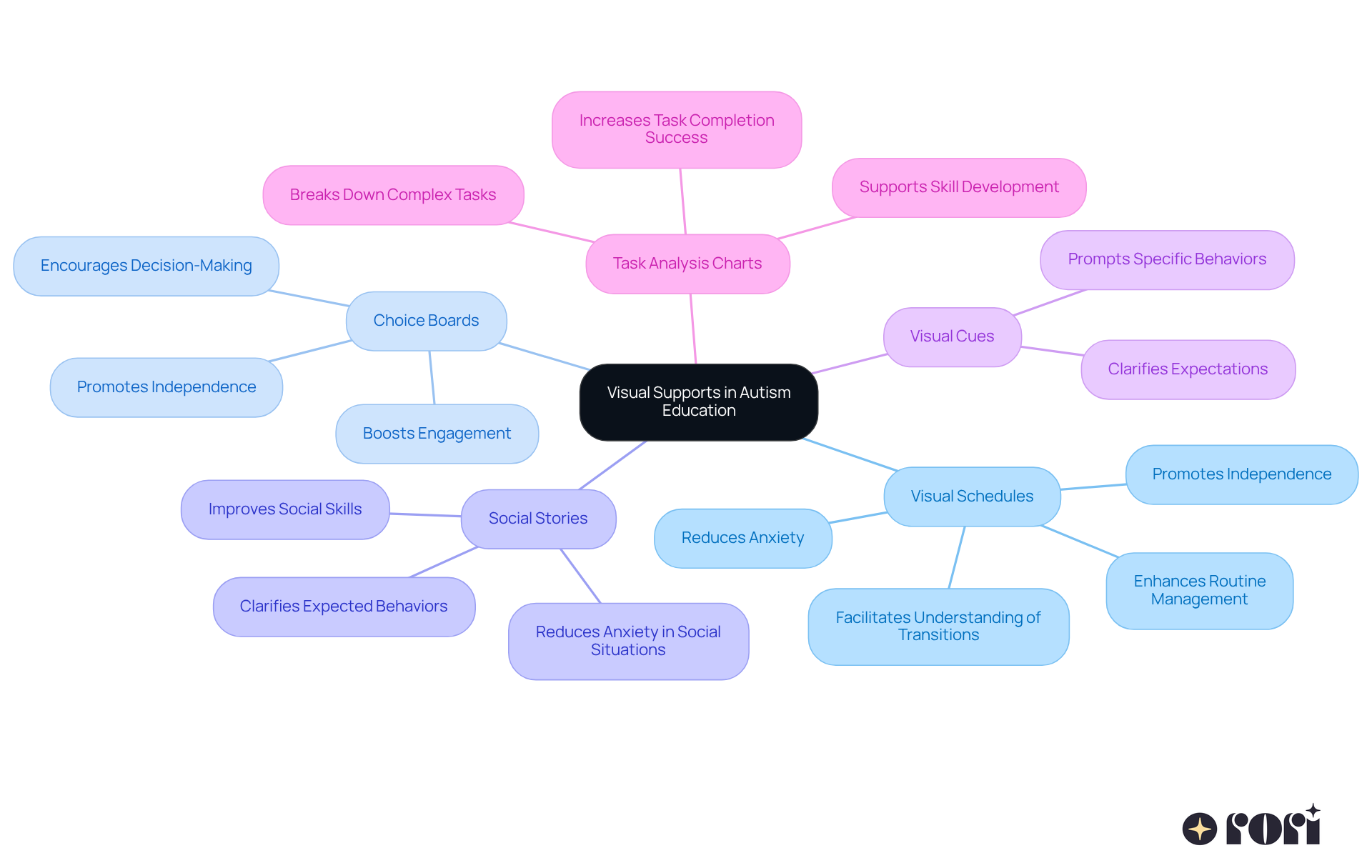
To implement visual supports effectively, let’s break it down into some simple steps:
Identify the Need: Start by assessing the specific challenges your child faces in communication or understanding routines. This initial step is super important! Research shows that early intervention can lead to better outcomes for kids with autism.
Choose Suitable Images: Next, pick graphic aids that fit your child’s needs. Think about picture schedules for transitions or choice boards for decision-making. Visual schedules are one of the effective strategies for implementing visual supports in autism, as they can really help create predictability and ease anxiety for kids on the spectrum.
Create Visuals: Now, let’s develop some clear and engaging visuals! Use images, symbols, or photographs that your child is familiar with. Tools like Boardmaker can help you create Picture Communication Symbols (PCS) that make understanding easier.
Introduce Images Step by Step: It’s best to present one graphic aid at a time. This way, you won’t overwhelm your child. Gradually introducing each aid helps them adjust and understand what each one is for.
Model Usage: Show your child how to use these aids in context. Guide them through their application. Modeling is key here, as it helps your child see how effective strategies for implementing visual supports in autism can be applied in everyday tasks.
Strengthen Comprehension: Use positive encouragement when your child effectively uses the aids. This not only boosts their confidence but also keeps them engaged with the visuals.
Observe and Modify: Finally, keep an eye on how well the aids are working. Make adjustments as needed to ensure they continue to meet your child’s changing needs. Ongoing evaluation is crucial, as the effectiveness of these aids can change as your child grows and learns new skills.
Let’s explore this together! Remember, you’re not alone in this journey.
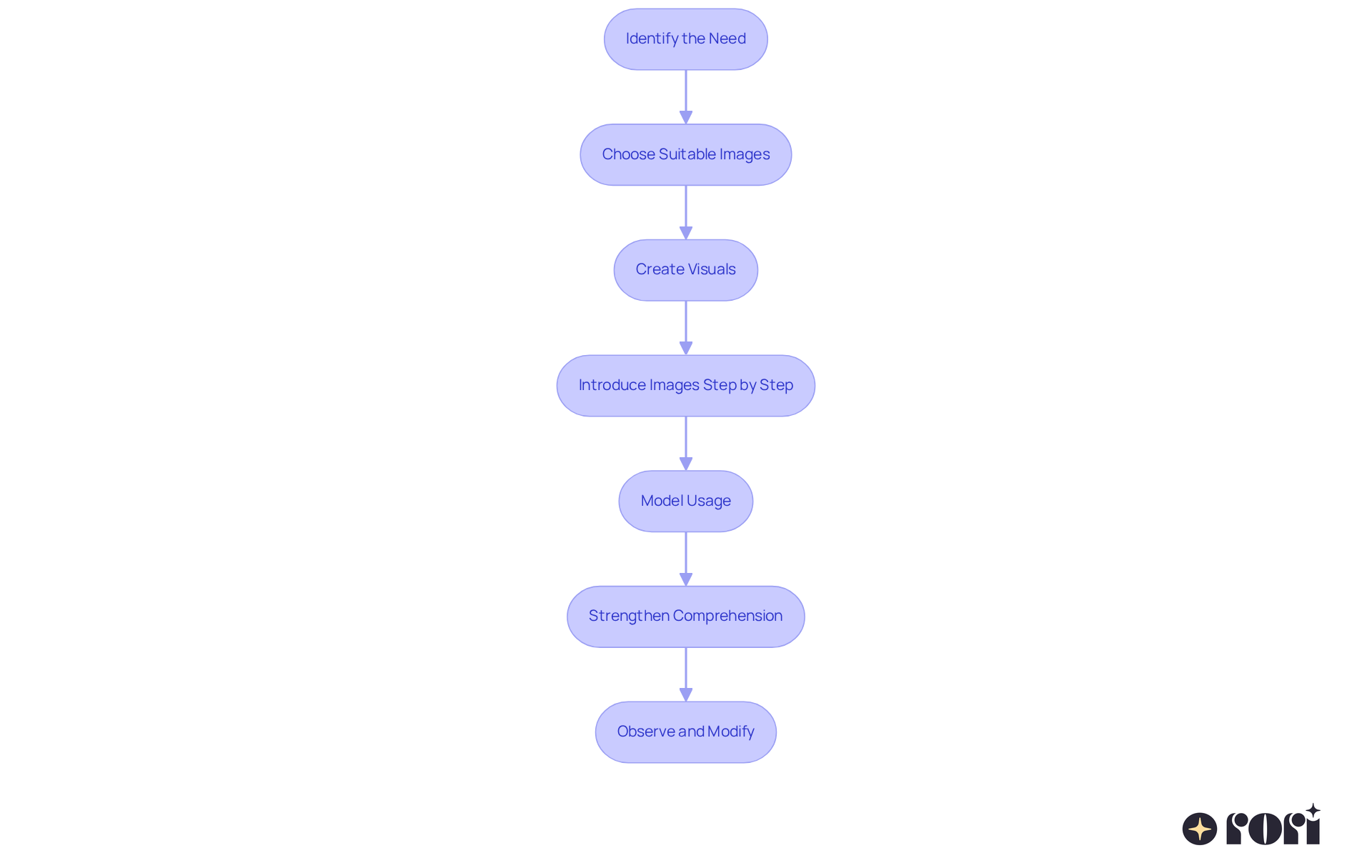
To effectively evaluate how visual supports can impact learning outcomes for children with autism, let’s explore some friendly strategies together:
Set Clear Goals: Start by establishing specific, measurable objectives for using graphical aids. Think about enhancing communication skills or fostering greater independence. This clarity helps you assess progress accurately and keeps everyone on the same page.
Collect Data: It’s super helpful to utilize observational data, checklists, and progress monitoring tools to track how your child engages with visual supports and any behavioral changes that follow. At Rori Care, we document sessions to ensure our clinical team is always available for your little one, allowing for uninterrupted data collection and report writing. Plus, this data is securely stored and anonymized, protecting confidentiality while empowering you with reliable insights into your child’s learning journey. Research shows that structured data collection can really enhance understanding of a young person's progress.
Analyze Results: Regularly reviewing the collected data is key! Look for trends and patterns in your child’s behavior and learning outcomes. This examination is essential for assessing how effective those graphical aids are in reaching the goals you’ve set.
Request Input: Don’t hesitate to gather perspectives from parents, educators, and therapists about your child’s development and the perceived effectiveness of the graphical aids. Feedback from different viewpoints can provide a well-rounded view of your child’s growth.
Make Informed Adjustments: Based on what you find in your assessments, be ready to tweak the aids or strategies to better fit your child’s evolving needs. Ongoing enhancement is crucial for maximizing the benefits of graphical aids in the learning process.
By applying effective strategies for implementing visual supports in autism, you can ensure that the aids are not only effective but also tailored to enhance the learning experience for children with autism. Visual supports, like visual schedules and token boards, have been shown to enhance language comprehension and facilitate better communication in ABA therapy for individuals with autism.
Let’s keep this conversation going! Your insights and experiences matter, and together we can make a difference!
Implementing visual supports in autism education is such a powerful way to enhance communication, understanding, and independence for individuals on the spectrum. Tools like visual schedules, choice boards, and social stories are essential aids that help bridge the gap between complex concepts and everyday experiences. This ultimately fosters a supportive learning environment for our kids.
Throughout this article, we’ve highlighted the importance of visual supports with various insights. They play a crucial role in improving social interactions, easing anxiety, and promoting daily living skills. These strategies aren’t just beneficial; they’re necessary for the growth of children with autism. By engaging caregivers and educators in the process, we can tailor these visual aids to meet each child’s unique needs, making the learning experience even more impactful.
The journey of utilizing visual supports is all about collaboration, observation, and adaptation. By embracing these effective strategies, caregivers and educators can create a nurturing atmosphere that encourages children with autism to thrive. As our understanding of visual supports continues to evolve, let’s stay proactive in exploring their implementation and impact. Together, we can ensure that every child has the opportunity to succeed and communicate effectively.
Let’s explore this together! We’re here to help you every step of the way!
What are visual supports in the context of autism?
Visual supports are strategies that utilize images, symbols, or objects to help individuals with autism communicate and understand their environment. They serve as friendly guides to share information.
What types of visual supports are commonly used?
Common types of visual supports include graphical schedules, choice boards, and social narratives.
Why are visual supports important for individuals with autism?
Visual supports are important because they boost comprehension, ease anxiety, and encourage independence among individuals with autism, as they often process images more easily than spoken words.
How do visual aids improve social skills in individuals with autism?
Research indicates that visual aids can significantly enhance social skills and interactions. For example, a study showed that participants experienced a notable increase in social interactions during the use of visual aids.
In what ways do visual supports assist children in their daily routines?
Visual supports help children navigate their environments and understand expectations, which can lead to better learning outcomes and mastery of daily routines such as hand-washing and toileting.
How can caregivers contribute to the effectiveness of visual supports?
Caregivers can play a crucial role by being involved in the creation and adjustment of visual supports, ensuring that these resources meet the unique needs of their child and support their behavioral goals.
What additional strategies can enhance the effectiveness of visual supports?
Incorporating social skills group therapy alongside visual supports can further enhance interaction and relationship-building among peers.
What is the overall impact of visual supports on individuals with autism?
Visual supports not only enhance understanding and interaction for individuals with autism but also promote their overall growth and independence by adapting to their evolving needs.