Navigating the world of elopement behavior in children with autism can feel overwhelming for many parents. With nearly half of children on the autism spectrum attempting to escape safe spaces, it’s a real concern for families looking for effective strategies to keep their kids safe.
We’ll explore some proactive strategies, share effective responses, and highlight how families and specialists can work together to turn fear into empowerment.
Let’s dive into how caregivers can create a safe and nurturing environment for their little ones!
Have you ever felt that sinking feeling when your child with autism suddenly runs off? You're not alone. Elopement happens when kids with autism wander away from safe spaces, and it can be really scary for parents. Studies show that nearly half of individuals with autism spectrum disorder (ASD) try to escape after the age of four, especially between ages four and seven. Getting to the bottom of why your child runs off is key to keeping them safe. Common triggers include:
For instance, a child might flee a noisy classroom in search of a quieter spot. By identifying these triggers, you can create supportive environments and implement strategies for students who elope, helping to reduce the chances of elopement.
A Functional Behavior Assessment can help you figure out what’s causing your child to elope, which will allow you to develop strategies for students who elope. Setting up routines, using visual aids, and teaching safety skills can really help your child feel secure. At Rori Care, we’re here to help you every step of the way! Our behavior care engine performs functional behavior analysis for target behaviors and skills, generating automatic progress reports for clinician review. This ensures that interventions are tailored to each child's unique needs, with measurable goals and evidence-based strategies that empower caregivers.
Constant oversight is crucial in preventing wandering, and resources like the Big Red Safety Tool Kit from the National Autism Association can offer valuable assistance for families. When caregivers get involved in tracking progress and aligning strategies, Rori Care enhances the effectiveness of behavioral support, ensuring that each child's goals are met with ongoing evaluation and modification. By understanding your child's needs, you can create a safer environment and enjoy peace of mind.
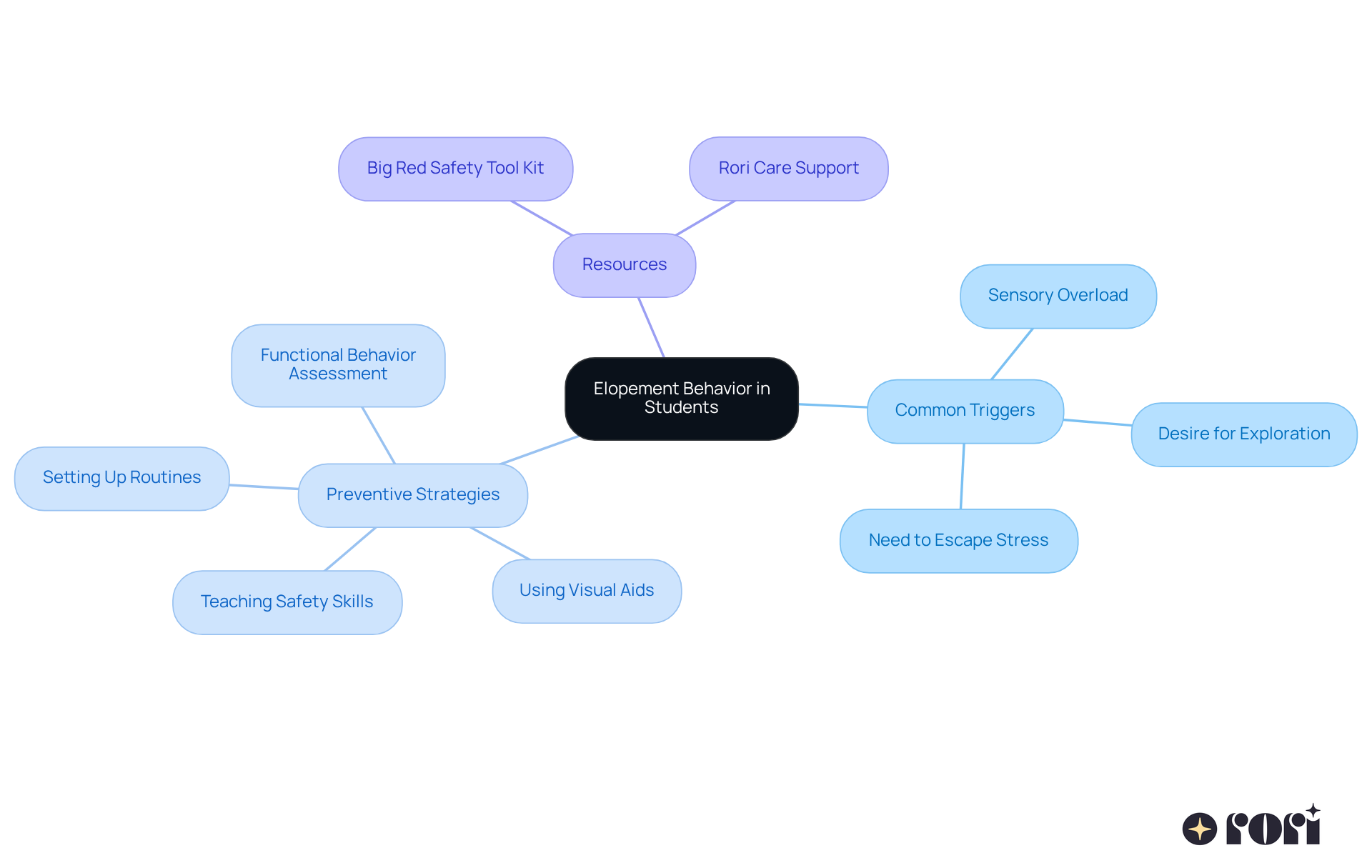
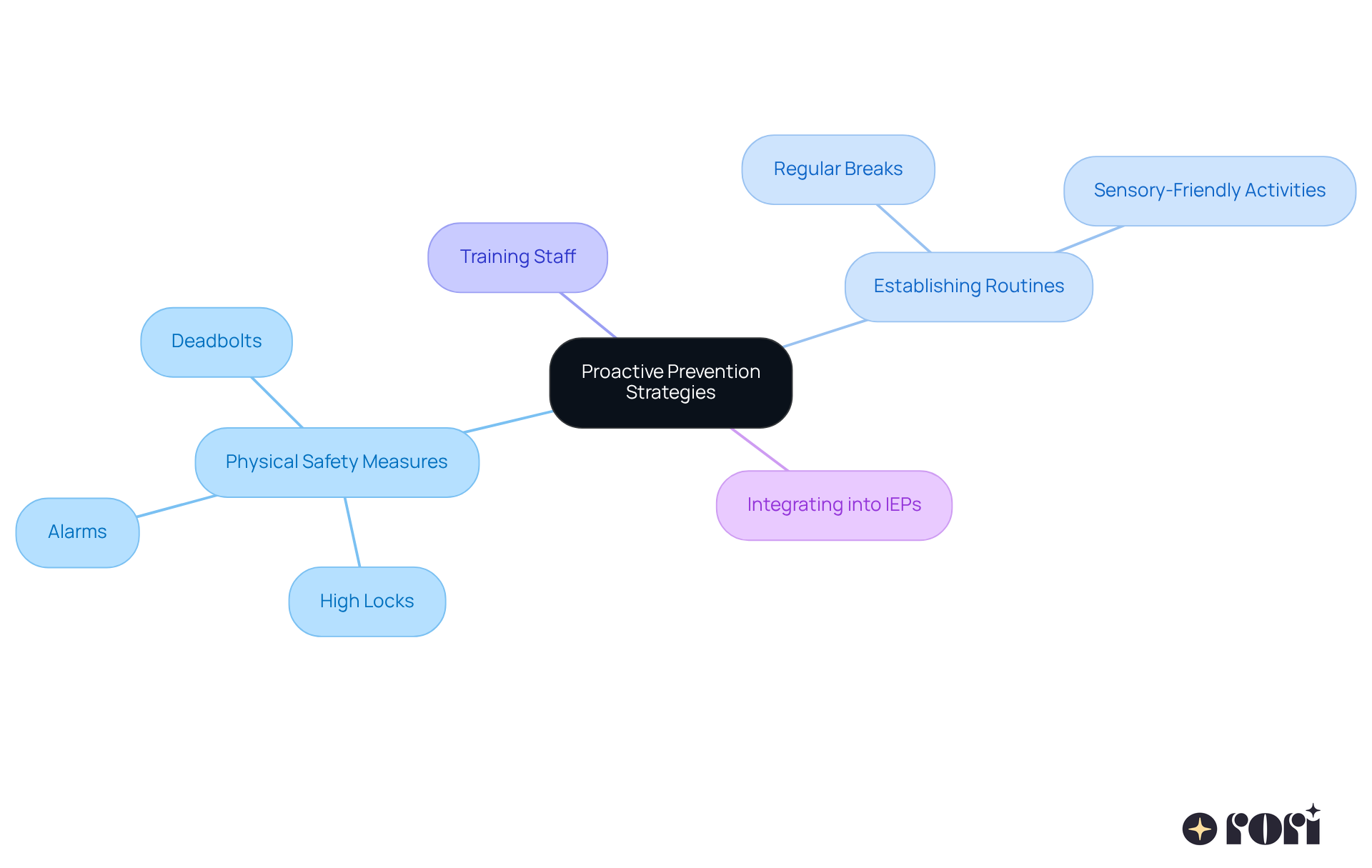
Worried about your child wandering off? You're not alone! To effectively prevent runaway behavior, parents and educators can adopt strategies for students who elope by taking proactive steps to create a safe and structured environment. Think about it: high locks and alarms can really help keep your little ones safe! It's all about creating that secure space.
Establishing clear visual boundaries in classrooms or at home can also enhance safety. Kids thrive on routine! When they know what to expect, it helps them feel safe and less likely to wander off. For instance, incorporating regular breaks and sensory-friendly activities can ease anxiety and reduce the urge to escape.
Training staff and family members on prevention techniques is key. Everyone should be ready to respond appropriately. And guess what? Studies show that simple changes like deadbolts and door alarms can really cut down on those wandering incidents! Many parents find these strategies effective, which is a huge relief.
It's also super important for educators to integrate strategies for students who elope into IEPs, making sure each plan fits the unique needs of every child. By taking these proactive steps, parents can create a safer environment, allowing them to breathe a little easier knowing their child is protected. Taking these steps not only enhances safety but also brings peace of mind to families, allowing everyone to enjoy their time together more fully.
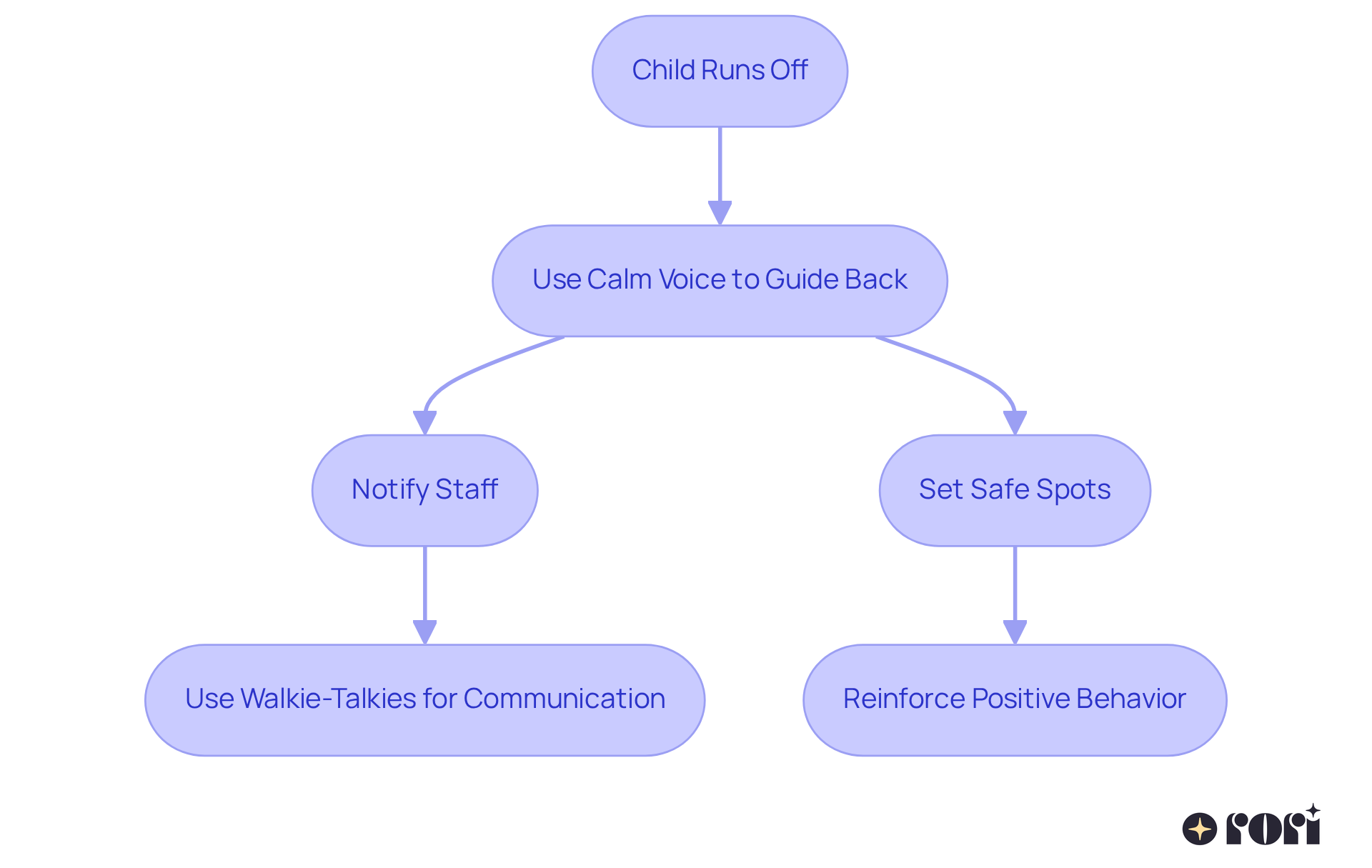
It’s a parent's worst nightmare when a little one runs off unexpectedly. Responding quickly and calmly is key to keeping them safe. Instead, try using a calm voice to guide them back to safety.
Having a clear plan, like letting staff know and setting safe spots for your child, can really help keep them safe. For instance, during school events, staff trained with walkie-talkies can communicate effectively to ensure a safe return. Research shows that staying calm during these moments can lead to better outcomes, with many caregivers noticing improved security when they use these methods.
Reinforcing positive behavior when your child stays in designated areas can also help reduce future runaway incidents. This way, you’re not just keeping your child safe; you’re also creating a trusting environment where they feel understood. Let’s explore this together!
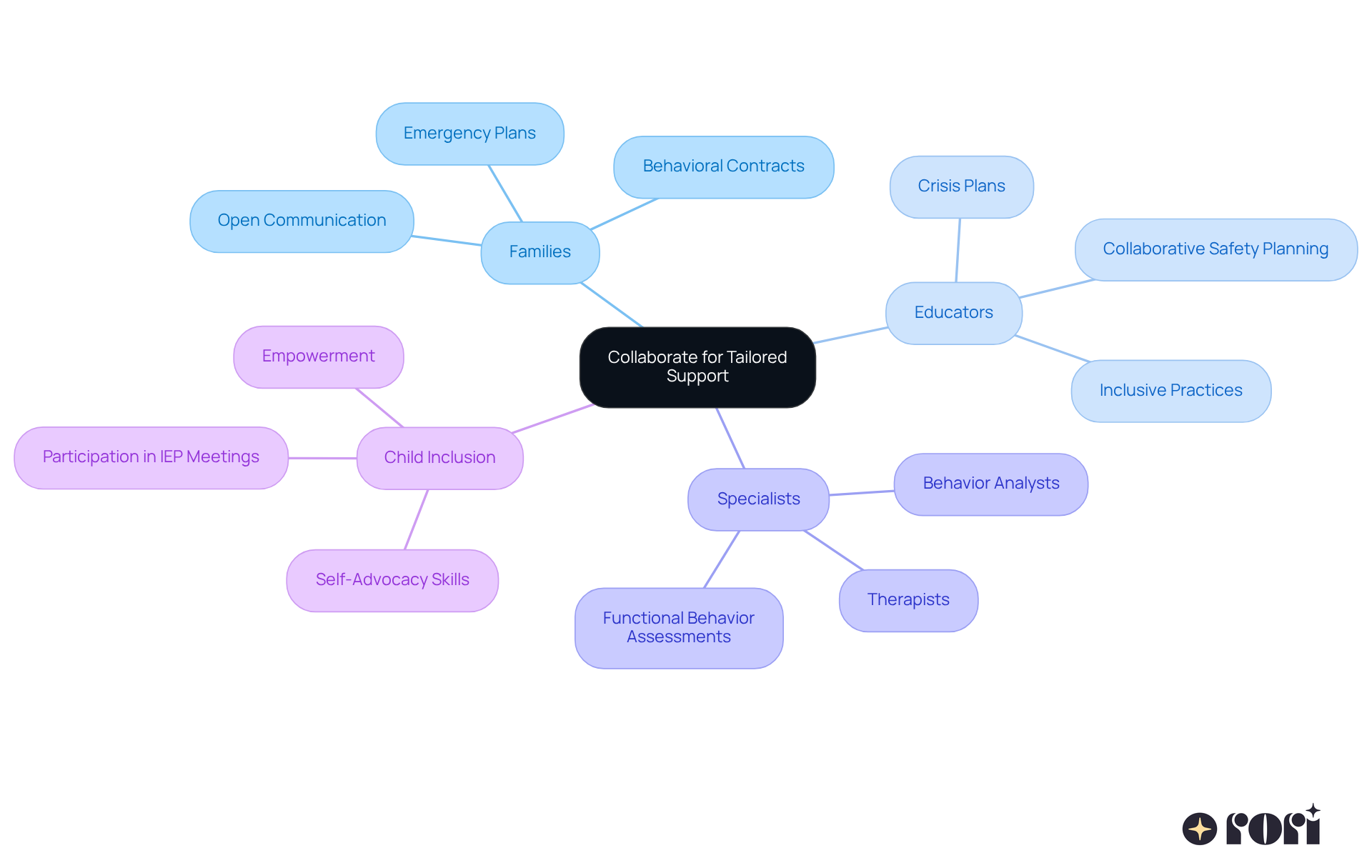
Navigating the world of autism can feel overwhelming, especially when it comes to finding the right support for your child. Working together with families, educators, and specialists can make a big difference! It’s so important for parents to team up with behavior analysts, therapists, and educators to create a personalized plan that fits their child’s unique needs.
Keeping the lines of communication open is key! It helps everyone stay on the same page about strategies and progress. For example, sharing what works at home - like triggers and successful strategies - can really help schools create a consistent approach.
And don’t forget to include your child in the conversation! Talking about their feelings and preferences not only empowers them but also helps keep them safe. By working together, we can create a supportive environment that truly meets your child's needs.
Navigating the challenges of elopement behavior in children can feel daunting for parents, especially when safety is at stake. By implementing effective strategies, you can create a supportive environment that minimizes the risk of wandering and promotes a sense of security for your child.
Recognizing triggers that lead to elopement, like sensory overload or the need for exploration, is key. Establishing clear boundaries and routines, using safety tools, and training family members can make a big difference. Plus, having effective response techniques during elopement incidents is crucial. Remember, collaboration among families, educators, and specialists is vital in developing tailored support for each child.
With the right support and strategies, families can create a safe haven where their children can truly flourish. It’s all about empowering your child and ensuring they feel understood and supported as they navigate their unique challenges. The journey may be complex, but together, we can cultivate a nurturing space where children thrive. Let’s explore this together!
What is elopement behavior in students with autism?
Elopement behavior refers to when children with autism wander away from safe spaces, which can be alarming for parents. It often occurs after the age of four, particularly between ages four and seven.
What are common triggers for elopement in children with autism?
Common triggers include sensory overload, a desire for exploration, and the need to escape stressful situations, such as fleeing a noisy classroom for a quieter spot.
How can parents identify the causes of elopement behavior?
Conducting a Functional Behavior Assessment can help determine the reasons behind a child's elopement, allowing for the development of tailored strategies to address the behavior.
What strategies can be implemented to help reduce elopement?
Strategies include setting up routines, using visual aids, teaching safety skills, and creating supportive environments that cater to the child's needs.
How does Rori Care assist families dealing with elopement behavior?
Rori Care provides functional behavior analysis for target behaviors and skills, generating automatic progress reports for clinician review, ensuring interventions are tailored to each child's unique needs.
Why is constant oversight important in preventing elopement?
Constant oversight is crucial to prevent wandering, as it helps caregivers monitor the child's behavior and implement strategies effectively.
What resources are available for families to help manage elopement behavior?
Resources like the Big Red Safety Tool Kit from the National Autism Association can provide valuable assistance for families in managing elopement behavior.
How can caregivers enhance the effectiveness of behavioral support for children with autism?
Caregivers can enhance effectiveness by tracking progress, aligning strategies with the child's needs, and ensuring ongoing evaluation and modification of interventions.