Understanding sensory overload is so important for parents of children with autism. It can really impact their daily lives and emotional well-being. In this article, we’ll explore some effective strategies to help manage sensory overload, giving you valuable insights into creating supportive environments and using behavioral techniques.
But how can you, as caregivers, identify triggers and find solutions that truly resonate with your child’s unique needs? 🤔 Let’s dive into these questions together! By exploring them, we can empower families to build resilience and enhance the quality of life for our little ones. We’re here to help you every step of the way!
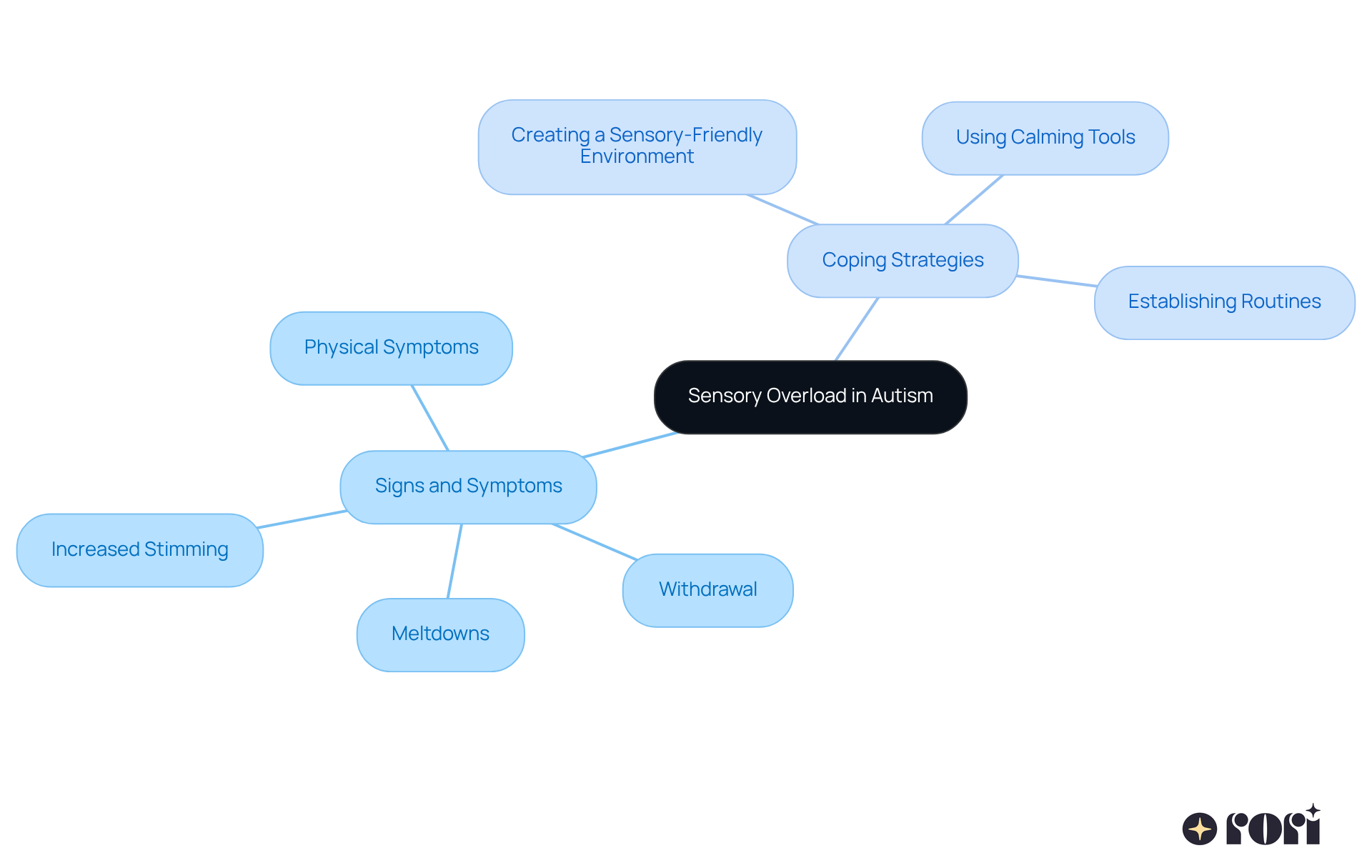
can be quite overwhelming, especially for our little ones with autism. It happens when they receive more sensory input than they can handle, leading to distress. You might notice signs like , anxiety, or even physical discomfort. Here are some common indicators:
Did you know that research shows up to 90% of individuals with autism experience ? This can really affect their daily lives and social interactions. As Ana Gentil-Gutiérrez points out, "Children with Autism Spectrum Disorder (ASD) often encounter challenges in processing sensory information, which poses a constraint when engaging in various settings, such as school."
Recognizing these signs early is so important for parents. The sooner you can intervene, the better! By getting involved in your child’s therapy and using , you can help them develop tailored to their unique needs. For instance, employing , such as by lowering noise levels, providing calming tools, and establishing routines, can make a world of difference.
Also, don’t forget about . These changes can significantly enhance your child’s learning experience. Plus, studies show that when ABA therapy is fully implemented with active caregiver participation, about 90% of young individuals see significant progress. This really highlights how crucial your involvement is in managing sensory challenges.
Let’s explore this together! We’re here to help you every step of the way!
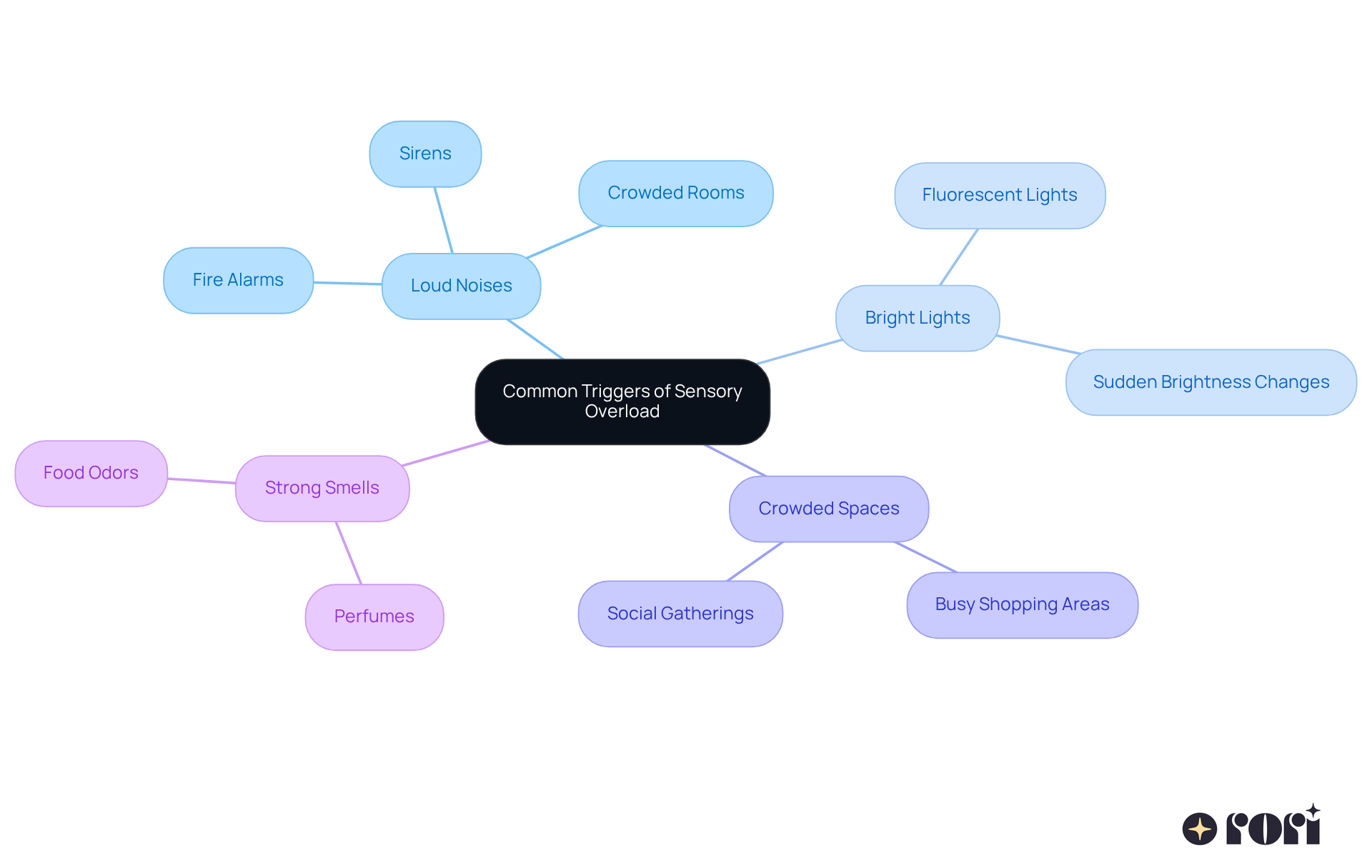
Sensory overload can be a real challenge for many children with autism, and it’s important to recognize what might trigger these feelings. Here are some common culprits:
Understanding these triggers is essential for developing ! At Rori Care, we tailor our to meet each child’s unique needs. This service is designed for individuals of all ages facing , including those with Autism Spectrum Disorders, ADHD, and learning disabilities.
As parents, observing your child’s reactions in different environments can help you pinpoint specific triggers. This insight allows you to create to manage or avoid these situations effectively. And guess what? With the support of Rori Care's , families can access to develop . We’re here to empower you with ABA principles, ensuring effective behavioral support for your little ones. Let’s explore this together!
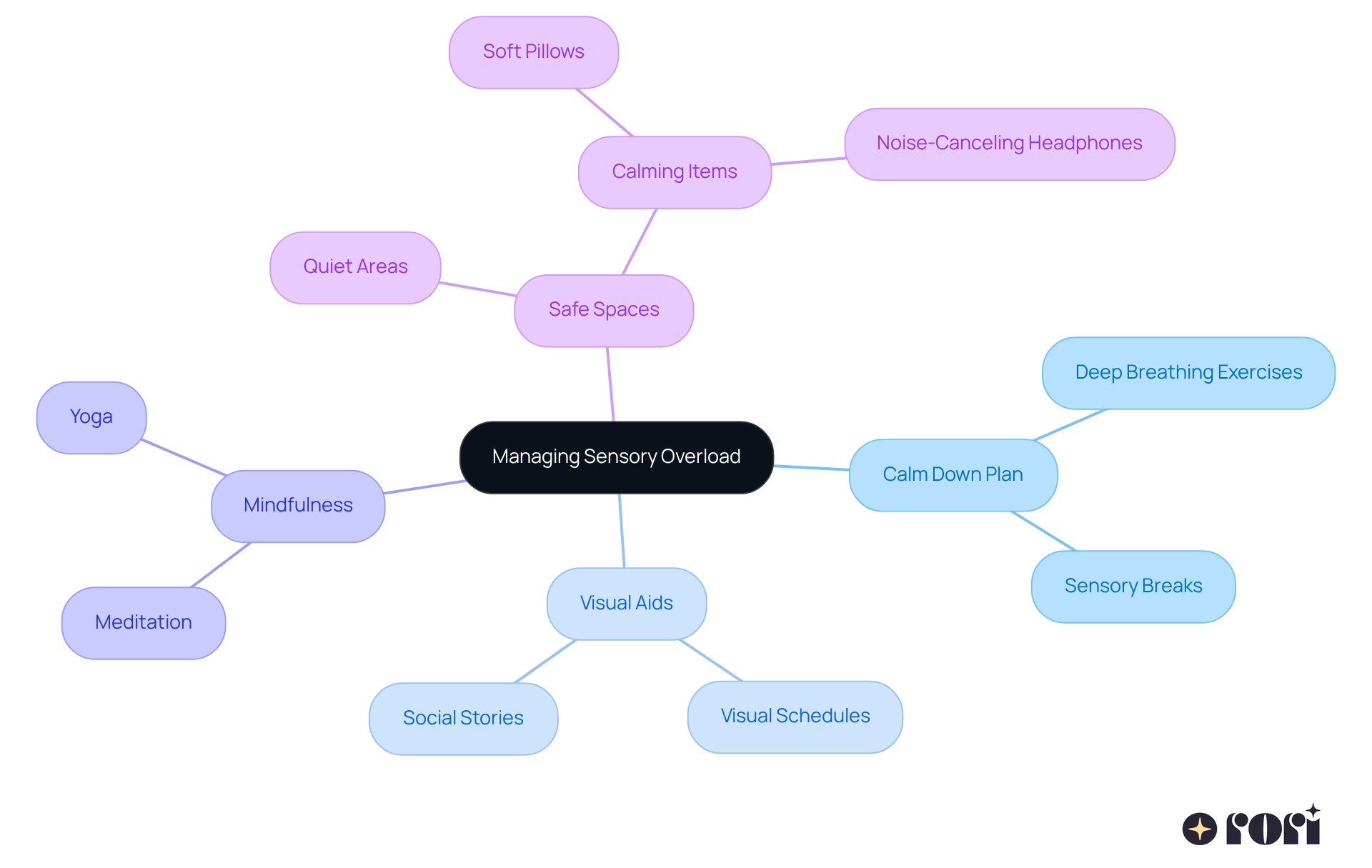
Managing sensory overload can feel overwhelming for parents, but there are that can really help, especially when you consider the principles of and the support from Rori Care. Let’s explore this together!
These can be customized to address each child’s unique needs, promoting a sense of safety and control. Remember, as behavioral therapists often say, "Seeing a young one as struggling rather than misbehaving encourages supportive responses." This perspective allows parents to respond with empathy and support instead of frustration. By implementing these techniques, you can help foster resilience and emotional well-being in your children, ultimately enhancing their overall quality of life. We’re here to help you every step of the way!
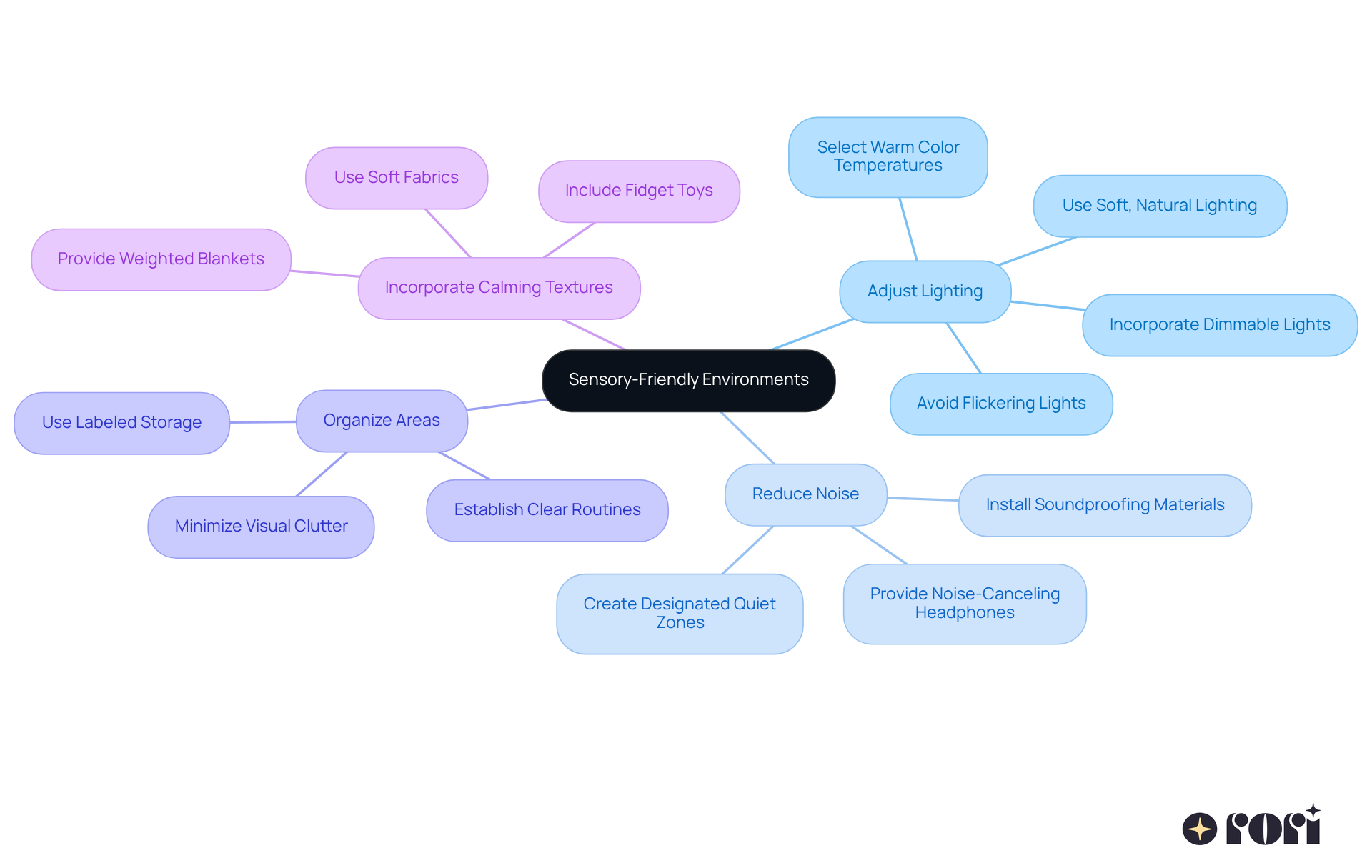
Creating can significantly impact our little ones. Here are some to consider:
These little changes can help create a that incorporates , truly accommodating your child’s needs and encouraging overall wellness. Let’s explore this together!
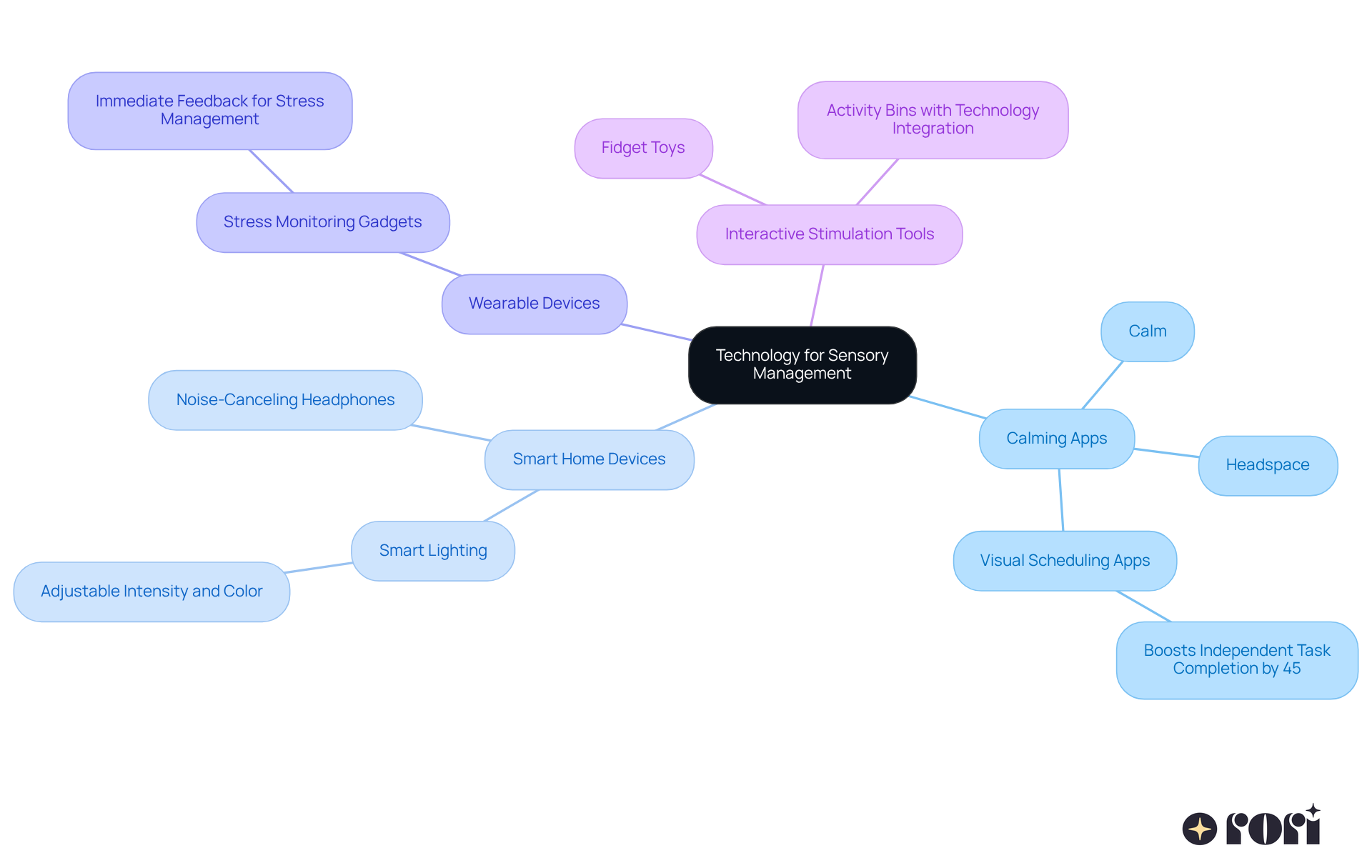
Technology plays a crucial role in providing . Let’s explore some effective strategies to make the most of these tools:
By incorporating these technological tools, parents can create a more for their children. Together, we can help them implement and foster greater independence. Let’s take this journey together!
Understanding sensory overload in children with autism is so important for parents and caregivers. This article shines a light on recognizing signs and symptoms, spotting common triggers, and implementing effective strategies to create a supportive environment. By fostering awareness and taking proactive steps, parents can really help their child navigate those overwhelming sensory experiences.
Key insights include the importance of spotting early signs of sensory overload, like increased stimming, withdrawal, and meltdowns. Plus, we’ll explore practical strategies, such as:
Collaborating with professionals and incorporating tailored interventions highlights just how impactful caregiver involvement can be in the therapeutic process.
In conclusion, managing sensory overload in autism is a journey that calls for patience, understanding, and active participation. By putting these strategies into action, parents can create nurturing environments that cater to their child's unique needs. Embracing this approach not only builds resilience but also empowers children to thrive in their daily lives. It’s essential to stay vigilant and adaptable, ensuring that each child's experience is met with empathy and support. Together, let’s make a meaningful difference in the lives of children with autism and help them flourish amidst sensory challenges!
What is sensory overload in autism?
Sensory overload in autism occurs when individuals receive more sensory input than they can handle, leading to distress. It can manifest through signs like increased irritability, anxiety, and physical discomfort.
What are some common signs of sensory overload in children with autism?
Common signs include increased stimming (repetitive movements), withdrawal from social interactions, intense emotional meltdowns, and physical symptoms like headaches or stomachaches.
How prevalent is heightened sensitivity in individuals with autism?
Research indicates that up to 90% of individuals with autism experience heightened sensitivity, which can significantly affect their daily lives and social interactions.
Why is it important for parents to recognize signs of sensory overload early?
Early recognition allows parents to intervene sooner, helping their child develop effective coping strategies tailored to their unique needs, ultimately improving their ability to manage sensory challenges.
What strategies can help manage sensory overload in children with autism?
Effective strategies include creating a sensory-friendly environment by lowering noise levels, providing calming tools, and establishing routines.
What are common triggers of sensory overload for children with autism?
Common triggers include loud noises (like fire alarms), bright lights (such as harsh fluorescent lights), crowded spaces (like busy shopping areas), and strong smells (like perfumes or food odors).
How can parents identify specific triggers for their child?
Parents can observe their child's reactions in different environments to pinpoint specific triggers, which helps in developing effective strategies to manage or avoid overwhelming situations.
What support does Rori Care provide for families dealing with sensory overload?
Rori Care offers tailored Applied Behavior Analysis (ABA) therapy for individuals facing behavioral challenges, including autism. They provide free consultations with Board Certified Behavior Analysts to develop customized interventions.