Effective Techniques for Managing Mealtime Challenges in Autism

Discover effective techniques for managing mealtime challenges in autism for a smoother dining experience.

Introduction

Feeding challenges can feel like a tough mountain to climb for many families navigating the complexities of autism. You might find yourself facing food refusal, sensory sensitivities, or restrictive eating habits. Understanding these hurdles is key for caregivers who want to create positive mealtime experiences.

So, what can we do about it? Let’s explore some effective techniques that can turn these challenges into opportunities for growth and enjoyment at the dining table! By diving into tailored strategies, parents can empower themselves to create a nurturing environment that not only meets their child's unique needs but also boosts overall well-being.

We’re here to help you every step of the way!

Identify Common Feeding Challenges in Autism

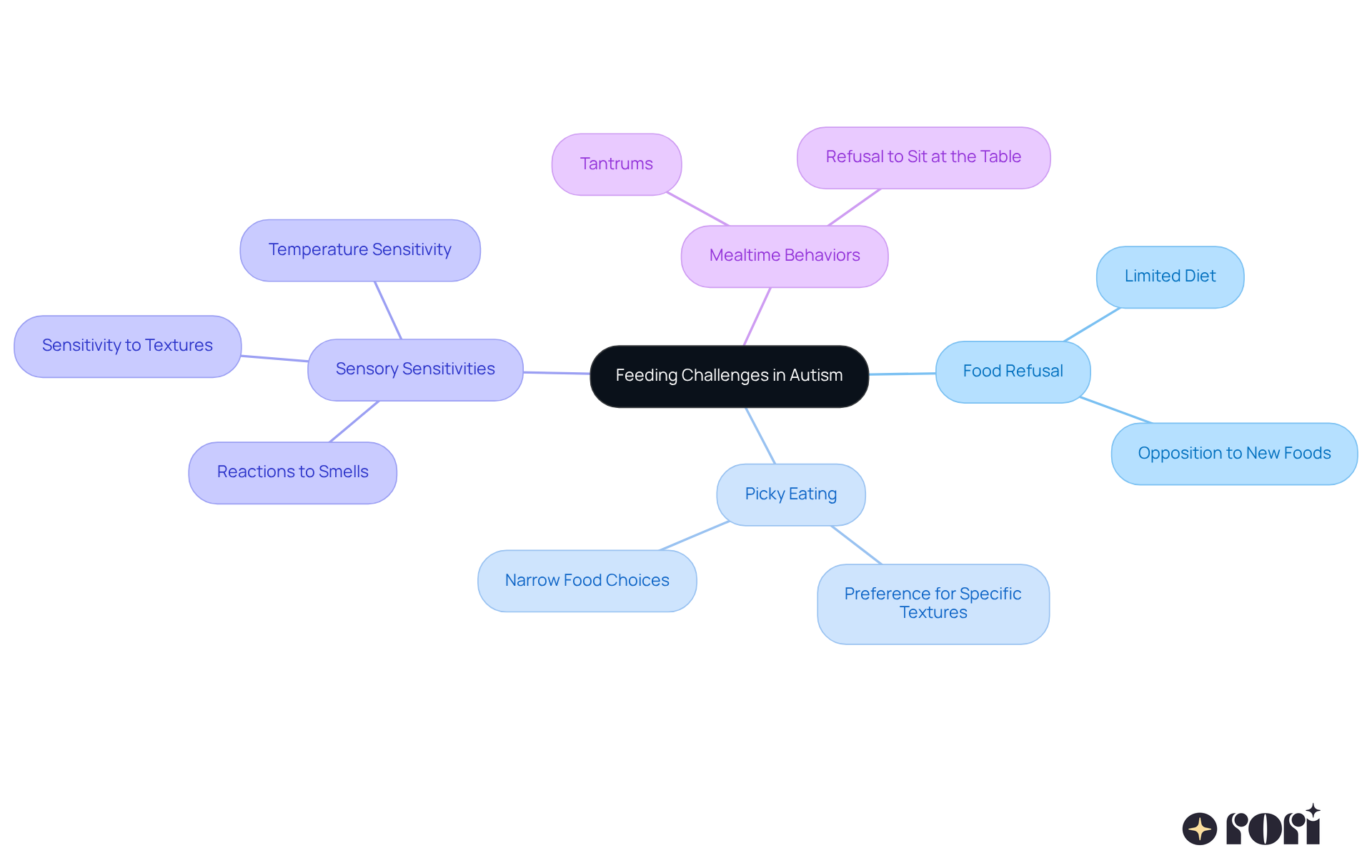
Feeding challenges can be quite common for children with autism, and they often come in various forms. Let’s take a closer look at some of these challenges that many parents face:

  • Food Refusal: It’s not unusual for kids to turn their noses up at certain foods, which can lead to a pretty limited diet.
  • Picky Eating: Some children might have a strong preference for specific textures or colors, making their food choices quite narrow.
  • Sensory Sensitivities: Many kids react strongly to certain smells, textures, or temperatures of food, which can make trying new things a real struggle.
  • Mealtime Behaviors: Tantrums or refusing to sit at the table can turn mealtime into a challenging experience for everyone involved.

Recognizing these challenges is the first step toward finding effective techniques for managing mealtime challenges in autism to support your child during meals. By equipping caregivers with ABA principles and strategies, Rori Care - ABA Therapy helps enhance their ability to provide the right support at home. This knowledge empowers parents to make informed choices that can positively impact their child’s progress, leading to better behavioral outcomes and a more enjoyable dining experience.

Let’s explore this together! We’re here to help you every step of the way!

The central node represents the overall topic, while each branch highlights a specific challenge. The sub-branches provide more detail about each challenge, helping parents understand the complexities involved.

Implement Supportive Techniques for Mealtime Success

To create a positive mealtime experience, caregivers can try out some supportive techniques that really shine when paired with education and personalized support:

  • Create a Predictable Routine: Setting consistent meal and snack times helps kids know when to expect food, which can ease anxiety and make them feel secure. It’s all about giving them that sense of stability, right? This approach aligns with ABA principles, helping caregivers make choices that truly benefit their little ones.

  • Minimize Distractions: Cutting down on background noise and visual distractions during meals is super important. It helps kids focus on eating, since too much going on can lead to anxiety and even food refusal. A structured environment really makes a difference!

  • Use Visual Supports: Think about using visual schedules or timers. These tools can help kids understand the mealtime structure, making it feel more predictable and manageable. It’s a great way for caregivers to track progress and adjust strategies as needed.

  • Offer Choices: Giving kids a variety of meal options and letting them choose what they want to eat can really empower them. It encourages them to try new foods and feel more in control of their dining experience. This active participation is key for both the child and the caregiver!

  • Positive Reinforcement: Praising and rewarding kids for trying new dishes or showing good dining behaviors can really boost their confidence and reduce stress around mealtimes. When caregivers get involved and align with therapeutic strategies, it often leads to lasting improvements in behavior.

These effective techniques for managing mealtime challenges in autism help to create a nurturing atmosphere that encourages kids to engage positively with food. Ultimately, they enhance mealtime experiences while empowering caregivers through education and tailored approaches. Let’s explore this together!
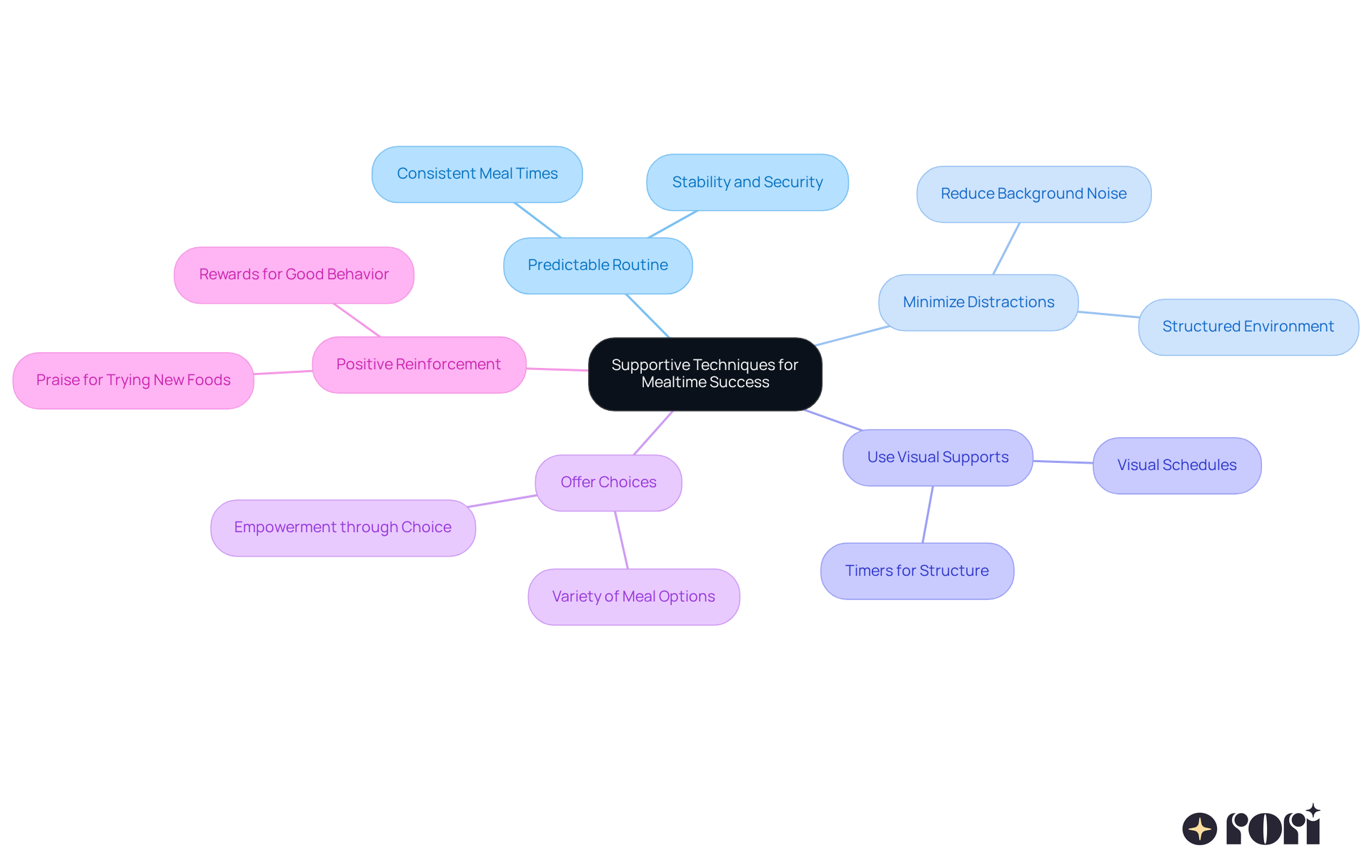
The central node represents the overall goal of improving mealtime experiences. Each branch shows a specific technique, and the sub-branches provide additional details or tips on how to apply that technique effectively.

Utilize Assessment Methods to Identify Feeding Issues

Feeding challenges can be tough for caregivers, but using effective techniques for managing mealtime challenges in autism can help tackle them effectively! At Rori Care, we believe in using a mix of assessment methods, all backed by the compassionate approach of Applied Behavior Analysis (ABA). Let’s dive into some helpful strategies:

  • Parent Report Questionnaires: Tools like the Brief Autism Mealtime Behavior Inventory (BAMBI) are super useful for gathering insights into your child's feeding habits from your perspective. These questionnaires can uncover important details about what your child likes or dislikes, helping you pinpoint specific challenges. Did you know that feeding issues are often seen in individuals with autism, with prevalence rates soaring as high as 90%?
  • Meal Journals: Keeping a detailed meal journal is a game changer! By logging everything your little one eats, including what they refuse, you can spot patterns in their eating behavior. This helps you understand which foods they accept or reject. Research shows that kids with feeding issues often have low dietary quality, with Healthy Eating Index scores ranging from 32 to 48-well below the average score of 55 for children aged 2-17 in the US.
  • Direct Observation: Watching your child during mealtime can provide valuable insights into their reactions to different foods. This method can reveal sensory sensitivities or behavioral responses that might not come through in questionnaires. For instance, some kids may have strong negative reactions to unfamiliar foods, leading to discomfort and refusal to eat.
  • Collaboration with Professionals: Teaming up with occupational or behavioral therapists can really enhance your assessment process. These experts can offer tailored recommendations and strategies that fit your child's unique needs. As Valerie M Volkert wisely pointed out, "Additional research is needed to evaluate the effects of commonly used and novel treatments, prevention and early intervention, and poor diet and nutrition on later development."

By using effective techniques for managing mealtime challenges in autism, you can gain a deeper understanding of your child's feeding difficulties. This knowledge, combined with the support and strategies from Rori Care's educational programs, empowers you to implement effective interventions that promote healthier eating habits. Let’s explore this together!

The central node represents the overall goal of understanding feeding challenges, while each branch shows a different method to assess these issues. Sub-branches provide more details about each method, making it easy to see how they contribute to the overall assessment process.

Adopt Effective Intervention Strategies for Feeding Difficulties

Managing feeding difficulties in children with autism can feel overwhelming, but there are several friendly strategies caregivers can try:

  • Gradual Food Exposure: Start by introducing new foods slowly, pairing them with favorites to make them more appealing. Did you know it might take 6 to 15 tries for a little one to accept a new food? That’s why taking it slow is so important!
  • Meal Chaining: This fun method connects similar foods to help kids accept new textures or flavors. For example, if your child loves mashed potatoes, why not try potato wedges next? You could also transition from French fries to roasted butternut squash or from yogurt tubes to fresh strawberries.
  • Sensory Desensitization: Let your child explore different textures and smells gradually. Allowing them to touch, smell, or even lick new foods before tasting can help them feel more comfortable and less anxious.
  • Structured Mealtime Environment: Creating a calm and organized eating space can make a big difference. Using neutral-colored tableware and keeping background noise to a minimum can help your child feel more at ease during meals.
  • Include the Youngster in Meal Preparation: Getting kids involved in cooking can spark their interest in trying new dishes. This hands-on approach not only makes mealtime more enjoyable but also helps them learn about their food choices.

By trying out these effective techniques for managing mealtime challenges in autism, you can help your child develop healthier eating habits and tackle mealtime challenges together. Remember, every little step counts toward improving their nutrition and overall well-being. Let’s explore this journey together!
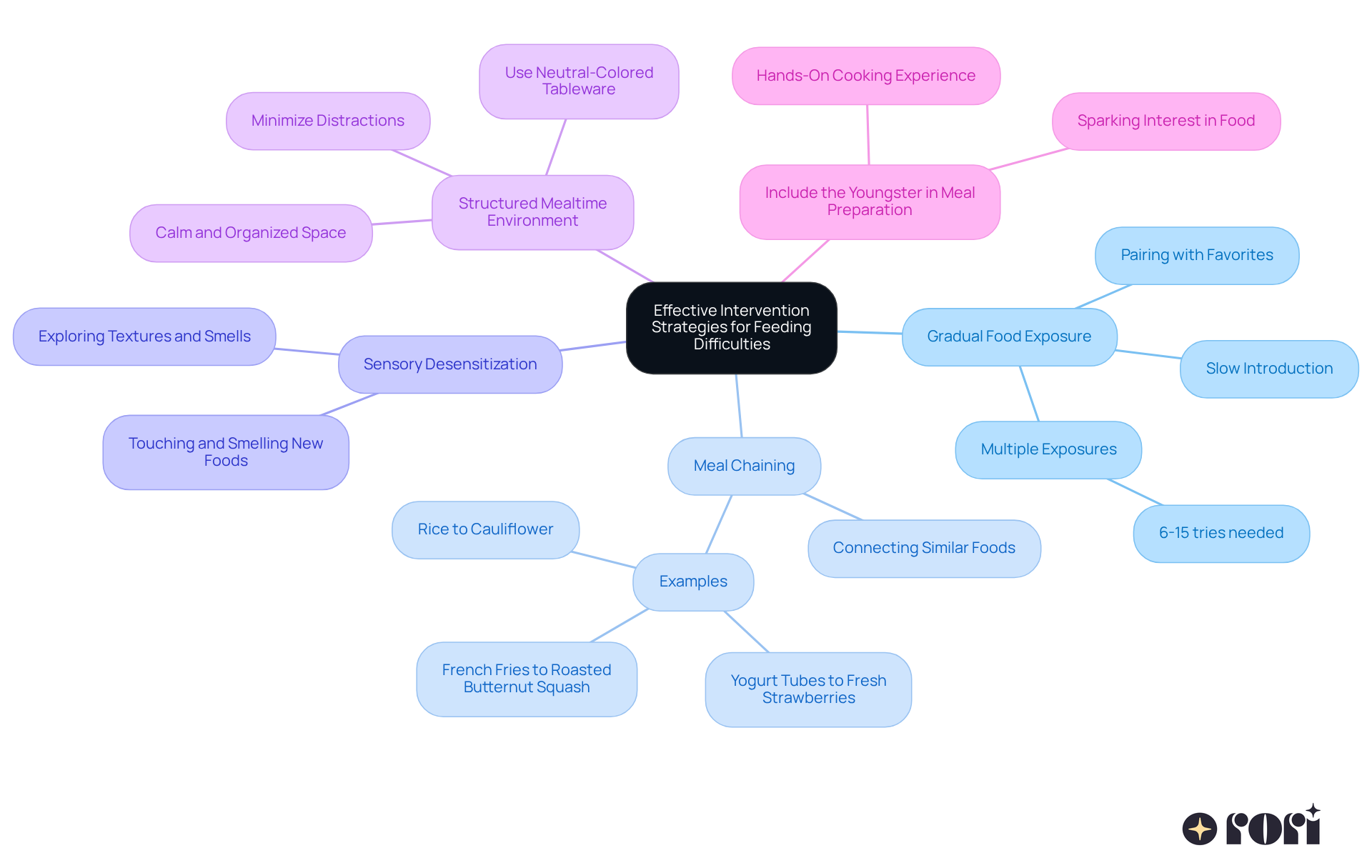
The center shows the main topic, and each branch represents a different strategy. Follow the branches to see how each strategy can help with feeding difficulties.

Conclusion

Feeding challenges in children with autism can really affect both their nutrition and the overall mealtime experience for families. It’s important to understand these challenges and find effective techniques that can turn mealtime from a stressful event into a positive, supportive environment. By recognizing the unique difficulties faced by children with autism, caregivers can take informed steps to foster better eating habits and enhance their child's relationship with food.

Some key strategies to consider include:

  • Establishing a predictable routine
  • Minimizing distractions
  • Using visual supports
  • Offering choices
  • Applying positive reinforcement

These techniques not only help manage mealtime difficulties but also empower caregivers to create a nurturing dining atmosphere. Plus, assessment methods like parent questionnaires, meal journals, and collaboration with professionals are crucial in identifying specific feeding issues and tailoring interventions to meet each child's needs effectively.

Ultimately, addressing mealtime challenges in autism isn’t just about improving dietary intake; it’s about promoting a sense of security, autonomy, and enjoyment during meals. By embracing these strategies and insights, caregivers can make significant strides in supporting their children’s nutritional health and overall well-being. So, let’s take action today and pave the way for a brighter, more satisfying mealtime experience for everyone involved!

Frequently Asked Questions

What are common feeding challenges faced by children with autism?

Common feeding challenges include food refusal, picky eating, sensory sensitivities, and mealtime behaviors such as tantrums or refusal to sit at the table.

What does food refusal mean in the context of children with autism?

Food refusal refers to the tendency of children to turn their noses up at certain foods, which can result in a limited diet.

How does picky eating manifest in children with autism?

Picky eating may involve children having strong preferences for specific textures or colors, leading to a narrow range of food choices.

What role do sensory sensitivities play in feeding challenges?

Sensory sensitivities can cause children to react strongly to certain smells, textures, or temperatures of food, making it difficult for them to try new foods.

How can mealtime behaviors affect the dining experience for children with autism?

Mealtime behaviors, such as tantrums or refusing to sit at the table, can create a challenging environment for everyone involved during meals.

How can caregivers support children with autism during mealtime challenges?

Caregivers can utilize ABA principles and strategies to enhance their ability to support their child at home, which can lead to better behavioral outcomes and a more enjoyable dining experience.