Visual aids have become essential tools for parents navigating the therapeutic journey with their children who have autism. They help bridge the gap between verbal communication and understanding, tapping into the natural image processing skills these kids possess. By using these aids, parents can create richer learning experiences that not only enhance communication but also ease anxiety.
But here’s the thing: figuring out which visual aids work best and how to use them effectively can be a bit tricky. What strategies can parents adopt to ensure these tools not only support their child’s growth but also encourage independence and social skills? Let’s explore this together!
Imagine a child who struggles to express their feelings. A simple visual aid, like a feelings chart, can make a world of difference. It allows them to point to an image that represents their emotions, fostering communication in a way that feels safe and manageable.
As we dive deeper into this topic, we’ll uncover practical tips and relatable stories that can help you navigate this journey. Remember, you’re not alone in this! We’re here to help you every step of the way!
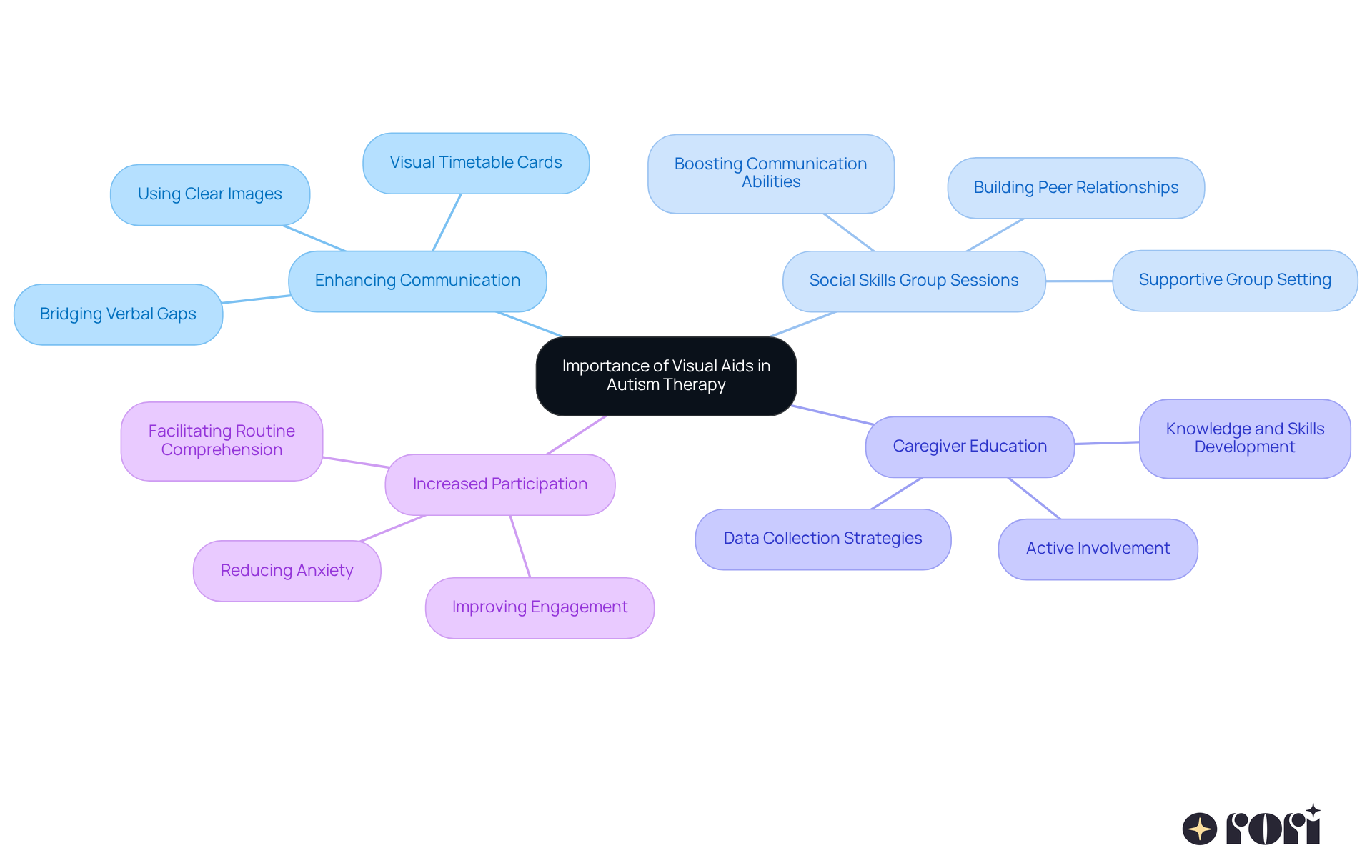
are such important tools in therapy! They really help bridge the gap between verbal communication and understanding. Many children with autism have fantastic image processing skills, which can be tapped into to enhance their learning experiences. By using , parents can help their kids grasp instructions, routines, and social cues more easily, which leads to .
And let’s not forget about ! When led by trained professionals, these sessions can really in a supportive group setting, helping kids build stronger relationships with their peers. Plus, is crucial. It arms parents with the knowledge and skills they need to through .
Research shows that can significantly increase participation in various activities, making them a vital part of . By combining with group support and caregiver strategies, families can tackle challenges together and promote their child’s development with skill and empathy. Let’s explore this journey together!
Effective play a vital role in therapy, offering various tools that cater to the unique needs of children. Let’s take a look at some of the most :
Each type of aid serves a unique purpose and can be tailored to meet the specific needs of individuals using for autism. Ultimately, they enhance learning experiences and promote independence. So, let’s explore this together and see how these resources can make a difference!

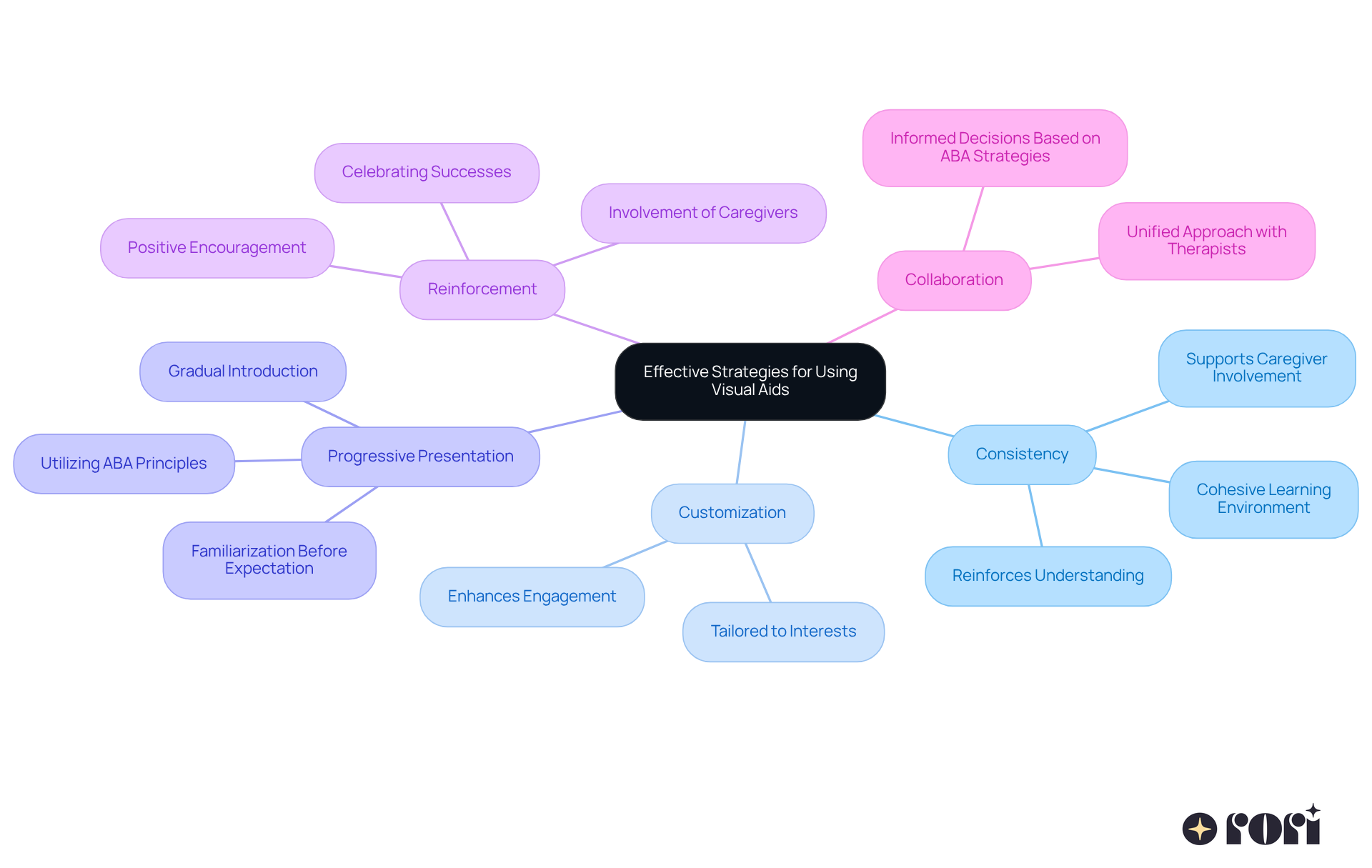
To effectively use in autism therapy, let’s explore some together:
By implementing these strategies, parents can create a that fosters understanding, communication, and independence for their children with autism. We’re here to help you every step of the way!
The benefits of using effective therapy are truly remarkable! 🌟
Better engagement occurs as kids often show more interest when effective are utilized, leading to better learning outcomes and participation in activities. We focus on educating caregivers at Rori Care, ensuring that parents are well-equipped to implement these strategies effectively.
Let’s explore this together! If you have any thoughts or experiences to share, we’d love to hear from you!

Effective visual aids are truly a cornerstone in autism therapy! They provide essential support that enhances communication, social skills, and independence for children on the spectrum. By weaving these tools into daily routines, parents can help their kids grasp instructions and social cues more clearly, which can really reduce anxiety and boost confidence in learning.
In this article, we’ve highlighted various types of visual aids, like:
Each of these aids plays a unique role in promoting engagement and understanding, tailored to meet the individual needs of each child. Plus, strategies like consistency, customization, and collaboration with caregivers and professionals can really amplify the effectiveness of these tools in therapy.
But the impact of visual aids goes beyond just improving communication; they empower children to navigate their environments with greater ease and confidence. As more people recognize the benefits of visual supports, it’s so important for parents and caregivers to embrace these strategies and actively participate in their child's development. By doing this, they not only enhance learning outcomes but also contribute to a more inclusive and supportive environment for children with autism.
Let’s explore this together! We’re here to help you every step of the way!
Why are visual aids important in autism therapy?
Visual aids are important in autism therapy because they help bridge the gap between verbal communication and understanding, allowing children with autism to grasp instructions, routines, and social cues more easily.
How do children with autism benefit from visual aids?
Many children with autism have excellent image processing skills that can be utilized to enhance their learning experiences, leading to better communication and reduced anxiety.
What role do social skills group sessions play in autism therapy?
Social skills group sessions, when led by trained professionals, can significantly boost communication abilities in a supportive environment, helping children build stronger relationships with their peers.
Why is educating caregivers important in autism therapy?
Educating caregivers is crucial as it equips parents with the knowledge and skills needed to support their child's behavioral goals through active involvement and data collection.
What impact do effective visual aids have on participation in activities for children with autism?
Research indicates that effective visual aids can significantly increase participation in various activities, making them a vital component of effective autism treatment.
How can families promote their child's development in autism therapy?
Families can promote their child's development by combining effective visual aids with group support and caregiver strategies, allowing them to tackle challenges together with skill and empathy.