Introduction
Understanding and managing emotions can be quite a journey for children on the autism spectrum. They often see and react to the world in ways that are uniquely their own. In this article, we’ll explore the important role parents play in helping their kids navigate these emotional waters. We’ll share some effective strategies to support your child’s emotional journey.
But here’s a question for you: amidst the complexities of autism, how can you, as a caregiver, effectively navigate these emotional landscapes while also taking care of yourself? 🤔 Let’s dive into this together! By exploring this question, we’ll uncover essential insights and practical approaches that empower both you and your child to thrive.
So, grab a cup of coffee, and let’s get started on this journey together!
Understand Emotional Regulation in Autism
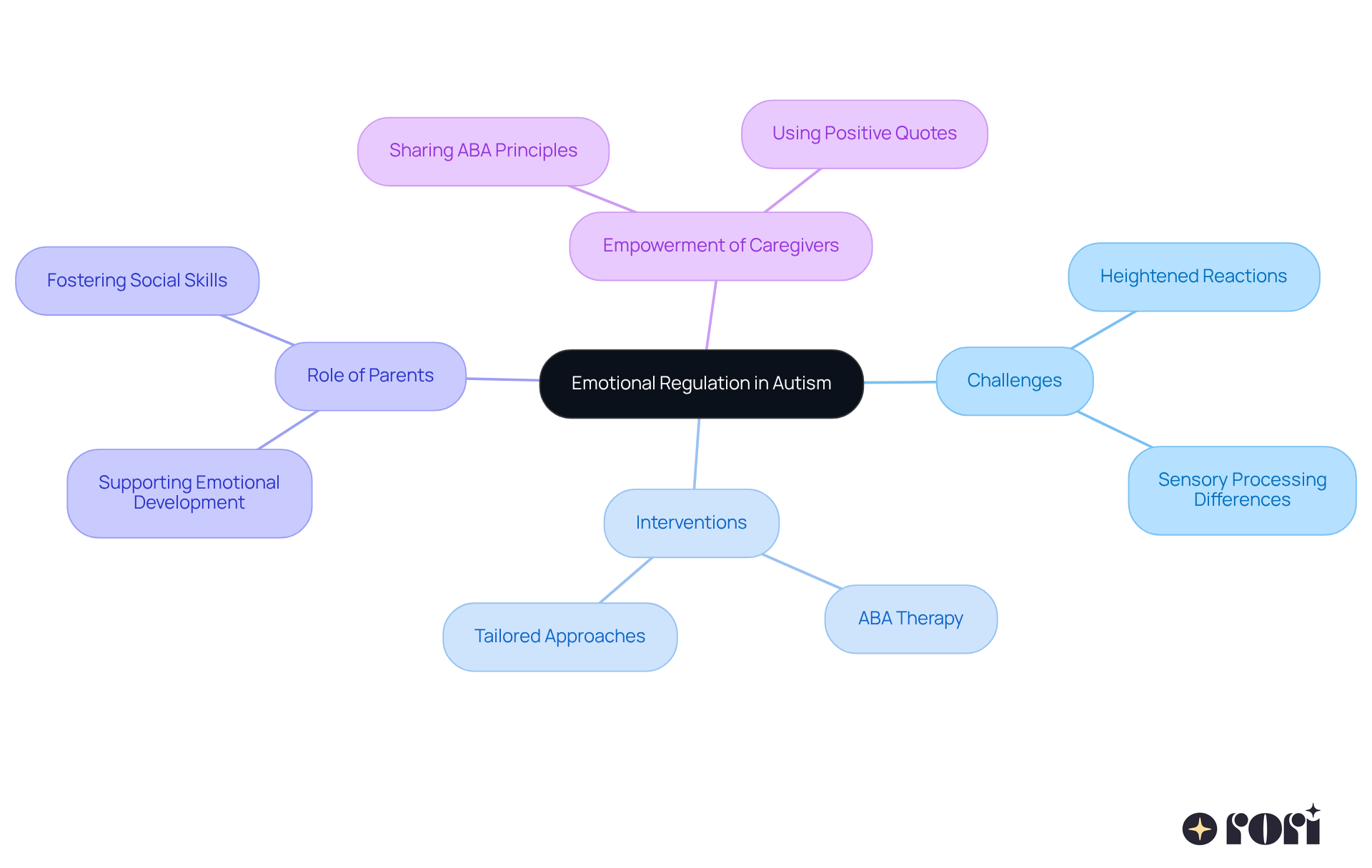
Affect regulation is all about how we handle and respond to our feelings. For kids with developmental differences, this can be a bit tricky, especially since they often experience the world in unique ways. Many young people on the autism spectrum might find it hard to recognize their emotions or may react impulsively when feelings run high.
Research shows that kids with autism often have , which can make social interactions and daily life a bit more challenging. For instance, sensory processing differences can really impact how they manage their moods, leading to confusion and behaviors that might not be helpful.
That’s where early and intensive comes in! With , we’ve seen some fantastic improvements in helping kids learn to regulate their emotions. It’s all about . By understanding these challenges, parents can play a crucial role in helping their kids .
By spotting patterns in emotional reactions, we are to foster , enabling them to provide and guide their children through their emotional journeys more effectively. Plus, Rori Care empowers caregivers by sharing ABA principles and strategies, boosting their confidence in supporting their kids’ behavioral goals.
As Temple Grandin wisely says, 'Different, not less.' This highlights the . Understanding this is key to helping young people build the regulation skills they need to thrive in various aspects of life. Let’s explore this together!
Implement Effective Strategies for Emotional Regulation
To help kids with autism manage their emotions, parents can try out some :
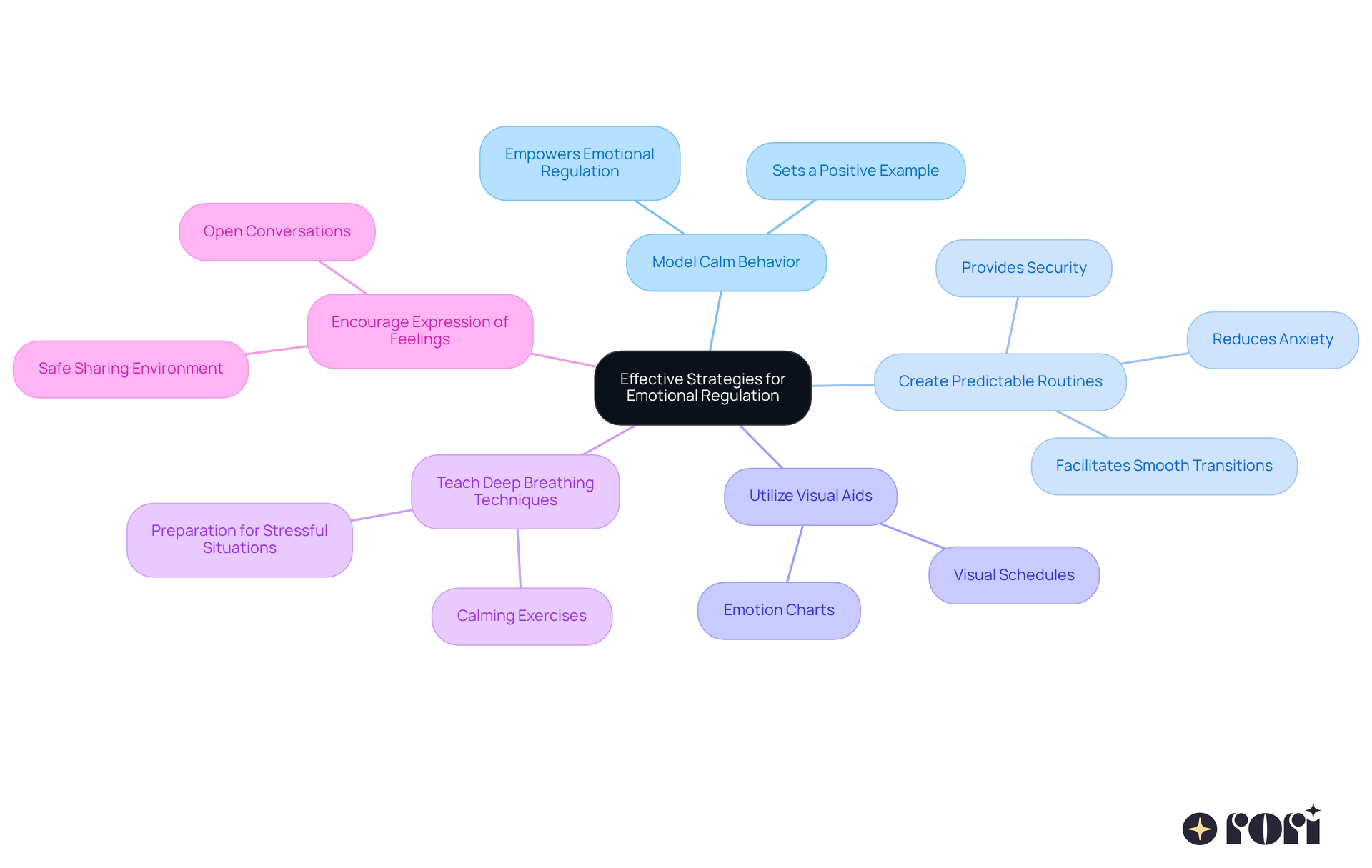
- Model Calm Behavior: Kids pick up a lot from watching their parents. By staying calm during stressful times, you are by teaching them how to manage their own feelings. This sets the stage for .
- Create : Having a consistent daily routine gives kids a sense of security and can really cut down on anxiety. Knowing what to expect can aid in , allowing them to better manage their emotions and transition smoothly from one activity to another.
- Utilize : Tools like emotion charts or can be super helpful for kids to recognize and express their feelings. For example, an emotion chart can show different feelings visually, making it easier for them to identify what they’re experiencing.
- Teach : Simple breathing exercises can work wonders when kids feel overwhelmed. Practicing these techniques during calm moments is essential for , preparing them for tougher situations and allowing them to self-regulate more effectively.
- Encourage : It’s so important to create a space where kids feel safe sharing their emotions. Open conversations about feelings or stories that illustrate emotional scenarios can help them understand and express what they’re going through.
Rori Care - ABA Therapy enhances the support parents can offer at home by through like these. This hands-on involvement not only enhances professional interventions but also leads to and builds confidence in caregivers. Ultimately, it’s all about supporting the child’s development together! Let’s explore this journey together!
Leverage Community Resources and Parent Education
Parents can really boost their ability to support their children with autism by tapping into and educational programs. Let’s explore some effective strategies to make the most of these resources:
- Join : Connecting with other caregivers can be a game-changer! Sharing experiences and strategies in support groups fosters a sense of belonging and understanding. It’s comforting to know you’re not alone on this journey.
- : Many organizations offer workshops focused on and behavioral strategies. These sessions equip parents with to manage their child’s emotional needs effectively. Programs like those from Rori Care are dedicated to empowering parents to by equipping caregivers with , enabling them to make informed decisions that positively impact their child’s progress.
- Utilize Online Resources: Websites like Autism Speaks and local organizations provide a treasure trove of information, including articles, webinars, and forums. These platforms let parents learn from experts and connect with others facing similar challenges, creating a supportive community.
- : Many communities offer services such as counseling, therapy, and educational programs tailored for individuals with autism. These resources can provide extra support for both your child and your family, enhancing overall well-being.
- : Collaborating with teachers and school counselors ensures that strategies are reinforced in the classroom. This teamwork creates a consistent approach between home and school, making the learning environment even better.
Quotes from special needs educators highlight the importance of these initiatives. One educator beautifully said, 'It takes a community to raise a young one.' This really emphasizes the joint effort needed to support children with developmental disorders. By utilizing these , caregivers can focus on empowering parents to while creating a nurturing atmosphere.
So, let’s take this journey together! We’re here to help you every step of the way!

Prioritize Self-Care for Effective Parenting
Self-care is so important for caregivers of individuals with developmental disorders. It’s all about taking a moment to rejuvenate and keep your emotional health in check. Let’s dive into some effective that can really make a difference:
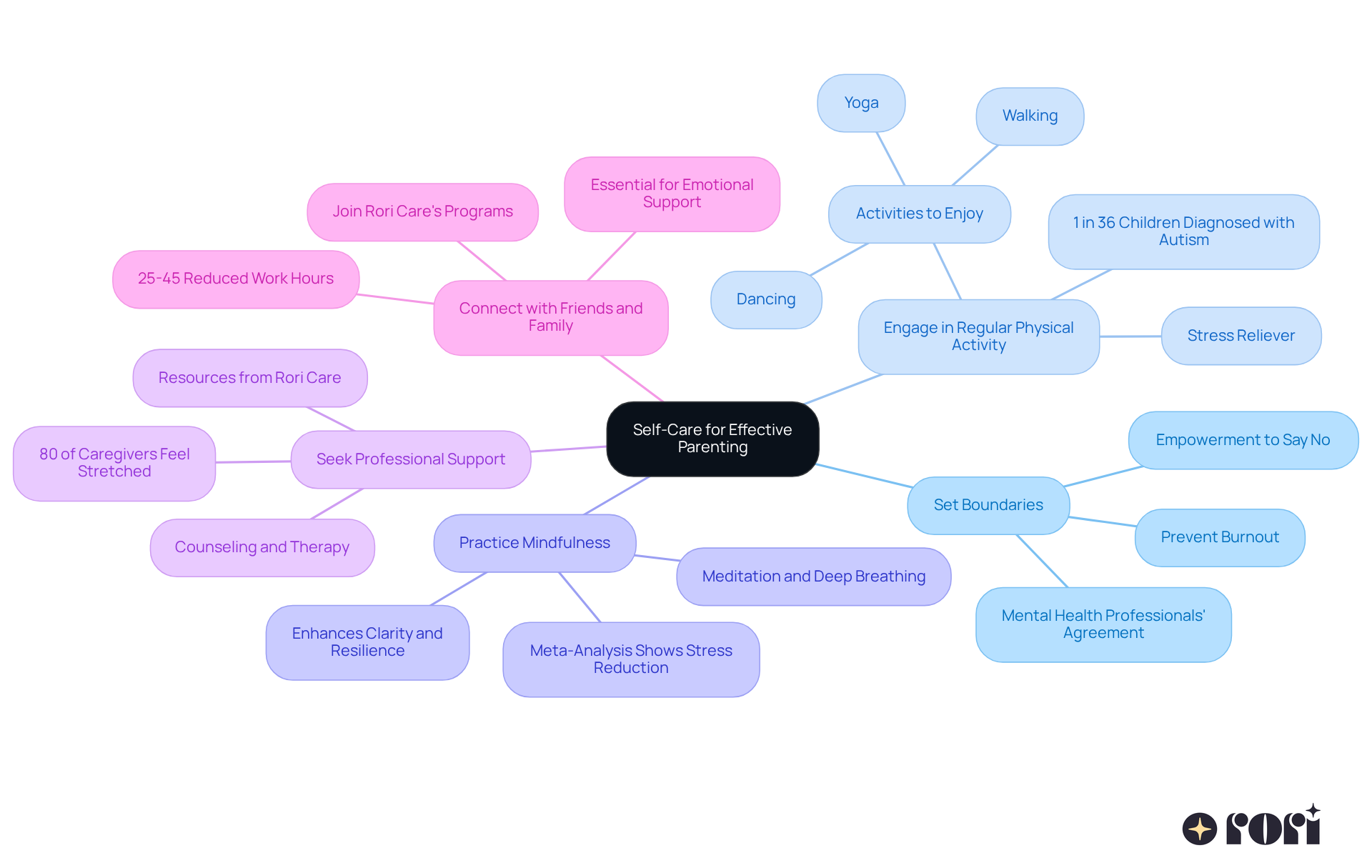
- Set Boundaries: It’s crucial to to protect your time and energy. As a parent, you should feel empowered to say no to extra responsibilities that might lead to burnout. This way, you can focus on your well-being. Mental health professionals agree that is key to maintaining a healthy balance in caregiving.
- Engage in Regular Physical Activity: Exercise is a fantastic stress reliever! Prioritize activities you enjoy, whether it’s walking, yoga, or dancing. Even short sessions can help alleviate stress and boost your mood. Research shows that staying active is vital for regulating stress levels, especially for caregivers of - did you know that ?
- Practice Mindfulness and Relaxation Techniques: Mindfulness practices like meditation and deep breathing can help you stay grounded and manage stress effectively. These techniques enhance your clarity of feelings and resilience. A meta-analysis of mindfulness-based interventions has shown significant reductions in parental stress, proving their importance in caregiving.
- Seek Professional Support: If you ever feel overwhelmed, don’t hesitate to reach out for counseling or therapy. and emotional relief, helping you navigate the unique challenges of caregiving. More than 80% of caregivers of autistic children have reported feeling 'stretched beyond their limits,' highlighting the need for support. Rori Care offers , which can be great resources for you.
- Connect with Friends and Family: Keeping those social connections alive is essential for emotional support. Make time to engage with friends and family; these relationships foster a sense of community and provide vital encouragement. Plus, statistics show that 25%-45% of caregivers have had to cut back on work hours or stop working altogether due to caregiving duties, making social support even more crucial. Joining Rori Care's programs can help you build these connections.
Incorporating these not only boosts your well-being but also plays a role in empowering parents to foster , thereby promoting their overall development. Let’s explore this together!
Conclusion
Empowering parents to nurture emotional regulation in children with autism is so important for their growth and happiness. By recognizing the unique challenges these kids face, parents can create supportive spaces that boost emotional awareness and regulation. It’s not just about helping children manage their feelings; it’s also about giving parents the tools and confidence they need to guide their little ones effectively.
Key strategies like:
- modeling calm behavior
- setting up predictable routines
- using visual aids
- encouraging open expression of feelings
are crucial in this journey. Plus, tapping into community resources and prioritizing self-care is vital for parents to maintain their emotional health. This way, they can be strong advocates for their children. Joining support groups and attending educational workshops can really enhance their ability to put these strategies into action.
Ultimately, fostering emotional regulation in children with autism is a team effort that goes beyond just one family. It requires a supportive community and a commitment to understanding and addressing these kids' unique needs. By taking proactive steps and embracing available resources, parents can make a real difference in their child's emotional journey, paving the way for a brighter, more regulated future. Let’s explore this together!
Frequently Asked Questions
What is emotional regulation in the context of autism?
Emotional regulation refers to how individuals handle and respond to their feelings. For children with autism, this can be challenging due to their unique ways of experiencing the world and recognizing their emotions.
Why do children with autism struggle with emotional regulation?
Children with autism often have heightened emotional reactions and may react impulsively when feelings run high. Additionally, sensory processing differences can impact how they manage their moods, leading to confusion and unhelpful behaviors.
How can early intervention help children with autism regulate their emotions?
Early and intensive Applied Behavior Analysis (ABA) intervention at Rori Care includes individual and group therapy, which helps children learn to regulate their emotions by tailoring approaches to meet each child's unique needs.
What role do parents play in helping their children with autism develop emotional regulation?
Parents can help by understanding their children's emotional challenges, spotting patterns in their emotional reactions, and providing targeted support to guide their children through their emotional journeys.
How does Rori Care support caregivers of children with autism?
Rori Care empowers caregivers by sharing ABA principles and strategies, which boosts their confidence in supporting their children's behavioral goals and emotional regulation.
What is the significance of the quote by Temple Grandin, "Different, not less"?
This quote emphasizes the unique strengths of individuals on the autism spectrum and highlights the importance of understanding and supporting their emotional regulation skills to help them thrive in various aspects of life.
List of Sources
- Understand Emotional Regulation in Autism
- Why Emotional Regulation Is Hard for Autistic Children (https://psychologytoday.com/us/blog/nurturing-self-esteem-in-autistic-children/202306/why-emotional-regulation-is-hard-for)
- 20 Inspiring Quotes About Autism Every Parent Must Read Today (https://circlecareservices.com/20-quotes-about-autism-and-parenting)
- 10 Positive Proud Autism Quotes to Inspire and Empower Parents – Rori Blog (https://rori.care/post/10-positive-proud-autism-quotes-to-inspire-and-empower-parents)
- Autism Quotes | Intellistars - ABA Therapy (https://intellistarsaba.com/blog/autism-quotes)
- Implement Effective Strategies for Emotional Regulation
- 12 Benefits of Predictable Routines for Kids with Autism (https://aimhigheraba.com/12-benefits-of-predictable-routines-for-children-with-autism)
- 17 Quotes on Coaching Kids Through Behaviors (https://ybgr.org/17-quotes-on-coaching-kids-through-behaviors)
- thetreetop.com (https://thetreetop.com/aba-therapy/emotional-regulation-autism)
- The effects of an educational program based on modeling and social stories on improvements in the social skills of students with autism - PMC (https://pmc.ncbi.nlm.nih.gov/articles/PMC9065906)
- Inspiring Quotes on Child Learning and Development (https://vincegowmon.com/inspiring-quotes-on-child-learning-and-development)
- Leverage Community Resources and Parent Education
- Celebrating Neurodiversity: Inspiring Words on Autism | Step Ahead ABA (https://stepaheadaba.com/blog/autism-quotes)
- Inspiring Autism Quotes for Understanding and Acceptance - Kids First (https://kidsfirstservices.com/first-insights/autism-quotes)
- 59 Inspirational Quotes About Autism - Hidden Talents ABA (https://hiddentalentsaba.com/autism-quotes)
- The Benefits of Parent Support Groups for Families of Children with Autism | Advanced Autism Services (https://advancedautism.com/post/the-benefits-of-parent-support-groups-for-families-of-children-with-autism)
- pmc.ncbi.nlm.nih.gov (https://pmc.ncbi.nlm.nih.gov/articles/PMC9615447)
- Prioritize Self-Care for Effective Parenting
- Self-Care For Autism Parents | Discovery ABA (https://discoveryaba.com/aba-therapy/self-care-for-autism-parents)
- linksaba.com (https://linksaba.com/self-care-tips-for-parents-of-autistic-children)
- buildingblockstherapy.org (https://buildingblockstherapy.org/blog/the-importance-of-self-care-for-parents-of-children-with-autism)
- The importance of self-care for caregivers of children with autism (https://mastermindbehavior.com/post/the-importance-of-self-care-for-caregivers-of-children-with-autism)
- Parent Self-Care Tips While Supporting a Child with Autism (https://adinaaba.com/post/parent-self-care-tips-while-supporting-a-child-with-autism)