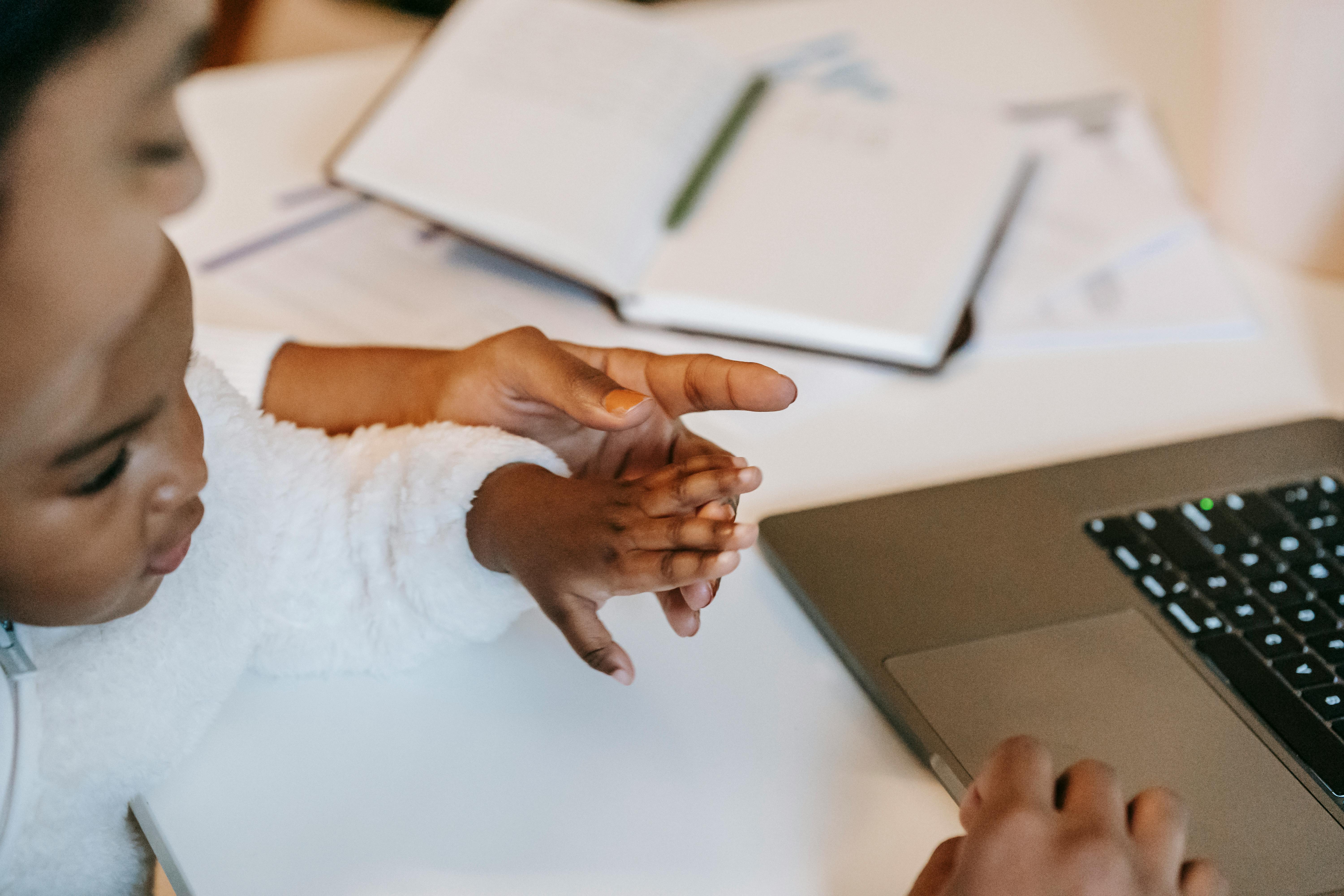
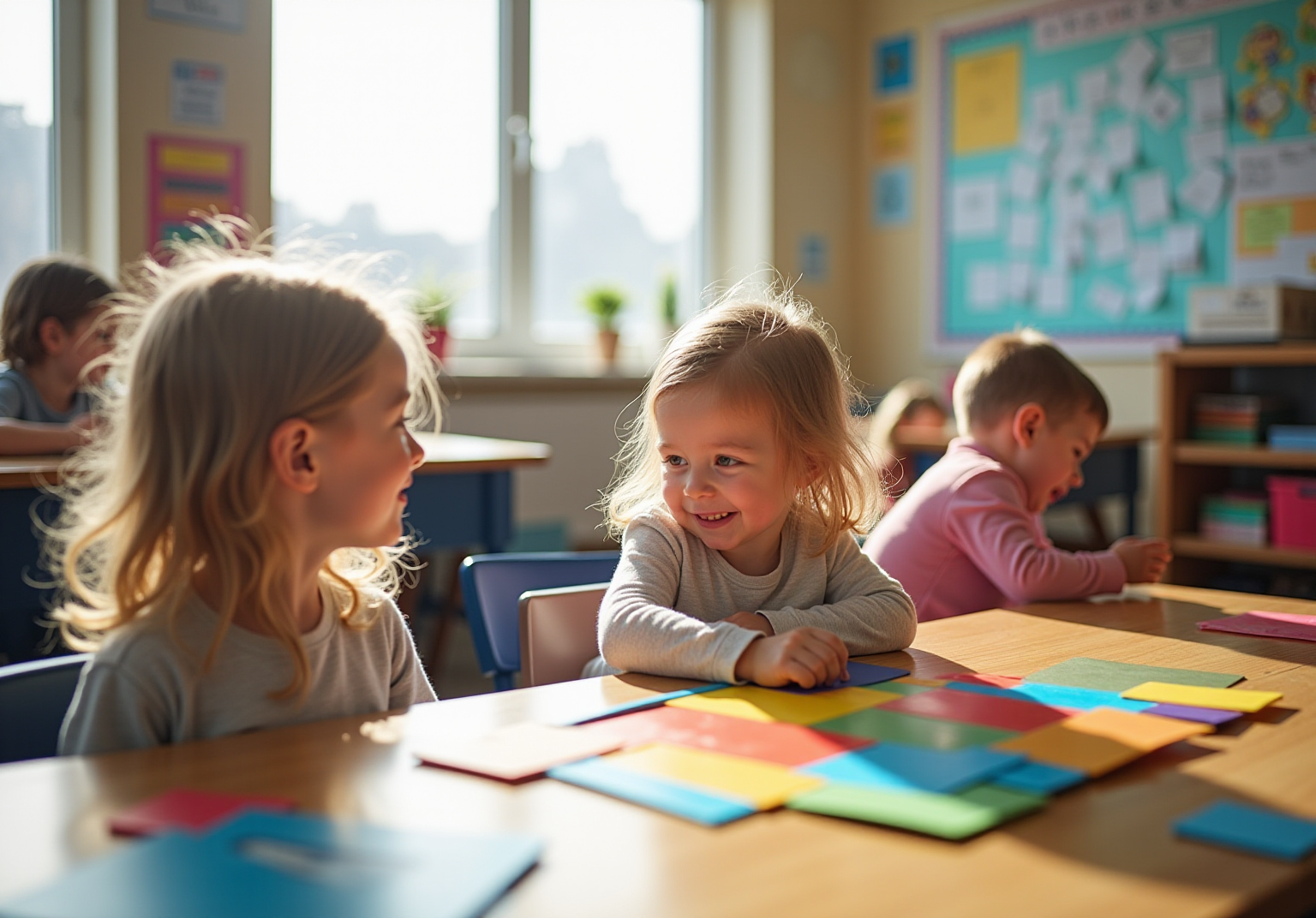
Understanding the unique challenges faced by nonverbal children with autism is so important. Effective communication can really enhance their quality of life! 🌟 Applied Behavior Analysis (ABA) therapy stands out as a powerful tool, offering structured interventions that help foster social skills, independence, and meaningful interactions.
But let’s be real - many families hit roadblocks when it comes to accessing and maintaining consistent therapy. It can feel overwhelming at times. So, how can parents navigate these challenges to ensure their child gets the support they need for a brighter future? Let’s explore this together!
Applied Behavior Analysis (ABA) is a scientifically validated approach that focuses on understanding and modifying behavior through systematic interventions. ABA intervention is essential for improving quality of life for nonverbal children with autism. It uses structured methods to improve interaction, social skills, and independence. Techniques like positive reinforcement, prompting, and modeling help encourage desired behaviors while reducing challenging ones.
You might be wondering how this all works in real life. Well, recent studies show that can lead to significant improvements in communication skills and is crucial for improving quality of life for nonverbal children with autism. For instance, kids who engage in intensive ABA often show better social interactions and a greater understanding of language-both crucial for their development.
Real-world examples highlight how tailored ABA interventions have successfully helped nonverbal individuals express their needs and connect more effectively with peers and caregivers. Isn’t that inspiring? The positive impact of ABA intervention underscores its importance in autism care, especially in improving the quality of life for nonverbal children with autism, making it a vital resource for families looking to support their child’s growth and independence.
However, it’s worth noting that around 46% of kids referred for ABA intervention stop treatment after 24 months. This points to some systemic challenges in maintaining long-term support. Plus, those receiving at least 25 hours of ABA therapy each week tend to achieve better results, emphasizing the importance of therapy intensity.
Let’s explore this together! If you’re considering ABA for your child, remember that you’re not alone in this journey. We’re here to help you every step of the way!

Many parents find that enhancing communication skills in nonverbal children with autism is a significant challenge, but it is essential for improving quality of life for nonverbal children with autism. But don’t worry! There are several effective techniques that can really make a difference:
Alongside these methods, consider engaging in social skills group therapy with qualified therapists. This can significantly improve your child’s social interactions and relationships in a group setting. Plus, caregiver education is key! It equips you with the knowledge and strategies to support your child’s behavioral goals effectively. Understanding the principles of (ABA) can help you strengthen communication strategies at home, promoting consistency and overall development.
Let’s explore this together! Remember, you’re not alone in this journey, and we’re here to help you every step of the way!

Parental involvement is absolutely vital for the success of ABA treatment in nonverbal individuals. Let’s explore some effective strategies to get parents actively engaged in the process:
Research shows that active parental involvement can significantly enhance a young person’s progress in ABA treatment, leading to quicker acquisition of communication and social skills. By empowering parents through training and support, families can create a positive feedback loop that is focused on improving the quality of life for nonverbal children with autism. We’re here to help you every step of the way!

Incorporating technology into ABA treatment can really enhance how personalized and effective interventions are for improving quality of life for nonverbal children with autism. Let’s explore some strategies to leverage technology effectively:
Let’s keep the conversation going! What are your thoughts on these strategies? We’re here to help you every step of the way!

Applied Behavior Analysis (ABA) therapy is truly a game-changer for nonverbal children with autism. It’s all about systematic interventions that help boost communication, social skills, and independence - key areas for these kids to thrive. With techniques like positive reinforcement and modeling, ABA encourages the behaviors we want to see while gently reducing challenges.
One of the biggest takeaways here is how crucial early and consistent ABA intervention can be. It can lead to amazing improvements in communication and social interactions! Think about it: visual supports, sign language, and augmentative communication can really empower nonverbal children to express their needs more clearly. Plus, when parents get involved in the ABA process - through education, communication, and support - it can make a world of difference in their child’s progress and overall therapy outcomes.
Embracing ABA therapy and its techniques doesn’t just change the lives of nonverbal children; it also creates a nurturing environment for families. By tapping into technology and encouraging parental involvement, the path to better communication and social skills becomes more accessible and impactful. Families, we encourage you to seek out these resources and support systems - they’re vital in nurturing your child’s growth and independence, paving the way for a brighter future. Let’s explore this together!
What is ABA therapy?
Applied Behavior Analysis (ABA) is a scientifically validated approach that focuses on understanding and modifying behavior through systematic interventions.
Why is ABA therapy important for nonverbal autism?
ABA therapy is essential for improving the quality of life for nonverbal children with autism by using structured methods to enhance interaction, social skills, and independence.
What techniques are used in ABA therapy?
Techniques in ABA therapy include positive reinforcement, prompting, and modeling to encourage desired behaviors while reducing challenging ones.
How does ABA therapy impact communication skills in nonverbal children?
Recent studies show that early and consistent ABA intervention can lead to significant improvements in communication skills for nonverbal children with autism.
What are some real-world outcomes of ABA therapy?
Tailored ABA interventions have successfully helped nonverbal individuals express their needs and connect more effectively with peers and caregivers.
What percentage of children stop ABA therapy after 24 months?
Around 46% of kids referred for ABA intervention stop treatment after 24 months, indicating some systemic challenges in maintaining long-term support.
How does the intensity of ABA therapy affect results?
Children receiving at least 25 hours of ABA therapy each week tend to achieve better results, highlighting the importance of therapy intensity.
What should families consider when thinking about ABA therapy for their child?
Families should remember that they are not alone in this journey and that support is available to help them every step of the way.