Enhancing communication skills in group therapy is so important for children on the autism spectrum. It really helps them connect with others and express their needs more effectively. This guide is here to equip parents with practical strategies and insights, empowering you to support your child's development in therapeutic settings.
But what happens when these well-meaning efforts hit a snag? Challenges like anxiety or difficulty in understanding social cues can arise. Let’s explore these common obstacles together and look at some solutions that can pave the way for meaningful progress in communication and social integration. We’re here to help you every step of the way!
Enhancing communication skills in group therapy for autism spectrum disorder is extremely important for kids. They really help improve social interactions, make it easier for them to express their needs, and build those all-important peer relationships. In these collaborative settings, young people get to learn how to read social cues, practice taking turns in conversations, and enjoy some cooperative play.
Research shows that when kids interact effectively, it can really cut down on frustration and anxiety, allowing them to dive into therapeutic activities with more enthusiasm. Plus, developing these skills not only makes the experience better but also supports their overall growth and independence. Experts point out that using focused interaction techniques - like role-playing and organized group activities - can lead to big improvements in social skills.
By focusing on enhancing communication skills in group therapy for autism spectrum disorder, parents can significantly assist their kids in developing essential skills that will benefit them in therapy and everyday life. And let’s not forget about Rori Care! They offer caregiver education programs that teach parents ABA principles and techniques, empowering them to support their child's behavioral goals effectively.
When caregivers actively engage in their child's treatment and understand the , they can make informed choices that positively impact their child's progress. This ultimately creates a nurturing environment for their development. Let’s explore this together!

To help develop communication skills in group therapy, parents can try out some friendly strategies:
By incorporating these approaches, parents can create a nurturing environment that focuses on enhancing communication skills in group therapy for autism spectrum disorder and boosts their children's social interactions. Plus, the principles of Applied Behavior Analysis (ABA) highlight how important active caregiver participation is. Research shows that when caregivers are involved, remarkable advancements can happen for 90% of youth when the suggested hours are followed. When parents , they can make informed choices that positively impact their children's development, leading to better behavioral outcomes and empowered caregivers. So, let’s explore this together and see how these strategies can make a difference!

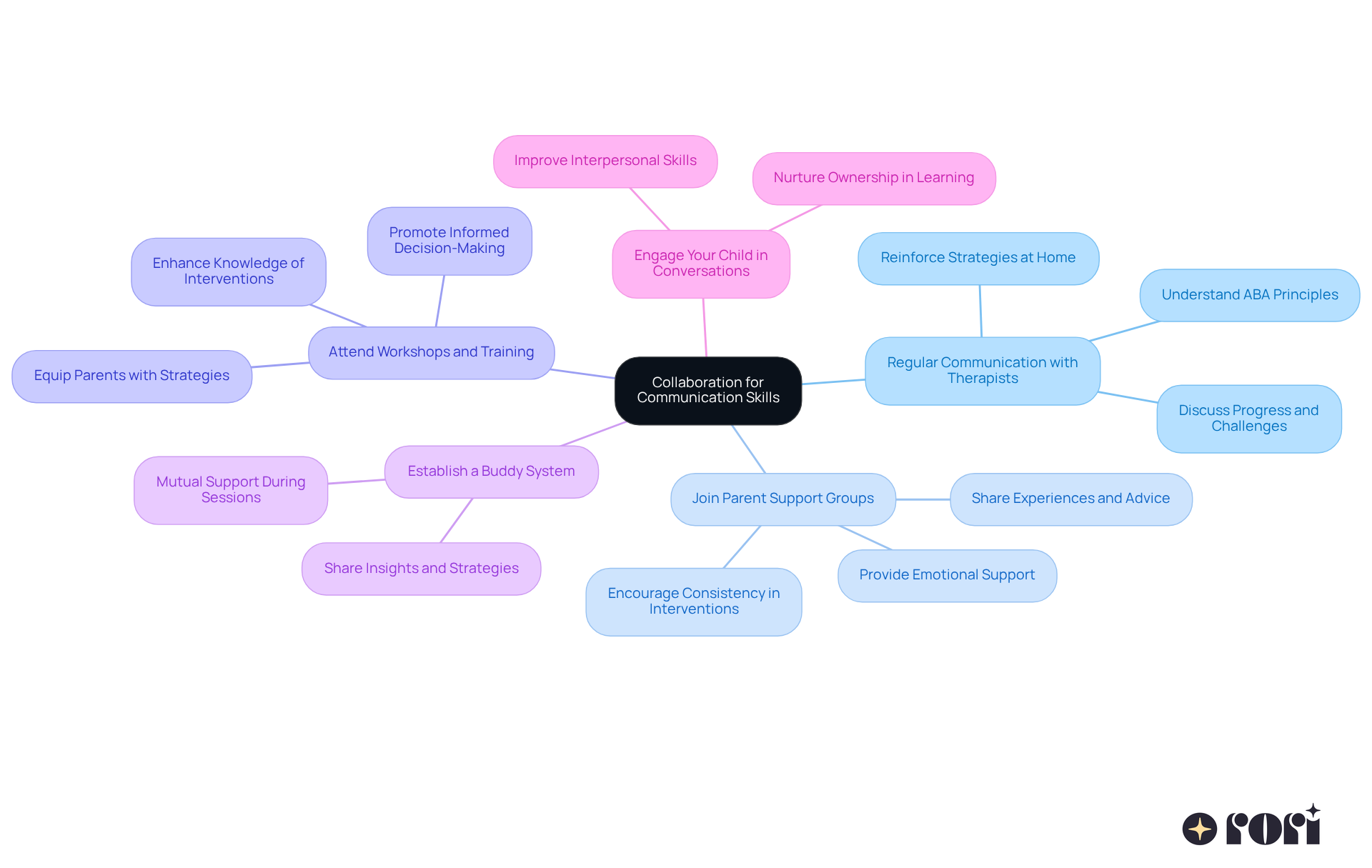
Collaboration with therapists and other parents can significantly contribute to enhancing communication skills in group therapy for autism spectrum disorder for kids. Let’s explore some effective strategies to foster this collaboration:
Research shows that parental support groups not only boost interaction abilities in kids with autism but also positively impact treatment outcomes. By collaborating with therapists and other parents, families can create a supportive environment that is focused on enhancing communication skills in group therapy for autism spectrum disorder, promoting effective communication and social integration for their children. We’re here to help you every step of the way!
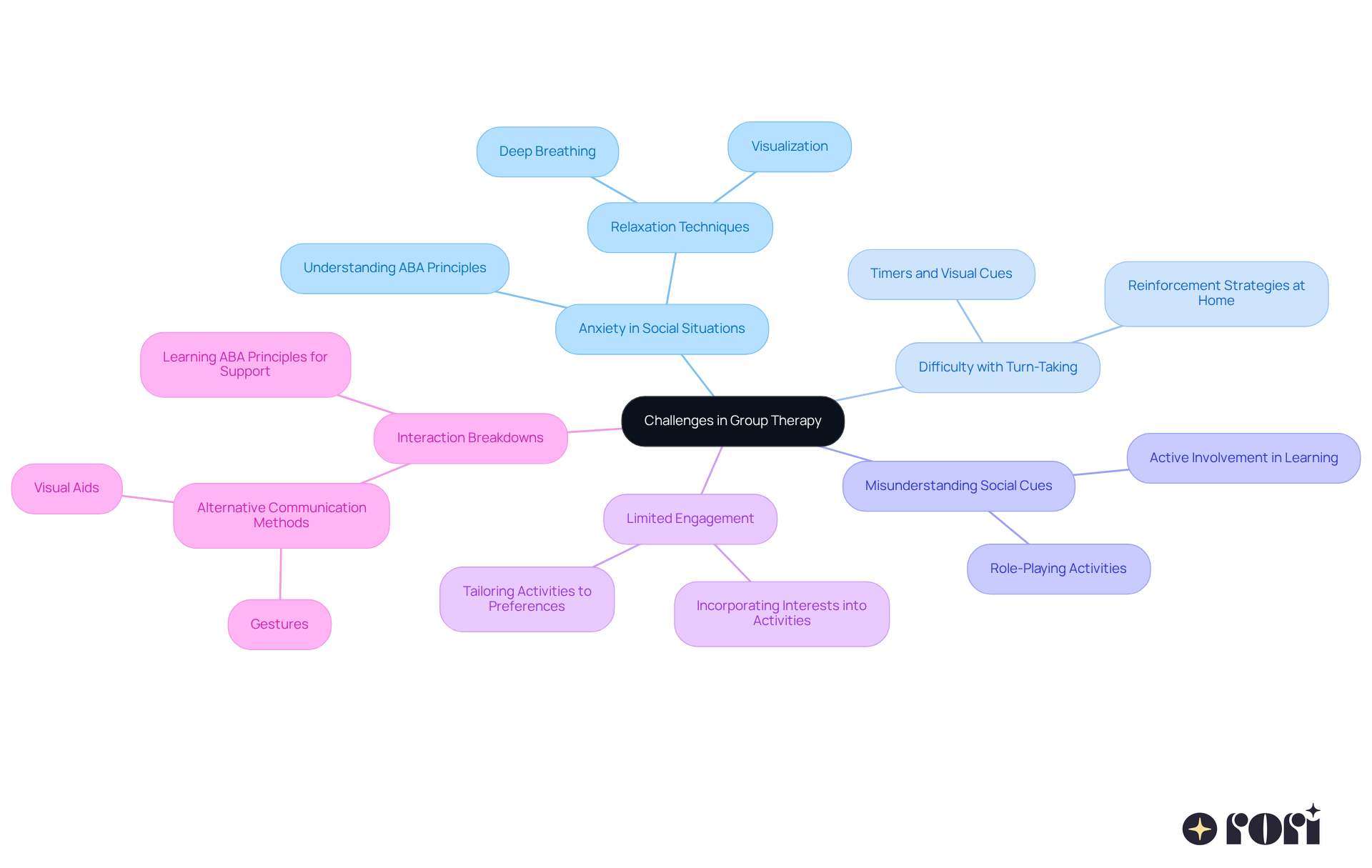
Parents often encounter a range of challenges during group counseling sessions, and that’s completely normal! Let’s take a look at some common issues and how you can tackle them together:
By implementing these strategies, you can create a more supportive and effective group therapy environment focused on enhancing communication skills in group therapy for autism spectrum disorder. Together, we can focus on enhancing communication skills in group therapy for autism spectrum disorder to improve your child's social interactions! Let’s explore this journey together!
Enhancing communication skills in group therapy for children with autism is so important! It really helps foster social interaction, emotional expression, and those all-important peer relationships. When parents prioritize these skills, they create an environment that not only supports therapeutic progress but also lays the groundwork for their child's independence and overall development.
Throughout this article, we’ve highlighted various strategies to assist parents on this journey. Think about using visual aids and social stories, practicing role-playing, or encouraging turn-taking. These approaches can really build confidence and enhance communication abilities in children. Plus, collaborating with therapists and other parents is key! It creates a cohesive support system, ensuring that interventions are consistent and effective.
Ultimately, we can’t stress enough how significant enhancing communication skills in group therapy for autism is. It’s essential for parents to actively engage in their child's therapeutic process, using the strategies we discussed to overcome challenges and promote meaningful interactions. By fostering these skills, caregivers not only contribute to their child's success in therapy but also empower them to navigate social situations with greater ease and confidence.
So, let’s champion the importance of communication together! Supporting children with autism on their path to growth and connection is a journey we can all be a part of. We’re here to help you every step of the way!
Why are communication skills important in group therapy for autism spectrum disorder?
Communication skills are crucial in group therapy for autism spectrum disorder as they enhance social interactions, facilitate expression of needs, and help build peer relationships among children.
How do communication skills affect children's experiences in group therapy?
Effective communication skills can reduce frustration and anxiety in children, allowing them to engage more enthusiastically in therapeutic activities and supporting their overall growth and independence.
What techniques can be used to improve communication skills in group therapy?
Focused interaction techniques such as role-playing and organized group activities are effective in leading to significant improvements in social skills among children in group therapy.
How can parents support their children in developing communication skills through group therapy?
Parents can assist their children by focusing on enhancing communication skills during group therapy, which will benefit their children in both therapeutic settings and everyday life.
What resources are available for parents to help support their child's communication development?
Rori Care offers caregiver education programs that teach parents ABA principles and techniques, empowering them to support their child's behavioral goals effectively.
What is the role of caregivers in their child's therapy?
When caregivers actively engage in their child's treatment and understand the therapeutic strategies, they can make informed choices that positively impact their child's progress, creating a nurturing environment for development.