Understanding how children with autism can effectively apply learned skills across different situations is so important for their growth! 🌱 This article dives into ways to enhance generalization abilities, offering parents practical strategies to help their child gain independence and improve social interactions.
But let’s be real - many parents encounter hurdles when it comes to making sure that skills learned in therapy actually translate to everyday life. What are some of the best ways to tackle these challenges and support our kids as they navigate different environments? Let’s explore this together!
Generalization in autism is essential for enhancing , enabling them to apply what they learn in one place to different situations. Imagine your child learns to greet their therapist during a session. Generalization means they can also say hello to family members, friends, or even strangers in various settings. This skill is super important for in children with autism, as it helps them navigate social interactions and daily activities more effectively.
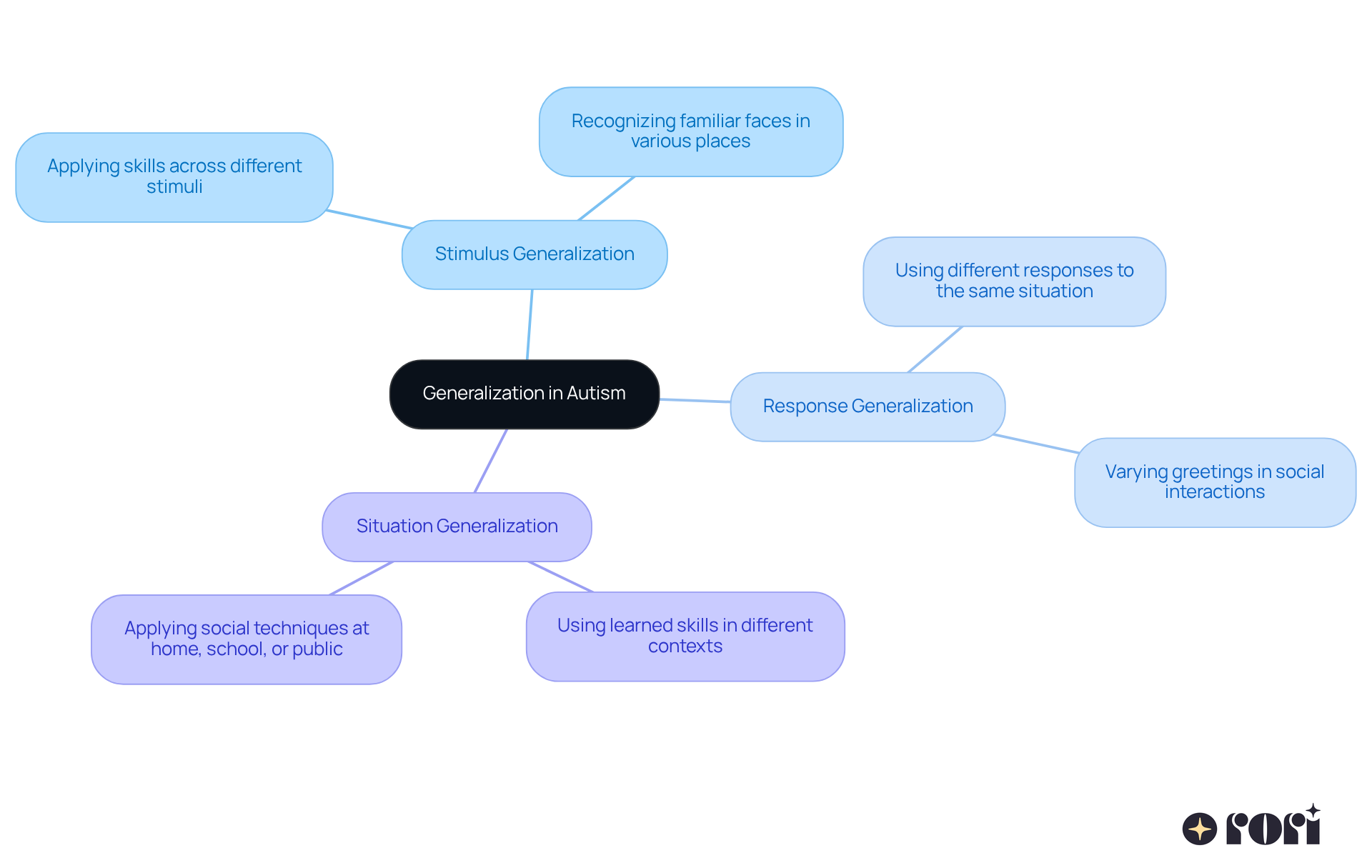
There are three main types of generalization:
can really help parents see how much their child is learning and why it’s essential to nurture versatile skills for enhancing . Research shows that can significantly aid in in children with autism, improving their daily functioning, social engagement, and independence. In fact, can range from 63% to 88%! But remember, making broad conclusions isn’t always automatic, which is why intentional strategies are so important.
By actively encouraging broad application through organized interventions like social interaction group therapy, families can contribute to in children with autism, helping them develop behaviors that are spontaneous, adaptable, and useful outside of therapy sessions. Group therapy focused on , led by qualified therapists, can really enhance how individuals interact and communicate in a group setting, fostering better relationships and competence.
Plus, getting caregivers involved in the intervention process is key to ensuring that learned skills carry over into everyday life. Educating caregivers boosts their ability to provide the right support at home, empowering them to make informed decisions that positively impact their child’s progress.
Let’s explore this together! We’re here to !
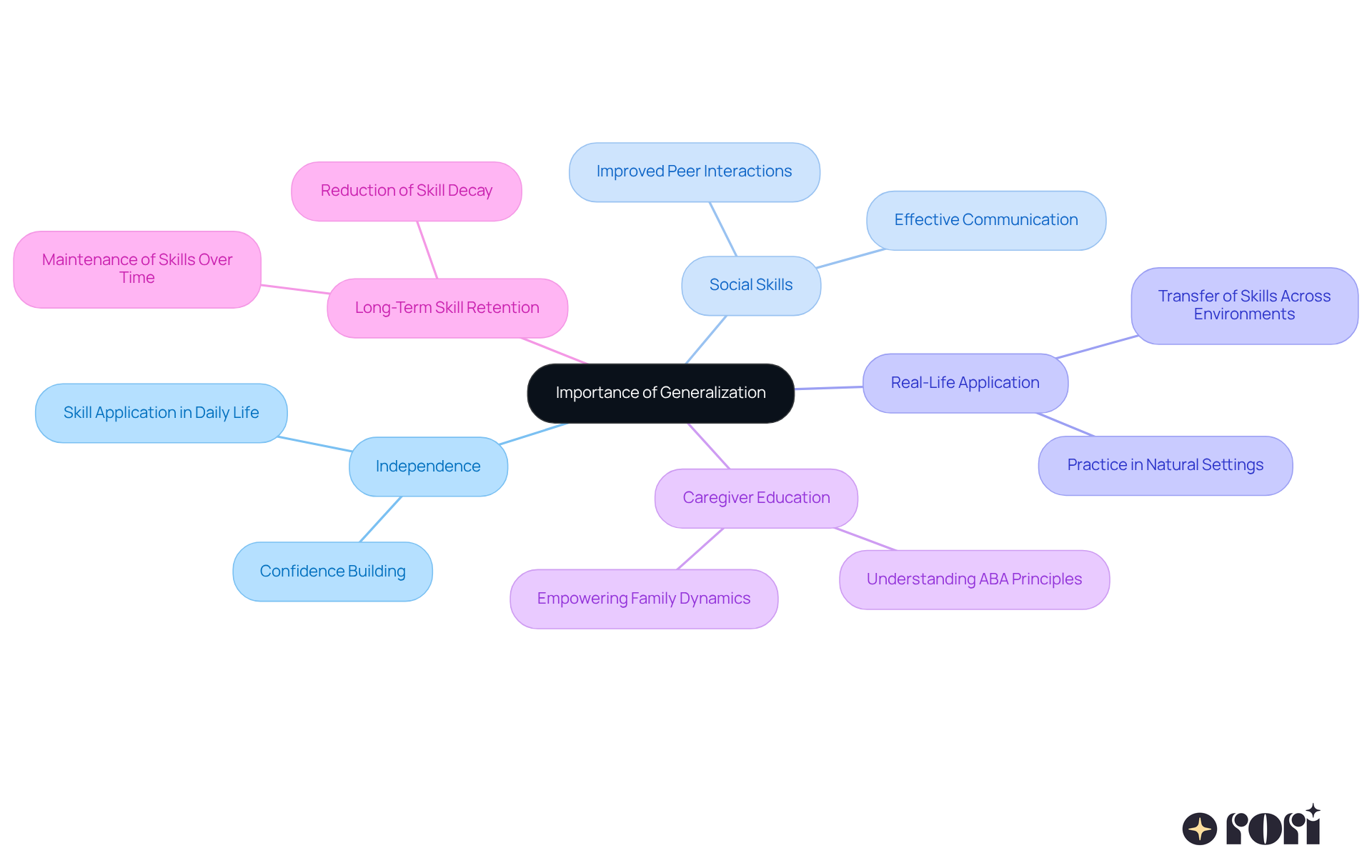
It is super important to focus on ! It helps them use the skills they've learned in therapy during everyday situations, which is crucial for , . Without , can prevent the skills they pick up from being applied in different situations, making it tough for them to navigate various environments.
For instance, think about a child who can identify colors in a calm therapy session. They might struggle to do the same in a busy grocery store unless they've practiced in similar real-life scenarios. By encouraging broader thinking, kids not only gain confidence but also improve their interactions with peers and adults, which is essential for and leads to .
This process is key to enhancing generalization abilities in children with autism, making sure that the benefits of therapy turn into in their daily lives. Research shows that kids who achieve strong generalization, particularly those focused on enhancing generalization abilities in children with autism, are much more likely to keep their skills over time. This highlights how crucial it is to weave into their learning experiences, which is essential for enhancing generalization abilities in children with autism.
is a big part of this journey! It equips parents with the knowledge and skills they need to effectively support their child's behavioral goals. By understanding , caregivers can make informed choices that positively impact their child's progress. This ultimately leads to and a more empowered family dynamic.
Let’s explore this together! We’re here to help you every step of the way!
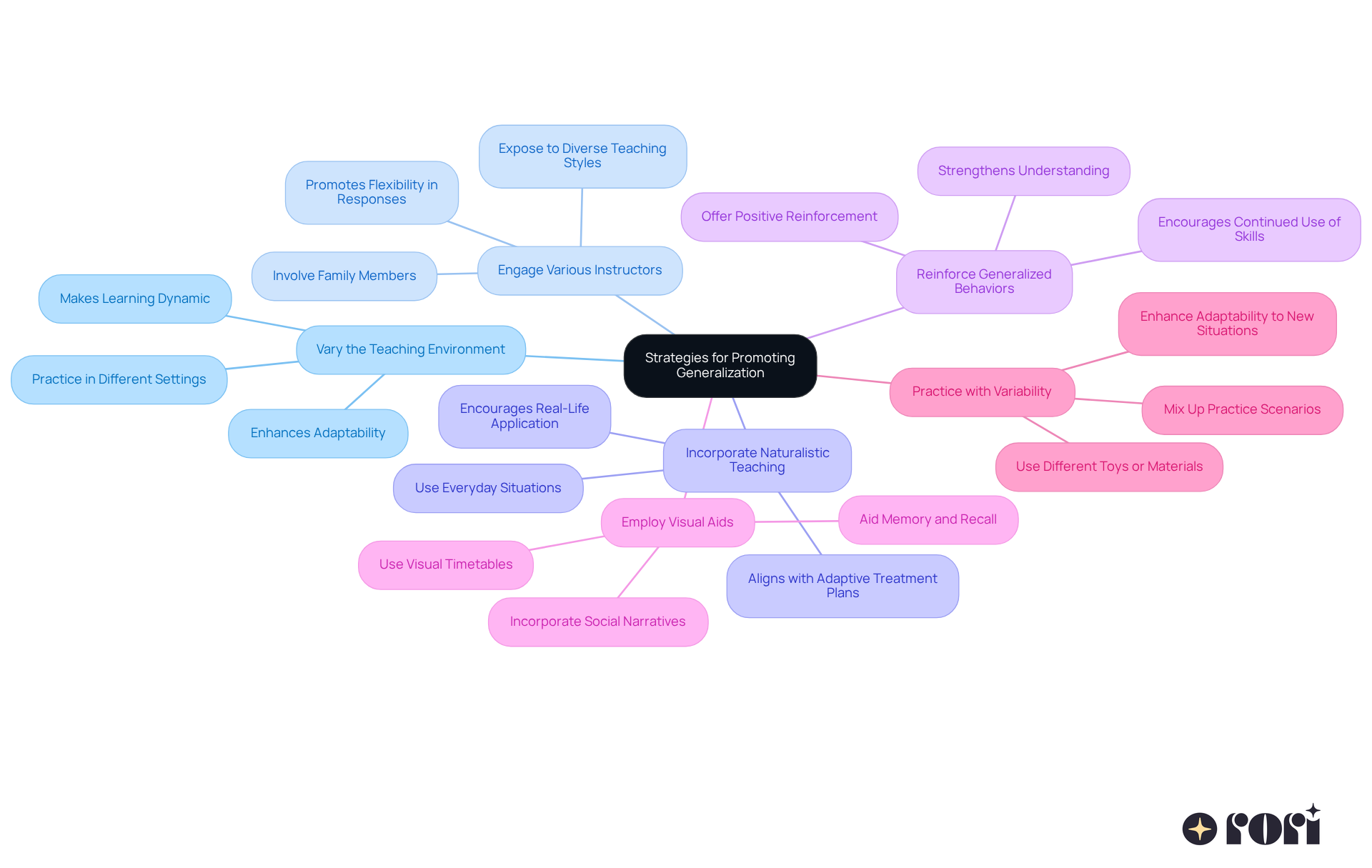
To effectively promote in children with autism, parents can implement several impactful strategies:
By actively engaging in these strategies, parents can boost their children's ability to generalize skills effectively, which is essential for enhancing generalization abilities in children with autism. This not only leads to greater independence but also enhances their overall quality of life. Let’s explore this together! We’re here to help you every step of the way!
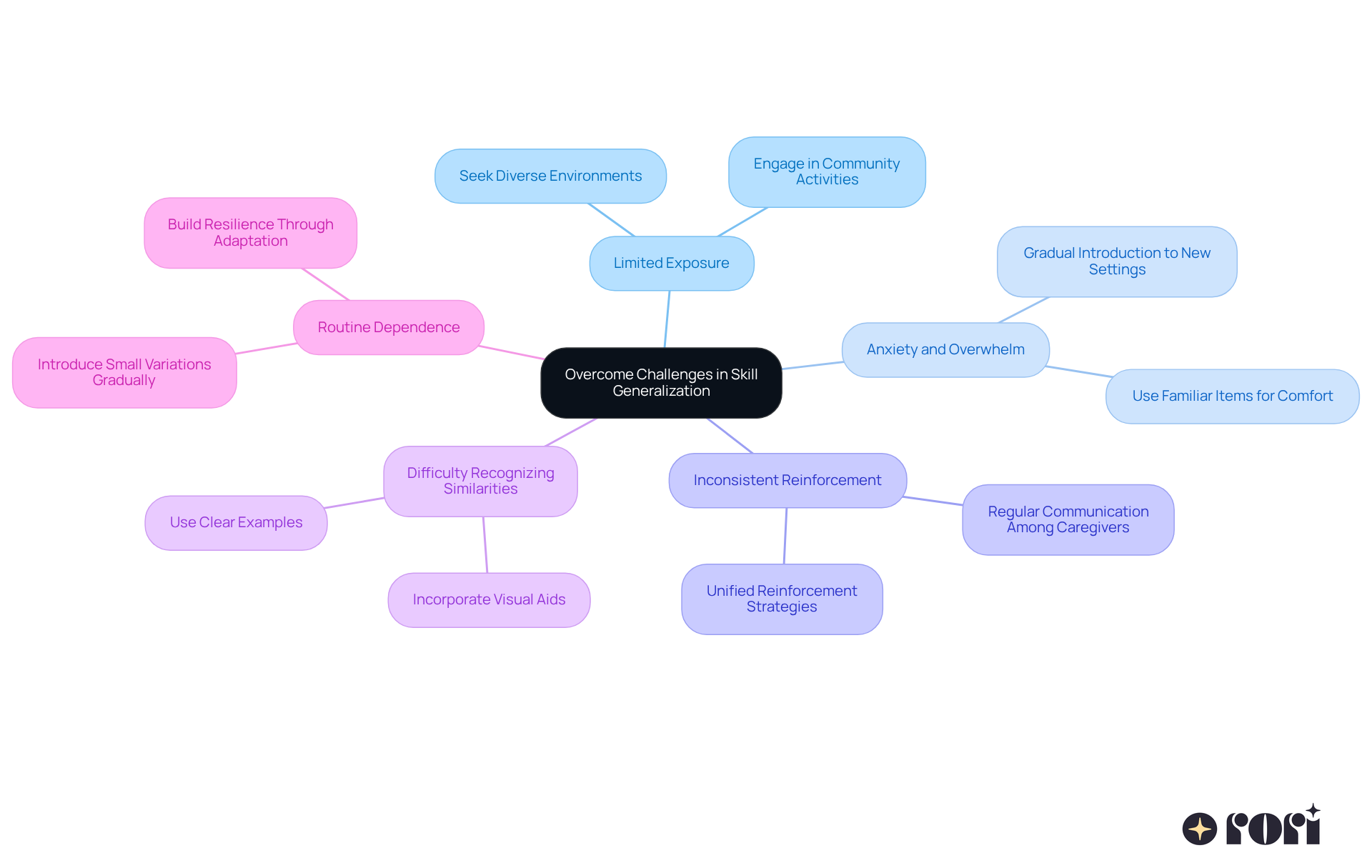
As parents, you might encounter a few hurdles when it comes to enhancing . Let’s take a look at some common challenges and how you can tackle them together!
It’s crucial to integrate effective in children with autism, especially considering that over 15% of public school students in the U.S. receive special education services. This highlights the growing neurodiversity in our classrooms! Remember, is key in enhancing by that support their child’s development of new skills. This really underscores the and improving outcomes for our kids.
Let’s explore this together! We’re here to help you every step of the way!
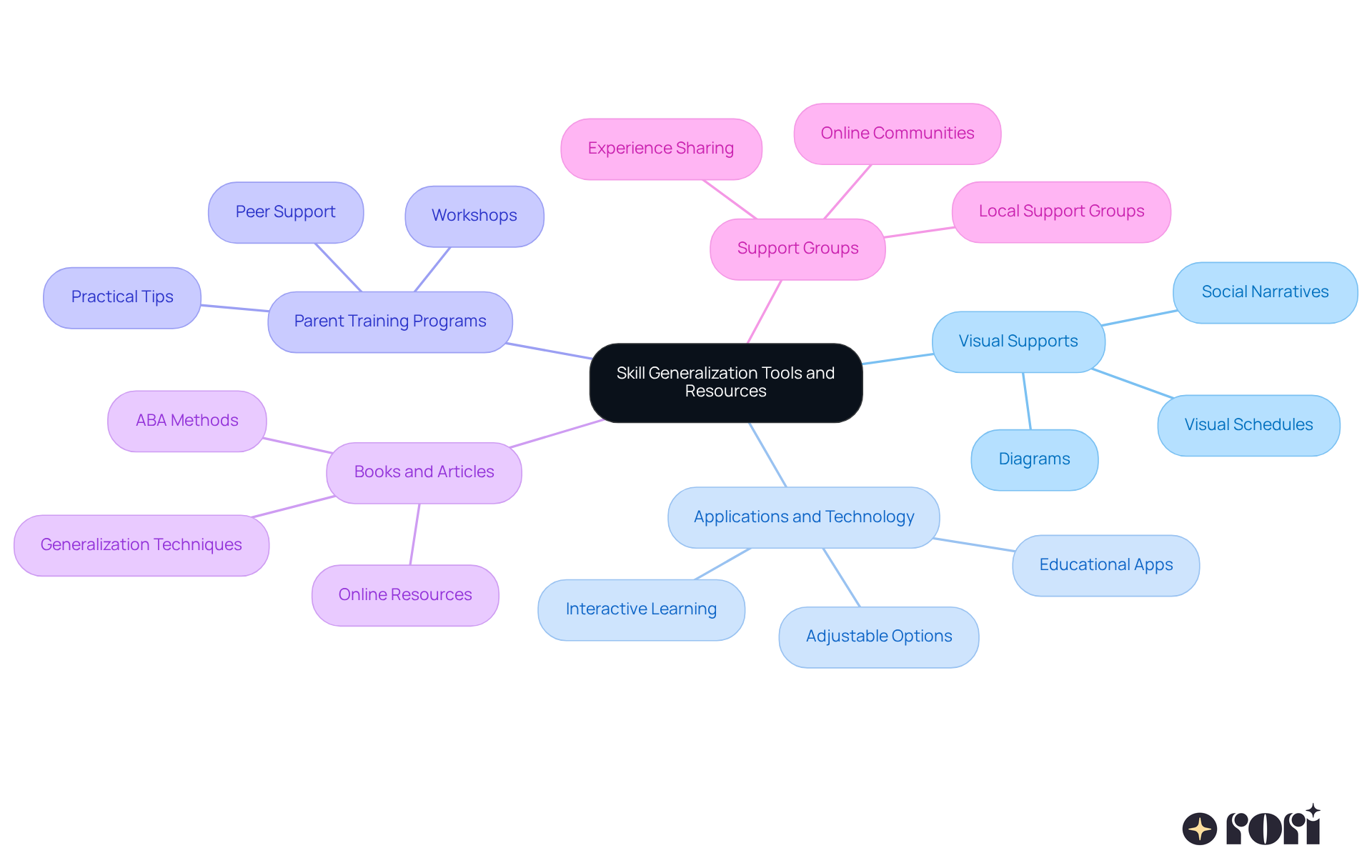
To support , parents can tap into a variety of that make a real difference:
By leveraging these resources, parents can create a nurturing environment for their children, which is essential for enhancing generalization abilities in children with autism to generalize skills effectively. This not only enhances their independence but also enriches their social interactions. Let’s explore this together!
Enhancing generalization abilities in children with autism is so important for fostering their independence and social skills. By understanding the different types of generalization-like stimulus, response, and situation-parents can truly appreciate how vital it is to teach their children to apply learned skills in various contexts. This foundational knowledge helps families create supportive environments where their kids can thrive socially and functionally.
Throughout this article, we’ve explored key strategies for promoting skill generalization. These include:
Plus, we’ve highlighted how crucial caregiver education is in reinforcing learned behaviors and ensuring consistency in reinforcement. By putting these strategies into practice, parents can significantly boost their child's ability to generalize skills effectively, leading to better outcomes in everyday situations.
The journey of enhancing generalization abilities in children with autism isn’t just about teaching skills; it’s also about building a supportive community. Using tools like visual aids, educational apps, and parent training programs can create a nurturing atmosphere that’s perfect for learning. By actively engaging in these practices and seeking out resources, parents can empower their children to navigate the complexities of social interactions and daily life with confidence. Embracing this approach not only enriches the lives of children with autism but also strengthens family dynamics, paving the way for a brighter, more inclusive future. Let’s explore this together!
What is generalization in autism?
Generalization in autism refers to the ability of children with autism to apply what they learn in one context to different situations. For example, if a child learns to greet their therapist, generalization means they can also greet family members, friends, or strangers in various settings.
What are the three main types of generalization?
The three main types of generalization are: 1. Stimulus Generalization: Applying a skill across different stimuli, such as recognizing a familiar face in various places. 2. Response Generalization: Using different ways to respond to the same situation, like varying greetings. 3. Situation Generalization: Using learned skills in different contexts, such as applying social techniques at home, school, or in public.
Why is enhancing generalization abilities important for children with autism?
Enhancing generalization abilities is crucial as it helps children use skills learned in therapy in everyday situations, boosting their independence and social skills. Without good generalization, they may struggle to apply skills in different environments.
How can caregivers support the generalization process?
Caregivers can support the generalization process by being involved in interventions and learning about ABA principles and strategies. This education equips them to provide the right support at home, positively impacting their child's progress.
What role does group therapy play in enhancing generalization abilities?
Group therapy focused on social skills, led by qualified therapists, can enhance how individuals interact and communicate in group settings, fostering better relationships and competence, which contributes to generalization.
What are the success rates of ABA therapy in enhancing generalization abilities?
Success rates in ABA therapy for enhancing generalization abilities can range from 63% to 88%, indicating the effectiveness of structured interventions in improving daily functioning and social engagement for children with autism.
How does generalization affect a child's learning and confidence?
Encouraging broader thinking through generalization helps children gain confidence and improve their interactions with peers and adults, leading to better overall growth and the practical application of learned skills in daily life.