Family involvement is key to making Applied Behavior Analysis (ABA) therapy a success! When families actively engage in the process, it turns the therapeutic journey into a collaborative effort that benefits both children and their caregivers. This teamwork can lead to amazing outcomes, like improved skills and emotional growth in kids. But here’s the big question: how can families get involved effectively to ensure lasting success?
In this article, we’ll explore some essential strategies for fostering family engagement in ABA therapy. We’ll highlight just how powerful the collaboration between families and therapists can be for children’s development. Let’s dive in together and discover how we can make this journey even more impactful!
Family involvement is essential for enhancing outcomes through ! Research shows that in ABA therapy results in amazing improvements for kids. For example, when caregivers get involved, it can , which helps children thrive.
Kids whose families join in therapy sessions often show . This teamwork not only creates a warm and but also , which is so important for emotional and behavioral growth.
Involving families in the therapeutic journey plays a crucial role in enhancing outcomes through family involvement in ABA therapy, . This means kids can practice and reinforce their skills in real-life situations, leading to greater independence and success. Plus, when caregivers are educated about ABA principles and strategies, they feel empowered to make informed decisions that positively impact their child's progress.
It's crucial to steer clear of the 'specialist model' of treatment, where parents think they can just drop off their kids for experts to fix them. This mindset can limit the chances for successful skill transfer. On the bright side, can significantly reduce stress and improve family dynamics, creating a .
Let’s explore this together! We’re here to help you every step of the way!

Boosting is crucial for enhancing outcomes through ! At Rori Care, our therapists actively encourage households to participate in therapy sessions, which is crucial for [enhancing outcomes through family involvement in ABA therapy](https://rori.care/post/10-essential-aba-therapy-resources-for-parents-of-children-with-autism). This way, parents get to see techniques and strategies in action, making it easier to replicate them at home. Plus, enhancing outcomes through family involvement in ABA therapy is key to keeping the lines of communication open between therapists and caregivers. and feedback is essential for enhancing outcomes through family involvement in ABA therapy, as it helps parents feel engaged and informed about their child’s progress.
Our at Rori Care updates after each session based on the progress made. This ensures that treatment plans are . We also provide families with , like handouts or access to online training, which is crucial for enhancing outcomes through family involvement in ABA therapy by allowing them to reinforce what’s learned during sessions.
Creating a friendly atmosphere where everyone feels comfortable asking questions and sharing concerns is crucial for building trust and cooperation. Studies show that enhancing outcomes through family involvement in ABA therapy, such as regular participation in counseling sessions by relatives, leads to lasting benefits like and greater adaptability. In fact, we see notable progress in 90% of young individuals when recommended hours are fully implemented with . By fostering a welcoming environment, families can significantly contribute to enhancing outcomes through family involvement in ABA therapy for their child’s success in treatment. Let’s explore this together!

Empowering families through training is essential for ! When parents participate in extensive training sessions on , they develop the necessary skills for in ABA therapy to assist their kids in learning at home. , and handy informational materials really boost parents' understanding of ABA principles and strategies.
Training often includes , allowing parents to practice reinforcement techniques and behavior management strategies effectively. This education not only empowers caregivers but also supports enhancing outcomes through family involvement in ABA therapy, encouraging informed decision-making that helps them make choices positively impacting their children's progress. Plus, or access to a therapist for questions, plays a crucial role in enhancing outcomes through family involvement in ABA therapy, thereby increasing families' confidence in contributing to their kids' development.
Research shows that parents who engage in over 40 hours of ABA training feel more confident and experience a , which supports enhancing outcomes through family involvement in ABA therapy for their children. Isn’t that amazing? Direct training of parents has even led to a 47.7% decrease in challenging behaviors, highlighting the importance of enhancing outcomes through family involvement in ABA therapy!
Additionally, interventions focused on enhancing outcomes through family involvement in ABA therapy have been shown to lessen parental stress and psychological issues, reinforcing the benefits of ongoing support. Case studies reveal that enhancing outcomes through family involvement in ABA therapy, particularly through , not only boosts kids' communication and emotional regulation skills but also creates a supportive home atmosphere, benefiting the entire family dynamic.
Let’s explore this together! We’re here to help you every step of the way!

Cooperation between households and counselors is crucial for enhancing outcomes through . When clear communication channels are established, it opens the door for sharing insights and concerns, which can really shape . Regular get-togethers between families and counselors create a space for discussing the youth's progress and any changes needed in the treatment strategy.
Did you know that over 89% of studies show ? Plus, around 90% demonstrate after intensive interventions! Engaging families in goal-setting is key. It ensures that therapy objectives align with what matters most to them, fostering a sense of ownership in the therapeutic process.
This collaborative approach is focused on in ABA therapy, empowering families to actively participate in their child's development and . is a vital part of this journey. It equips caregivers with the knowledge and skills they need to provide the right support at home, complementing professional interventions.
When caregivers understand ABA principles better, they can make informed decisions that positively impact their child's progress, ultimately leading to . Evaluations like the Vineland Adaptive Behavior Scales (VABS) can also be used to assess improvements in communication frequency and overall treatment effectiveness. This reinforces the idea that a is essential for achieving the best outcomes in autism care.
And here’s something important: that’s covered by insurance. This really highlights its significance! Let’s explore this together!
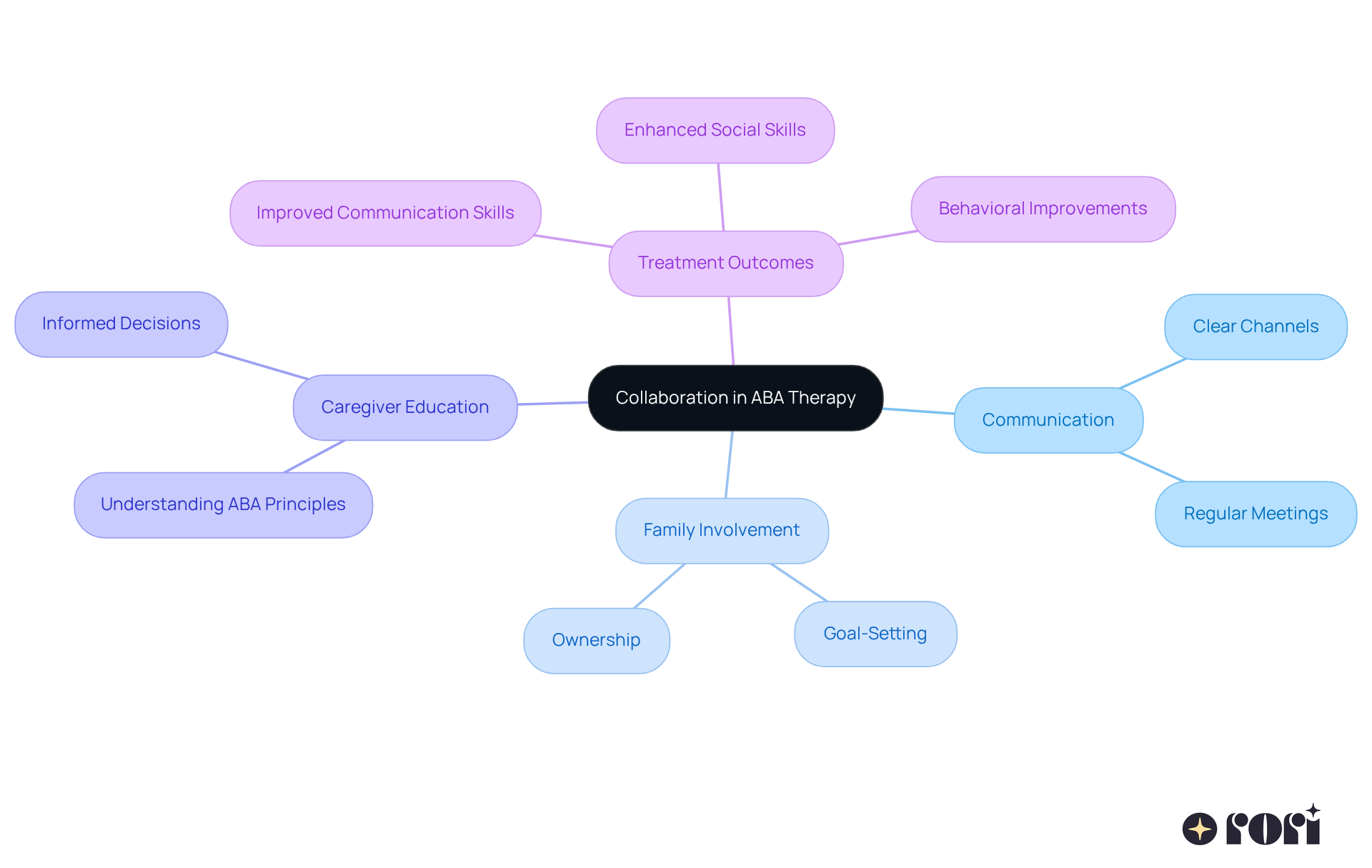
Family involvement in ABA therapy isn’t just beneficial; it’s absolutely essential for achieving the best outcomes! When caregivers engage in the therapeutic process, they create a nurturing environment where children can truly thrive. It’s all about collaboration between families and professionals - this partnership is key to success. By actively participating in therapy, families not only deepen their understanding of ABA principles but also strengthen their emotional bonds, leading to better behavioral outcomes for their children.
Let’s take a moment to highlight some critical aspects of family involvement.
These elements come together to create a consistent and supportive atmosphere, allowing children to practice and generalize their skills in various settings. Plus, the evidence shows that children whose families are actively engaged in the therapeutic process experience significant improvements. It’s clear: collaboration leads to measurable progress!
Ultimately, the message is simple: empowering families through training and fostering collaboration with therapists is crucial for maximizing the benefits of ABA therapy. As families become more involved, they not only contribute to their child’s development but also cultivate a supportive home environment that benefits everyone. Embracing this collaborative approach can truly transform the therapeutic experience, paving the way for lasting positive change in the lives of children and their families.
So, let’s explore this together! We’re here to help you every step of the way!
Why is family involvement important in ABA therapy?
Family involvement is essential in ABA therapy as it enhances outcomes, leading to significant improvements for children. When caregivers participate, it can lower stress and boost confidence, helping children thrive.
What benefits do children experience when their families are involved in therapy sessions?
Children whose families join in therapy sessions often show remarkable improvements in applying their skills in various settings. This collaboration creates a supportive environment and strengthens the bond between parents and children, which is vital for emotional and behavioral growth.
How does family involvement foster a consistent learning atmosphere?
Involving families in the therapeutic journey fosters a consistent learning atmosphere, allowing children to practice and reinforce their skills in real-life situations, which leads to greater independence and success.
What role does caregiver education play in ABA therapy?
When caregivers are educated about ABA principles and strategies, they feel empowered to make informed decisions that positively affect their child's progress. This education also helps reduce stress and improve family dynamics.
What is the 'specialist model' of treatment, and why should it be avoided?
The 'specialist model' refers to the mindset where parents believe they can simply drop off their kids for experts to fix them. This approach can limit opportunities for successful skill transfer and is not conducive to effective therapy.
How can caregiver involvement impact family dynamics?
Caregiver involvement can significantly reduce stress and improve family dynamics, creating a nurturing space that supports children's development.