Toilet training can feel pretty overwhelming, especially for children with autism who might encounter unique sensory and communication challenges during this important developmental phase. But here’s the good news: integrating Applied Behavior Analysis (ABA) therapy can provide a structured and effective way to tackle these hurdles, making the whole process a lot more manageable and even positive!
So, what can caregivers do to support their child’s learning while also encouraging independence in this vital life skill? Let’s unpack the power of ABA therapy together! You’ll find actionable insights that can really boost toilet training outcomes, empowering both children and their families along the way.
We’re here to help you every step of the way!
Applied Behavior Analysis (ABA) therapy is essential for maximizing with in kids with autism. It uses that make learning feel natural and fun, focusing on reinforcement and . At Rori Care, we’re all about helping your little one gain the . We break down the complex process of bathroom habits into simple, achievable steps.
Our skilled behavior analysts craft that include measurable goals and proven strategies. This way, every child gets the tailored support they deserve, addressing not just the but also the sensory and communication hurdles many kids with autism face. By incorporating visual aids, regular routines, and , ABA therapy at Rori Care is dedicated to with ABA therapy, empowering children to master their toileting skills and gain independence.
We know that every journey is unique, and that’s why we offer a to chat about how our services can best support your family. Let’s explore this together!
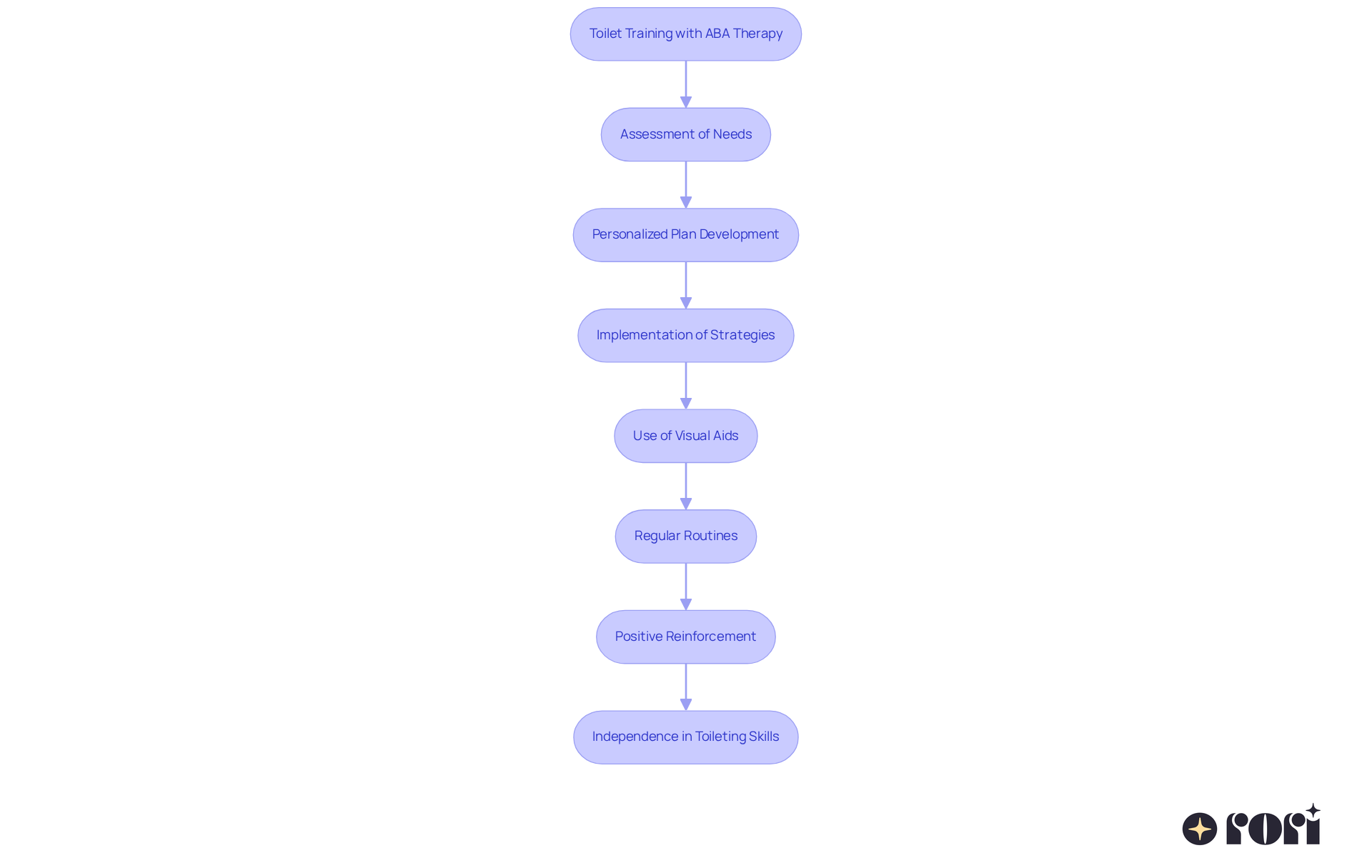
Toilet training can be quite a journey, especially for kids with autism, and maximizing toilet training outcomes with can make this process more effective. Sensory sensitivities often play a big role in this process. For many little ones, the sounds associated with using the restroom - like the flush - can feel overwhelming. And let’s not forget about the restroom seat; it can be uncomfortable, which might lead to some resistance.
Communication can also add to the challenge. Kids may find it tough to express their needs or understand instructions. Plus, many children with autism thrive on routines, making the transition to new methods like bathroom training a bit tricky. is so important! For example, making - like adding soft rugs or a cushioned toilet seat - can really enhance comfort.
There are also helpful strategies to consider. can guide kids through these challenges more effectively. And let’s not overlook the ! Your active participation is key. It not only boosts professional interventions but also creates consistency in your child’s environment.
Keeping track of progress is another great step. Using detailed logs or apps can help parents , allowing for timely adjustments to their approach. Plus, can empower you to support your child’s behavioral goals, particularly in [maximizing toilet training outcomes with ABA therapy](https://rori.care/post/10-aba-courses-online-free-for-parents-to-enhance-skills). This knowledge leads to informed decision-making and better outcomes, making the bathroom routine a more supportive and successful experience tailored to your child’s unique needs.
Let’s explore this together! We’re here to help you every step of the way!

Effective ABA methods play a crucial role in for our little ones 🌟 Think about it: discrete trial instruction, , and . is effective in maximizing toilet training outcomes with ABA therapy by breaking down the bathroom training process into small, manageable steps. This way, kids can focus on learning and getting along the way.
Now, let’s talk about task analysis. It’s all about detailing each phase of the toileting procedure - from , which is essential for maximizing toilet training outcomes with ABA therapy. And don’t forget visual supports! Picture schedules or social stories can be fantastic tools for communication and understanding. Consistency is key here! Regularly is crucial for maximizing toilet training outcomes with ABA therapy, as it allows us to adapt our approach as needed, ensuring success.
is super important too. Every child has unique needs and goals, right? By and regularly checking in on their development, we can tailor our support effectively for maximizing toilet training outcomes with ABA therapy. This not only enhances the learning process but also makes it a more positive experience for everyone involved. Let’s explore this together! We’re here to !

Positive reinforcement is an essential component for maximizing , particularly for helping kids with autism develop better bathroom habits. Imagine this: when children receive - like a cheerful ‘great job!’ or a shiny sticker - they’re more likely to repeat those behaviors. Research shows that consistent ABA intervention is effective for [maximizing toilet training outcomes with ABA therapy](https://rori.care/post/10-powerful-differential-reinforcement-aba-examples-you-need-to-know), enabling kids to master bathroom skills in about 8 to 12 weeks. Isn’t that amazing?
It’s all about finding the right rewards for each child. Some kids might light up at the thought of a small treat, while others thrive on verbal praise. Consistency is key here! When you right after the desired behavior, it strengthens the connection between the action and the reward, creating a . Plus, can really boost a child’s confidence and independence in the process of maximizing toilet training outcomes with ABA therapy.
And let’s not forget about the role of caregivers! is crucial for maximizing toilet training outcomes with ABA therapy. It empowers them to provide that positively impact their child’s progress. As Dr. O. Ivar Lovaas wisely said, '.' This really highlights how important it is to tailor our approaches to meet individual needs.
not only motivate children but also support their overall development. They empower caregivers, leading to better behavioral outcomes. So, let’s explore this together! We’re here to help you every step of the way!

is so important for ! When both sides communicate openly and share regular updates, it helps everyone stay on the same page. Parents can share their observations about their little ones' behavior at home, while therapists can guide them on how to apply techniques consistently in different settings, like during Individual Therapy or .
This partnership creates a nurturing environment where kids can really thrive. By working together, parents and therapists can strengthen the skills kids are learning and tackle any challenges that pop up during the bathroom acclimatization process. Research shows that when caregivers are involved in therapy, kids often make quicker progress in developing their skills. Isn’t that amazing?
Effective communication strategies, like regular meetings and feedback exchanges, can really boost this partnership. It ensures that everyone is working toward the same goals. By building a strong , families can create a reliable and supportive atmosphere that is essential for for kids with autism. For instance, studies indicate that kids whose parents actively participate in therapy programs tend to improve faster, with some even reporting a 30% increase in successful bathroom habits compared to those with less parental involvement.
Family therapists often highlight the importance of open dialogue, saying, 'Successful collaboration between parents and therapists hinges on establishing consistent, .' By equipping caregivers with ABA principles and techniques, they can better support their children's behavioral goals, leading to even better outcomes.
You can see examples of in case studies where parents and therapists teamed up to create personalized strategies. This collaboration leads to enhanced support and informed decision-making for [maximizing toilet training outcomes with ABA therapy](https://rori.care/post/maximize-your-childs-academic-potential-with-aba-techniques). Let’s explore this together!

Maximizing toilet training outcomes for children with autism through ABA therapy isn’t just a possibility; it’s a structured approach that can lead to real success! By using evidence-based techniques, this method turns the often daunting task of toilet training into a manageable and enjoyable experience for both kids and their families.
This article shines a light on the importance of personalized planning, effective communication, and positive reinforcement in tackling common challenges during the toilet training journey. Strategies like task analysis and visual supports are fantastic tools that help children build essential skills while creating a supportive environment. Plus, the collaboration between parents and therapists is crucial, ensuring that kids receive consistent guidance and encouragement every step of the way.
Ultimately, embracing ABA therapy for toilet training not only empowers children with autism to gain independence but also strengthens the bond between caregivers and professionals. By investing time and effort into understanding and applying these strategies, families can foster a nurturing atmosphere that promotes successful outcomes. The journey may have its challenges, but with the right support and resources, every child can thrive in mastering their toileting skills. Let’s explore this together!
What is ABA therapy and how does it assist in toilet training for children with autism?
ABA therapy, or Applied Behavior Analysis therapy, is essential for maximizing toilet training outcomes in children with autism. It employs evidence-based techniques that make learning feel natural and enjoyable, focusing on reinforcement and structured routines.
How does Rori Care approach toilet training for children with autism?
At Rori Care, skilled behavior analysts create personalized plans that include measurable goals and proven strategies. This tailored support addresses not only the behavioral aspects of toilet training but also sensory and communication challenges that many children with autism face.
What techniques are used in ABA therapy to support toilet training?
Techniques include the use of visual aids, regular routines, and positive reinforcement to empower children to master their toileting skills and gain independence.
What challenges do children with autism face during toilet training?
Children with autism may struggle with sensory sensitivities, such as being overwhelmed by sounds like flushing, discomfort from restroom seats, and difficulties in communication, which can hinder their ability to express needs or understand instructions.
How can caregivers help in the toilet training process?
Caregivers play a crucial role by actively participating in the process, which boosts professional interventions and creates consistency in the child's environment. Keeping track of progress and using detailed logs or apps can also help monitor successes and setbacks.
What adjustments can be made to the bathroom environment to support children with autism?
Small adjustments, such as adding soft rugs or a cushioned toilet seat, can enhance comfort for children with sensory sensitivities during toilet training.
How can parents educate themselves about ABA principles and strategies?
Parents can empower themselves by learning about ABA principles and strategies, which can lead to informed decision-making and better outcomes in supporting their child's behavioral goals, particularly in toilet training.
Does Rori Care offer consultations for families interested in ABA therapy for toilet training?
Yes, Rori Care offers complimentary consultations to discuss how their services can best support families in the toilet training journey.