Children with autism often exhibit a cognitive characteristic known as rigid thinking, where they rely on inflexible and repetitive thought patterns and actions. This trait significantly influences their ability to regulate emotions, requiring parents and caregivers to approach emotional support with a nuanced understanding. Emotional intelligence plays a crucial role, enabling the recognition, understanding, and management of emotions in both oneself and others.
The Wheel of Emotions provides a framework for understanding complex emotional responses, aiding in better grasping the challenges faced by children with autism in expressing and regulating their emotions. With the growing prevalence of autism diagnoses, there is a need for enhanced focus on emotional regulation strategies tailored to the unique needs of these children. Open collaboration and sharing of knowledge can lead to the development of effective support systems, benefiting both individuals and their families.
often exhibit a cognitive characteristic known as , where they tend to rely on inflexible and repetitive thought patterns and actions. This trait can significantly influence their ability to regulate emotions, requiring parents and caregivers to approach with a nuanced understanding. plays a crucial role here, enabling one to recognize, understand, and manage emotions both in oneself and in others.
According to the established models by Ekman and Friesen, basic human emotions include anger, disgust, fear, happiness, sadness, and surprise, which are critical for interpreting the emotional states of .
The further expands on this by offering a detailed categorization of primary and secondary emotions, providing a framework for understanding complex emotional responses. For instance, the combination of primary emotions like joy and trust can lead to an affectionate secondary emotion. It's essential for those supporting children with autism to discern the distinction between 'emotion mimicry,' the imitation of emotional expressions, and 'emotion production,' the natural manifestation of one's feelings.
This understanding aids in better grasping the challenges faced by children with autism in expressing and regulating their emotions.
Recent statistics underscore the growing prevalence of autism diagnoses, with reports indicating a 25% increase between 2015 and 2018 in Australia alone. This rise calls for an enhanced focus on tailored to the unique needs of children on the autism spectrum. As the scientific community advocates for open collaboration and sharing of knowledge, similar principles can be applied to developing effective support systems for emotional regulation in children with autism, benefiting both the individuals and their families.

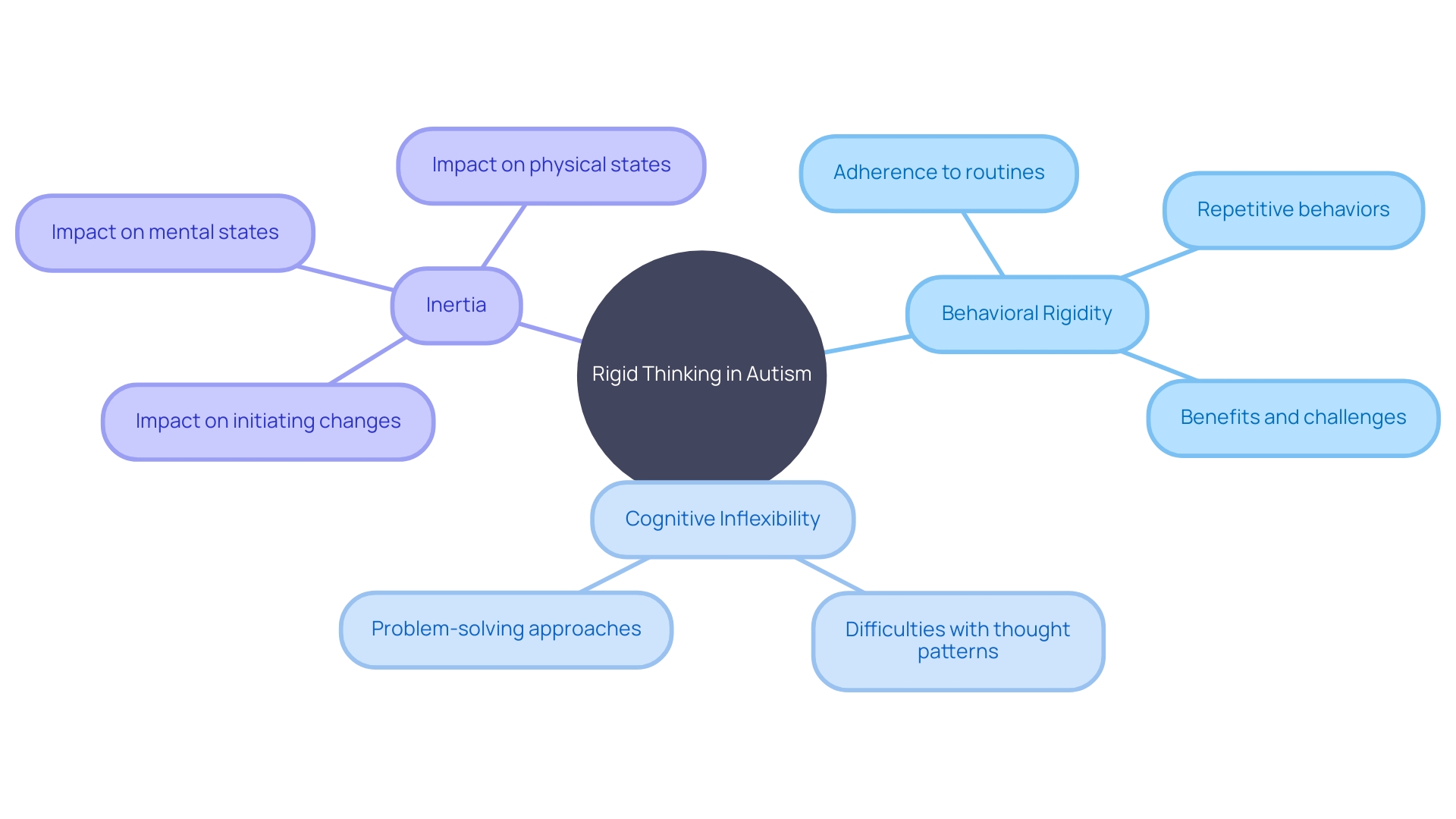
Understanding the nuances of in individuals with autism requires a deep dive into the concepts of and . manifests as unyielding adherence to routines and repetitive behaviors, which are often seen as a hallmark of autism. These behaviors, sometimes referred to as (RRBs), play a role in and voluntary motor control, and can be beneficial for mastery, self-control, and emotional development in younger children.
However, when these behaviors persist beyond their adaptive periods, they can be indicative of neurodevelopmental conditions, including autism spectrum disorders (Evans et al. ).
On the other hand, involves challenges with adapting or altering thought patterns and problem-solving approaches. This cognitive aspect is akin to the concept of 'inertia' within the autistic community, a term adopted to describe the difficulty in initiating or changing mental and physical states without external intervention. can present as either 'inertial rest'—becoming 'stuck' or 'frozen' during tasks despite the motivation to act—or 'inertial motion,' continuing a behavior without the ability to easily stop (Buckle et al., 2021; Dekker, 1999).
It's important to note that individuals with autism might experience varying degrees of skill in different contexts, influenced by factors such as motivation and anxiety levels. This variability can impact their ability to adapt to new situations or demands, further complicating the picture of cognitive inflexibility in autism.
By appreciating the complexity of these behaviors and cognitive patterns, we can better support individuals with autism in developing strategies for , thereby improving their quality of life and enabling them to navigate the world around them more effectively.
Children with autism often exhibit , which can significantly impact their . This may lead to a strong preference for consistency, a resistance to change, and pronounced distress when there's a deviation from their expected routine. Recognizing these traits is essential; by understanding their child's unique experiences with sensory processing and their responses to stimuli, parents can better support their .
A neurodivergent perspective suggests that autism encompasses a range of strengths and challenges, which can vary widely from person to person and throughout one's life. Contemporary research advocates for acknowledging the that often accompany autism, such as , which are among the most prevalent and influential comorbidities. Indeed, studies indicate a significant variation in the prevalence of among autistic children and young people.
are a core feature of autism, so much so that they are part of the diagnostic criteria for Autism Spectrum Disorder (ASD). Individuals with autism may experience a mix of hypersensitivities (over-responsiveness) and hyposensitivities (under-responsiveness) to sensory inputs such as sights, sounds, tastes, and touch. These sensitivities affect not only their sensory experiences but also their ability to navigate social interactions and manage behaviors.
Furthermore, community-based research, including the perspectives of autistic adults, parents of autistic children, and their supporters, emphasizes the importance of neurodiversity-affirming goals. These goals should leverage the child's strengths and interests, rather than attempting to 'normalize' them, and should aim to adapt the environment and adult behaviors to better support the child.
It's also critical to consider that a significant proportion—60-70%—of autistic individuals have a co-occurring intellectual disability. This factor, along with age, can moderate levels of anxiety, suggesting a complex interplay between cognitive development and in autistic individuals. Such insights underscore the necessity for tailored support strategies that consider the diverse and evolving needs of children with autism.

Children with autism often exhibit a need for consistency, which is emblematic of their tendency for rigid thinking. This desire for uniformity and structure is more than a simple preference; it plays a critical role in their . By maintaining a , they can better manage their anxiety levels and achieve a sense of stability.
Parents who recognize and appreciate the underlying reasons for this behavior can offer more effective support and accommodations to assist their children in navigating .
The MOBSE approach, developed by Dr. Smile's research team at Holland Bloorview, underscores the intricate relationship between a child's well-being and the parental dynamic, particularly in terms of feeding and nutrition. This framework considers the high prevalence of gastrointestinal issues among autistic children, making it essential to address any as part of a .
Staying informed about the latest research and therapeutic options is crucial for parents. As new treatments and findings emerge, it is essential for caregivers to be discerning and critical, seeking expert advice to distinguish between credible information and misleading claims. This ongoing education can enhance decision-making, particularly when prescribed to their children.
Furthermore, as children grow, their decisions to either stick with the familiar or explore new possibilities greatly influence their learning experiences. For children with autism, predictability can foster an environment that encourages the formation of expectations and the understanding of their surroundings. Parents can utilize this knowledge to create structured yet enriching environments that promote learning and exploration within a safe and predictable framework.
In summary, by embracing a comprehensive approach that includes medical stability, , and fostering a , parents can support the emotional regulation and overall well-being of their children with autism.
Children on the autism spectrum can experience the world in stark contrasts, often trapped in 'black and white' thinking patterns where situations are labeled as wholly good or bad. This cognitive tendency can lead to a form of , making it challenging for them to adjust to changes and new experiences. Such children may also show a preference for well-defined rules and predictable environments.
By understanding these unique cognitive behaviors, strategies can be crafted to encourage greater emotional adaptability and resilience.
For children with autism, recognizing and managing emotions can be a complex process that requires a from parents and caregivers. Research suggests that an integrative and holistic framework, focusing on self-awareness and , can significantly aid these children. Within this framework, is critical.
Empathy, particularly the ability to consider different perspectives, equips children with the ability to connect with others and navigate their social world more effectively.
Moreover, efforts such as those by to enhance the travel experience for neurodivergent passengers illustrate the importance of creating environments that accommodate the unique needs of children with autism. These initiatives demonstrate how familiarity and preparation can alleviate stress for children facing new experiences, helping them to feel more secure and understood.
In fostering in children with autism, it is essential to address their by introducing strategies that allow for flexibility and adaptation. This approach not only supports their emotional development but also contributes to their overall mental health and capacity to engage meaningfully with the world around them.
When it comes to , their thought processes often exhibit a certain rigidity, making it challenging for them to adapt to change or embrace new perspectives. This inflexibility can stem from a variety of sources. is one such contributor, where the way information is interpreted and understood can be distinctly different in children with autism compared to neurotypical children.
also play a role, as these children might experience overwhelming responses to sensory stimuli, which can lead to a preference for sameness and routine. Challenges with , encompassing skills like planning, flexibility, and impulse control, can further complicate their ability to regulate their thoughts and behaviors.
To support children with autism effectively, it's essential to recognize the uniqueness of each child’s experience. Some might grapple with the nuances of , while others could find solace in the predictability of specific routines or interests. The intersection of autism with co-occurring conditions such as —which are reported to affect a significant number of autistic children—can influence their emotional and behavioral responses.
Recent studies suggest that this anxiety can be one of the most impactful additional difficulties they face.
Understanding these multifaceted causes is crucial for parents and caregivers. It equips them to provide tailored support that addresses their child's unique needs, potentially enhancing their ability to cope with their environment and improve their quality of life. As researchers continue to explore the complexities of autism, including groundbreaking studies on how proteins interact and the development of new technologies like AI for early diagnosis, it becomes increasingly important to stay current with these advancements.
Such knowledge empowers caregivers to make informed decisions about interventions, therapies, and even everyday strategies to support their child’s and overall development.
Children with autism often experience challenges with , which can affect their daily lives in various ways. For instance, adapting to changes, whether in routine or environment, can provoke anxiety and frustration. Social interactions might also be more difficult, as these often require a level of adaptability and understanding of others' perspectives.
One of the strategies to support children facing these challenges is to introduce , which have been shown to enhance . In a study involving third to fifth graders, perspective-shifting was encouraged by having children think of a friend with special skills to help them tackle challenges. This approach, which is a form of creativity training, can be particularly beneficial for children with autism as it encourages them to generate alternative plans when faced with obstacles.
Moreover, the concept of 'inertia' as described by the autistic community, refers to the difficulty in initiating or changing activities, even with the desire to do so. This can manifest as becoming 'stuck' during tasks, which further emphasizes the importance of .
Recognizing the can guide parents to provide more targeted and effective support. Moreover, adopting that view autism as a constellation of strengths and needs can help in formulating interventions that address these challenges while leveraging the child's strengths.
Supporting children with autism in developing skills can be particularly challenging due to rigid thinking patterns. To assist these children, parents can adopt a variety of . can provide a clear structure, helping children to understand and anticipate daily activities.
Consistency in routines and expectations offers a stable environment that reduces anxiety and enhances predictability.
Introducing gradual changes can ease transitions, while can be used to illustrate social situations and expected behaviors, fostering understanding and flexibility. These tactics not only promote adaptability but also serve as vital tools in helping children with autism cope with their environment, ultimately fostering mental health and equitable participation in various life domains.
The open science movement emphasizes sharing knowledge, which can be critical for parents seeking current and reliable information on autism interventions. By staying informed about the latest research and methodologies, parents can make better decisions regarding their child's care. Understanding the full impact of interventions—including potential risks and the scope of change—is essential for parents to effectively.
It's crucial to recognize the unique contributions children with autism bring to their communities, while also addressing their specific needs. Reducing chronic stress and providing adequate resources empower parents to nurture their child's development. This approach aligns with the perspective of autistic individuals and researchers who advocate for research that resonates with the priorities of the autistic community, including the frequent co-occurrence of conditions such as .
By implementing these strategies, caregivers can help their child with autism build the necessary coping mechanisms to improve , which is a cornerstone of mental health and well-being. This comprehensive approach ensures that children with autism receive the support they need to participate fully and fairly in all aspects of life.

The exploration of is a dynamic field, where the nuances of 'emotion mimicry' and 'emotion production' are studied for their distinct roles in . Ekman and Friesen's categorization of basic human emotions into categories such as happiness, sadness, and fear, along with the Wheel of Emotions model, provide a solid foundation for understanding emotional expression. In the context of autism, this understanding is critical, as autistic children may exhibit differences in how they express and experience emotions, particularly in social settings.
In light of recent research distinguishing genuine smiles from posed ones, which underscores the complexity of interpreting emotional expressions, it becomes clear that in autistic individuals must go beyond the surface. Intergroup bias research further reveals our tendency to interpret emotions based on group dynamics, emphasizing the need for tailored approaches that consider the individual's social context.
Dr. David (Dan) R. Offord's perspective on equitable participation for children with disabilities resonates deeply here. It is not only about ensuring that children with autism have fair access to support but also about appreciating their unique contributions and addressing the additional stressors they face. The high risk of exclusion from with emphasizes the importance of informed, compassionate support.
The IACC's role in enhancing coordination and communication across federal agencies reflects a commitment to and transparent reporting. By staying abreast of such initiatives and advancements, parents can be well-equipped to foster their child's emotional growth and integration into their communities, ensuring a fair race for all children.
In conclusion, supporting children with autism in emotional regulation requires a nuanced understanding of their rigid thinking. Emotional intelligence plays a crucial role in recognizing, understanding, and managing emotions in both oneself and others. The Wheel of Emotions provides a framework for better understanding the complex emotional responses of children with autism.
Open collaboration and knowledge sharing can lead to the development of effective support systems tailored to the unique needs of individuals with autism and their families.
Understanding the nuances of rigid thinking involves recognizing behavioral rigidity and cognitive inflexibility. Strategies for emotional and behavioral regulation should consider these complex behaviors and cognitive patterns. Children with autism often insist on sameness to maintain emotional equilibrium.
Staying informed about research and therapies helps parents make informed decisions and evaluate interventions and medications.
Children with autism can experience dichotomous thinking and benefit from strategies that encourage perspective-shifting and empathy. Creating environments that accommodate their unique needs fosters emotional adaptability. Tailored support is crucial for addressing the causes of rigid thinking, such as cognitive processing differences, sensory sensitivities, and challenges with executive functioning.
Rigid thinking can impact daily life, and strategies such as visual schedules, gradual changes, and social stories can promote adaptability and reduce anxiety. Sharing knowledge and adopting contemporary perspectives ensure children with autism receive comprehensive support. Evidence-based strategies, staying informed, and embracing a comprehensive approach are key to supporting emotional regulation in children with autism.
Ongoing research on emotional regulation and understanding emotional expression contributes to tailored approaches. The commitment to evidence-based practices enhances coordination and communication across agencies. By staying informed and involved, parents can foster their child's emotional growth and integration into their communities, ensuring a fair race for all children.
What is rigid thinking in children with autism?
Rigid thinking in children with autism refers to their tendency to rely on inflexible and repetitive thought patterns and actions, which can impact their emotional regulation and ability to adapt to change.
Why is emotional intelligence important when supporting children with autism?
Emotional intelligence helps in recognizing, understanding, and managing emotions, which is essential in interpreting and supporting the emotional states of children with autism.
What are basic human emotions, and how do they relate to autism?
Basic human emotions include anger, disgust, fear, happiness, sadness, and surprise. Understanding these emotions is critical for interpreting the emotional responses of children with autism.
What is the Wheel of Emotions, and why is it useful?
The Wheel of Emotions is a model that categorizes primary and secondary emotions, providing a framework for understanding complex emotional responses, which is useful in supporting children with autism.
How has the prevalence of autism diagnoses changed recently?
There has been a reported 25% increase in autism diagnoses between 2015 and 2018 in Australia, highlighting the need for focused emotional regulation strategies.
What is the difference between behavioral rigidity and cognitive inflexibility in autism?
Behavioral rigidity involves strict adherence to routines and repetitive behaviors, while cognitive inflexibility involves challenges in changing thought patterns and problem-solving approaches.
How do anxiety and sensory processing issues affect children with autism?
Anxiety disorders, which are common comorbidities, and sensory processing issues can influence the emotional and behavioral responses of autistic children, affecting their daily functioning and social interactions.
Why do children with autism insist on sameness?
Children with autism may insist on sameness to maintain a predictable environment, which helps manage anxiety levels and provides a sense of stability.
What is dichotomous thinking, and how does it affect children with autism?
Dichotomous thinking is a 'black and white' thinking pattern where situations are viewed as wholly good or bad. This can lead to mental rigidity and challenges in adjusting to new experiences for children with autism.
What contributes to rigid thinking in children with autism?
Factors such as cognitive processing differences, sensory sensitivities, challenges with executive functioning, and co-occurring conditions like anxiety disorders contribute to rigid thinking in children with autism.
What is the impact of rigid thinking on the daily life of a child with autism?
Rigid thinking can affect a child's ability to adapt to changes, manage social interactions, and navigate daily challenges due to a lack of flexibility.
How can parents and caregivers manage and support rigid thinking in children with autism?
Strategies include using visual schedules, maintaining consistent routines, introducing gradual changes, and employing social stories to foster understanding and adaptability.
What are some future directions in research and intervention for children with autism?
Future research is focusing on emotional regulation, distinguishing genuine emotional expressions, understanding intergroup bias, and developing tailored approaches that consider the social context of autistic individuals.