Functional Communication Training (FCT) is an integral part of autism therapy that focuses on teaching children effective communication skills as a substitute for problematic behaviors. This approach recognizes communication as a fundamental right and empowers children with autism to express their needs constructively. FCT not only addresses immediate communication challenges but also contributes to the broader goal of inclusive opportunities for all children.
In this article, we will explore the importance of FCT, its benefits in teaching effective communication, step-by-step implementation guide, creating a positive learning environment, encouraging communication skills in children, and overcoming common challenges. By understanding the principles and strategies of FCT, parents can support their child's communication development and foster their overall well-being.
, or FCT, is an integral part of that teaches children the vital skill of as a substitute for problematic behaviors. It is predicated on the understanding that communication is an essential right and that children are capable of learning to express their needs and desires constructively. By providing alternative communicative methods, FCT enables children with autism to convey their thoughts and interact positively with their surroundings.
Through the lens of equity in mental health and social participation, FCT is a tool that aids in , allowing children with disabilities to engage actively in educational, domestic, and recreational settings. The aim is to alleviate stress and empower caregivers with the resources necessary for and family welfare. This emphasis on communication aligns with research highlighting the and the importance of respecting the perspectives of individuals with autism.
As such, FCT not only addresses immediate communication challenges but also contributes to a broader goal of for all children.
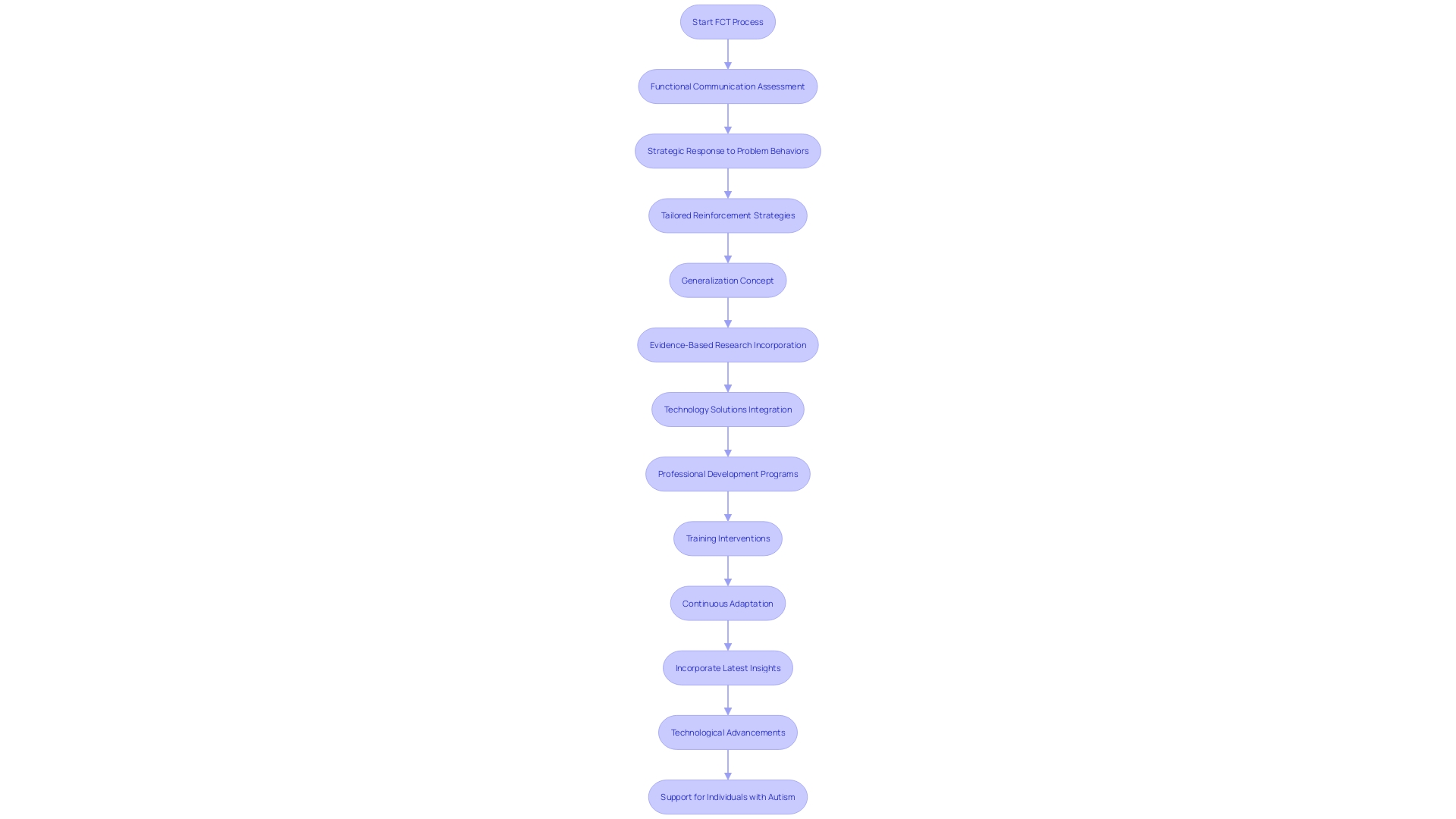
(FCT) stands as a beacon of hope for children with autism, aiming to equip them with effective . This method does more than just address communication deficits; it serves to diminish and bolster , thereby enriching the child's overall life experience. At its core, FCT is about creating a fair race for every child, as envisioned by Dr. David (Dan) R. Offord, a child psychiatrist who believed in equitable opportunities for all children, including those with disabilities.
By fostering an environment where children with autism can participate fully in school, home, and leisure activities, FCT aligns with the mission to reduce stress and provide caregivers the tools needed to nurture their child's development.
Moreover, the significance of FCT is echoed by initiatives like Communication 4 ALL, founded by Elizabeth Bonker, which champions the communication capabilities of nonspeaking individuals with autism. The organization's advocacy underscores the importance of recognizing the potential in these individuals and providing them with opportunities for education and personal growth. In line with such advocacy, FCT contributes to a society that values the of its children by ensuring they are not sidelined but are given the chance to thrive.
Studies like those conducted by the show the positive impact interventions can have on children's mental health and well-being. Similarly, FCT is an intervention that can play a pivotal role in not just enhancing communication but also in promoting a and prosocial behaviors. It's a reflection of the commitment to support every child's right to communicate clearly, as clear speech is integral to conveying and understanding information effectively.
In essence, FCT embodies the principle that every child deserves a fair shot at success, a sentiment poignantly captured by Dr. Offord's aspiration for his children's race. It's about equipping educators and caregivers with the knowledge and skills to foster communication and participation, ensuring that children with autism are not left behind but are supported to reach their fullest potential.
(FCT) is more than a technique; it's a pathway to enhancing your child's and reducing challenging behaviors. By breaking down the process into clear steps, caregivers can approach FCT with confidence and clarity. To begin, it's critical to identify the particular communication behavior your child needs to develop.
This could be anything from using a gesture to request a toy to verbalizing a desire for a specific activity.
Once you've pinpointed the , the next step involves choosing the right communication strategies that align with your child's abilities and needs. This could range from simple sign language to the use of picture cards or voice output devices, depending on the individual.
Creating a conducive is also crucial. This means establishing a space where your child feels comfortable and is encouraged to communicate. This space should be free of distractions, consistent in layout, and equipped with the necessary tools to support communication.
Finally, the backbone of FCT is the implementation of reinforcement strategies. , such as praise or a preferred activity, is given in response to attempts at communication. This encourages the child to use their new skills consistently.
It is essential to monitor progress and adjust strategies as needed, ensuring your child continues to benefit.
Throughout this journey, remember that every child's race to communication is unique, but equity in the opportunity to communicate is the goal. As Dr. David (Dan) R. Offord eloquently put it, the race must be fair. This means recognizing the individual needs and strengths your child brings to the table, and ensuring you have the support to foster their development.
The Evelyn Scott School's approach to personalized learning through a structured model of inquiry, and the IACC's commitment to autism research and services, are just a couple of examples that illustrate the importance of in supporting children's growth. With the right guidance and resources, such as those offered by FLCCC, to make a lasting impact on the child's ability to communicate and participate meaningfully in the world.
For effective (FCT), fostering an encouraging and is pivotal. This involves arranging the physical space in a way that reduces distractions and enhances focus, which can be achieved by using to guide the child's activities. Moreover, integrating activities that the child finds enjoyable can significantly boost their willingness to engage in the learning process.
Reinforcing with rewards and affirmations is also a cornerstone of creating an environment conducive to . In essence, the aim is to cultivate a space where the child feels supported and motivated to learn new ways to express themselves.
Supporting and enhancing in children with autism is a pivotal component of (FCT). Parents can adopt a variety of to nurture these skills in day-to-day activities. One effective approach is to model clear and appropriate communication, which helps children understand and mimic productive language use.
Visual supports, such as picture boards or electronic tablets, can also be powerful tools, as they offer concrete representations of language and can be particularly helpful for non-speaking children.
is another key strategy. This can involve setting up situations where children are encouraged to express their needs or preferences, thereby practicing their communication skills in a natural context. plays an essential role in this process.
When children attempt to communicate, providing praise and encouragement can reinforce their efforts and motivate them to continue developing their skills.
Research by Vikram Jaswal, Professor of Psychology at the University of Virginia, highlights the potential for non speaking autistic individuals to engage with literacy in meaningful ways, further supporting the importance of these communicative strategies. Additionally, Elizabeth Bonker's initiative, Communication 4 ALL, emphasizes the importance of providing access to communication for nonspeakers, demonstrating a global commitment to supporting the communication needs of children with autism.
Through consistent application of these techniques, parents can foster a supportive environment that promotes their child's ability to communicate, which is crucial for their overall mental health and social participation. This aligns with the ethos of ensuring that 'the race is fair' for children with disabilities, as emphasized by child psychiatrist Dr. David (Dan) R. Offord, ensuring that every child has the opportunity to express themselves and participate fully in their communities.
While offers promising results in aiding children's , it's not without its challenges. Parents might find resistance from their child when starting communication training, difficulty in generalizing communication skills to various settings, and managing . For instance, children may initially resist the structured nature of FCT due to discomfort with new forms of expression.
To navigate these hurdles effectively, it's essential to draw on used by others.
For example, the Ford Foundation recognized the need to evolve its communication to better serve its audience, leading to the creation of a new video accessibility plugin. Similarly, parents can adapt their approach to FCT by incorporating technology, such as electronic tablets with picture boards, which has been life-changing for non-speaking children, as demonstrated by the success story of a 10-year-old who began to communicate through images on a tablet.
The We are Water initiative showcases the power of consistent, bilingual communication and engagement through its social media channels, newsletter, and website. Parents can emulate this by remaining consistent with FCT at home and in other environments, ensuring the child receives a unified message across different contexts.
Moreover, research emphasizes the importance of . Intervention research with a solid design is paramount to understanding the effectiveness of FCT, the scope of change it can produce, and its potential to cause harm. Parents should seek and be aware of the research backing the methods they use.
Quotes from experts in the field highlight the . As one researcher reflects, the joy comes from witnessing the children's small victories in communication, reminding parents of the long-term benefits of their dedication.
In conclusion, overcoming the challenges of FCT requires patience, consistency, and a willingness to adapt strategies to meet the child's unique needs. By learning from the experiences of organizations and researchers, parents can facilitate their child's communication development more effectively, ensuring they reach their full potential.
In conclusion, Functional Communication Training (FCT) is an integral part of autism therapy that empowers children with autism to communicate effectively and reduces problematic behaviors. By recognizing communication as a fundamental right, FCT contributes to the broader goal of inclusive opportunities for all children.
Implementing FCT involves a step-by-step approach, including identifying the target behavior, choosing appropriate communication strategies, creating a positive learning environment, and implementing reinforcement strategies. By fostering a supportive setting, parents can cultivate a space where children feel motivated to learn new ways to express themselves.
Encouraging communication skills in children with autism involves modeling clear communication, using visual supports, and creating opportunities for practice. Positive reinforcement plays a significant role in motivating children to continue developing their skills.
While FCT offers promising results, challenges may arise, such as resistance from the child and difficulty generalizing communication skills. Overcoming these challenges requires patience, consistency, and a willingness to adapt strategies to meet the child's unique needs.
In summary, FCT is a powerful tool that empowers children with autism to communicate effectively and enhances their overall well-being. By understanding and implementing the principles and strategies of FCT, parents can support their child's communication development and ensure they reach their full potential.
What is Functional Communication Training (FCT)?
Functional Communication Training (FCT) is an intervention approach designed to teach children with autism effective ways to communicate. It focuses on providing alternative communication methods to replace problematic behaviors, enabling children to express their needs and desires constructively.
Why is FCT important for children with autism?
FCT is important because it helps children with autism to interact positively with their surroundings and engage actively in educational, domestic, and recreational settings. It also aims to alleviate stress for both the children and their caregivers, promoting mental health and social participation.
What are the benefits of FCT?
FCT equips children with autism with effective communication skills, reduces problematic behaviors, and increases social engagement. It contributes to a child's overall life experience by providing equal opportunities for participation and helping them thrive in various settings.
Who was Dr. David (Dan) R. Offord and how is his vision related to FCT?
Dr. David (Dan) R. Offord was a child psychiatrist who believed in equitable opportunities for all children, including those with disabilities. FCT aligns with his vision by creating a fair race for every child, ensuring they have the chance to succeed regardless of their challenges.
How do you implement FCT?
Implementing FCT involves identifying the specific communication behavior to develop, choosing the right communication strategies for the child's abilities and needs, creating a conducive communication environment, and using positive reinforcement to encourage the use of new skills.
What does creating a positive learning environment for FCT involve?
Creating a positive learning environment for FCT involves arranging physical space to reduce distractions, using visual aids to guide activities, integrating enjoyable activities to boost engagement, and reinforcing positive behaviors with rewards and affirmations.
How can parents encourage communication skills in their children with autism?
Parents can encourage communication skills by modeling clear and appropriate communication, using visual supports like picture boards or electronic tablets, creating opportunities for communication, and providing positive reinforcement for attempts to communicate.
What are some common challenges in FCT and how can they be addressed?
Common challenges include resistance from the child when starting communication training, difficulty in generalizing skills to various settings, and managing problem behaviors. Solutions include adapting approaches to incorporate technology, being consistent with FCT across environments, and using evidence-based programs.
Can technology play a role in FCT?
Yes, technology such as electronic tablets with picture boards can significantly aid in FCT, especially for non-speaking children. It can be a life-changing tool that facilitates their ability to communicate.
Is FCT supported by research?
FCT is an evidence-based intervention, and there is research showing its positive impact on children's mental health and communication skills. High-quality intervention studies are vital for understanding the effectiveness of FCT and ensuring that the methods used are reliable and beneficial.