Understanding Autism Spectrum Disorder (ASD) is so important, especially as its prevalence continues to rise - affecting about 1 in 31 individuals in the U.S. This complex condition brings unique challenges in social interactions, making it essential for caregivers and therapists to create supportive environments that help develop social skills.
Group therapy can be a fantastic tool in this journey! It gives children with ASD a chance to practice social interactions in a structured setting. But how can caregivers get involved in this process? How can they ensure their children not only participate but truly thrive in building meaningful connections? Let’s explore this together!
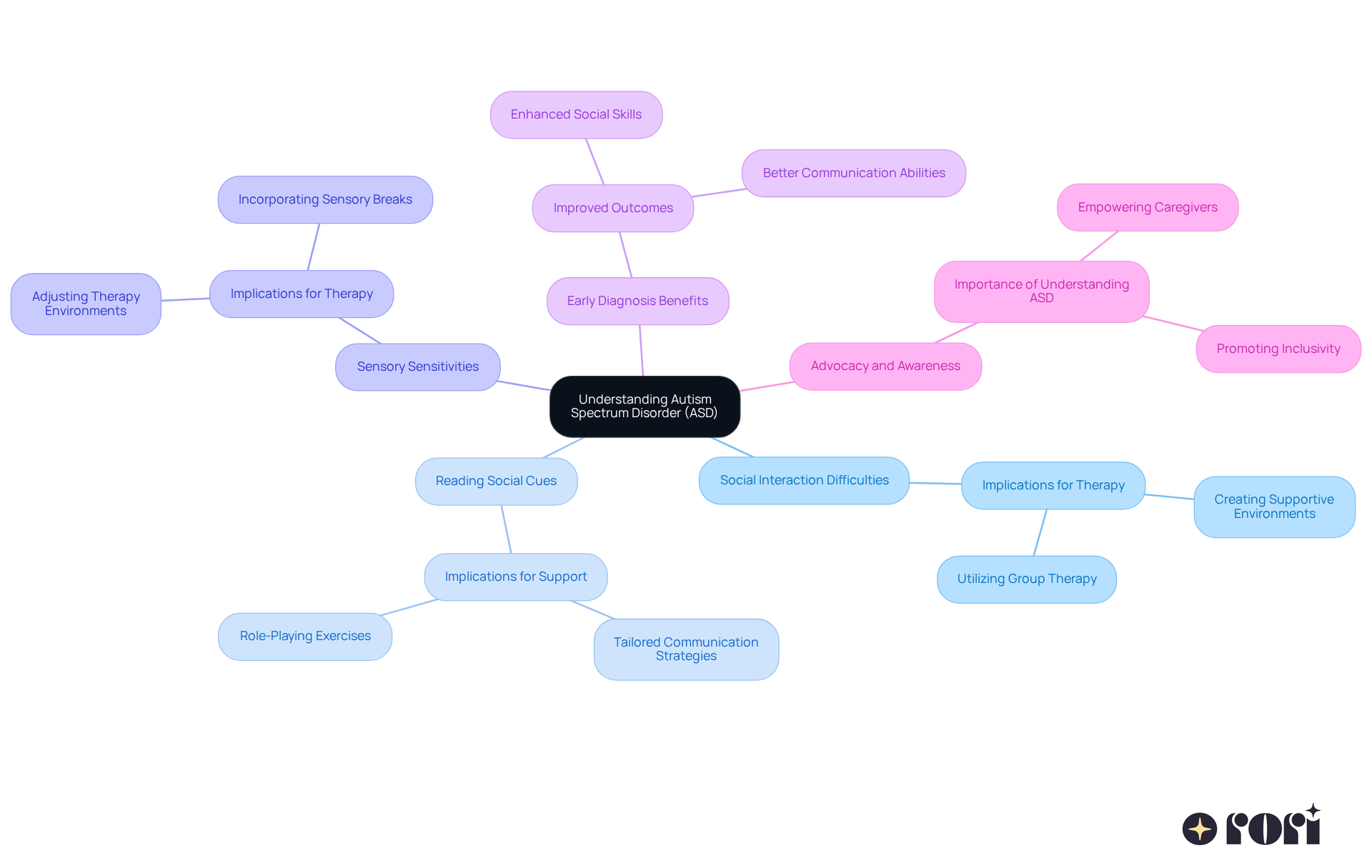
Autism Spectrum Disorder (ASD) is a complex neurodevelopmental condition that can make social interactions a bit tricky. It’s characterized by ongoing challenges in communication and a range of repetitive behaviors. Understanding ASD is super important for anyone caring for affected youth. Key traits include:
By recognizing these traits, therapists can create a warm, supportive environment tailored to each child’s unique needs, which is essential for effectively utilizing group therapy as a tool for building social connections in children with ASD.
Research shows that catching ASD early can lead to much better outcomes for kids. For instance, those diagnosed at a younger age often show improved social skills and communication abilities. Clinicians emphasize that understanding the nuances of ASD is crucial for effective treatment. This understanding allows for interventions that play to each child’s strengths while addressing their challenges. Plus, recent findings highlight ongoing social communication hurdles for youth with ASD, which points to the need for targeted treatment approaches. By taking an informed stance, caregivers can better support their children. Learning about ABA principles equips them with the knowledge and skills needed for smart decision-making, leading to better behavioral outcomes and more active participation in therapy. This involvement not only boosts professional interventions but also creates consistency at home, paving the way for meaningful social connections through group therapy as a tool for building social connections in children with ASD, thereby improving their quality of life.
Did you know that the current prevalence of autism is about 1 in 31 individuals in the U.S.? That’s a significant increase, highlighting the urgent need for awareness and understanding of ASD. By using these insights and statistics, caregivers can advocate more effectively for their children, ensuring they get the support and interventions they need. Let’s explore this together!
Social skills are so important for kids with Autism Spectrum Disorder (ASD). They help them connect with others and engage in meaningful interactions. However, many children with ASD struggle to grasp social norms, which can lead to feelings of isolation and make it tough to form friendships.
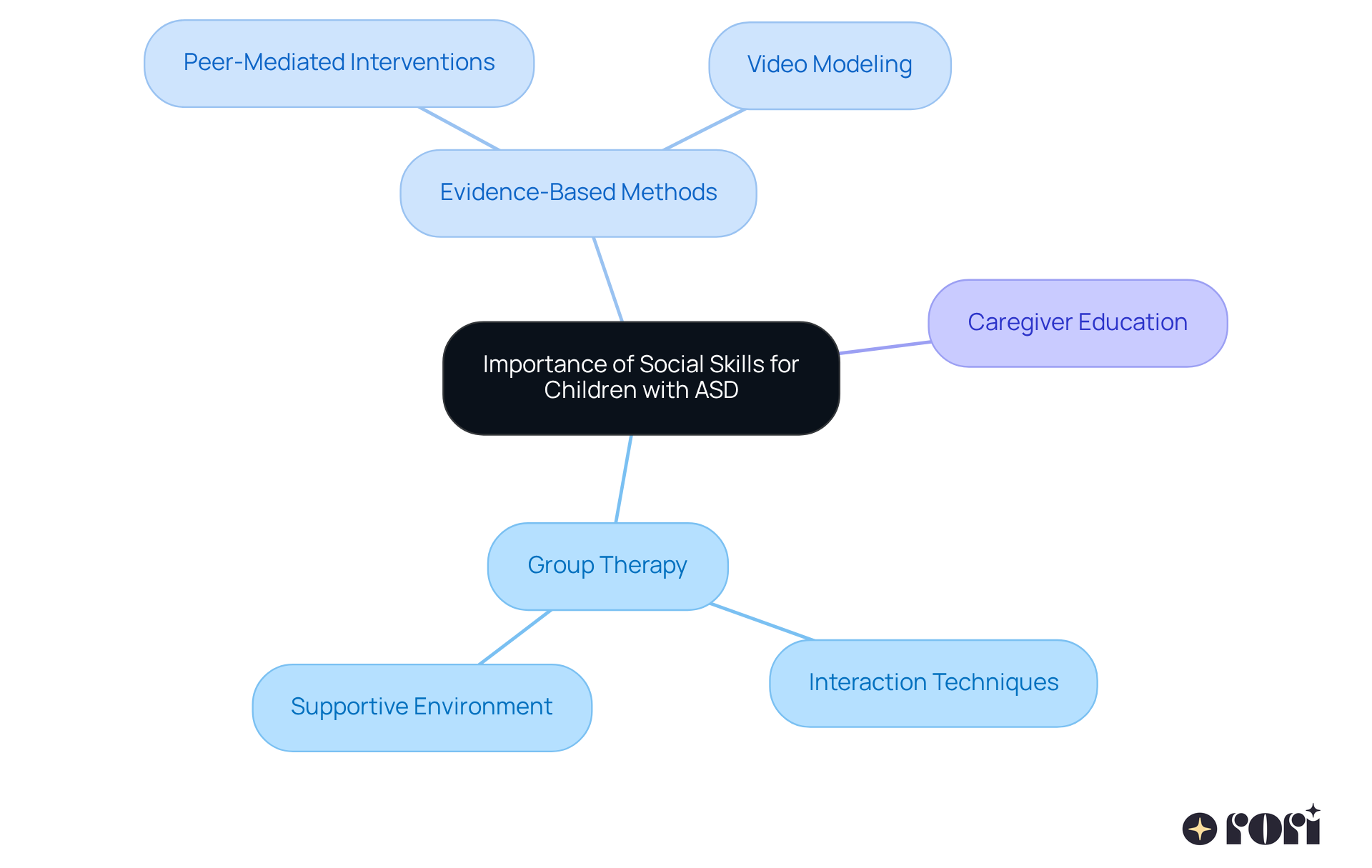
At Rori Care, we provide group therapy as a tool for building social connections in children with ASD, led by our qualified therapists. This structured environment allows kids to practice their interaction techniques in a safe and supportive space. Not only does this approach enhance communication and emotional regulation, but it also significantly boosts their overall quality of life.
We use evidence-based methods like peer-mediated interventions and video modeling, which have shown great promise in developing social skills. By concentrating on these abilities, our therapists help kids with ASD build confidence and foster relationships with their peers through group therapy as a tool for building social connections in children with ASD, which is essential for their emotional and relational well-being.
We also believe that caregiver education is a vital part of our services. We want families to feel equipped to support their child’s development. Recent studies indicate that interventions aimed at social skills can lead to lasting improvements in kids' ability to engage, nurturing healthier relationships and enhancing their emotional resilience.
Let’s explore this together! We’re here to help you every step of the way!
When considering group therapy as a tool for building social connections in children with ASD, implementing best practices can really make a difference. Let’s dive into a few of them!
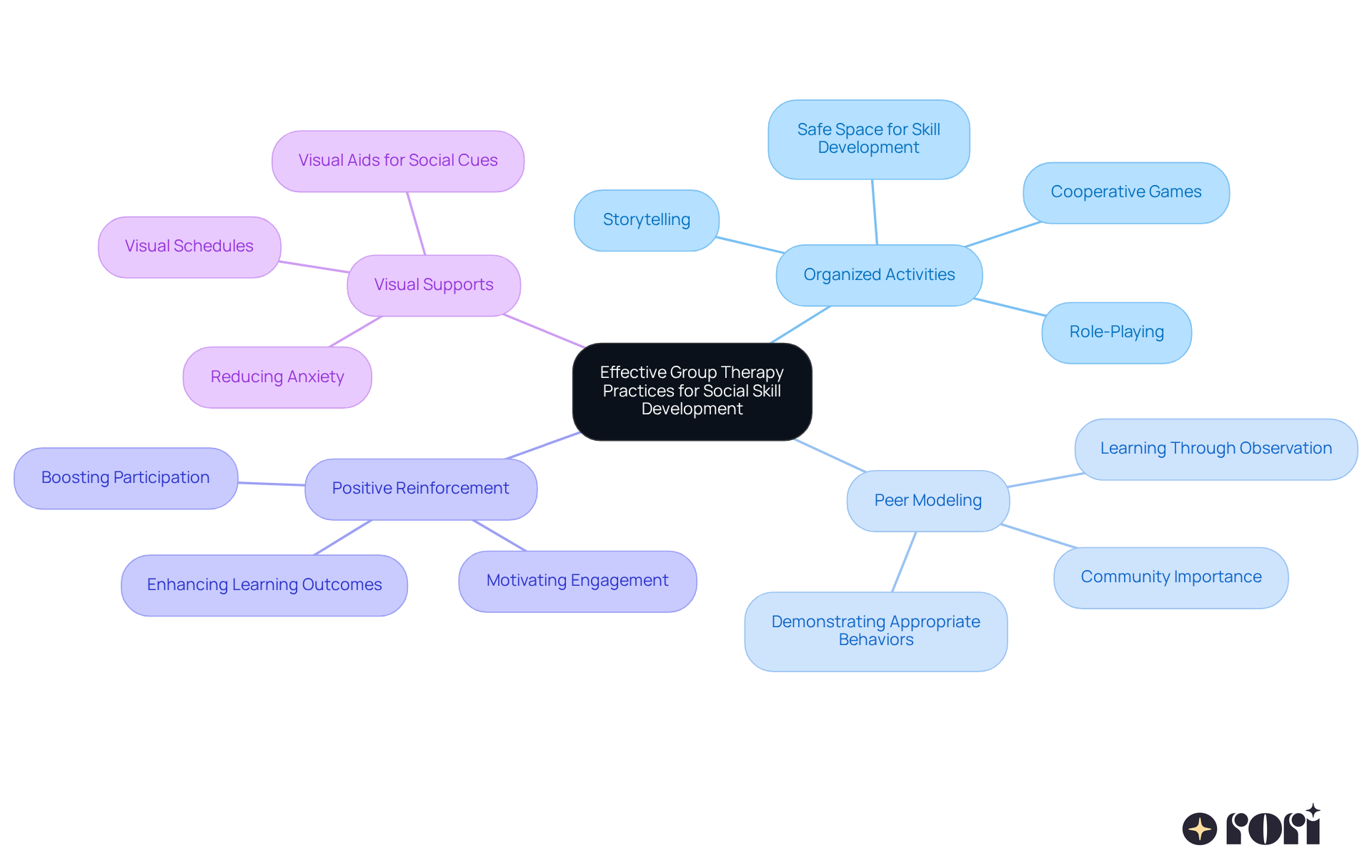
Organized Activities! Think about including fun activities that encourage interaction, like role-playing, cooperative games, and storytelling. These activities give kids a chance to develop their social skills in a safe space. It’s especially important for those in ABA therapy, as they often show great progress in their interpersonal skills and emotional regulation.
Peer Modeling. Kids often learn best by watching their peers. By demonstrating appropriate social behaviors, children can better understand how to interact with others. This approach aligns with research that emphasizes the importance of community in building communication skills.
Positive Reinforcement. Recognizing and rewarding positive interactions during group sessions can really motivate kids to engage more. Studies show that this kind of encouragement significantly boosts participation and learning outcomes in therapeutic settings.
Visual Supports! Using visual aids can help kids grasp social cues and expectations. Visual schedules and scripts can provide clarity and reduce anxiety in social situations, which is crucial for children with ASD who might struggle with non-verbal communication.
By incorporating these practices, therapists can utilize group therapy as a tool for building social connections in children with ASD, thereby creating a warm and supportive environment that nurtures social skills development. This not only leads to better long-term outcomes but also empowers caregivers with the knowledge and skills to support their children’s behavioral goals through ABA principles.
So, let’s explore this together! We’re here to help you every step of the way!
Parental involvement is essential in the therapy process for youth with ASD, especially in the context of group therapy as a tool for building social connections in children with ASD. When parents and caregivers get involved, it can really boost the effectiveness of therapy and help kids develop their social skills. Let’s explore some friendly strategies to promote this engagement:
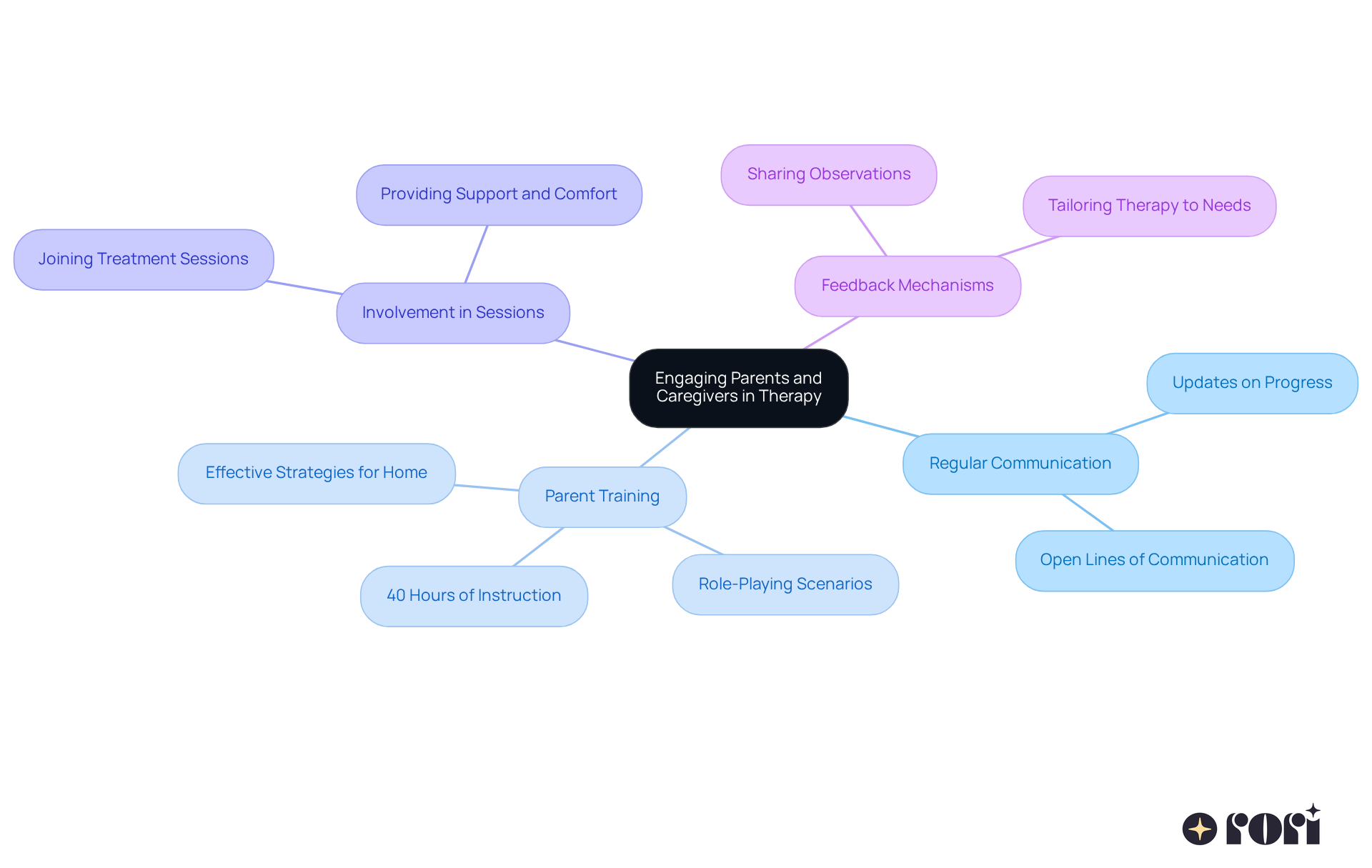
Regular Communication: Keeping those lines of communication open is key! Regular updates about your child’s progress and challenges can help you feel more connected and informed about what’s happening in therapy.
Parent Training: How about some training sessions? These can equip you with effective strategies to reinforce those interpersonal skills at home. Think role-playing scenarios and discussions on handling various social situations - this way, you can actively support your child’s development.
Involvement in Sessions: If it’s suitable, why not join in on some treatment sessions? Your presence can provide extra support and comfort to your child, making the therapeutic environment even more welcoming.
Feedback Mechanisms: Setting up ways for you to share observations about your child’s behavior outside of treatment can be super helpful. Your insights are invaluable for tailoring the therapy to meet your child’s unique needs.
By actively engaging with parents and caregivers, therapists can create a collaborative atmosphere that significantly enhances a child’s social development, utilizing group therapy as a tool for building social connections in children with ASD. Research shows that when parents are involved, therapy outcomes improve, and there’s greater consistency in skill reinforcement across different settings.
So, let’s take this journey together! Your involvement can make a world of difference.
Building social connections for children with Autism Spectrum Disorder (ASD) through group therapy isn’t just beneficial; it’s essential for their emotional and relational well-being. By understanding the unique challenges these kids face and using effective group therapy practices, caregivers and therapists can create a space where they can truly thrive socially.
Throughout this article, we’ve highlighted key strategies like organized activities, peer modeling, and positive reinforcement. These approaches are all about helping kids develop those vital social skills. Plus, when parents and caregivers get involved in the therapy process, it really boosts these efforts. Consistent support at home and in therapy makes a world of difference! By fostering collaboration between therapists and families, we can significantly increase the chances of meaningful improvements in social interactions.
Ultimately, supporting children with ASD is a shared journey. It takes a commitment from both professionals and families to work together, using group therapy as a powerful tool for building social connections. By prioritizing social skills development, caregivers can help their children navigate the world with greater confidence and joy. This paves the way for fulfilling relationships and a better quality of life.
Let’s explore this together! We’re here to help you every step of the way!
What is Autism Spectrum Disorder (ASD)?
Autism Spectrum Disorder (ASD) is a complex neurodevelopmental condition characterized by ongoing challenges in communication and a range of repetitive behaviors, which can make social interactions difficult.
What are the key traits of ASD?
Key traits of ASD include difficulties in social interactions, trouble reading social cues, and varying levels of sensory sensitivities.
Why is understanding ASD important for caregivers?
Understanding ASD is crucial for caregivers as it helps them create a warm, supportive environment tailored to each child's unique needs, which is essential for effective treatment and building social connections.
How does early diagnosis of ASD impact outcomes for children?
Early diagnosis of ASD can lead to better outcomes, as children diagnosed at a younger age often show improved social skills and communication abilities.
What role do therapists play in supporting children with ASD?
Therapists utilize their understanding of ASD to create interventions that leverage each child's strengths while addressing their challenges, which is vital for effective treatment.
What is the significance of learning about ABA principles for caregivers?
Learning about Applied Behavior Analysis (ABA) principles equips caregivers with knowledge and skills necessary for making informed decisions, leading to better behavioral outcomes and more active participation in therapy.
What is the current prevalence of autism in the U.S.?
The current prevalence of autism in the U.S. is about 1 in 31 individuals, indicating a significant increase and underscoring the need for awareness and understanding of ASD.
How can caregivers advocate for their children with ASD?
By using insights and statistics about ASD, caregivers can advocate more effectively for their children, ensuring they receive the necessary support and interventions.