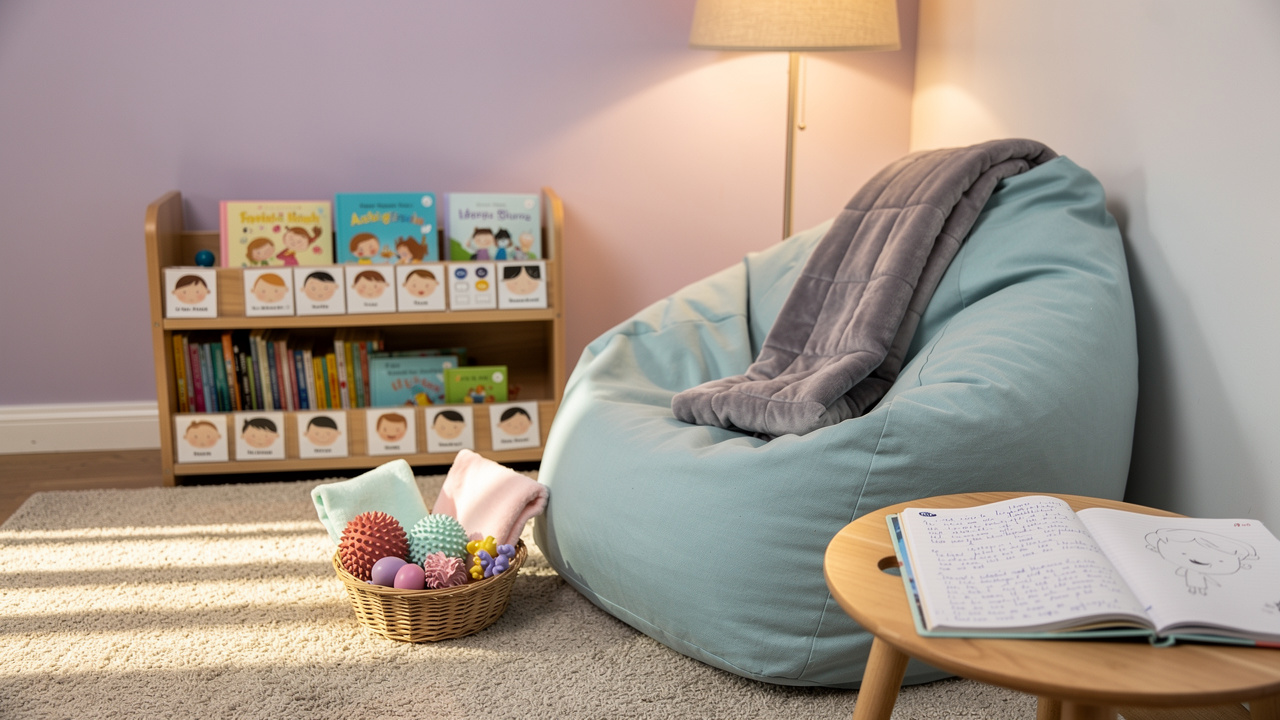
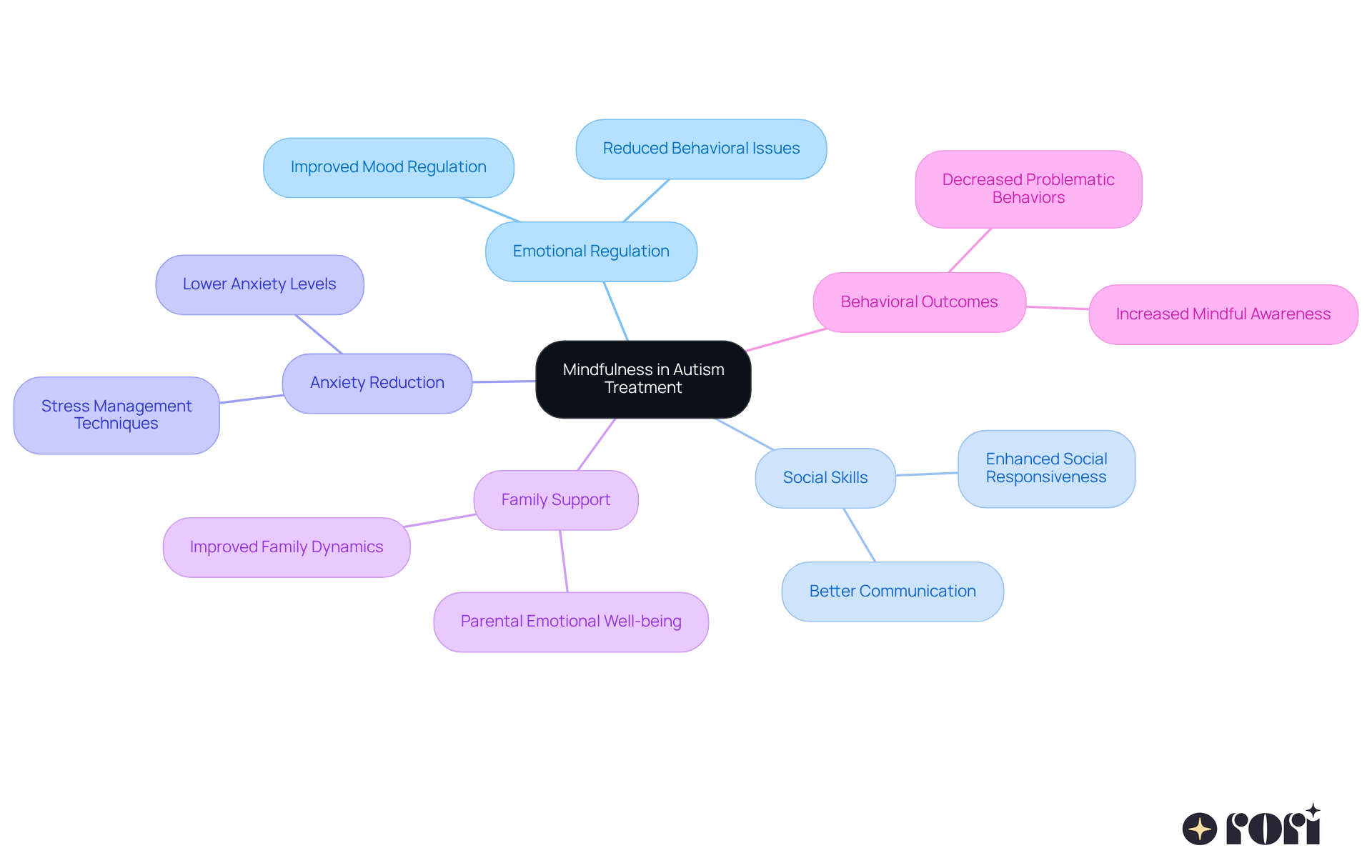
Mindfulness has become a wonderful approach in supporting autism treatment, offering a way for children on the spectrum to enhance their emotional regulation, social skills, and reduce anxiety. By helping kids become more aware of their thoughts and feelings, mindfulness gives them tools to handle stress, leading to better behavioral outcomes and emotional resilience.
But let’s be real - integrating mindfulness into daily life can be a bit tricky for parents. How can families effectively weave these practices into their routines, not just to benefit their children but also to create a peaceful home environment? Let’s explore this together!
Mindfulness is all about being fully present and engaged in the moment, without any judgment. For kids with autism, this awareness can be a game changer! It helps boost , enhances , and even . Research shows that can effectively tackle and that many individuals on the autism spectrum face.
By nurturing a greater awareness of their thoughts and feelings, young people can learn to handle stressors more effectively, leading to better . In fact, studies indicate that can significantly improve mood regulation in individuals with autism, resulting in less anxiety and fewer behavioral issues. For instance, a meta-analysis involving 233 youths with autism found that MBIs notably enhanced social responsiveness and emotional functioning.
Experts emphasize that incorporating into autism therapy not only benefits the kids but also supports parents in managing their own mental health, creating a more balanced family environment. At Rori Care, empowers families by helping them make informed decisions, providing the right support at home, and improving behavioral outcomes.
Overall, this highlights how mindfulness can support autism treatment as a promising strategy that paves the way for greater emotional resilience and social engagement. Let’s explore this together! We’re here to help you every step of the way!
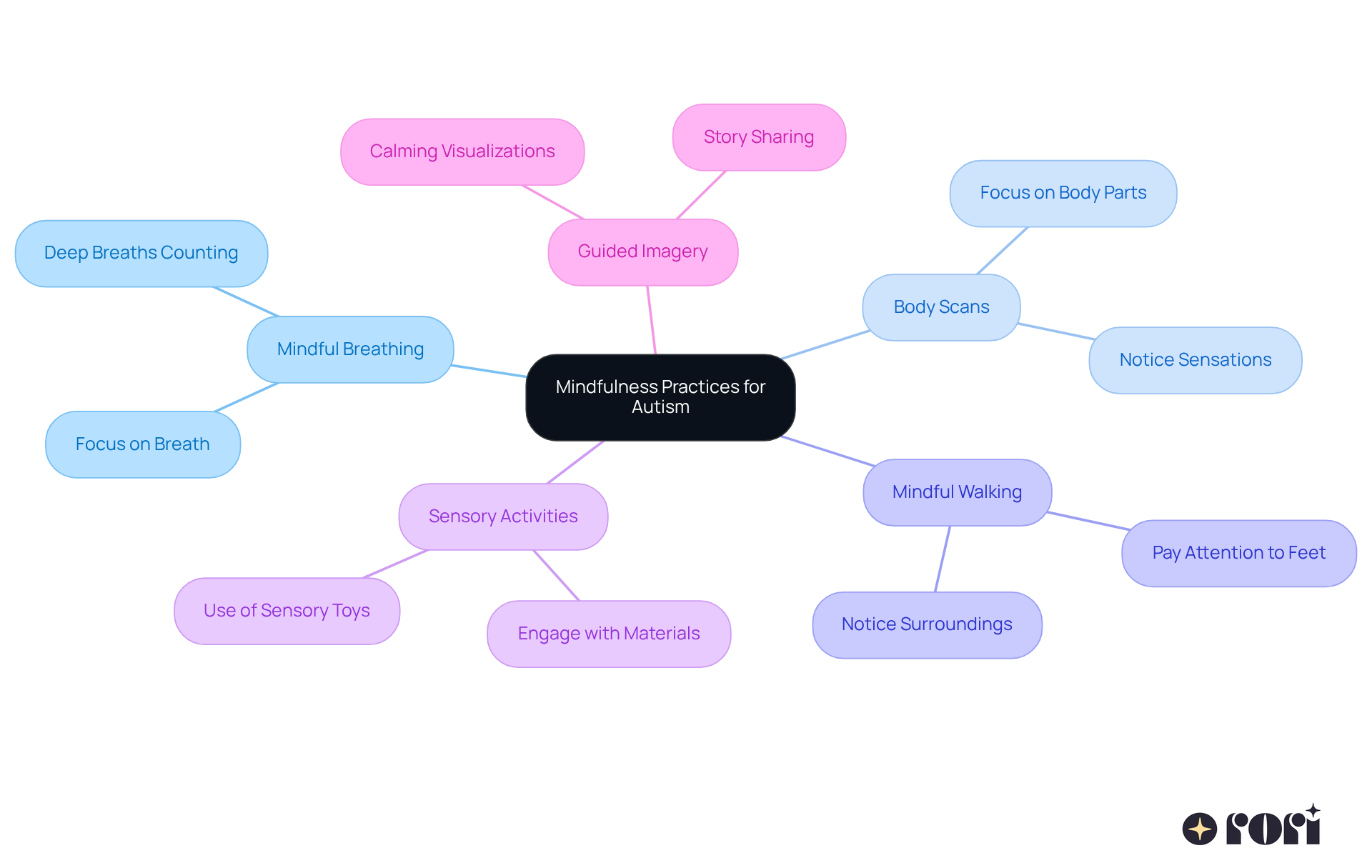
Many mindfulness techniques demonstrate how for kids, especially when paired with . This approach is all about being patient-centered and flexible. It’s pretty amazing to see that about 90% of young individuals make progress when the recommended hours are fully utilized, especially with active participation from caregivers. Here are some fun practices you can try:
These methods can be tailored to fit your child’s preferences and needs, making mindfulness approachable and enjoyable. By incorporating these strategies alongside ABA therapy, you can actively support your child’s and boost their overall learning, verbal, and social skills, demonstrating how mindfulness can support autism treatment. Let’s explore this together!
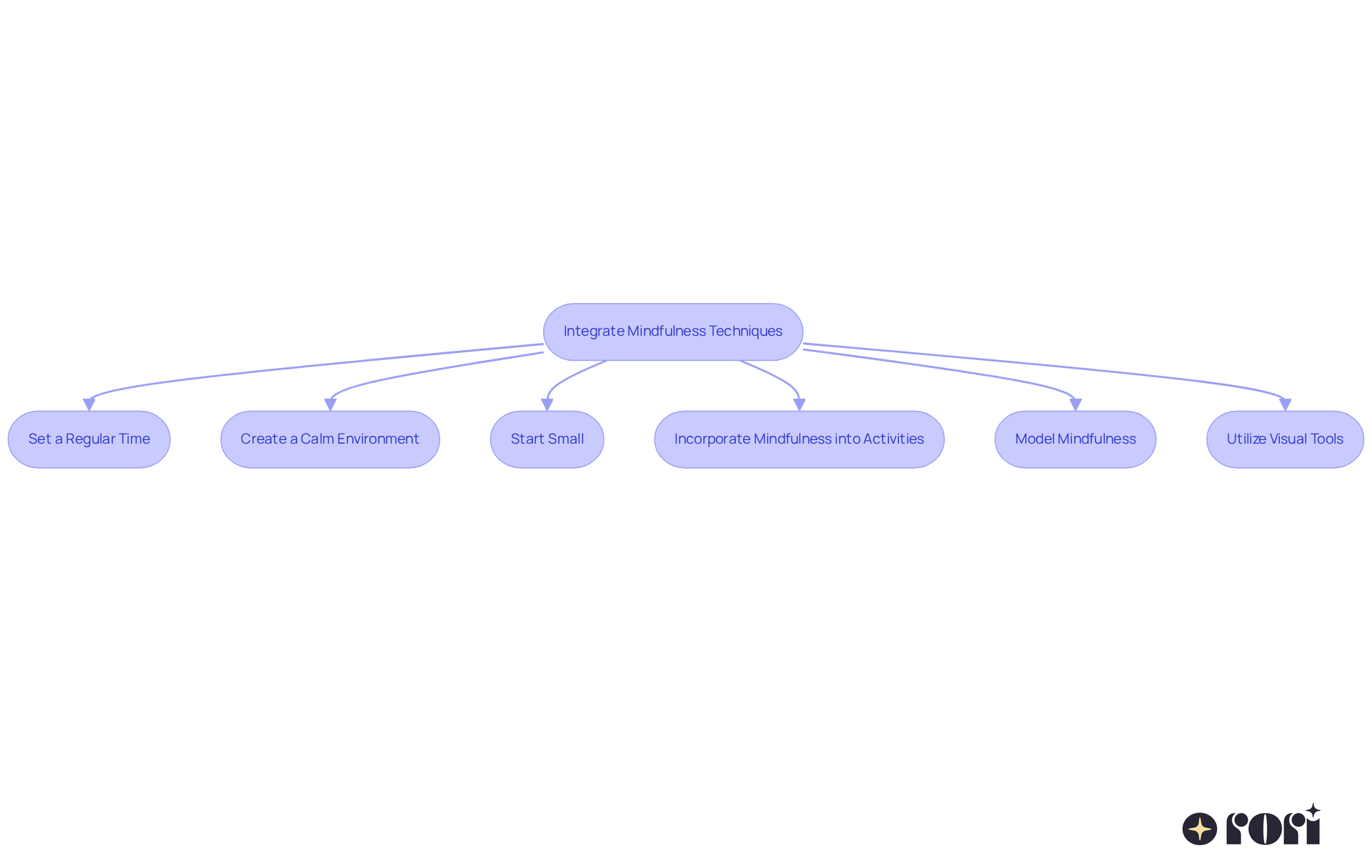
Integrating into your child's daily routine can feel like a challenge, but it doesn’t have to be! Here are some friendly strategies to help you get started:
By weaving these strategies into your daily life, you can help your child develop a habit of mindfulness, illustrating how mindfulness can and their . Studies suggest that mindfulness techniques can significantly improve kids' ability to , demonstrating how mindfulness can support autism treatment by leading to a calmer and more focused mindset.
Let’s explore this together! We’re here to help you every step of the way!
Incorporating awareness techniques can be a bit tricky for parents, right? Let’s dive into some common challenges and explore to tackle them together:
By addressing these challenges head-on and incorporating insights from , you can create a nurturing environment that illustrates how mindfulness can while helping your child successfully integrate into their daily routine. Together, we can promote consistency and complement any professional interventions they may need. Let’s explore this journey together!

Mindfulness stands out as a truly transformative approach in autism treatment, giving children the tools they need to better manage their emotions, enhance social skills, and ease anxiety. By nurturing a present-focused awareness, mindfulness techniques help individuals on the autism spectrum navigate their feelings and interactions more smoothly. This holistic approach not only supports the children but also helps parents foster a balanced family dynamic.
Throughout this article, we’ve explored various mindfulness practices, from mindful breathing and body scans to sensory activities and guided imagery. These techniques can easily fit into daily routines, making mindfulness both accessible and enjoyable. Plus, by tackling common challenges like distraction, resistance, and inconsistency, families can successfully weave these practices into their lives, leading to greater emotional resilience and positive behavioral outcomes.
Ultimately, embracing mindfulness in autism treatment isn’t just about using techniques; it’s about creating a nurturing environment that encourages growth and connection. By prioritizing mindfulness, families can help their children flourish both emotionally and socially. Engaging in this journey together can spark profound changes, making mindfulness an invaluable ally in the quest for a fulfilling life for individuals on the autism spectrum. Let’s explore this together!
What is mindfulness?
Mindfulness is the practice of being fully present and engaged in the moment without any judgment.
How does mindfulness benefit children with autism?
Mindfulness helps children with autism boost emotional regulation, enhance social skills, and reduce anxiety. It can also effectively address social communication challenges and executive functioning issues.
What are the outcomes of mindfulness-based interventions (MBIs) for individuals with autism?
Research indicates that MBIs can significantly improve mood regulation, reduce anxiety, and lead to fewer behavioral issues. A meta-analysis showed that MBIs notably enhanced social responsiveness and emotional functioning in youths with autism.
How does mindfulness support parents of children with autism?
Incorporating mindfulness techniques into autism therapy benefits parents by helping them manage their own mental health, which creates a more balanced family environment.
What role does caregiver education play in mindfulness and autism treatment?
Caregiver education empowers families by helping them make informed decisions, providing the right support at home, and improving behavioral outcomes for children with autism.
Why is mindfulness considered a promising strategy in autism treatment?
Mindfulness is seen as a promising strategy because it fosters greater emotional resilience and social engagement in individuals with autism.