Parental involvement in ABA therapy isn’t just beneficial; it’s absolutely essential for nurturing positive outcomes in our children’s development. When parents actively engage with therapists and implement strategies at home, it can really boost the effectiveness of interventions. This leads to better behavioral and communication skills!
But many caregivers might wonder: what specific roles do they play, and how can their engagement truly transform therapy outcomes? 🤔 This article dives into the profound impact of parental participation, exploring strategies that empower families to support their child’s journey through ABA therapy. Let’s explore this together!
demonstrates how through guardians actively engaging in their child's therapeutic journey. This means attending therapy sessions, working hand-in-hand with therapists, , and reinforcing learned behaviors in everyday life. At Rori Care, our dedicated clinicians are here to support families with , ensuring caregivers have the tools and knowledge they need to effectively nurture their child's development.
Research shows how [parental involvement enhances ABA therapy outcomes](https://rightwayaba.com/parent-involvement-in-aba-therapy-outcomes), indicating that it isn't just helpful; it's crucial for making interventions as effective as possible. For instance, kids whose guardians are actively involved in training demonstrate how parental involvement enhances ABA therapy outcomes, resulting in a whopping 47.7% reduction in challenging behaviors, while those without adult participation only experience a 31.8% decrease. Plus, when caregivers are fully engaged in the recommended hours of ABA therapy, it illustrates how parental involvement enhances ABA therapy outcomes, as 90% of individuals show significant progress. By being hands-on, parents help maintain consistency in behavioral strategies, demonstrating how parental involvement enhances ABA therapy outcomes, which is key for their child's growth.
is a vital part of our education program, highlighting how parental involvement enhances ABA therapy outcomes and leads to meaningful improvements in youth outcomes, such as better social skills and communication abilities. This collaborative approach not only creates a but also demonstrates how parental involvement enhances ABA therapy outcomes, strengthening the bond between parent and child and paving the way for better developmental outcomes. And let’s not forget, can really help ease feelings of isolation, highlighting the community aspect of parental involvement.
At Rori Care, we believe in understanding how parental involvement enhances ABA therapy outcomes as essential. It empowers parents with ABA principles and strategies to effectively support their child's behavioral goals. So, let’s explore this together! We’re here to help you every step of the way!

When it comes to ABA interventions, understanding how can make a world of difference! It’s not just about therapy sessions; it’s about creating a supportive environment at home that for children facing . Let’s dive into some key benefits:
Research demonstrates faster progress in children, indicating how parental involvement enhances ABA therapy outcomes, as those whose parents participate in their treatment often reach their goals more quickly. outside of therapy sessions speeds up progress, leading to better outcomes in less time.
And let’s not forget about caregiver education! By equipping parents with ABA principles and strategies, they can make informed choices that illustrate how parental involvement enhances ABA therapy outcomes for their child’s journey. When caregivers are well-supported, it complements professional interventions, promoting consistency and improving behavioral outcomes. In fact, studies reveal how parental involvement enhances ABA therapy outcomes, showing that parent-implemented interventions (PIIs) can lead to a whopping 47.7% decrease in behavioral issues, while general . That’s a testament to how parental involvement enhances ABA therapy outcomes in achieving positive results!
Plus, kids with active parental involvement often show significant improvements in social skills, communication, and overall behavior. It really highlights how parental involvement enhances ABA therapy outcomes in the therapeutic process. As Devan Clayton points out, "Children with autism spectrum disorder (ASD) have been shown to benefit from ." This really underscores how parental involvement enhances ABA therapy outcomes, highlighting the vital role parents play in their child’s development.
So, let’s explore this together! Your involvement can truly !

To effectively participate in , parents can try out some helpful strategies:
Let’s explore this together! We’re here to help you every step of the way!
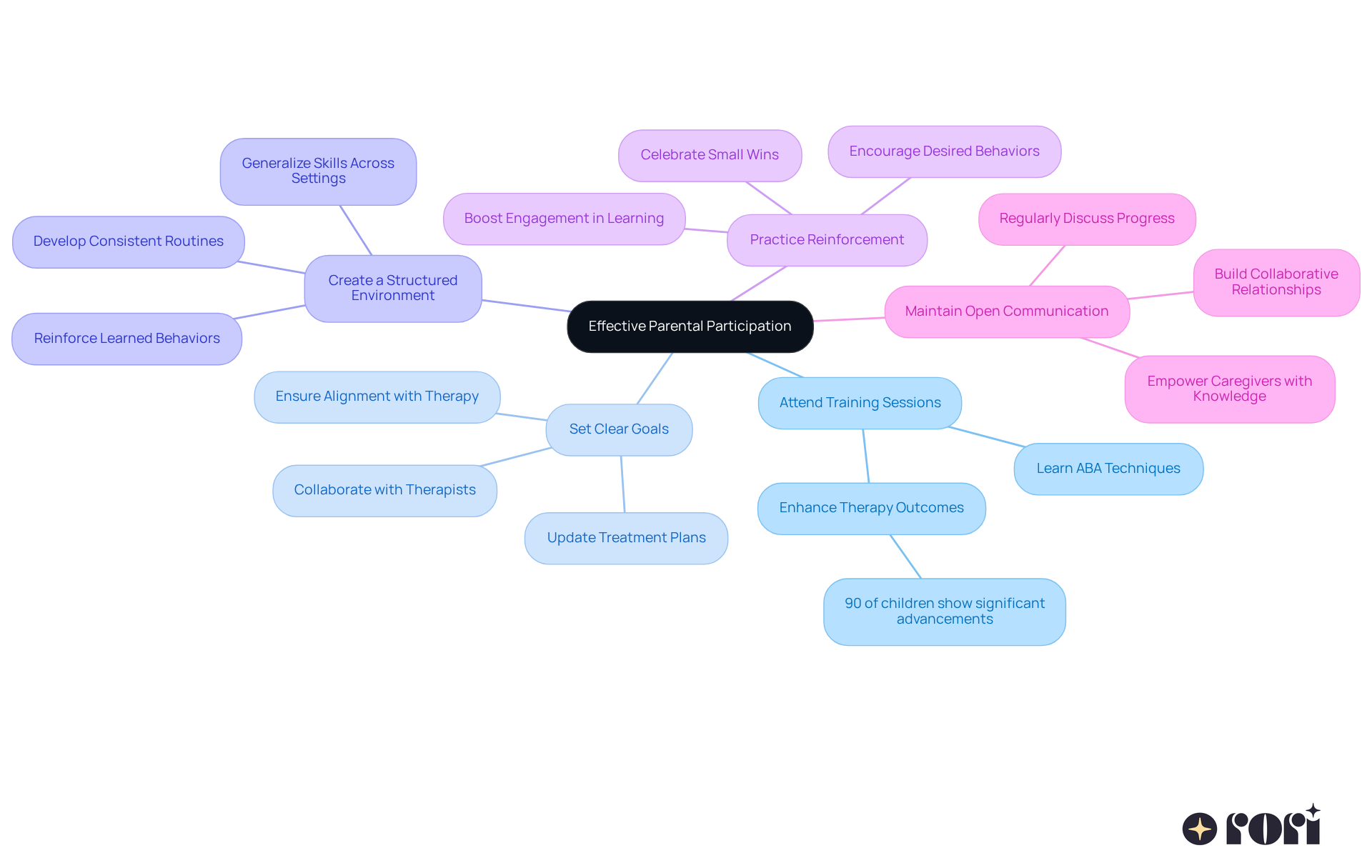
Collaboration between parents and therapists is essential for understanding how parental involvement enhances ! Here are some to help you :
By actively participating in these practices, you can greatly improve how , ultimately leading to better results for your child. Let’s explore this together!

The long-term impacts of how can be truly profound! Let’s take a look at some key benefits:
So, let’s explore this together! can make a world of difference!
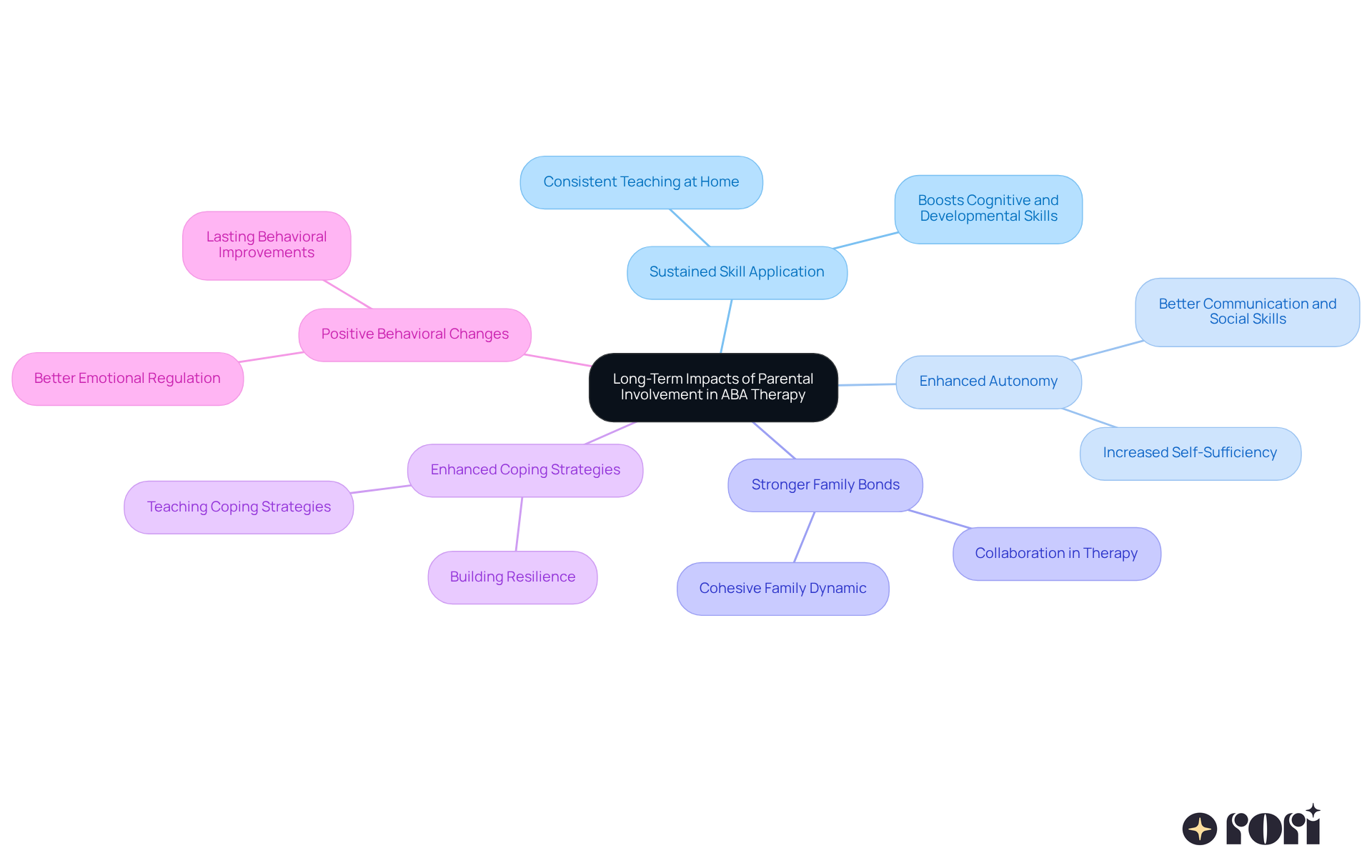
Parental involvement is truly key in enhancing the outcomes of ABA therapy. It turns the therapeutic experience into a collaborative journey that benefits both the child and the family. When parents actively participate in their child's therapy, they not only reinforce learned behaviors but also create a supportive environment that nurtures growth and development. Research shows that when caregivers engage fully, children see significant improvements in behavior, communication, and social skills. This really highlights how critical parental involvement is!
Throughout this article, we’ve explored some key insights into why parental engagement matters in ABA therapy. From attending training sessions and setting clear goals to collaborating with therapists, each of these strategies plays a part in achieving better therapy outcomes. Studies consistently show that children whose parents are involved in their treatment make faster progress and reach their goals more effectively. Plus, the emotional connection and shared experiences between parents and children create a nurturing atmosphere that enhances learning and skill retention.
In conclusion, we can’t overstate how important parental involvement is in ABA therapy. It leads to immediate improvements in behavior and fosters long-term benefits that extend beyond therapy sessions. By embracing their role and actively participating in the therapeutic process, parents can make a profound impact on their child's development and overall quality of life. Engaging in this collaborative journey not only empowers families but also strengthens the bonds that are essential for navigating the challenges of Autism Spectrum Disorder and other behavioral issues. Let’s explore this together! We’re here to help you every step of the way!
What is parental involvement in ABA therapy?
Parental involvement in ABA therapy refers to guardians actively participating in their child's therapeutic journey by attending therapy sessions, collaborating with therapists, implementing strategies at home, and reinforcing learned behaviors in daily life.
Why is parental involvement crucial for ABA therapy outcomes?
Research indicates that parental involvement significantly enhances ABA therapy outcomes. Children whose guardians are actively engaged experience a greater reduction in challenging behaviors and show more substantial progress in their therapy.
What are the statistics related to parental involvement in ABA therapy?
Children with involved parents demonstrate a 47.7% reduction in challenging behaviors compared to a 31.8% decrease for those without parental participation. Furthermore, 90% of children whose caregivers engage in the recommended hours of therapy show significant progress.
How does parental involvement affect skill generalization?
When parents reinforce skills learned in therapy at home, children are more likely to apply these skills in real-life situations, which is essential for maintaining progress.
What benefits does parental engagement bring to communication with therapists?
Parental involvement fosters better communication between caregivers and therapists, ensuring alignment on goals and strategies tailored to meet each child's unique needs.
How does parental support influence a child's motivation in therapy?
When parents show interest and support in their child's treatment, it enhances the child's emotional connection, increasing their motivation to engage in the therapeutic process and learn new skills.
What role does caregiver education play in ABA therapy?
Educating parents on ABA principles and strategies empowers them to make informed decisions, promoting consistency in interventions and improving behavioral outcomes for their child.
What improvements can children expect with active parental involvement?
Children with active parental involvement often show significant improvements in social skills, communication, and overall behavior, leading to better therapeutic outcomes.
How does the community aspect of parental involvement benefit families?
Emotional support and shared experiences among families dealing with Autism Spectrum Disorders (ASD) can alleviate feelings of isolation, highlighting the importance of community in parental involvement.