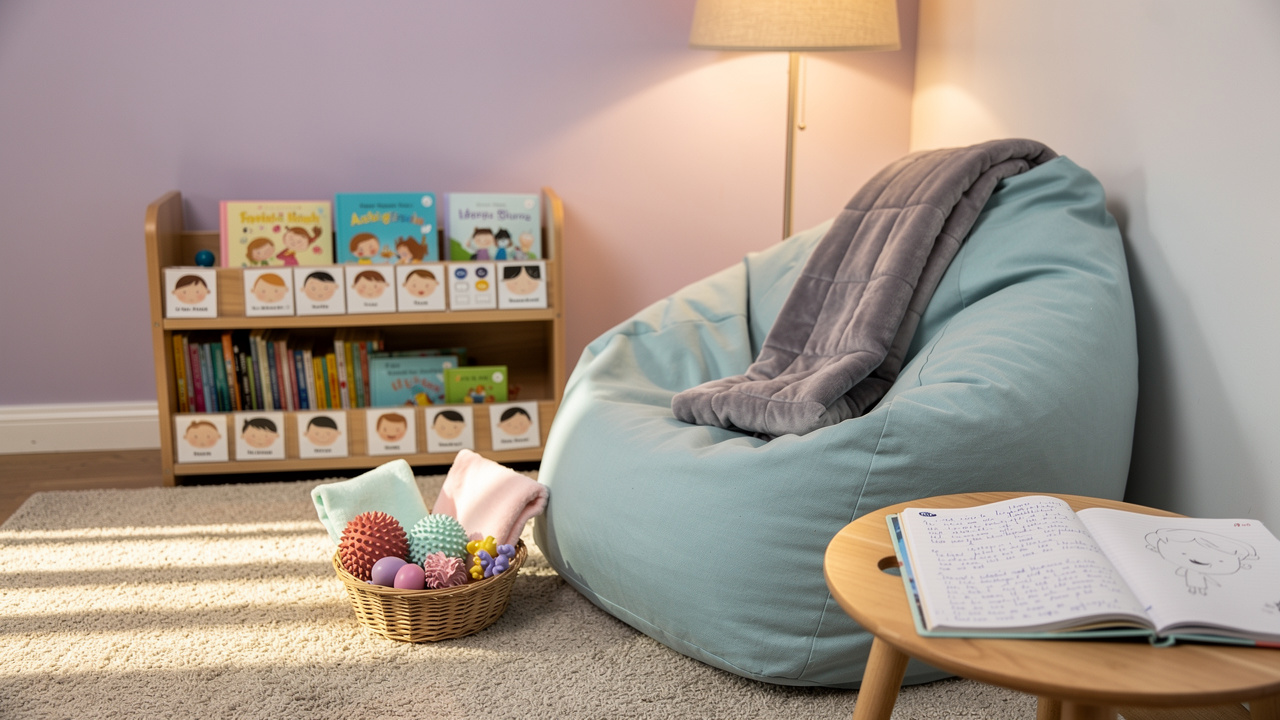
Play isn’t just a source of joy for kids; it’s a gateway to unlocking their potential, especially for those on the autism spectrum. 🌟 Play-based Applied Behavior Analysis (ABA) therapy taps into this natural love for play, turning learning into a fun and engaging adventure. By weaving enjoyable activities into therapy sessions, parents can see amazing improvements in their child’s social skills, communication, and overall growth.
But let’s be real - navigating the ins and outs of play-based ABA can feel overwhelming. What are the best strategies to implement? How can parents tackle common challenges to help their child thrive? 🤔 Exploring these questions can empower caregivers to create a nurturing and enriching environment for their children’s development. Let’s explore this together!
Play-based ABA approaches illustrate how play-based ABA helps children with autism by tapping into their natural love for play, making learning and behavior modification feel like a fun adventure! Here are some key principles that make this approach so effective:
Our program development service enhances this approach by tailoring each behavioral plan to fit the unique needs, strengths, challenges, and goals of the child. We set clear, measurable goals for behavior change and skill development, providing a transparent benchmark for progress. Our behavior analysts use strategies grounded in the latest research, ensuring we apply the most effective methods for behavior change. Plus, we continuously monitor progress, making adjustments as needed to optimize outcomes.
Research shows how play-based ABA helps children with autism by leading to significant improvements in social skills and communication, with studies indicating positive effects in 63% to 88% of cases. And get this: the success rate of ABA treatment, especially in how play-based ABA helps children with autism, is over 89% in addressing autism spectrum disorder in young individuals, significantly enhancing various developmental aspects. By understanding these fundamentals, parents can better support their child's healing journey and appreciate the transformative role of play in their development.
As Ralph Moller wisely states, "A personalized treatment plan takes into account the unique needs and preferences of the individual, allowing for tailored interventions that are most effective for their specific challenges." Early intervention is crucial, as starting treatment at a young age generally leads to better outcomes.
Parents should also keep an eye on the financial aspects of ABA treatment; the average cost for a 60-minute session is around $60, which can impact accessibility. Recognizing the importance of recreation in treatment can empower parents to actively participate in their child's growth. Let’s explore this together! We’re here to help you every step of the way!

To effectively incorporate play into therapy sessions, let’s explore some friendly strategies:
By incorporating how play-based ABA helps children with autism into therapy sessions, you can create a more engaging and effective learning environment for your child. This approach not only but also empowers you as a caregiver with the tools to reinforce these principles at home. Plus, don’t forget the importance of tracking progress and adjusting strategies as needed-it’s all part of the journey!
Let’s explore this together and make the most of these moments!

To maximize the effectiveness of play-based strategies in ABA therapy, let’s explore some simple steps together:
By consistently evaluating and adjusting these strategies, you can ensure that play-based ABA therapy is effective in demonstrating how play-based ABA helps children with autism, while also being tailored to your child’s unique needs, ultimately fostering their development and independence. Just a reminder, about 1 in 36 youth are diagnosed with autism, highlighting the growing need for effective ABA interventions. Plus, studies have shown that individuals receiving intensive ABA intervention can see an average IQ increase of 25-30 points compared to control groups.
Let’s work together to make the most of this journey!

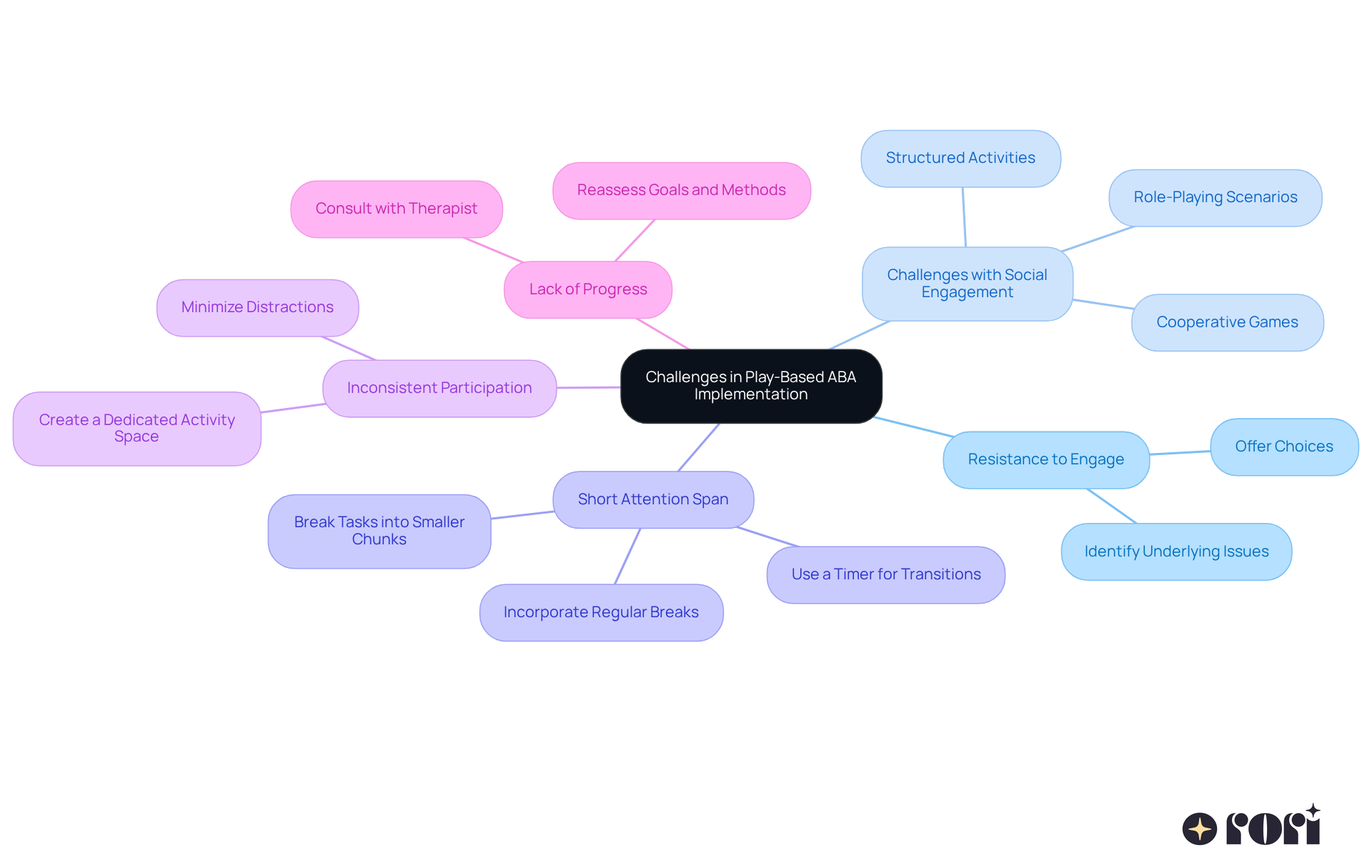
Implementing play-based ABA therapy can be a bit tricky for parents, right? Let’s dive into some common challenges and explore effective strategies to tackle them together:
Did you know that around 70% of young individuals with autism show resistance to play in treatment settings? This highlights just how important it is to head-on. By troubleshooting these common issues, you can create a more effective and enjoyable play-based ABA therapy experience, demonstrating how play-based ABA helps children with autism by ultimately supporting your child's development and engagement.
Let’s explore this together! We’re here to help you every step of the way!
Play-based ABA therapy is such a wonderful way to support children with autism! It taps into their natural love for play, making learning and behavioral growth not just effective but also fun. This approach creates a lively environment where kids can truly thrive, develop important skills, and connect meaningfully with their peers and caregivers.
Throughout this article, we’ve highlighted some key principles of play-based ABA. Think about motivation, natural learning settings, social interactions, and reinforcing skills. By customizing interventions to fit each child's unique needs and setting clear goals, parents can play an active role in their child's development. And the best part? Evidence shows that this method leads to real improvements in social skills and communication, making it a fantastic strategy for families navigating autism spectrum disorder.
Ultimately, embracing play-based ABA therapy can really enhance your child's learning journey. By understanding and using these techniques, you can contribute to your child's progress while creating joyful, engaging experiences that promote growth and independence. As the need for effective interventions keeps rising, it’s so important for parents to stay informed and proactive. Together, we can ensure that our children receive the best support on their path to success. Let’s explore this journey together!
What is play-based ABA therapy?
Play-based ABA therapy is an approach that helps children with autism by utilizing their natural love for play, making learning and behavior modification feel enjoyable and engaging.
What are the key principles of play-based ABA therapy?
The key principles include motivation through fun activities, a natural learning environment that mirrors real-life situations, social interaction that fosters essential skills, and skill reinforcement that helps children apply learned behaviors in different settings.
How does play-based ABA therapy benefit children with autism?
Research shows that play-based ABA therapy leads to significant improvements in social skills and communication, with success rates of over 89% in addressing autism spectrum disorder in young individuals.
How does the program development service enhance play-based ABA therapy?
The program development service tailors behavioral plans to fit each child's unique needs and goals, sets clear measurable objectives for progress, and uses research-grounded strategies while continuously monitoring and adjusting the approach as needed.
Why is early intervention important in play-based ABA therapy?
Early intervention is crucial because starting treatment at a young age generally leads to better outcomes for children with autism.
What is the average cost of ABA therapy sessions?
The average cost for a 60-minute ABA therapy session is around $60, which can impact accessibility for families.
How can parents support their child's healing journey in play-based ABA therapy?
Parents can support their child's growth by recognizing the importance of recreation in treatment and actively participating in the therapeutic process.