Understanding sensory sensitivities in children with autism is so important for their growth and happiness. These sensitivities can show up in different ways - sometimes kids might have strong reactions to everyday sounds or lights, while other times they might seek out intense sensory experiences. Let’s dive into some effective strategies for managing these sensitivities! We’ll share valuable insights and practical tips that can help create supportive environments for your little ones.
How can caregivers navigate the complexities of sensory processing to help their children thrive? 🤔 Exploring this question opens up a world of practical approaches that empower families to make a real difference in their children’s lives. We’re here to help you every step of the way!
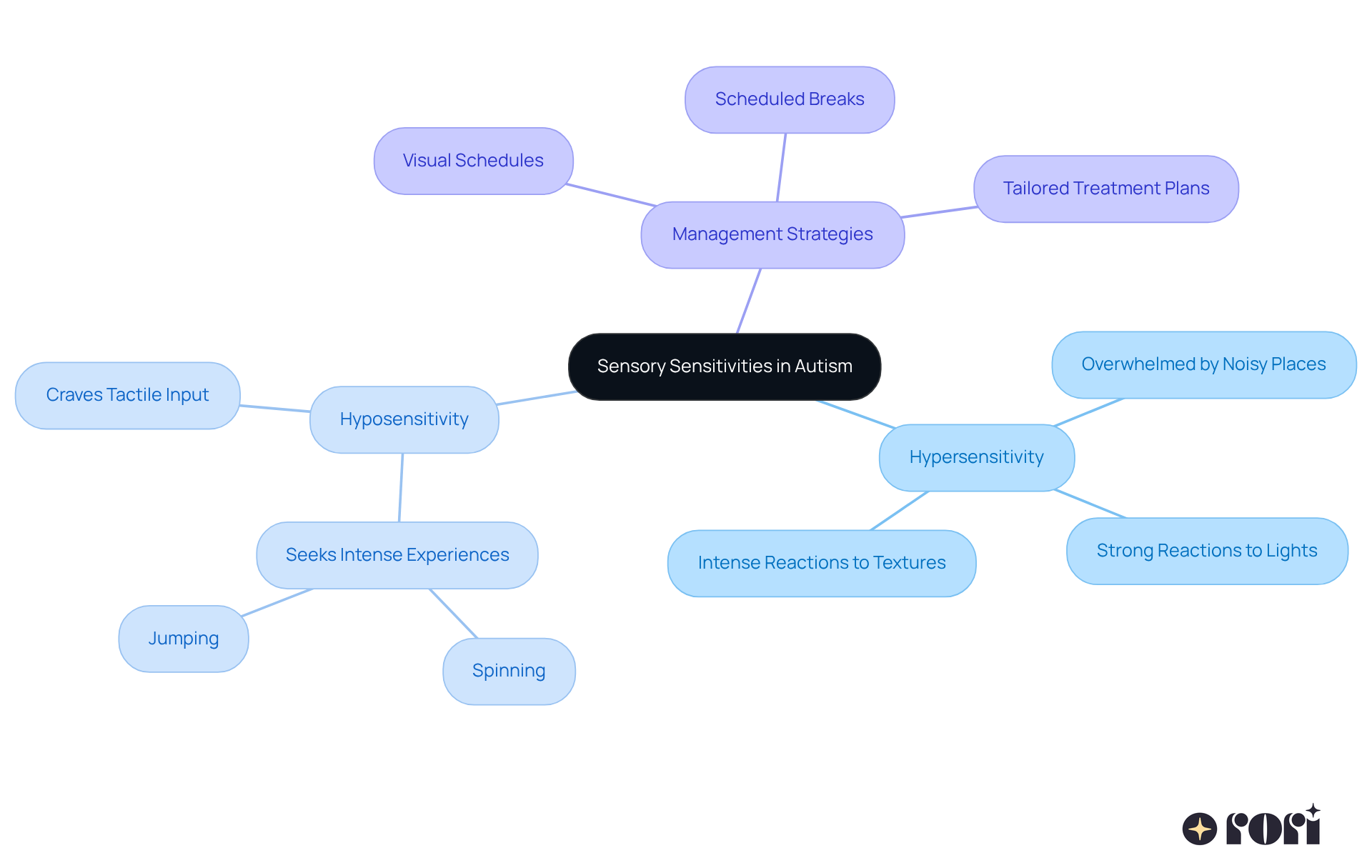
Sensory sensitivities in kids with autism can show up in different ways. Some might be hypersensitive, meaning they react strongly to sounds, lights, or textures. Others might be hyposensitive, seeking out intense experiences to feel more engaged. Understanding these sensitivities is the first step in learning how to in children with autism.
For instance, a child who is might feel overwhelmed in noisy places, while a might spin or jump around to get that tactile input they crave. Recognizing these patterns is essential for caregivers to understand how to manage and tailor their approaches to meet each child’s unique needs.
By using , like visual schedules to ease transitions or scheduled breaks to manage overwhelming moments, caregivers can make informed choices that positively impact their child’s growth. Active involvement in therapy not only boosts support but also leads to better behavioral outcomes. It’s all about creating a .
Let’s explore this together! By understanding these sensitivities, we can work hand-in-hand to create a nurturing environment for our kids.
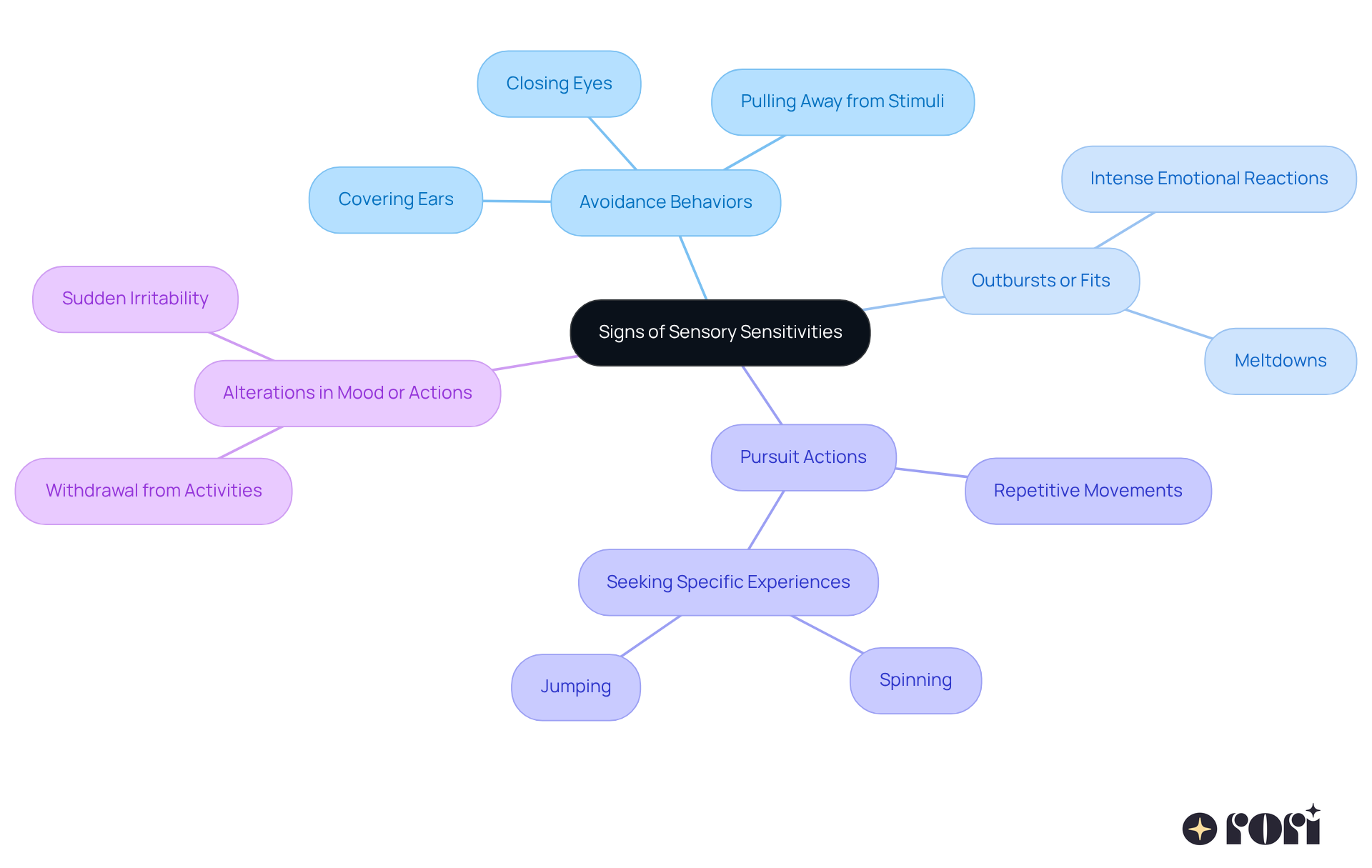
Recognizing how to manage in children with autism when they are feeling overwhelmed is crucial for effective management. You might notice some when your child is struggling:
To really understand these signals, can be super helpful. Jot down when you notice overload and what actions follow. This practice not only helps you spot patterns but also allows you to respond proactively to ease their discomfort. Youth psychologists emphasize that recognizing these signs is key to that focus on how to manage sensory sensitivities in children with autism. Research shows that avoidance behaviors are particularly significant, as they can increase stress for caregivers and impact the child’s overall well-being.
By tuning into these signs and working together with educators and therapy professionals, you can create a more comfortable and adaptable space for your child. Engaging actively in therapy, guided by , empowers you to make informed choices that can enhance your child’s progress and development. Let’s explore this together! We’re here to help you every step of the way!
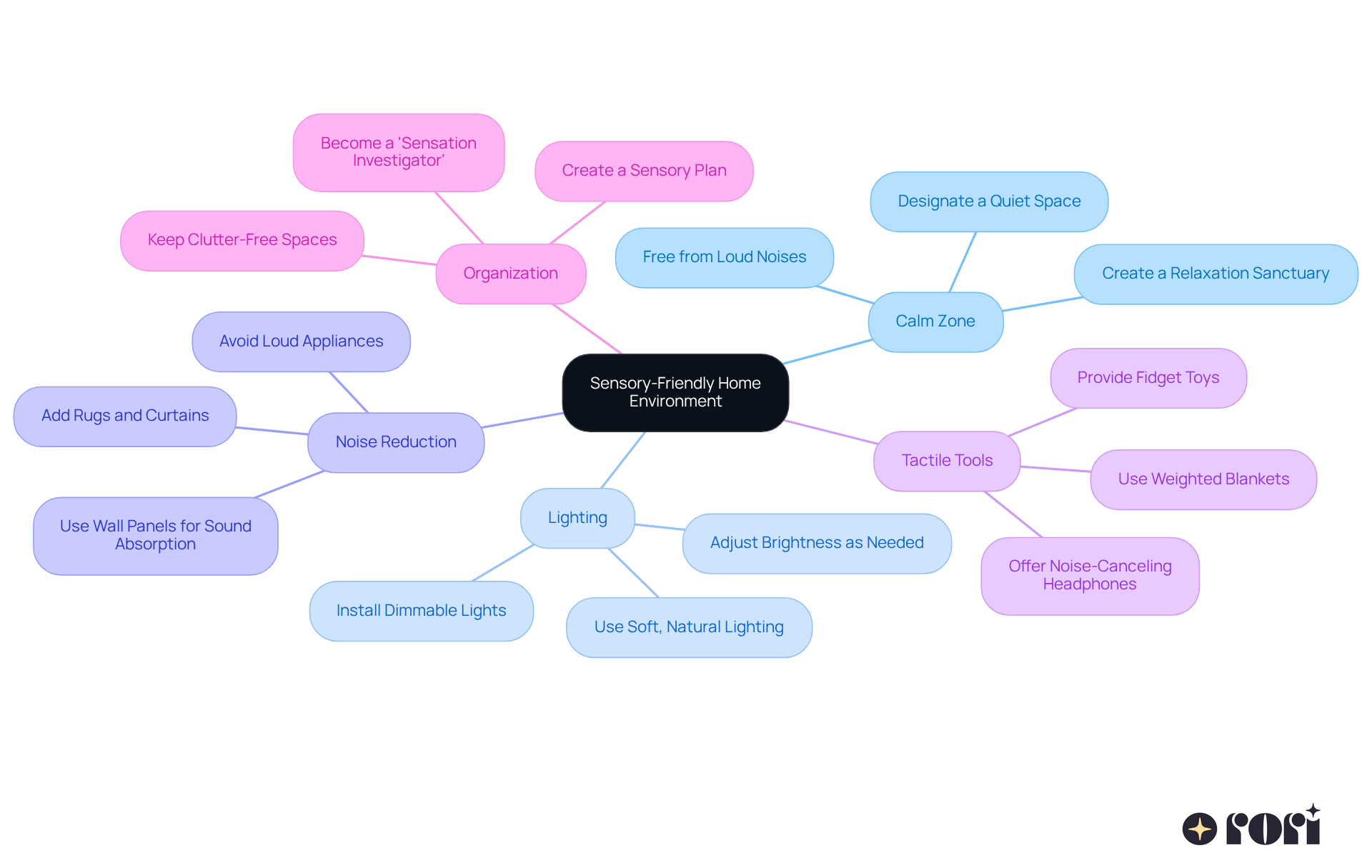
Transforming your home into a is about understanding how to manage , which can feel like a big task, but it’s all about a few key strategies. At Rori Care, we’re committed to neurodiversity, and our clinical leadership team is here to guide you through this journey:
By actively involving caregivers in these strategies, Rori Care empowers families to support their children’s effectively. Let’s explore this together! We’re here to help you every step of the way!
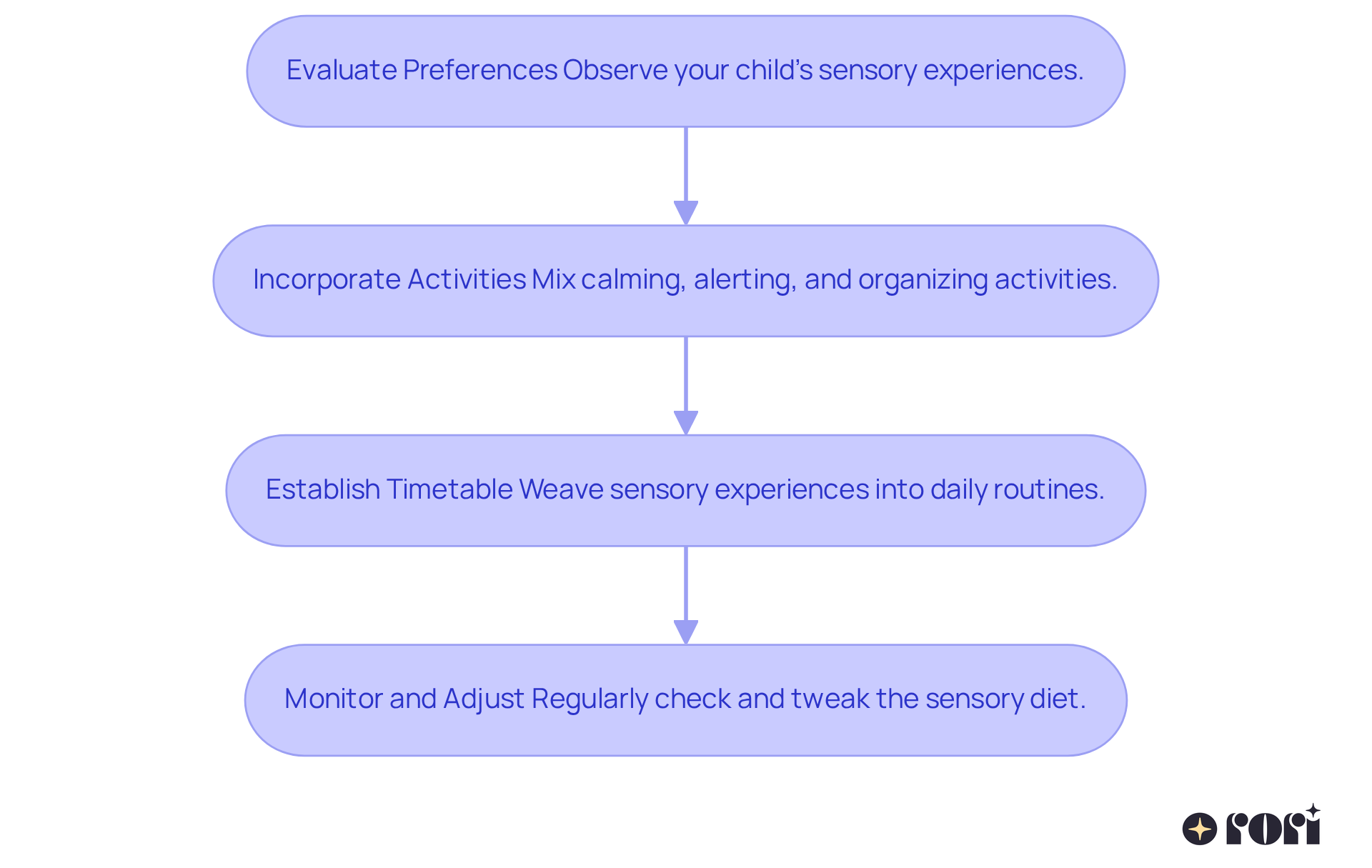
Creating a can significantly help in understanding how to manage ! It’s all about tailoring activities to meet their unique needs, drawing from the principles of and the importance of . Here’s how to get started:
This personalized approach is crucial for in kids with autism, as it helps in understanding how to manage sensory sensitivities in children with autism. Let’s explore this together!
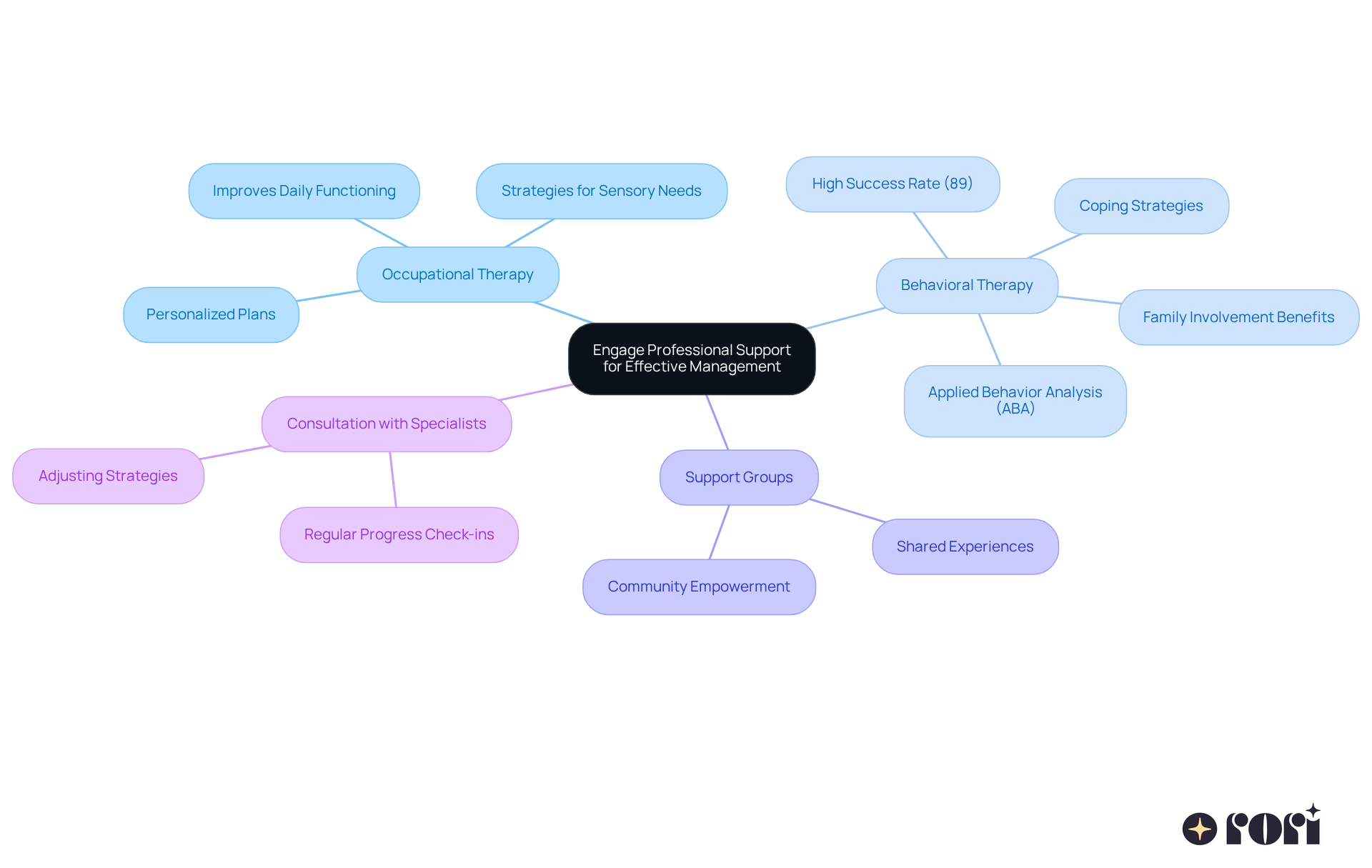
Professional assistance is crucial when it comes to how to manage . Let’s take a look at some key options that can really make a difference:
By engaging with these professional resources, including the , families can gain the tools and strategies they need, particularly focusing on how to manage sensory sensitivities in children with autism, to help their children thrive. Together, we can enhance their quality of life! Let’s explore this journey together!
Understanding and managing sensory sensitivities in children with autism is so important for their well-being and development. By recognizing each child's unique sensory profile, caregivers can create tailored strategies that meet their specific needs. This ultimately leads to a more harmonious environment at home and in public settings.
Throughout this article, we’ve explored key strategies, like:
Each of these components plays a vital role in helping children navigate their sensory experiences, promoting comfort, and enhancing their ability to thrive in various situations.
The journey of managing sensory sensitivities requires patience, understanding, and collaboration. By actively implementing these strategies and reaching out for professional guidance, caregivers can empower their children to cope better with sensory challenges. This not only improves daily experiences but also enriches their overall quality of life. Embracing this approach can lead to a brighter future for children with autism, where their unique sensory needs are acknowledged and met with compassion and care.
Let’s explore this together! Remember, you’re not alone in this journey. We’re here to help you every step of the way!
What are sensory sensitivities in children with autism?
Sensory sensitivities in children with autism can manifest as hypersensitivity, where they react strongly to stimuli like sounds, lights, or textures, or hyposensitivity, where they seek intense experiences to feel more engaged.
How can caregivers recognize when a child with autism is struggling with sensory sensitivities?
Caregivers can look for signs such as avoidance behaviors (covering ears or closing eyes), outbursts or fits, pursuit actions (like spinning or jumping), and sudden alterations in mood or behavior.
What are some common avoidance behaviors in children with sensory sensitivities?
Common avoidance behaviors include covering their ears, closing their eyes, or pulling away from overwhelming environments.
What actions might children take when they are experiencing sensory overload?
Children may have intense emotional reactions, such as outbursts or fits, or engage in repetitive movements to help self-regulate and manage their environment better.
How can keeping a log of experiences help caregivers manage sensory sensitivities?
Keeping a log can help caregivers spot patterns in their child's reactions to sensory overload, allowing them to respond proactively to ease discomfort.
Why is it important for caregivers to recognize signs of sensory sensitivities?
Recognizing these signs is crucial for creating nurturing environments that focus on managing sensory sensitivities, which can enhance the child's overall well-being and reduce stress for caregivers.
What role do ABA principles play in managing sensory sensitivities?
ABA principles can help caregivers implement techniques like visual schedules and scheduled breaks to ease transitions and manage overwhelming moments, positively impacting the child's growth.
How can collaboration with educators and therapy professionals benefit children with sensory sensitivities?
Working together with educators and therapy professionals can help create a more comfortable and adaptable space for the child, empowering caregivers to make informed choices that enhance the child's progress and development.