Auditory hypersensitivity is often overlooked, yet it plays a significant role in the lives of many individuals on the autism spectrum. Did you know that research shows between 50% to 70% of autistic individuals experience some form of sound sensitivity? Understanding this phenomenon is essential for parents and caregivers who want to support their children effectively.
As families navigate the complexities of daily life, they often face the challenge of addressing discomfort from seemingly ordinary sounds. It can be tough! How can we help our loved ones feel more at ease? Exploring the connection between sound sensitivity and autism not only sheds light on this pressing issue but also opens the door to tailored strategies that can enhance the quality of life for those affected.
Let’s explore this together! By sharing experiences and insights, we can create a supportive community that empowers families to tackle these challenges head-on.
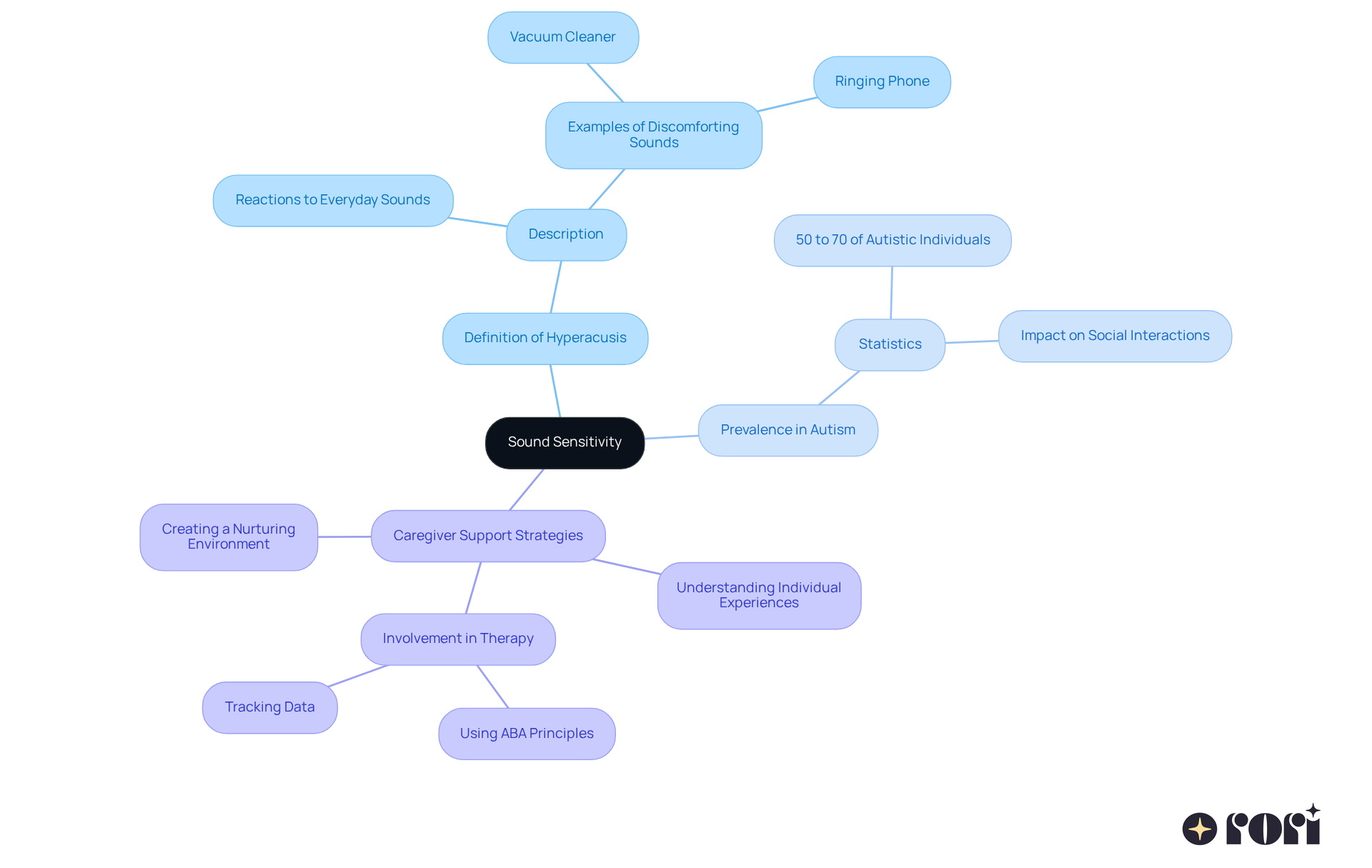
Auditory hypersensitivity, often called hyperacusis, is when someone reacts unusually to sounds that most people find tolerable. Imagine the hum of a vacuum cleaner or the ringing of a phone—these everyday noises can cause real discomfort or even pain for those with this condition. For many individuals on the autism spectrum, the question of whether sound sensitivity is a symptom of autism arises, as hyperacusis is a common sensory processing challenge affecting a significant number of them. In fact, research shows that about 50% to 70% of autistic individuals experience some level of sound sensitivity, prompting the inquiry: is sound sensitivity a symptom of autism?
Understanding hyperacusis is so important for parents and caregivers. It helps them provide better support for kids who might feel overwhelmed by sounds. By getting involved in their child’s therapy and using ABA principles—like keeping track of data—caregivers can create a consistent and nurturing environment. This approach is key to recognizing that each child’s experience with hyperacusis can be quite different.
Let’s explore this together! By acknowledging these unique experiences, we can better support our children and help them navigate their world. If you’re feeling unsure about how to help, remember, you’re not alone. We’re here to !
Many parents wonder if sound sensitivity is a symptom of autism, as it can be a real challenge for many autistic children, often leading to anxiety, social withdrawal, and behavioral hurdles. Imagine your little one, suddenly startled by a loud noise, feeling overwhelmed and anxious. It’s not uncommon for these situations to result in meltdowns or a desire to retreat from social interactions. Research shows that about 50% to 70% of autistic individuals experience a decreased tolerance for noise, leading to the question: is sound sensitivity a symptom of autism, which can really impact their daily activities and emotional health.
This connection highlights how crucial it is to address auditory discomfort within a caring autism support framework, like the one offered by Rori Care. By recognizing that sound sensitivity is a symptom of autism and how it can affect a child’s overall well-being, parents and healthcare providers can develop more effective strategies to help them navigate their sensory experiences. Rori Care’s personalized behavior intervention plans are designed to tackle these challenges head-on, equipping caregivers with the tools they need to support their child’s behavioral goals.
For instance, creating quieter spaces or using noise-canceling headphones can make a world of difference, helping to ease the struggles that come with sound sensitivity. This can foster a more supportive environment for everyday activities. Plus, techniques like graded exposure can help kids gradually face their fears of loud sounds, building resilience and reducing anxiety over time.
Understanding these dynamics is key to crafting that enhance the quality of life for autistic youth. Rori Care is dedicated to walking alongside families on this journey. And let’s not forget, collecting data is vital in this process, ensuring that interventions are as effective as possible and customized to meet each child’s unique needs.
We’re here to help you every step of the way! Let’s explore this together!

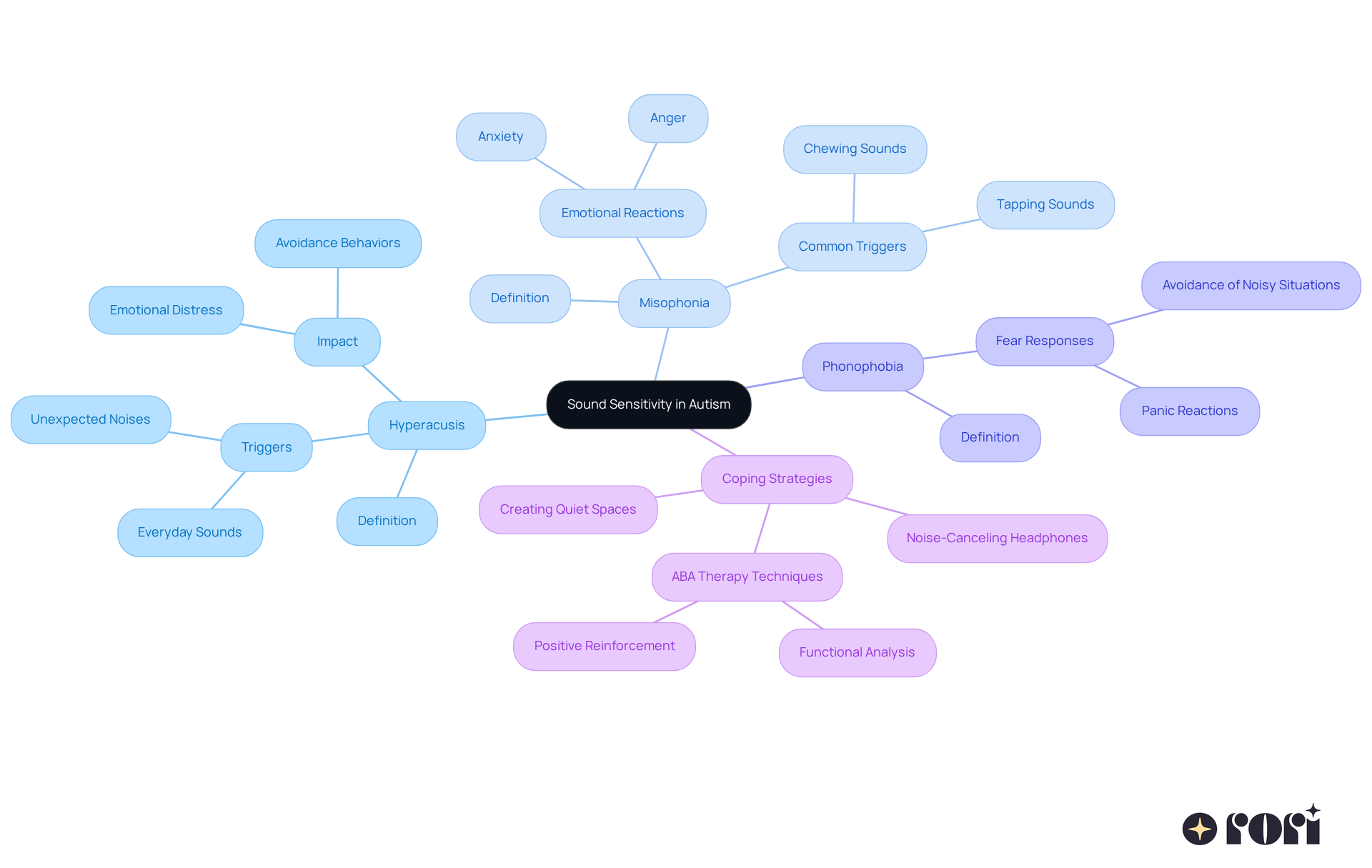
Many parents of children with autism often wonder, is sound sensitivity a symptom of autism, as they notice their little ones experiencing various forms of auditory sensitivity. You might have heard of , misophonia, and phonophobia. Hyperacusis, for instance, means that your child may struggle with sounds that most of us consider normal, sometimes feeling discomfort or even pain. Did you know that research shows between 50% and 70% of autistic individuals deal with hypersensitivity, which raises the question, is sound sensitivity a symptom of autism? This highlights just how crucial tailored interventions can be, like the ones offered by Rori Care’s ABA therapy, which supports individuals of all ages facing behavioral challenges, including those with Autism Spectrum Disorders.
On the other hand, misophonia can lead to intense emotional reactions to specific sounds, like chewing or tapping, which might trigger feelings of anger or anxiety. And then there's phonophobia, an irrational fear of certain sounds that can cause your child to avoid situations altogether. For parents and caregivers, understanding whether is sound sensitivity a symptom of autism is so important. It helps you identify specific triggers and develop effective coping strategies.
Practical tips can make a world of difference! For example, using noise-canceling headphones or creating quiet spaces at home can really help your child manage their reactions. By recognizing these nuances and applying the principles of ABA therapy, families can create supportive environments that allow kids to navigate their auditory experiences more comfortably.
It's worth noting that ABA therapy is the only scientifically validated intervention for autism that insurance covers. In fact, significant progress has been observed in 90% of youths when the recommended hours are followed closely with active caregiver involvement. So, let’s explore this together! We’re here to help you every step of the way!
Auditory discomfort can really shake up a young person's daily life, making it tough to enjoy simple activities like going to school, hanging out with friends, or even having fun with family. Kids who experience this discomfort often struggle in noisy environments, which can lead to feelings of loneliness or frustration. For example, imagine a young learner trying to focus in a classroom buzzing with background noise—it's no wonder their learning and social interactions might take a hit.
And it doesn't stop there! Given that sound sensitivity can ramp up anxiety levels, it raises the question: is , making it hard for kids to join in on activities with unpredictable sounds, like birthday parties or busy shops? Recognizing these challenges is key for parents and caregivers. By understanding what their kids are going through, they can create more supportive environments. This might mean planning quieter activities or using visual cues to help prepare kids for potentially overwhelming situations.
This knowledge is empowering! It allows caregivers to make informed choices that can positively impact their child's development. Ultimately, this leads to better behavioral outcomes and a more harmonious family dynamic. So, let’s explore this together and find ways to support our little ones!

Sound sensitivity, especially when it comes to autism, is a real concern for many families. It’s important to recognize that auditory hypersensitivity is a common symptom among autistic individuals, impacting their daily lives and overall well-being. By understanding this connection, parents and caregivers can better support their children as they navigate a world filled with overwhelming sounds.
Throughout this article, we’ve shared some key insights about how prevalent sound sensitivity is in autistic individuals. Research shows that between 50% and 70% experience some form of auditory discomfort. We’ve explored different types of sound sensitivity—like hyperacusis, misophonia, and phonophobia—highlighting the various ways this condition can show up. Plus, practical strategies such as creating quieter environments and using noise-canceling headphones can really help ease the challenges these children face.
Ultimately, understanding sound sensitivity goes beyond just recognizing a symptom of autism; it’s about empowering families to create supportive and nurturing environments. By implementing tailored interventions and fostering open communication, caregivers can help their children thrive despite the hurdles posed by auditory hypersensitivity. The journey may be complex, but with the right tools and support, enhancing the quality of life for autistic individuals and their families is absolutely possible.
Let’s explore this together! We’re here to help you every step of the way!
What is sound sensitivity?
Sound sensitivity, also known as auditory hypersensitivity or hyperacusis, is a condition where individuals react unusually to sounds that most people find tolerable, causing discomfort or pain.
How does sound sensitivity relate to autism?
Sound sensitivity is a common sensory processing challenge among individuals on the autism spectrum, with research indicating that about 50% to 70% of autistic individuals experience some level of sound sensitivity.
Why is understanding hyperacusis important for parents and caregivers?
Understanding hyperacusis helps parents and caregivers provide better support for children who may feel overwhelmed by sounds, allowing them to create a nurturing environment that acknowledges each child's unique experiences.
What role does therapy play in managing sound sensitivity?
Involving parents and caregivers in their child's therapy, particularly using ABA principles and tracking data, is essential for creating a consistent and supportive environment for children with sound sensitivity.
How can caregivers help children with sound sensitivity?
Caregivers can help by recognizing the individual experiences of their children with hyperacusis and providing support tailored to their needs, while also engaging in their therapy process.