Understanding the ins and outs of speech and language development can feel overwhelming, especially for parents on the autism journey. But don’t worry! Applied Behavior Analysis (ABA) therapy provides a structured and effective way to help children build those crucial communication skills. This guide dives into the core principles of ABA therapy and offers practical techniques you can easily use at home.
So, how can you, as a caregiver, bridge the gap between therapy sessions and everyday interactions? It’s all about fostering meaningful language growth in your child. Let’s explore this together! 😊
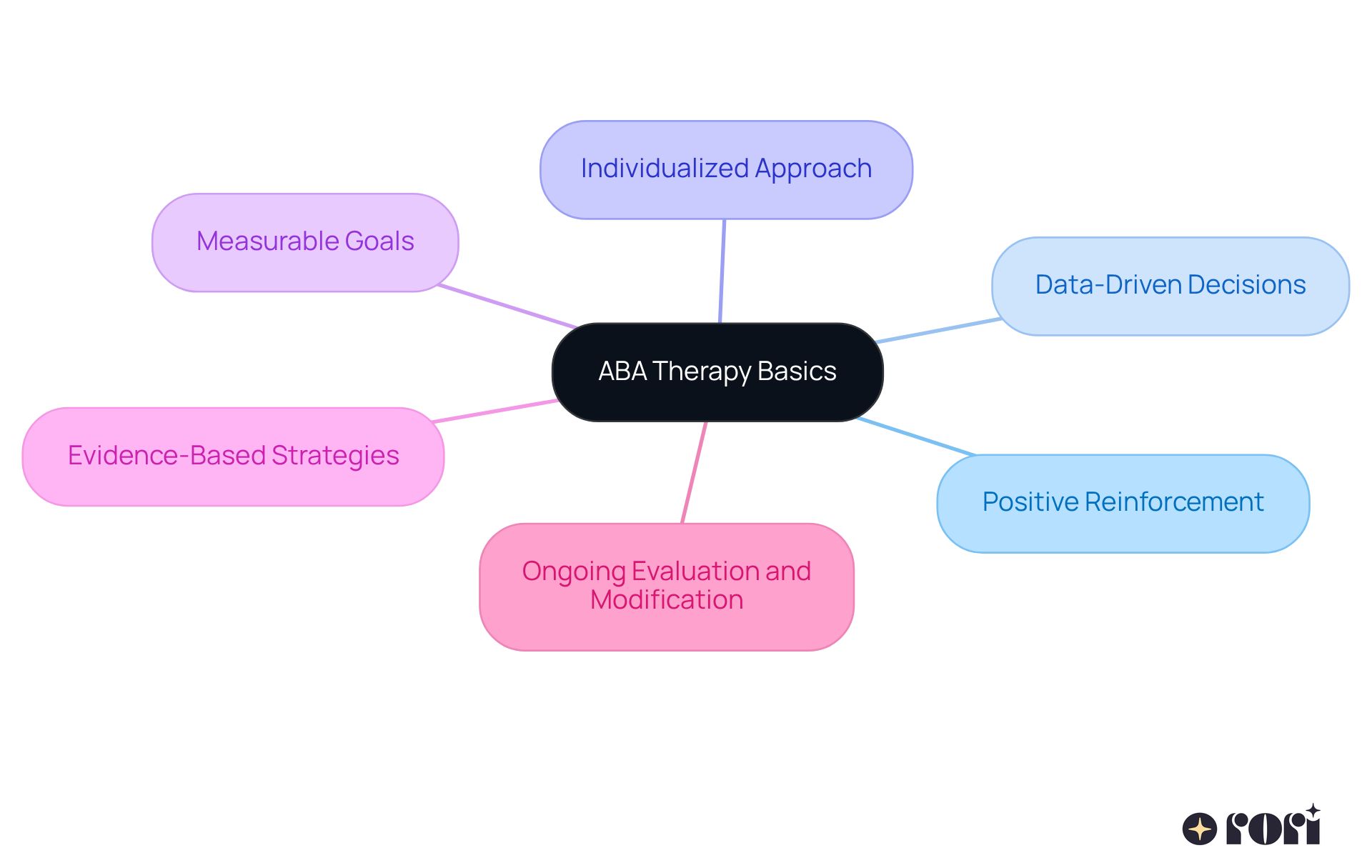
Applied Behavior Analysis (ABA) is a scientific approach that helps us understand and improve behavior. It’s particularly effective for young individuals with autism, focusing on teaching new skills while minimizing challenging behaviors through structured interventions. Let’s break down some key principles of ABA:
Understanding these fundamentals can really help you appreciate how ABA therapy for speech and language development can support your child. Plus, it equips you with the principles and strategies needed for effective behavioral support.
So, let’s explore this together! If you have any questions or thoughts, feel free to share. We’re here to help you every step of the way!
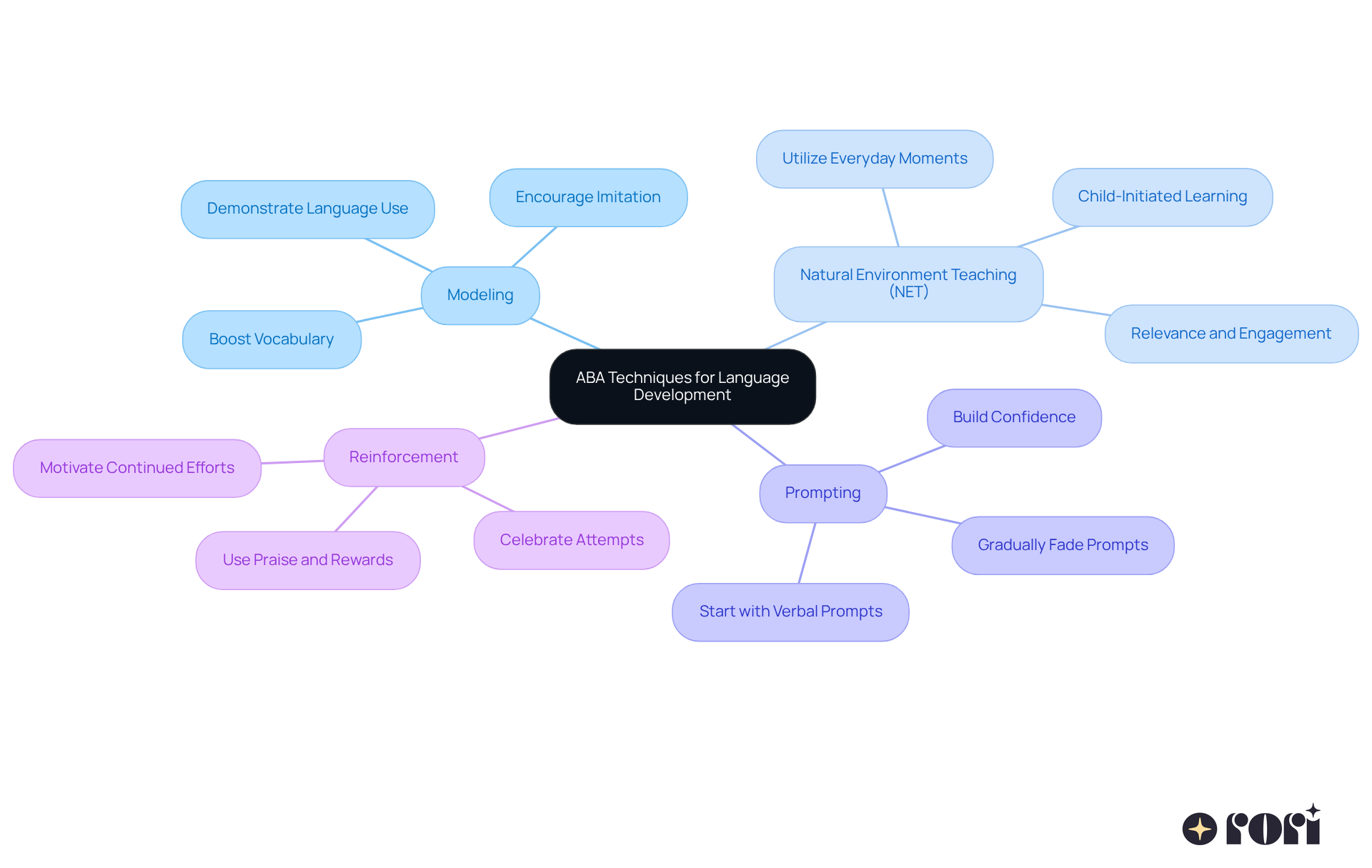
Supporting your child's language development through ABA therapy for speech and language development can be a rewarding journey! Here are some friendly techniques to consider:
Modeling: Think about how you can demonstrate language in everyday situations. For instance, while playing with toys, narrate what you’re doing and invite your little one to imitate you. This not only boosts their vocabulary but also strengthens their language skills, which can be effectively supported by ABA therapy for speech and language development through fun, immediate engagement.
Natural Environment Teaching (NET): Everyday moments are perfect for teaching language! During snack time, encourage your child to ask for items using words or gestures. This approach makes learning feel relevant and engaging, which is so important for helping them remember what they’ve learned.
Prompting: Sometimes, a little nudge is all they need! Start with verbal prompts to help them interact, and as they become more confident, gradually fade those prompts. This gentle approach builds their confidence and encourages them to take the initiative in conversations.
Reinforcement: Positive reinforcement goes a long way! Celebrate your child's attempts to use words or phrases correctly with praise or small rewards. This not only reinforces their efforts but also motivates them to keep trying.
By weaving these techniques into your daily interactions, you can create a lively language-learning environment that encourages your child to express themselves and supports their overall growth with ABA therapy for speech and language development. Let’s explore this together!
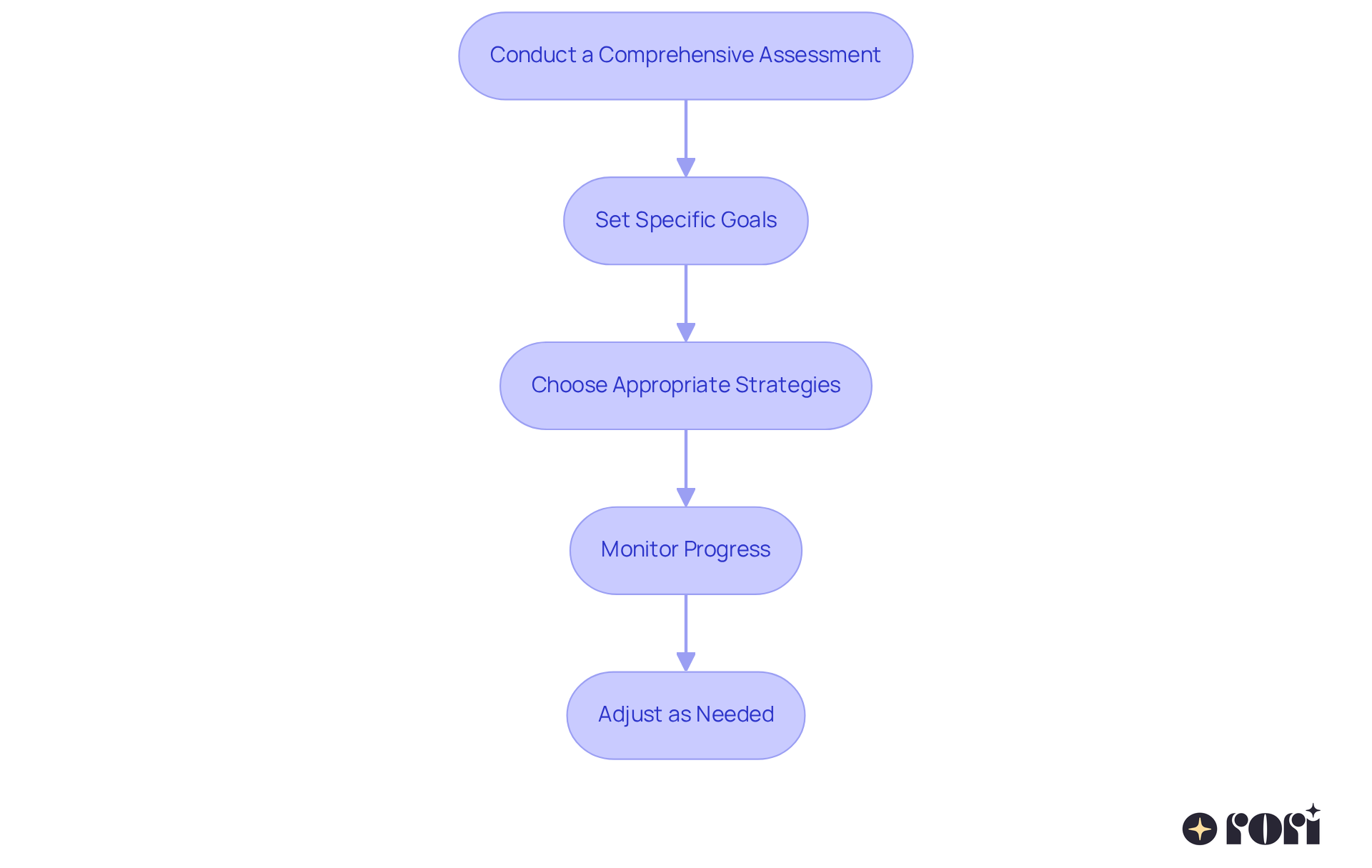
Creating a personalized ABA therapy for speech and language development plan for your child can feel overwhelming, but it doesn't have to be! Let’s explore this together with these simple steps:
Conduct a Comprehensive Assessment: Team up with a Board Certified Behavior Analyst (BCBA) to take a close look at your child's current communication skills. This is all about understanding their strengths and areas where they can grow. Think of it as laying the foundation for a tailored intervention that truly meets your family's needs.
Set Specific Goals: It’s important to define clear, measurable objectives for language development. Research shows that having specific goals can really boost the effectiveness of ABA therapy for speech and language development treatment plans. For example, you might aim to increase vocabulary by a certain percentage or improve sentence structure within a set timeframe. It’s all about making progress together!
Choose Appropriate Strategies: Now, let’s pick some ABA techniques that fit your goals for your little one. You might find that strategies like modeling, prompting, or reinforcement work wonders. These methods have been shown to help kids acquire new skills and enhance their interactions.
Monitor Progress: Keep an eye on your child's communication attempts and successes by regularly collecting data. This ongoing monitoring is key! It helps you see how well the plan is working and ensures that the interventions stay relevant and impactful.
Adjust as Needed: Flexibility is crucial! Be open to modifying the plan based on your child's progress and changing needs. Regularly assessing and adjusting objectives is essential for achieving meaningful behavior changes and keeping therapy aligned with your child's developmental journey.
This organized approach not only sharpens the focus and efficiency of your child's therapy but also empowers you as a parent to actively engage in their ABA therapy for speech and language development journey. Remember, you’re not alone in this - we’re here to help you every step of the way!
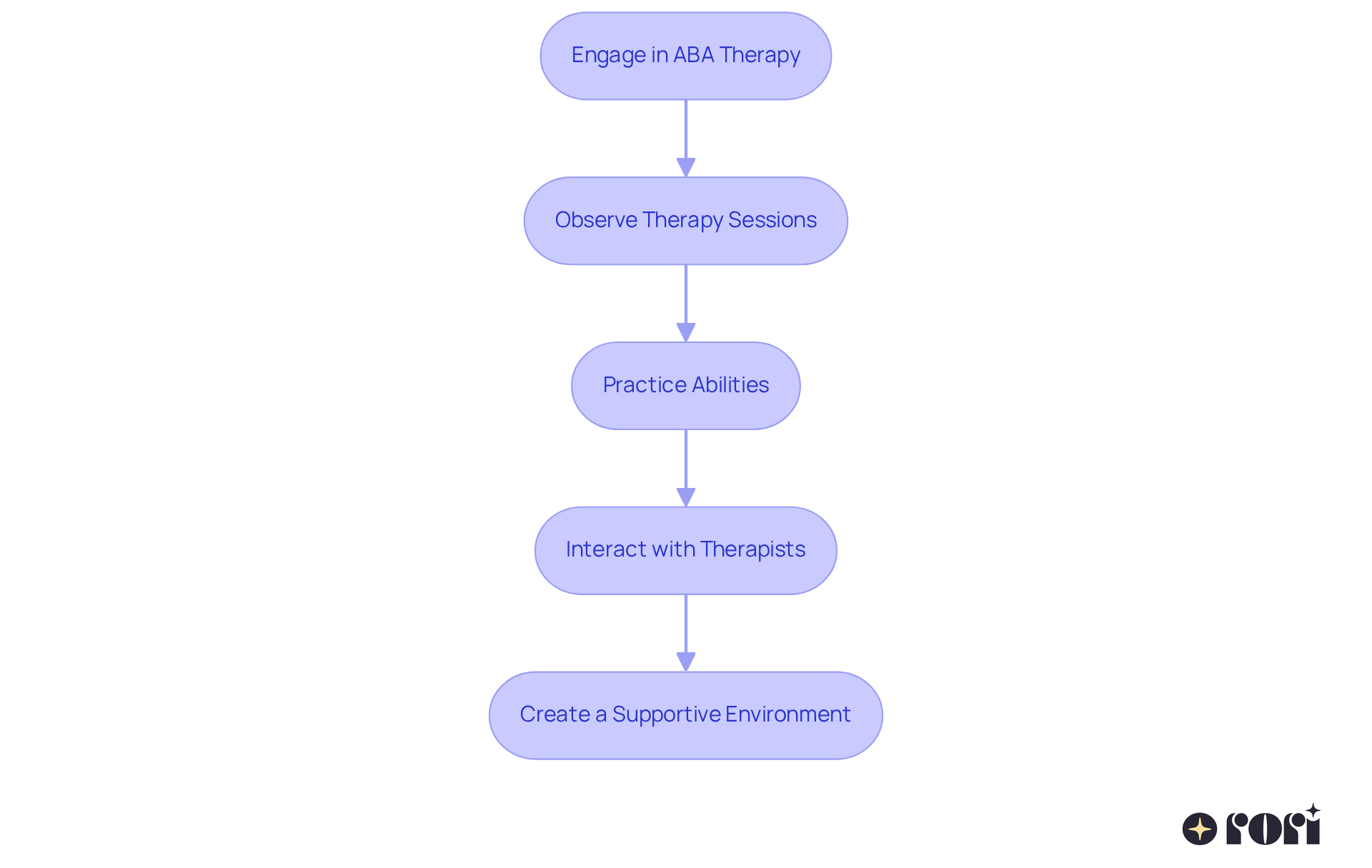
To really make the most of ABA therapy, it’s super important for parents to get involved in the process. Here’s how you can do that:
Observing Therapy Sessions: When you attend therapy sessions, you get to see firsthand the techniques being used. This not only helps you understand what’s happening but also makes it easier to use those strategies at home. Research shows that parents who watch sessions of ABA therapy for speech and language development tend to see better outcomes for their kids because they can reinforce what’s learned in real-life situations.
Practicing Abilities: Try to weave those new skills into your daily routines. For instance, if your child is learning to ask for things, encourage them to request snacks during mealtime. This approach not only strengthens what they’ve learned in ABA therapy for speech and language development but also helps them apply those skills in various situations, boosting their interaction abilities.
Interacting with Therapists: Keep the lines of communication open with your child’s therapist. Discuss their progress, any challenges, and ways to practice at home. Good communication creates a collaborative vibe, allowing you to share your observations and insights, which can help tailor the therapy. Studies indicate that strong partnerships between parents and therapists lead to better adherence to treatment and improved outcomes.
Creating a Supportive Environment: Set up a structured, distraction-free space for practice. Use visual supports and schedules to guide activities. A nurturing environment can really help your child feel comfortable and focused, making it easier for them to engage with the skills they’re developing.
By being actively involved in ABA therapy for speech and language development, you can reinforce your child’s learning and help them apply their skills in different contexts. This ultimately leads to more meaningful progress in their development. Let’s explore this together!
Mastering ABA therapy for speech and language development at home can truly empower you as a parent. It’s all about playing an active role in your child's growth! By getting to know the principles of Applied Behavior Analysis, you can implement strategies that really foster communication skills and create a supportive learning environment. This approach not only helps your child express themselves better but also strengthens that special bond you share through shared learning experiences.
Key techniques like modeling, natural environment teaching, and positive reinforcement are essential in nurturing language development. Each method offers a unique chance for your child to engage with language in meaningful ways, allowing them to practice and refine their skills. Plus, creating personalized ABA treatment plans means the therapy is tailored just for your child's needs, promoting effective outcomes and steady progress.
Ultimately, supporting your child's speech and language development through ABA therapy is a journey you take together. We encourage you to actively participate, observe, and communicate with therapists to make the most of this therapy. By embracing this partnership and consistently applying what you learn at home, you can significantly enhance your child's communication skills and overall development. Let’s explore this together and pave the way for a brighter future!
What is Applied Behavior Analysis (ABA) therapy?
ABA therapy is a scientific approach that helps understand and improve behavior, particularly effective for young individuals with autism. It focuses on teaching new skills while minimizing challenging behaviors through structured interventions.
What is positive reinforcement in ABA therapy?
Positive reinforcement involves rewarding desired behaviors to encourage them to occur more frequently, similar to giving a high-five when a child does something great.
How does data influence ABA therapy?
Data-driven decisions involve collecting and analyzing data to track progress and adjust strategies, ensuring that interventions are effective and tailored to each child's unique needs.
Why is an individualized approach important in ABA therapy?
An individualized approach ensures that every behavioral plan is custom-designed to fit the specific strengths, challenges, and goals of each child, providing personalized care.
What are measurable goals in ABA therapy?
Measurable goals are clear, defined objectives for behavior change and skill development that provide a transparent way to monitor progress.
What are evidence-based strategies in ABA therapy?
Evidence-based strategies are methods used by behavior analysts that are grounded in the latest research, applying the most effective techniques for behavior change.
How is ongoing evaluation and modification utilized in ABA therapy?
Ongoing evaluation involves continuously monitoring a child's progress to make necessary adjustments to interventions, optimizing outcomes for better effectiveness.
How can ABA therapy support speech and language development?
Understanding the fundamentals of ABA therapy can help appreciate how it supports speech and language development by providing principles and strategies for effective behavioral support.