Behavioral incentives are super important in autism therapy, especially when we talk about Applied Behavior Analysis (ABA). By using positive reinforcement, therapists can really boost engagement and learning for kids on the autism spectrum. But here’s the thing: these incentives need to be tailored to fit each child’s unique preferences and needs.
So, what happens when these incentives don’t work or feel off? It’s essential to find that sweet spot between motivation and dependency. This balance is key to creating a successful therapeutic environment.
Let’s explore this together! Understanding how to navigate these challenges can make a world of difference for your child. We’re here to help you every step of the way!
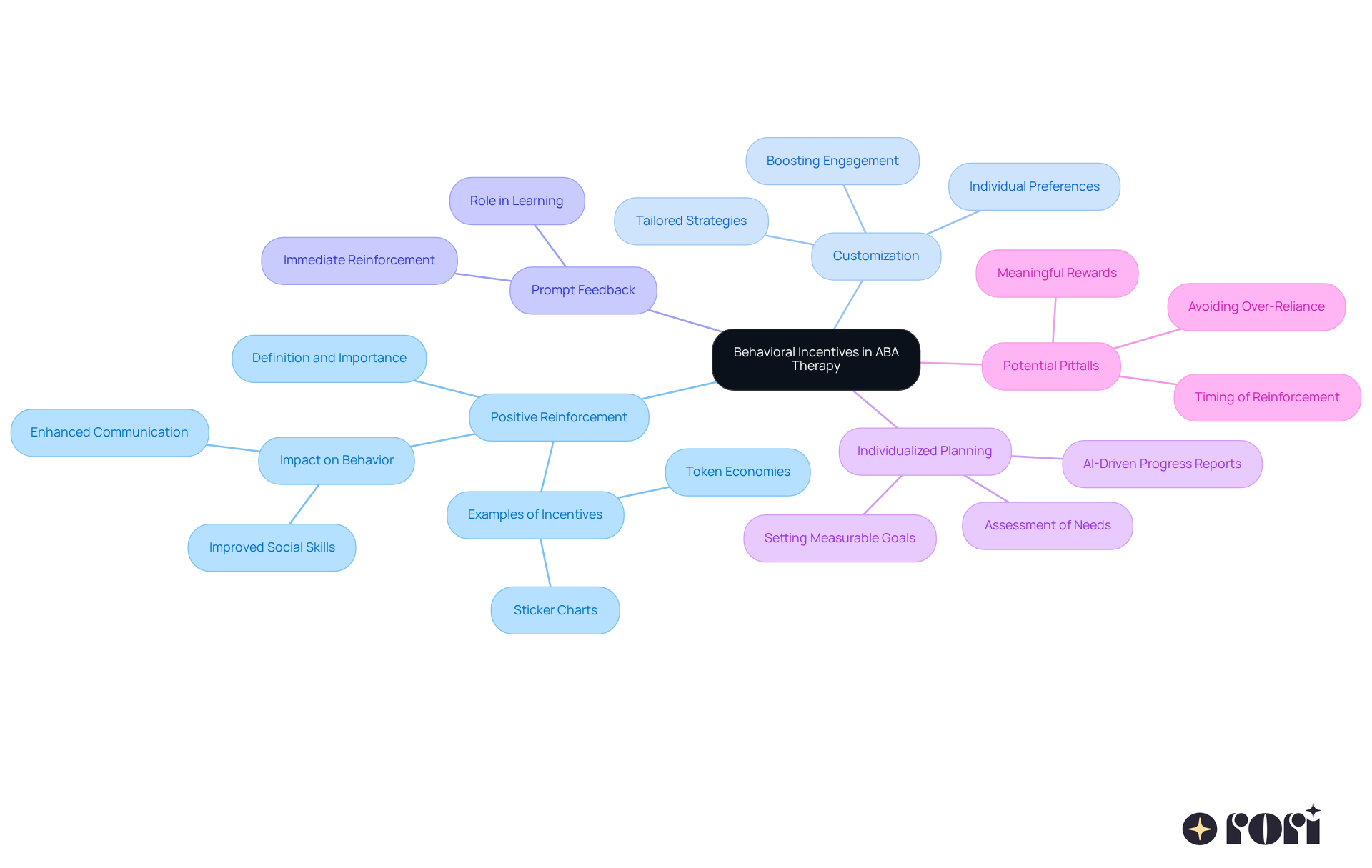
focus on reinforcement, which is a key idea in . Among these, really shines as the best way to encourage the behaviors we want to see. In ABA therapy, are used to motivate young people to engage in specific actions by offering rewards that resonate with their interests. For instance, a child might really enjoy a sticker chart that visually tracks their progress, making their efforts feel recognized and encouraging them to keep participating in therapy.
Recent studies show that when we customize behavioral incentives in autism therapy to fit an individual’s unique preferences, it can significantly boost both engagement and learning outcomes. Research has found that kids on the autism spectrum, as well as those with ADHD and learning disabilities, often see when behavioral incentives in autism therapy are consistently applied. This approach not only sparks motivation but also builds a sense of self-efficacy, helping young individuals tackle new challenges with confidence.
Prompt feedback plays a crucial role here, as it reinforces the desired actions right after they occur, making the reinforcement strategy even more effective. At Rori Care, we really focus on when developing behavioral plans, ensuring that each child’s unique needs and goals are met. By integrating , we can track progress clearly, while help us apply the most effective methods for .
However, it’s important to be mindful of potential pitfalls when using . We want to make sure that incentives are meaningful and well-timed to keep their impact strong. With the help of , Rori Care can enhance therapy efficiency, freeing up 50% more time for direct treatment. This ultimately empowers caregivers with ABA principles and strategies to support their children’s behavioral goals. Let’s explore this together!
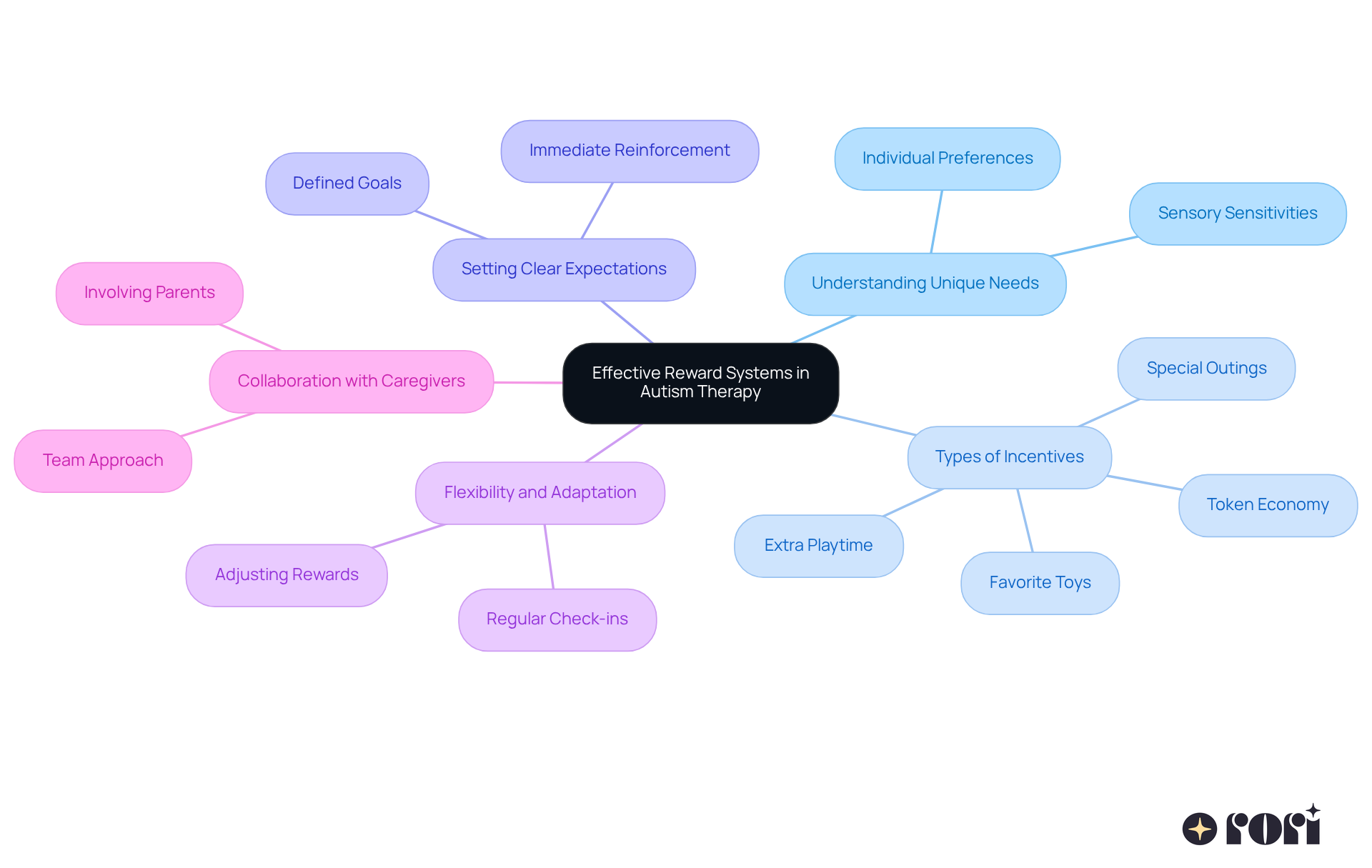
Creating an effective incentive system for autism therapy starts with understanding each child's unique needs and preferences related to . Consider what , such as finishing tasks or making friends, by utilizing . Choosing behavioral incentives in autism therapy that resonate with your child is key - these could include their favorite toys, extra playtime, or special outings.
It's important to , as behavioral incentives in autism therapy help your child know exactly what's expected of them. For instance, a can be a fun way for kids to earn tokens for positive behaviors, serving as behavioral incentives in autism therapy that they can later trade for bigger rewards. This approach utilizes behavioral incentives in autism therapy to reinforce good behavior and helps kids feel a sense of accomplishment.
Regularly checking in and in autism therapy based on your child's responses and progress is crucial, as their motivations can shift over time. Being flexible ensures that the system remains effective and engaging, ultimately supporting your child's growth and independence with the use of behavioral incentives in autism therapy.
Research shows that kids receiving intensive , especially those involved in in autism therapy for over 20 hours a week, often see . In fact, about 90% of children make progress when these hours are fully implemented with active caregiver involvement.
So, it’s vital to recognize and adapt to each child's unique preferences and needs while to enhance the effectiveness of behavioral incentives in autism therapy. Plus, ethical standards should guide the development of incentive systems, ensuring respect for each child's dignity.
Using or token boards can also boost understanding and engagement in behavioral incentives in autism therapy. Let’s explore this together! Your insights and experiences matter, so feel free to share your thoughts!
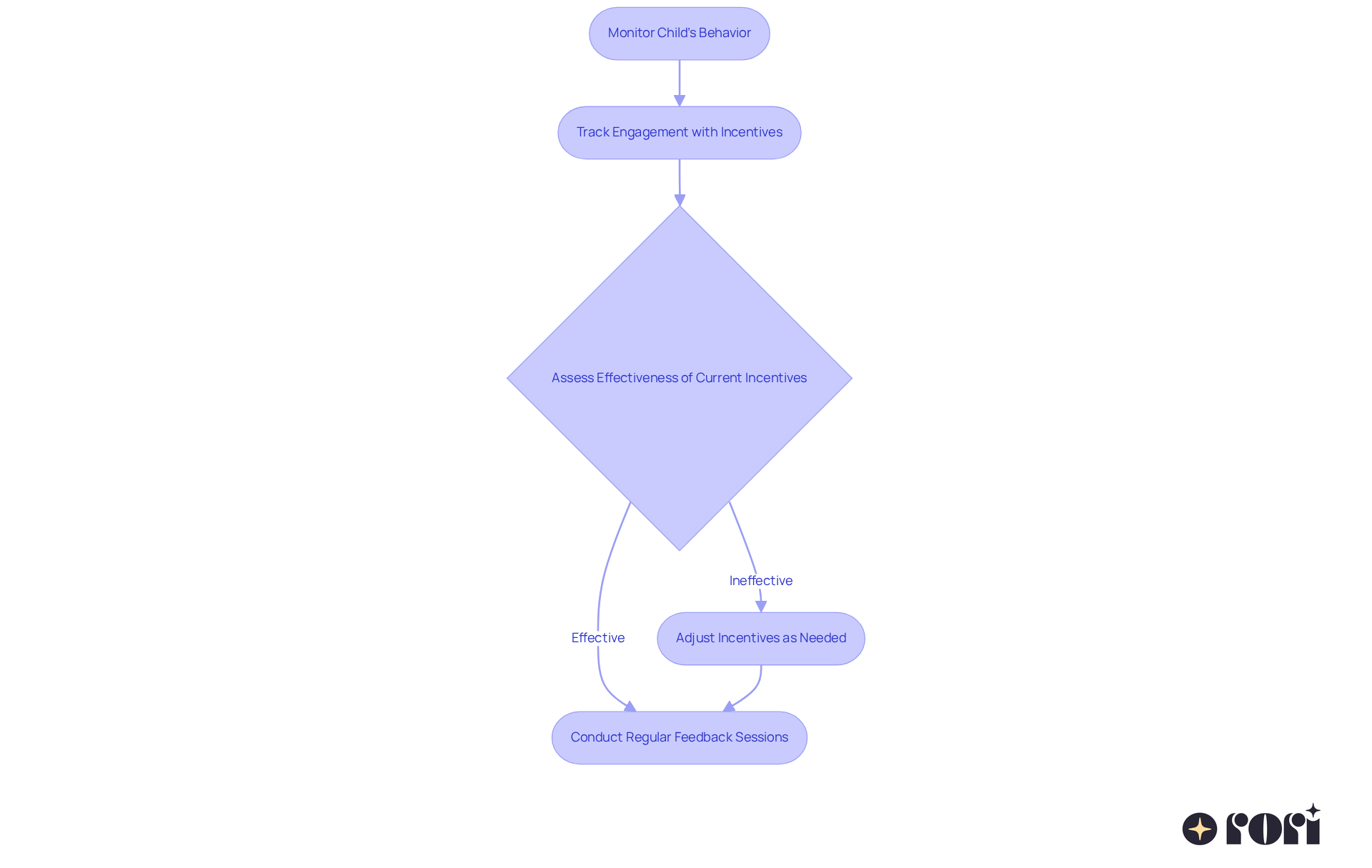
To maintain the effectiveness of , it’s important to monitor how the child is doing and adjust the incentive system when necessary. This might mean and seeing how engaged they are with . With , clinicians can whip up automatically, freeing up 50% more time for direct treatment!
If a particular incentive isn’t sparking joy anymore, consider or changing how they can earn [behavioral incentives in autism therapy](https://empoweraba.com/positive-reinforcement-strategies-in-aba-therapy-that-actually-work). For instance, if a young person loved stickers at first but has lost interest, switching to something more exciting, like choosing an activity, could reignite their enthusiasm. Plus, with the child can offer great insights into the effectiveness of behavioral incentives in autism therapy, allowing for timely tweaks that .
Let’s explore this together! Regular check-ins can really make a difference, and we’re here to help you every step of the way!
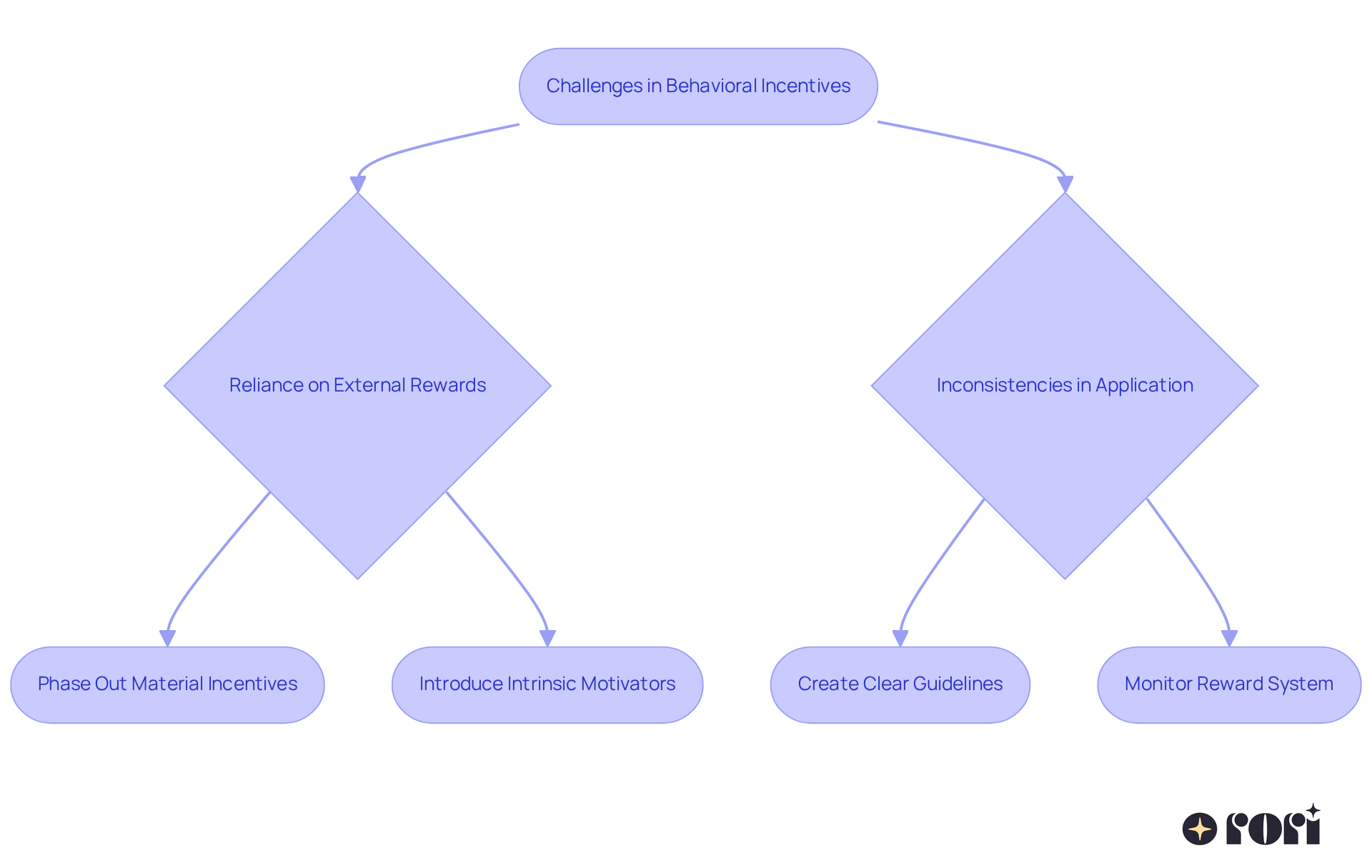
can be really helpful in , but they also come with their own set of challenges. One common issue is that kids might become too reliant on , which can actually dampen their . To tackle this, it’s important to gradually phase out those material incentives and bring in intrinsic motivators like . Research shows that when children lean too heavily on external validation, their natural desire to engage in activities for their own sake can start to fade away.
Inconsistencies in how incentives are applied can make things even trickier, leading to confusion and reducing their effectiveness. That’s why it’s crucial to create and stick to them when giving out incentives. This consistency helps foster a . Plus, keeping a close eye on the reward system is key to avoiding the accidental reinforcement of negative behaviors. For example, if a child gets attention for acting out, they might learn that being disruptive is a way to get noticed.
So, how can we address these challenges? is super important! When caregivers understand ABA principles and strategies, they can:
Regularly reviewing the reward system and its outcomes allows caregivers and therapists to spot potential pitfalls and adjust strategies proactively. By focusing on nurturing and ensuring a balanced approach to , we can really enhance the effectiveness of the therapy and support meaningful development. Let’s explore this together!
Mastering behavioral incentives in autism therapy is so important for achieving effective outcomes! By focusing on positive reinforcement tailored to each child's unique needs, practitioners can really motivate kids to engage meaningfully in their therapy. This approach not only boosts participation but also helps children build self-efficacy, giving them the confidence to tackle new challenges.
Throughout this journey, it’s crucial to customize reward systems and keep an eye on how well they’re working. By understanding what each child prefers, caregivers and therapists can create engaging incentive structures that evolve over time. It’s also essential to be mindful of the potential pitfalls of relying too much on external rewards and to consistently apply incentives. These considerations are key to ensuring the long-term success of behavioral strategies.
Ultimately, we can’t underestimate the significance of behavioral incentives in autism therapy. By prioritizing individualized approaches and maintaining open communication among caregivers, therapists, and educators, we can cultivate an environment that truly promotes growth and independence. Embracing these principles not only enhances therapeutic outcomes but also empowers children on the autism spectrum to thrive in their everyday lives. Let’s explore this together and make a difference!
What are behavioral incentives in ABA therapy?
Behavioral incentives in ABA therapy focus on reinforcement, particularly positive reinforcement, to encourage desired behaviors in individuals with autism.
How does positive reinforcement work in autism therapy?
Positive reinforcement involves offering rewards that resonate with a child's interests to motivate them to engage in specific actions, such as using sticker charts to visually track progress.
Why is it important to customize behavioral incentives?
Customizing behavioral incentives to fit an individual's unique preferences can significantly boost engagement and improve learning outcomes for children on the autism spectrum, as well as those with ADHD and learning disabilities.
What benefits do children experience from using behavioral incentives?
Children often see significant improvements in social interactions and communication skills when behavioral incentives are consistently applied, which also helps build their sense of self-efficacy and confidence in tackling new challenges.
What role does prompt feedback play in behavioral incentives?
Prompt feedback reinforces desired actions immediately after they occur, making the reinforcement strategy more effective in encouraging positive behaviors.
How does Rori Care approach individualized planning in behavioral therapy?
Rori Care focuses on individualized planning by developing behavioral plans that meet each child's unique needs and goals, integrating measurable goals to track progress effectively.
What are the potential pitfalls of using positive reinforcement?
It is important to ensure that incentives are meaningful and well-timed to maintain their impact and effectiveness in encouraging desired behaviors.
How does AI-driven progress report automation benefit therapy?
AI-driven progress report automation enhances therapy efficiency by freeing up 50% more time for direct treatment, allowing caregivers to better support their children's behavioral goals using ABA principles and strategies.