Setting effective communication goals in ABA therapy is such an important step in building meaningful connections for children with autism. By following the SMART criteria - Specific, Measurable, Achievable, Relevant, and Time-bound - therapists can create a solid framework that not only helps a child express themselves better but also supports their overall growth.
But here’s the thing: the journey doesn’t stop at goal setting. It brings up a crucial question: how can caregivers, educators, and therapists work together to make sure these goals stay relevant and achievable? This collaboration is key to paving the way for the child’s success. Let’s explore this together!
In , the establishment of is essential for and connect with others. These goals should follow the : Specific, Measurable, Achievable, Relevant, and Time-bound. For example, a clear goal might be to help a young person ask for things using full sentences within three months. This organized approach not only sets clear expectations but also helps to the treatment plan.
You know, studies show that kids in ABA therapy with in ABA therapy make and overall development. In fact, when caregivers are actively involved! By setting SMART goals, therapists can create a focused framework that empowers young individuals to achieve in ABA therapy, ultimately .
It’s really essential to regularly check in on these goals to avoid common pitfalls and ensure they stay relevant and achievable. Let’s explore this together! We’re here to help you every step of the way!

Establishing joint is super important! It means parents, therapists, and educators need to come together regularly to chat about how the kids are doing and tweak goals as needed. This ongoing conversation helps everyone stay on the same page and ensures that the communication goals in ABA therapy are in different settings.
For instance, if a child is thriving in therapy but struggling in school, the team can adjust the goals to specifically tackle those classroom challenges. This kind of teamwork not only boosts communication among everyone involved but also allows parents to play an active role in their child’s growth and development. By sharing their insights and observations, parents can help therapists and educators craft a more , leading to better outcomes for the child.
Research shows that can lead to , improving treatment results and fostering a sense of ownership and motivation within families. As one expert put it, "Collaborative objective setting is a cornerstone of effective ABA treatment, particularly when it comes to establishing communication goals in ABA therapy, which involves a multidisciplinary effort to customize interventions that address the unique needs of each individual."
With the rising demand for autism therapy services, is more crucial than ever to ensure that kids get the support they need. Parents can get involved by asking specific questions during meetings, sharing what they observe at home, and actively participating in creating goals that reflect their child’s strengths and challenges.
Plus, is key in this process. It equips them with the knowledge and strategies they need to support their child’s behavioral goals. This empowerment leads to better support at home, informed decision-making, and ultimately, improved behavioral outcomes. Rori Care emphasizes the importance of crafted by qualified behavior analysts to meet each individual’s unique needs.
Let’s explore this together! We’re here to help you every step of the way!

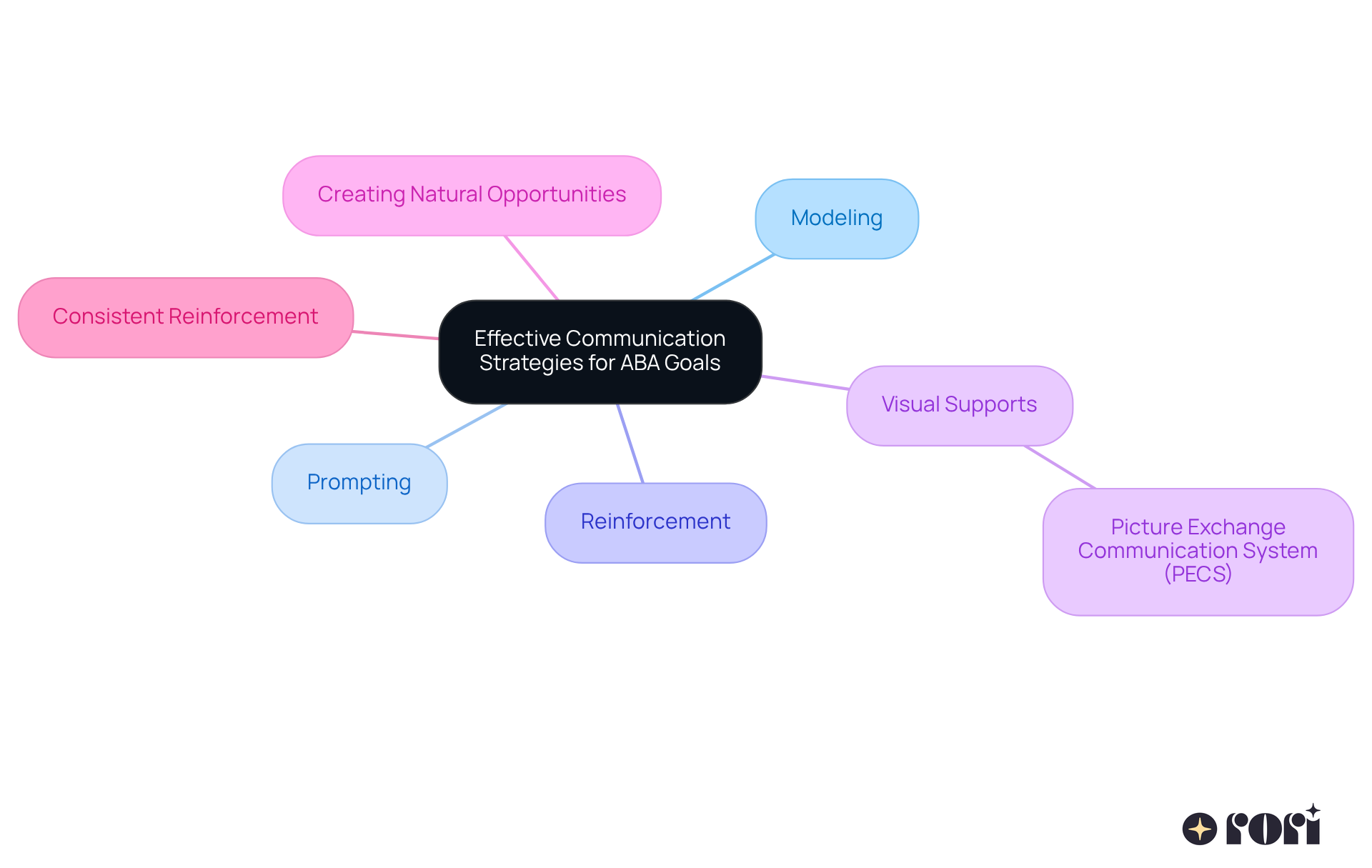
When it comes to , therapists have some great techniques up their sleeves, like modeling, prompting, and reinforcement. One standout method is using , such as the Picture Exchange Communication System (PECS). This approach has been a game-changer for non-verbal individuals, helping them more clearly. Research backs this up, showing that visual supports can really boost , and many therapists are happily into their practice.
Creating during play and everyday activities is another fantastic way to help kids develop their skills in real-life situations. It’s all about enhancing their involvement! Plus, when therapists consistently reinforce with praise or rewards, it encourages youngsters to engage even more, making them eager to .
Let’s explore this together! By understanding these strategies, you can support your child's journey toward achieving in .
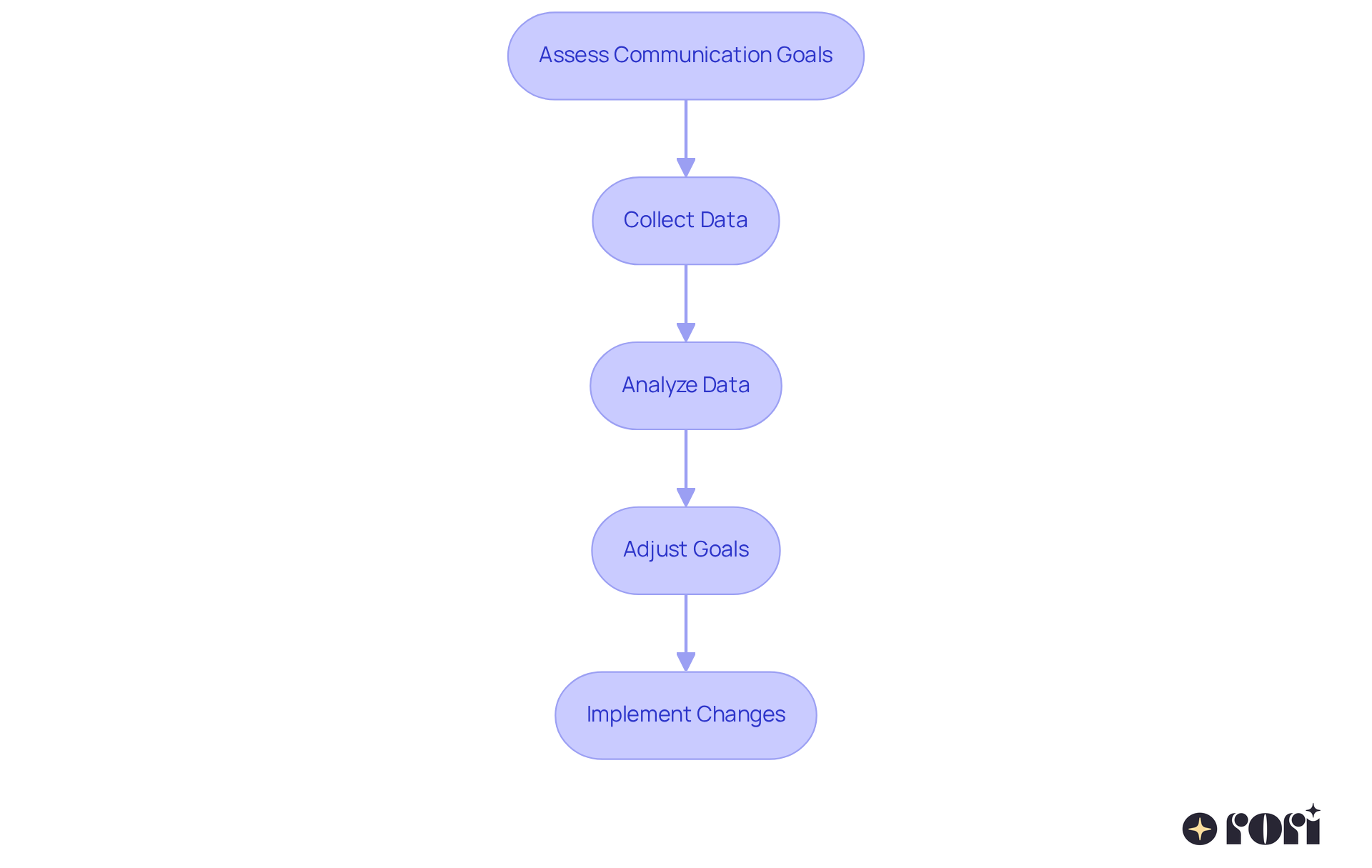
In ABA therapy, it’s essential to continuously assess and adjust the . Regular , like frequency counts and ABC charts, help us evaluate how well our strategies are working. At Rori Care, we make it easy by using automatic data collection during clinical sessions. This way, our clinical team can focus entirely on your little one without stopping to gather data or write reports.
We take seriously - everything is securely stored, anonymized, and deleted after analysis. This allows us to review progress thoroughly while keeping everything confidential. Did you know that statistics show 90% of kids make ? However, it’s also important to note that while 66% of youths referred for ABA intervention start treatment and stay involved for 12 months, only 28% complete the entire recommended dosage. This really highlights the need for therapists to .
Experts say, 'Through rigorous data collection and , ABA treatment has shown remarkable success in enhancing the lives of individuals with ASD.' For example, if a child struggles to use new vocabulary in conversations, the support team might set smaller, more achievable goals, gradually increasing the challenge. This adaptive approach ensures therapy remains aligned with each child’s evolving needs, which leads to in ABA therapy and greater engagement in the process.
It’s also crucial to avoid common pitfalls, like setting overly ambitious targets too quickly, which can lead to frustration and disengagement. By sharing - like how a child improved their conversational skills through small, incremental adjustments - parents can truly appreciate the effectiveness of this flexible approach. Let’s explore this together! We’re here to help you every step of the way!
Setting effective communication goals in ABA therapy is so important for helping your child express themselves and connect with others. By following the SMART criteria - specific, measurable, achievable, relevant, and time-bound - therapists can create a clear path that not only sets expectations but also helps track progress. This organized approach empowers children to hit important milestones, boosting their social skills and independence along the way.
Throughout this journey, we’ve highlighted how crucial it is for parents, therapists, and educators to work together in goal setting. When caregivers actively participate, it can really enhance treatment outcomes. That’s why regular communication and adjusting goals as needed is key! Plus, using effective communication strategies like visual supports and reinforcement techniques can make interactions more engaging and productive.
Looking at the bigger picture, the value of personalized communication goals in ABA therapy is huge. By focusing on collaboration and ongoing assessment, families can create a nurturing environment that supports growth, leading to lasting improvements in their child’s communication skills. Embracing these practices not only fosters individual development but also helps build a more inclusive and understanding community. Let’s engage in this journey together! By making the pursuit of communication goals a shared mission, we can help our children truly thrive.
What are communication goals in ABA therapy?
Communication goals in ABA therapy are objectives set to help young people express themselves and connect with others effectively.
What criteria should communication goals in ABA therapy follow?
Communication goals should follow the SMART criteria: Specific, Measurable, Achievable, Relevant, and Time-bound.
Can you provide an example of a communication goal in ABA therapy?
An example of a communication goal could be to help a young person ask for things using full sentences within three months.
Why are well-defined communication goals important in ABA therapy?
Well-defined communication goals are important because they set clear expectations, help track progress, and allow for necessary adjustments to the treatment plan.
How do communication goals impact the development of children in ABA therapy?
Studies show that children in ABA therapy with well-defined communication goals make significant strides in their social skills and overall development.
What is the success rate for children in ABA therapy with defined communication goals?
Success rates can soar above 90% when caregivers are actively involved in the process.
How often should communication goals be checked in ABA therapy?
It is essential to regularly check in on communication goals to avoid common pitfalls and ensure they remain relevant and achievable.