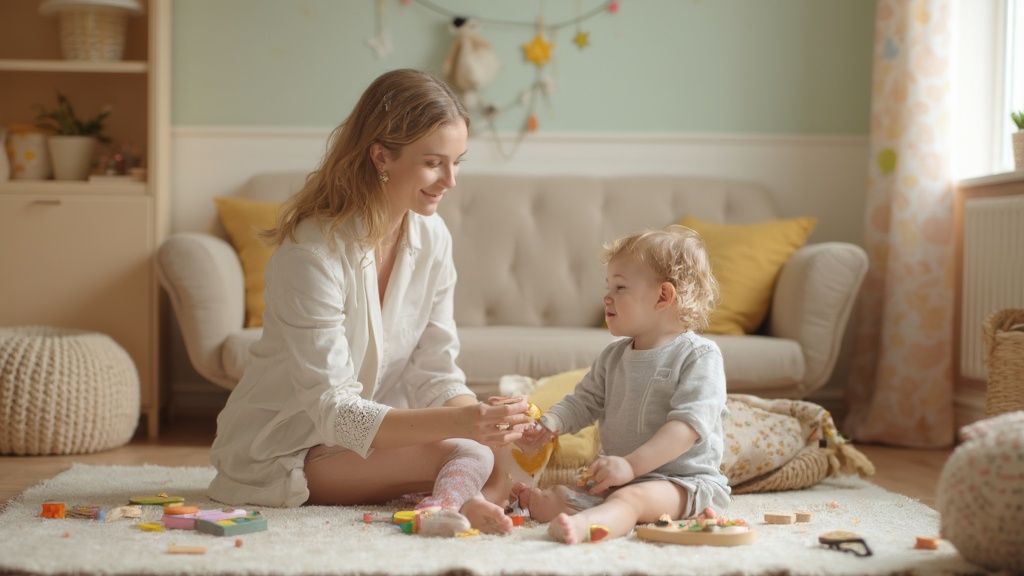
Navigating the world of friendship can feel overwhelming for children with autism. They often encounter unique challenges that make connecting with peers a bit tricky. Understanding these hurdles is key, as it opens the door to effective strategies that can help nurture meaningful relationships.
So, how can caregivers support their children in overcoming these obstacles? It’s all about creating a warm environment that promotes social skills and emotional growth. Let’s explore some practical techniques and insights that empower children with autism to build lasting friendships while navigating the complexities of social interactions. We’re here to help you every step of the way!
Navigating the complexities of friendship for children with autism can feel overwhelming. It’s important to first understand how these conditions impact relationships. For instance, children on the autism spectrum often encounter some unique challenges:
So, how can caregivers support their children? By embracing ABA principles and strategies! For example, modeling appropriate social interactions, using visual aids to boost communication, and setting up structured playdates can really help kids practice their social skills. This approach not only addresses the challenges faced by kids with developmental disorders but also fosters a supportive environment that enhances the effectiveness of interventions.
Did you know that 1 in 31 youths in the U.S. has autism? This statistic highlights just how prevalent these challenges are. By recognizing these hurdles and actively engaging in their children’s growth, parents can play a crucial role in helping their kids form meaningful friendships. Together, we can create where interpersonal skills flourish and bonds strengthen. Insights from psychologists emphasize the importance of teaching young ones to interpret cues from others, which can significantly improve their connections with peers.
Let’s explore this journey together!

Helping children with autism develop essential social skills for making friends can feel like a big task, but it’s totally doable! Here are some friendly techniques you can try, all of which can be enhanced through the principles of Applied Behavior Analysis (ABA):
By combining these techniques, you can effectively support your child in navigating the complexities of friendship for children with autism and communication. Together, let’s enhance their interpersonal skills and overall development!

To help children with autism connect socially, let’s explore some friendly strategies for creating supportive environments:
Let’s work together to create environments where our kids can thrive! If you have any thoughts or experiences to share, we’d love to hear from you!

Navigating the complexities of friendship for children with autism often presents unique challenges for them in making and keeping friends. But don’t worry! Here are some effective strategies to help navigate these obstacles together:
By implementing these strategies, you can empower your child to build meaningful friendships while navigating the complexities of friendship for children with autism with greater confidence. Let’s explore this together!

Navigating the ups and downs of friendship for children with autism can be quite a journey, right? It’s all about understanding their unique challenges and finding ways to support them. When we recognize the hurdles they face - like reading social cues, dealing with communication barriers, and managing performance anxiety - we can really help them build those meaningful connections they crave.
One great way to do this is by embracing strategies from Applied Behavior Analysis (ABA) and creating structured, supportive environments. Think about:
These techniques not only give kids a chance to practice their social skills but also create a warm atmosphere where they can truly thrive. Plus, addressing things like social misunderstandings and coping with rejection gives them the tools they need to navigate friendships more effectively.
Building lasting friendships is so important for children with autism, not just for their social growth but also for their emotional well-being. By actively engaging in their development and fostering supportive environments, we can empower these kids to overcome obstacles and form those meaningful relationships. It’s a team effort that takes patience, understanding, and commitment. Together, we can create a world where every child feels connected and can flourish. Let’s explore this journey together!
What are the main challenges children with autism face in forming friendships?
Children with autism often struggle with interpreting social cues, communication difficulties, performance anxiety, and different friendship dynamics. These challenges can hinder their ability to connect with peers.
How do children with autism interpret social cues?
Many children on the autism spectrum find it difficult to read facial expressions, tone of voice, and body language, which can lead to misunderstandings in social situations.
What communication challenges do children with autism experience?
Communication, both verbal and non-verbal, can be tricky for children with autism, making it hard for them to start or maintain conversations, which complicates their efforts to form friendships.
What is performance anxiety, and how does it affect children with autism?
Performance anxiety refers to the stress of interacting with others, which can lead some children with autism to avoid public settings altogether, isolating them from potential friendships.
How do friendship dynamics differ for children with autism?
Kids with developmental differences may form friendships based on shared interests rather than emotional connections, which can lead to misunderstandings with peers who expect more emotional engagement.
What strategies can caregivers use to support children with autism in forming friendships?
Caregivers can support children by modeling appropriate social interactions, using visual aids to enhance communication, and arranging structured playdates to help kids practice their social skills.
What role do parents play in helping their children with autism develop friendships?
Parents can play a crucial role by recognizing challenges, actively engaging in their children's growth, and creating nurturing environments that foster interpersonal skills and strengthen bonds.
What is the prevalence of autism among youths in the U.S.?
Approximately 1 in 31 youths in the U.S. has autism, highlighting the prevalence of the challenges faced by these children in forming friendships.