Navigating public spaces with a child on the autism spectrum can be quite the adventure, filled with unique challenges that many families encounter every day. Did you know that about 1 in 31 youths are diagnosed with autism? Understanding the specific needs and sensitivities of these children is key to creating positive experiences for everyone involved.
So, what can caregivers do to turn potentially overwhelming outings into enjoyable adventures? This guide is here to explore practical techniques and insights that empower parents like you to support your children effectively. Together, we can ensure that each outing is not just manageable but also enriching. Let’s dive in and discover how we can make these experiences more enjoyable for both you and your child!
Navigating public settings with a child with autism can be quite the journey. It’s important to grasp the unique traits of this condition. Did you know that about ? That really highlights how common this developmental disability is! Children with autism often have , which can make them especially sensitive to overwhelming stimuli like loud noises, bright lights, and crowded places. These sensitivities can lead to increased anxiety and discomfort, sometimes resulting in meltdowns or withdrawal in tough situations.
Take, for example, a busy shopping center. It can be a real challenge for a young person with autism. The mix of sounds, the hustle and bustle of shoppers, and those bright, flickering lights can easily trigger sensory overload. By recognizing these potential stressors, parents can anticipate challenges and prepare ahead of time. Strategies like:
can really make a difference in the experience.
Communication can also be a hurdle for children with autism, complicating their interactions in public settings. They might find it tough to read social cues or engage with peers, which can leave them feeling isolated in social situations. Understanding these behaviors is key for parents, as it helps create a that encourages positive experiences and inclusion. Rori Care emphasizes the importance of empowering caregivers with ABA principles, strategies, and data collection to effectively support their child’s behavioral goals. Plus, led by qualified therapists can really boost youngsters' social interactions and communication in group settings, fostering better relationships.
As the points out, it’s crucial for governments to commit to . By being proactive and informed, families can improve their experience while navigating public settings with a child with autism, ensuring that outings are enjoyable and less stressful for both the youth and their caregivers. Let’s explore this together! We’re here to help you every step of the way!

Preparation is key for navigating public settings with a child with autism during a successful outing. Here are some effective strategies to consider:
Let’s explore this together! Your journey in supporting your child is important, and we’re here to help you every step of the way!

When , having some handy can really enhance the enjoyment for both you and your little ones. Here are a few strategies you might find helpful:
Let’s explore these ideas together! Remember, you’re not alone in this journey, and we’re here to help you every step of the way!

After each outing, taking a moment to reflect on the experience can really help with growth and learning. Here are some friendly strategies for evaluating your adventures:
Research shows that can significantly enhance the , promoting better interactions and emotional regulation. By discussing both the good times and the challenges of with a child with autism, you can help your child build resilience and adaptability in social settings. Let’s explore this together!

Navigating public settings with a child with autism can be quite the adventure, right? It comes with its own set of challenges, but understanding these hurdles is the first step toward creating more enjoyable experiences for everyone involved. By recognizing the sensory sensitivities and communication hurdles many children with autism face, caregivers can better prepare themselves and their little ones for outings, turning potential stressors into manageable situations.
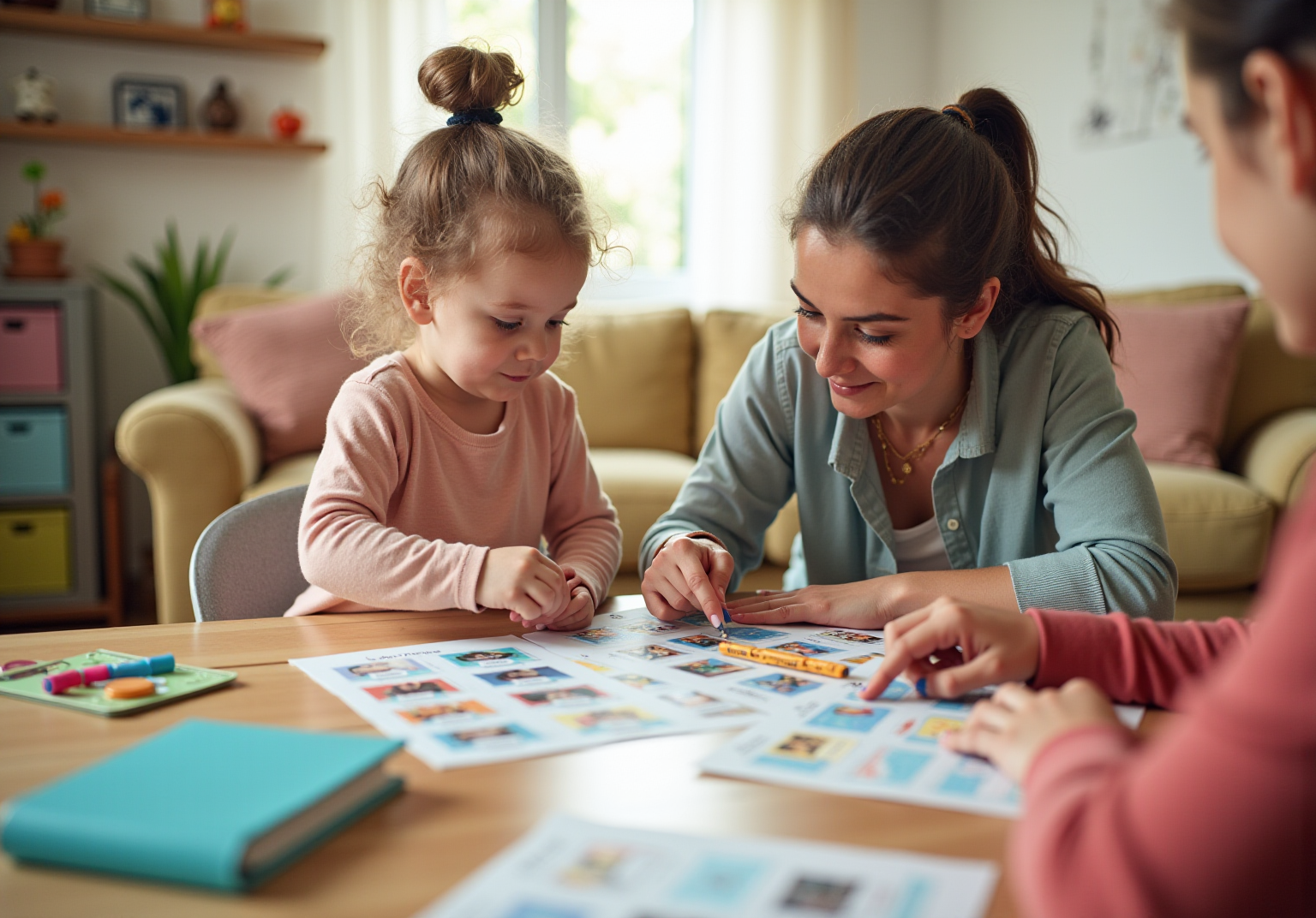
One key strategy is to prepare a visual schedule. This can really help reduce anxiety for both the child and the caregiver. Choosing the best times for outings and using sensory tools to ease overwhelming stimuli can make a world of difference. Plus, practicing deep breathing techniques and encouraging reflection after outings can help children learn and adapt, reinforcing positive behaviors and boosting their confidence. Each of these strategies contributes to a supportive environment that empowers both the child and the caregiver.
Ultimately, navigating public settings with a child with autism is a journey filled with learning, growth, and resilience. By implementing these thoughtful strategies, caregivers not only enhance their child's experience but also foster a sense of security and confidence. Embracing this journey together can lead to more fulfilling outings and deeper connections. So, let’s explore this together and make every adventure a step toward greater understanding and inclusion! We're here to help you every step of the way!
What is autism and how common is it among youths in the U.S.?
Autism Spectrum Disorder (ASD) is a developmental disability that affects communication and behavior. About 1 in 31 youths in the U.S. has ASD, highlighting its prevalence.
What are some common sensory sensitivities experienced by children with autism?
Children with autism often have sensory sensitivities, making them particularly sensitive to overwhelming stimuli such as loud noises, bright lights, and crowded places, which can lead to increased anxiety and discomfort.
How can parents prepare for outings in public settings with a child who has autism?
Parents can prepare by recognizing potential stressors and implementing strategies such as visiting during quieter hours, using noise-canceling headphones, and having a calming toolkit handy.
What communication challenges do children with autism face in public settings?
Children with autism may struggle to read social cues or engage with peers, which can lead to feelings of isolation in social situations.
How can parents create a supportive environment for their child with autism?
Understanding their child's behaviors and implementing supportive strategies can help create an inclusive environment that encourages positive experiences in public settings.
What role does Rori Care play in supporting families with children who have autism?
Rori Care emphasizes empowering caregivers with Applied Behavior Analysis (ABA) principles, strategies, and data collection to effectively support their child's behavioral goals.
How can social skills group therapy benefit children with autism?
Social skills group therapy led by qualified therapists can enhance children's social interactions and communication in group settings, fostering better relationships.
What is the role of government in improving the quality of life for people with autism?
According to the World Health Organization, it is crucial for governments to commit to improving the quality of life for people with autism to support their inclusion and well-being in society.