Master Social Stories in Occupational Therapy for Your Child

Discover effective social stories for improving children's social skills in occupational therapy.

Overview

Social stories are like personalized narratives that help children with autism navigate social situations and expectations. They’re designed to enhance interpersonal skills and ease anxiety. Imagine your child feeling more confident in social settings! When these stories are tailored to individual needs and woven into occupational therapy sessions, they can really make a difference. Research shows that kids with autism often see notable improvements in their interaction skills.

Let’s think about it: how often do you wish your child could better understand what’s happening around them? These stories can bridge that gap, making social interactions feel less daunting. By integrating them into therapy, you’re not just helping your child learn; you’re also creating opportunities for engagement and connection.

So, if you’re looking for ways to support your child, consider exploring social stories. They might just be the tool you need to help your little one thrive in social situations. We’re here to help you every step of the way!

Introduction

Navigating social interactions can be tough for kids with autism, often leaving them feeling anxious or confused in social situations. That’s where social stories come in! These personalized narratives help clarify social expectations and appropriate responses, making them a fantastic tool in occupational therapy.

By diving into the creation and use of these stories, caregivers and therapists can really boost a child’s ability to handle everyday situations. But what happens when these stories don’t quite hit the mark? 🤔 Let’s explore some common challenges and effective strategies to make social stories resonate better, paving the way for improved communication and social skills.

We’re here to help you every step of the way! Let’s explore this together!

Define Social Stories and Their Purpose in Autism Therapy

Personalized narratives are short, tailored stories designed to help children with autism understand specific social situations, behaviors, or concepts. Developed by Carol Gray in the early 1990s, these narratives clarify societal expectations and guide appropriate responses in various scenarios. The main goal of these narrative techniques is to enhance interpersonal skills, ease anxiety, and deepen understanding of social norms. By presenting information in a structured and relatable way, these narratives empower young individuals to navigate complex social interactions effectively, making them an invaluable resource in autism therapy.

For instance, imagine a narrative that prepares a child for a doctor's visit. It can outline each step of the process, including expected behaviors and reactions. This kind of preparation can significantly reduce anxiety and confusion, allowing the child to approach the situation with more confidence. Research shows that personalized narratives can lead to notable improvements in social understanding and engagement, especially when tailored to individual needs. These stories resonate more deeply with children, boosting their engagement and retention of the skills they learn.

As Carol Gray emphasizes, using two to five descriptive, perspective, or affirmative sentences for each directive sentence is key to crafting effective narratives. Working together with caregivers and professionals is crucial to ensure that the lessons learned are reinforced in real-life situations. This collaborative approach not only enhances the effectiveness of narrative techniques but also equips caregivers with ABA principles and strategies, promoting informed decision-making and better behavioral outcomes. So, narrative techniques shine brightest when integrated into a holistic approach that includes interpersonal skills group therapy led by qualified practitioners, ultimately nurturing improved communication and relationships.

Let’s explore this together! If you’re looking for ways to support your child, remember that you’re not alone on this journey.
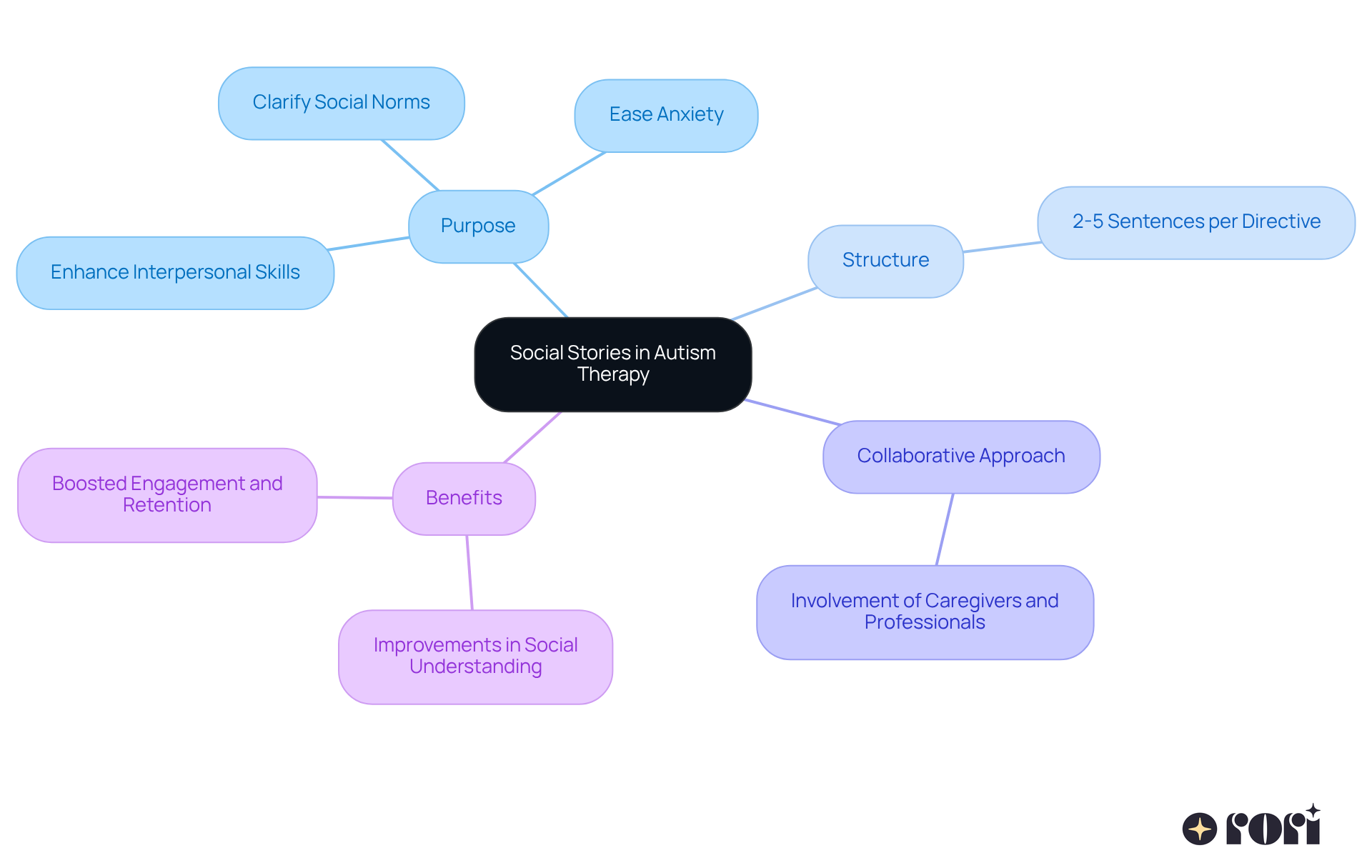
The center shows the main idea of Social Stories, while branches detail their purpose, structure, and collaborative aspects. Each section helps you understand how these narratives support children with autism in navigating social situations.

Create Effective Social Stories: Step-by-Step Process

Creating effective social stories in occupational therapy can really help enhance a child's understanding and social skills, especially when you align them with Applied Behavior Analysis (ABA) principles. Let’s break it down into some simple steps:

  1. Identify the Situation: Start by pinpointing the specific context or behavior you want to address. This could be anything from attending a birthday party to managing transitions between activities. Think about what your child might face in these situations.

  2. Gather Information: Collect relevant details about the situation, keeping in mind your child’s perspective and any challenges they might encounter. Understanding their emotions and experiences is key for impactful storytelling, especially when it comes to early intensive behavioral intervention (EIBI), which plays a vital role in enhancing learning and social abilities for individuals with autism.

  3. Write the Story: Use clear and straightforward language to craft your narrative. Structure it with a title, introduction, body, and conclusion. Include descriptive sentences that outline the events and directive sentences that suggest appropriate responses. This way, your child knows what to expect and how to react. As specialists say, 'The most impactful social narratives connect to the child’s current routine or situation.'

  4. Incorporate Visuals: Enhance your story with relevant pictures or symbols. Visual aids are super helpful in boosting understanding and engagement, making the narrative more relatable and easier to grasp. Just make sure the visuals are clear and directly linked to the text, avoiding overly complex graphics.

  5. Examine and Modify: Share the narrative with your child and ask for their input. Adjust the content as needed to ensure it resonates with their experiences and emotions. This fosters a sense of ownership and connection. It’s all about empowering caregivers to make informed decisions that positively influence their child’s progress.

  6. Practice: Engage in role-playing the scenario described in the story. This practice not only strengthens knowledge but also helps your child apply these skills in a supportive setting, making them feel more confident in real-life situations. Plus, when caregivers participate, it can lead to better behavioral outcomes, aligning with therapeutic strategies and the benefits of skills group therapy.

Research shows that a 2015 study found that half of the youths with autism who underwent social stories occupational therapy exhibited improved interaction skills. This highlights just how effective this approach can be! By following these steps, you can create personalized narratives that truly support your child's interpersonal growth and emotional management. For more insights, check out resources like "The New Social Story Book" and "Making Social Stories Work" for additional guidance on crafting effective narratives.

Let’s explore this together! We’re here to help you every step of the way!

Each box outlines a specific step in the process of creating social stories. Follow the arrows to see how each step leads to the next, guiding you through the entire journey of crafting effective narratives.

Integrate Social Stories into Occupational Therapy Sessions

To effectively integrate social stories into occupational therapy sessions, let’s explore some friendly strategies:

  1. Select Relevant Narratives: Start by picking community stories that align with your therapy goals. For example, if you’re focusing on improving social skills, choose stories that showcase interactions. This makes the learning experience more relatable and engaging!

  2. Read Together: Kick off the session by reading the social story with your child. Discuss the key points and encourage them to share their thoughts and feelings about the situation. This collaborative approach not only involves your child but also allows you to support their learning effectively.

  3. Role-Playing: After reading the story, get your child involved in role-playing the scenario. This hands-on method reinforces the ideas covered and gives them a chance to practice appropriate responses in a safe environment. Did you know that role-playing can boost interaction skills in kids with autism by up to 40%? It’s a vital part of therapy! Plus, it’s a key technique in ABA therapy, which adapts to individual needs and shows great progress when caregivers are actively involved.

  4. Utilize Visual Supports: Bring in visual aids related to the story during the session. Props or images representing characters or situations can really enhance engagement and understanding. And don’t forget to include personal interests, like animals, to make role-playing even more fun for your child, boosting their confidence and social skills!

  5. Reflect and Review: At the end of the session, revisit the story and talk about how your child felt during the role-play. Encourage them to share any challenges they faced and brainstorm how they might handle similar situations in the future. This reflective practice not only strengthens learning but also nurtures emotional regulation and problem-solving skills, which are so important for kids with autism and other social communication challenges. Plus, it highlights how crucial caregiver involvement is for effective therapy outcomes, especially since ABA therapy is the only scientifically proven treatment for autism that’s covered by insurance.

Integrating these strategies can really enhance the effectiveness of social stories in occupational therapy sessions, creating a supportive environment where young individuals can thrive. Remember, family involvement is key throughout the therapy process, as emphasized by the Autism Society of America. By empowering caregivers with ABA principles and strategies, you can actively support your child’s behavioral goals, leading to better outcomes and a more connected family dynamic. Let’s explore this together!
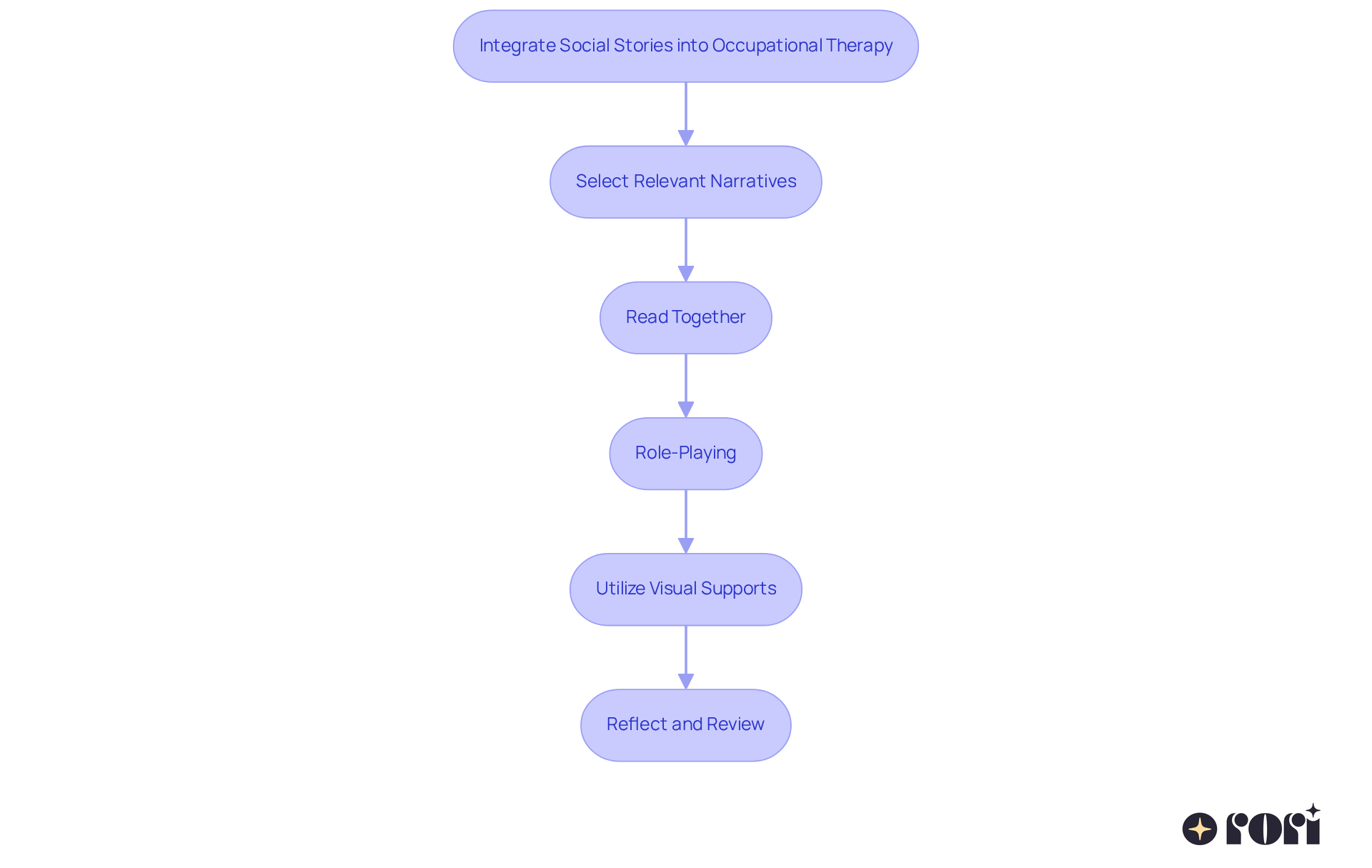
Each box represents a strategy to enhance therapy sessions with social stories. Follow the arrows to see the order in which these strategies should be applied for the best results!

Troubleshoot Common Challenges in Using Social Stories

Navigating social narratives can be a bit tricky, but with the right strategies, you can tackle these challenges head-on! Let’s dive into some common issues and how to address them:

  1. Limited Engagement: If your little one shows only a hint of interest in the story, try jazzing it up by weaving in their favorite characters or personal interests. This little touch of personalization can really boost their engagement and make the narrative feel more relatable.

  2. Difficulty Understanding: For those young learners who struggle with comprehension, keep things simple! Break the narrative into bite-sized pieces and use clear, straightforward language. Visual aids can also work wonders in helping them grasp and remember the concepts.

  3. Resistance to Role-Playing: Some kids might shy away from role-playing activities. To help them ease into it, start with simpler scenarios that build their confidence. Gradually introduce more complex situations as they become more comfortable.

  4. Generalization Issues: If your child finds it tough to apply lessons from the narrative to real life, don’t worry! Regularly revisit the story and practice those skills in different settings. This repetition can really help reinforce their learning and make it stick.

  5. Input and Adjustment: Always ask for your child’s thoughts on the narratives. If a particular story doesn’t resonate, be open to tweaking it. Flexibility can lead to better engagement and understanding.

Research shows that kids with autism often engage more when narratives are tailored to their preferences. This highlights just how important personalization is in therapy! By using these strategies, you can enhance the effectiveness of social stories, helping your child develop better communication and social skills.

Let’s explore this together! We’re here to help you every step of the way!

The central node represents the overall theme. Each branch indicates a common challenge, and the sub-branches show practical strategies to tackle those challenges. Follow the branches to see how to enhance your child's engagement and understanding.

Conclusion

Mastering social stories in occupational therapy can truly make a difference for children with autism. These personalized narratives are fantastic tools that help clarify social situations, giving kids the confidence they need to navigate their world. By using structured storytelling techniques, caregivers and therapists can craft stories that resonate with each child's unique experiences, helping them understand social norms and expectations better.

This article shares a friendly approach to creating effective social stories, highlighting how important it is for caregivers and professionals to work together. Key steps include:

  1. Pinpointing specific situations
  2. Gathering relevant details
  3. Writing clear narratives
  4. Adding visual supports
  5. Engaging in role-playing activities

It also tackles common challenges like limited engagement and comprehension difficulties, offering practical tips to overcome these hurdles. By focusing on personalization and active participation, caregivers can really enhance their child’s learning experience and therapeutic outcomes.

Ultimately, integrating social stories into occupational therapy not only helps develop essential social skills but also strengthens the bond between caregivers and children. As families embark on this journey together, they’re encouraged to embrace the collaborative nature of the process, using the insights and techniques shared here. By doing so, they can empower their children to thrive socially and emotionally, paving the way for a more connected and fulfilling life.

Let’s explore this together! We’re here to help you every step of the way!

Frequently Asked Questions

What are social stories and their purpose in autism therapy?

Social stories are personalized narratives designed to help children with autism understand specific social situations, behaviors, or concepts. Their main purpose is to clarify societal expectations and guide appropriate responses in various scenarios, enhancing interpersonal skills and easing anxiety.

Who developed social stories and when?

Social stories were developed by Carol Gray in the early 1990s.

How do social stories benefit children with autism?

Social stories benefit children by presenting information in a structured and relatable way, which helps them navigate complex social interactions, reduces anxiety, and deepens their understanding of social norms.

Can you give an example of how a social story might be used?

An example would be a narrative that prepares a child for a doctor's visit by outlining each step of the process, including expected behaviors and reactions. This preparation can reduce anxiety and confusion, allowing the child to approach the situation with confidence.

What does research say about the effectiveness of personalized narratives?

Research indicates that personalized narratives can lead to notable improvements in social understanding and engagement, particularly when they are tailored to the individual needs of the child.

What is the recommended structure for crafting effective social stories?

It is recommended to use two to five descriptive, perspective, or affirmative sentences for each directive sentence when crafting effective social stories.

Why is collaboration with caregivers and professionals important in using social stories?

Collaboration with caregivers and professionals is crucial to reinforce the lessons learned in real-life situations, enhancing the effectiveness of narrative techniques and equipping caregivers with ABA principles and strategies for better behavioral outcomes.

How should social stories be integrated into therapy?

Social stories should be integrated into a holistic approach that includes interpersonal skills group therapy led by qualified practitioners to nurture improved communication and relationships.