In Applied Behavior Analysis (ABA) therapy, the concept of 'pairing' is a crucial element that establishes a trusting connection between therapists and children with autism. This initial phase aims to create a positive association with the therapeutic setting by engaging in activities that the child finds enjoyable. By doing so, therapists lay the foundation for effective learning and motivation.
The significance of this relationship-building process is highlighted by experts who emphasize the importance of equitable and engaged participation for children with disabilities. Pairing in ABA therapy acknowledges the unique needs and strengths of each child, minimizes stress, and facilitates their active involvement in educational and social settings. Through personalized therapy plans and the integration of technology solutions, ABA therapy can be a powerful tool in supporting the growth and development of children with autism.
By leveraging individualized, enjoyable interactions and fostering a strong therapeutic bond, therapists can foster increased motivation, collaboration, skill acquisition, and generalization of skills. Additionally, pairing helps reduce problem behaviors and establishes instructional control, ensuring an equitable and supportive learning atmosphere. While there may be challenges in implementing pairing effectively, such as difficulty in establishing association and balancing demands, the expertise of seasoned professionals and the latest research findings can guide therapists in optimizing the efficacy of pairing in ABA therapy.
Ultimately, the goal is to create an environment that promotes the well-being and development of every child, allowing them to thrive in their communities.
In , the concept of 'pairing' plays a pivotal role in fostering a supportive environment for children with autism. This initial phase is critical as it establishes a . By engaging in activities that the child finds enjoyable, the therapist creates a positive association with the therapeutic setting, laying the groundwork for effective learning and motivation.
The significance of this relationship-building process is echoed by , who emphasized the importance of equitable and engaged participation for children, particularly those with disabilities. In line with Dr. Offord's vision, pairing in ABA aims to acknowledge the , minimize stress, and facilitate their active involvement in educational and social settings.
A New York state-licensed and Board-Certified Behavior Analyst, with over ten years of experience, highlights the importance of in therapy. This reinforces the notion that the therapist's approach during the pairing phase should be informed by best practices, ensuring a nurturing and constructive .
Supporting this, research emphasizes the necessity for , which can inform practices that respect and address the complexities of the condition. By establishing a solid rapport through pairing, therapists can better align their interventions with the child's preferences and needs, ultimately contributing to a fair race in their developmental journey.
Incorporating the in ABA therapy has shown to be highly effective in reinforcing and enhancing learning for children with autism. This approach utilizes a child's as a reward for completing less preferred tasks, thereby motivating them and creating a positive learning environment.
A Board Certified Behavior Analyst (BCBA) who has extensive experience in the field can devise that align with this principle. These plans are based on a of the child's unique needs and strengths. Once the goals are set, ensures that the child's progress is tracked, and strategies are tailored for optimal benefit.
Moreover, the integration of can streamline the process, ensuring high-quality, coordinated care that is responsive to the needs of both the child and their family. Flexibility in scheduling and support is a hallmark of effective therapy, recognizing that every family has unique circumstances and requirements.
Research has identified certain limitations in intervention studies for autistic children, indicating the necessity for a more critical evaluation of their effectiveness and potential risks. However, the involvement of people with autism in highlighting these concerns has been pivotal in improving research quality and respect towards the autistic community.
In summary, by leveraging individualized, technology-enhanced therapy plans that apply the Premack Principle, along with rigorous monitoring and flexibility, ABA therapy can be a powerful tool in supporting the growth and development of children with autism.
The between a child with autism and their therapist is a delicate dance of trust and positive reinforcement. The therapist, much like a pediatric occupational therapist named Kara from Florida, builds this crucial connection through a series of positive interactions. Kara's experience in fostering independence in children with autism underscores the importance of that enables trust and cooperation, fundamental elements for successful therapy. Echoing Dr. David (Dan) R. Offord's views on providing equitable opportunities for children with disabilities, the therapist's bond with the child becomes a gateway to engaged and supported participation in various life domains, promoting mental health and well-being.
A recent success story that illustrates this is the opening of a trade school for young adults with autism in Colorado. This initiative was driven by a father's desire to see his son and others like him thrive in the workforce. The school's graduates, having formed trusting relationships with their teachers, are securing jobs in trades like auto mechanics, welding, carpentry, and electrician work. This real-world application of is a testament to the potential that lies within every child when given the right support and opportunities.
In line with these real-world successes, therapists are reminded by experts, such as a New York state-licensed and Board-Certified Behavior Analyst, of the significance of creating environments that support best practices and coordinated care. The professional community is encouraged to approach families from a strength-based perspective, recognizing that even under stress, parents strive to provide the best care for their children. This ethos aligns with early relational health principles that advocate for building on the skills and knowledge families already possess.
As reported by trusted third-party sources, there's an increasing awareness of the importance of relational health between caregivers and children. The emotional and psychological connections formed in these early stages set the stage for effective therapy and the child's future development. Thus, a therapist's role in with a child is not just a prelude to therapy but a critical component of the therapeutic process itself.
Integrating can significantly enhance a child's eagerness to engage in therapy. This approach, rooted in the understanding that children with autism often face and mental health, leverages preferred activities as and positive associations with therapists. By creating an environment where therapy is associated with enjoyable experiences, children become more receptive to learning and interacting, thereby promoting in their daily lives. This method aligns with the latest shifts in autism research and care, emphasizing the importance of that consider the individual needs and strengths of each child. Through such , we can , facilitating their integration into various domains of life, from school to leisure, thus contributing to their overall well-being and family's peace of mind.
The connection between a well-established and a during sessions is critical. Such engagement not only captures the child's attention but also significantly enhances their ability to learn and acquire new skills. A strong fosters a more responsive and participative environment, where children are not only more inclined to be involved in the learning activities but are also more motivated to achieve. This is particularly beneficial in the context of autism, where is integral to . Research underscores the importance of , revealing the necessity for that prioritize the child's engagement to optimize developmental progress. It is clear that when children with autism are more invested in therapy, the likelihood of meaningful improvement in their abilities increases.
Crafting an environment that is both enjoyable and rewarding for a child with autism can play a significant role in minimizing . The joy and contentment derived from can act as natural motivators for children, encouraging them to engage in desired behaviors to continue experiencing these positive exchanges. This approach aligns with the principles of equity and mental health advocated by experts like Dr. David (Dan) R. Offord, who underscored the importance of fair and in all aspects of life for children, especially those with disabilities. It is essential to recognize the of each child, including their sensory sensitivities, to tailor interactions that reduce stress and encourage . For instance, innovative solutions like Augmented Reality (AR) applications that translate tactile sensations into visual and auditory stimuli have been developed to cater to the specific sensory preferences of children with autism, demonstrating the effectiveness of . This focus on creating supportive and understanding environments for children with autism aligns with the broader goal of in their communities.
Transferring skills learned in therapy into real-world settings is a critical step in the development of children with autism. When children form a , they are more inclined to apply what they've learned to their interactions with others. For instance, Kara, a pediatric occupational therapist from Florida, emphasizes the significance of for autistic children. She integrates therapy with everyday life skills, which has led to remarkable improvements in her young clients. This aligns with the principle that engaging in can serve as a powerful reinforcement for fostering independence. Furthermore, recent research underscores the need for intervention studies to be designed without biases and with a . The positive outcomes reported by practitioners like Kara not only highlight the importance of but also the beneficial ripple effects they can have on the broader community.
To optimize the efficacy of , it's essential to draw on the expertise of seasoned professionals who have a deep understanding of the nuances involved. A New York state-licensed and , with over ten years of experience across a spectrum of treatment environments, illustrates this point perfectly. Her approach integrates direct patient care with the development of , aimed at enhancing the coordination and quality of care. This , focused on implementing , ensures that both providers and health plans can deliver superior care with efficiency. By leveraging such comprehensive expertise, therapists can establish more , paving the way for more .
To foster a constructive therapeutic environment, it's essential to begin each session by establishing a with the child. Engage in activities that the child personally enjoys, as this enjoyment is the bedrock of a . By doing so, we not only build a strong connection but also pave the way for . This approach is underpinned by a decade of clinical expertise from a New York state-licensed and Board-Certified Behavior Analyst, who emphasizes that such are key to . Moreover, the importance of ensuring a fair and , especially those with disabilities, cannot be overstated. As highlighted by the late Dr. David (Dan) R. Offord, a child psychiatrist, the engaged and peaceful inclusion of children in various aspects of life is crucial for their mental health and overall equity in society. This is particularly pertinent for children on the autism spectrum, who may face additional challenges in social communication and behavior. Ensuring they are part of a fair 'race' in life requires recognizing their , as well as providing the necessary support to foster their development and well-being.
Fostering a child's intrinsic motivation and eagerness to participate in therapeutic sessions can be significantly enhanced by integrating their favorite activities. For instance, Kara, a pediatric occupational therapist from Florida, has experienced remarkable success by applying this principle in her work with autistic children. She highlights the importance of , drawing from her own upbringing and the positive impact it had on her development. Kara's approach resonates with the ethos of Dr. David R. Offord, who emphasized the need for , enhancing their mental health and integration into society.
In practice, this method involves identifying activities that the child naturally gravitates towards and strategically using them as . This aligns with the expertise of , who emphasize the importance of creating that are tailored to the individual's needs, ensuring high-quality, coordinated care. The evidence for such personalized interventions is robust, but it is crucial to critically evaluate these methods to ensure their effectiveness and safety.
Recent research underscores the need for careful assessment of , as many studies exhibit design flaws that obscure the true impact of these interventions. This scrutiny is not only important for the autism community but also for others . As the field continues to evolve, it is paramount that the voices of those with autism, both within and outside the research community, guide the conversation on intervention quality and respect for individuals with autism.
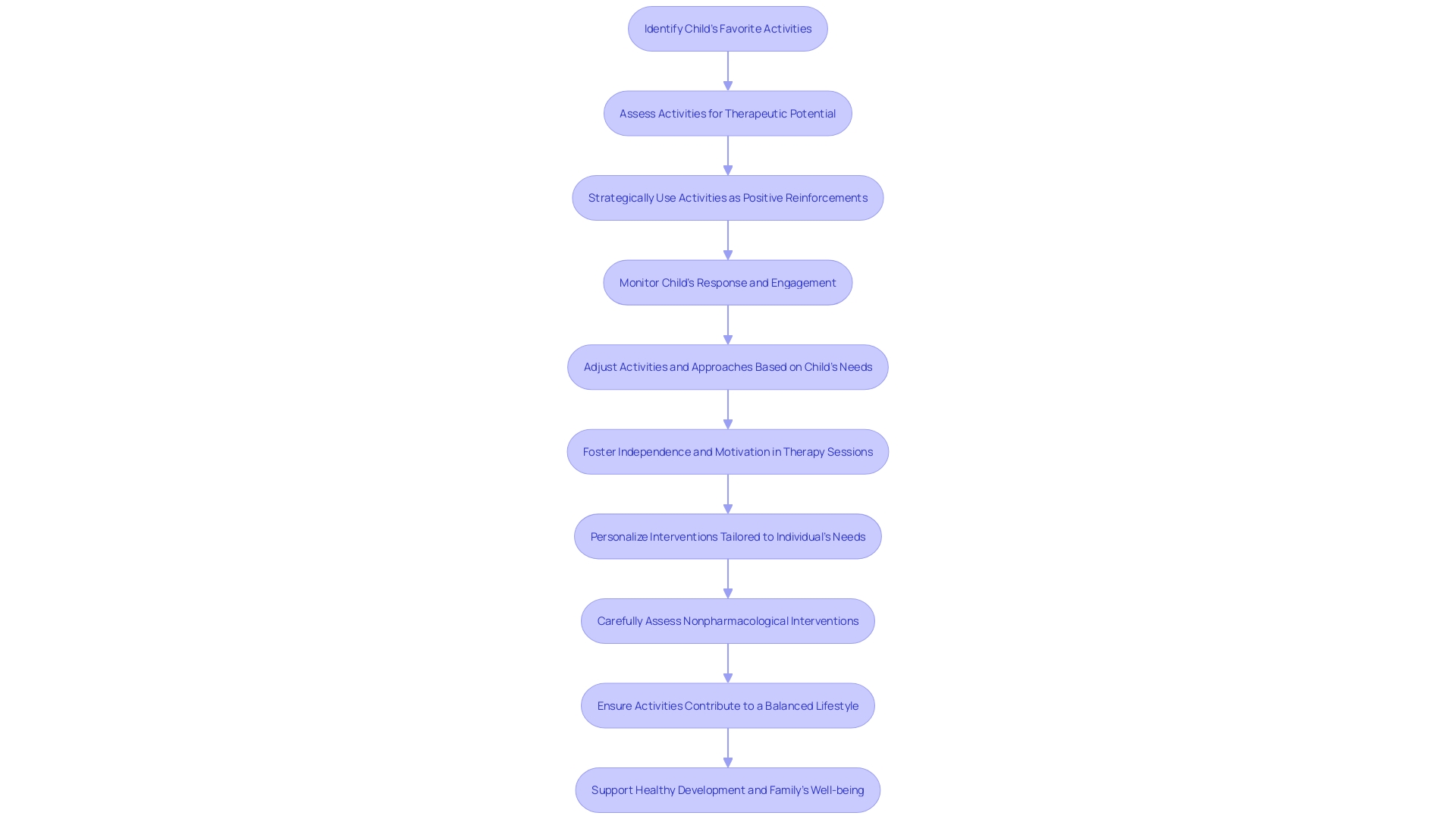
Incorporating non-contingent reinforcement such as affirmations and tangible rewards can significantly enhance the process of between a child and their therapist. By offering consistent, individualized praise and incentives that don't require a specific behavioral response, children are more likely to engage and participate willingly in therapeutic activities. This approach aligns with Dr. David (Dan) R. Offord's view on creating equitable conditions for all children, particularly those with disabilities, allowing them to be fully integrated and actively involved in key aspects of their lives.
Moreover, recent shifts in autism research methodologies underscore the importance of . Clinicians now increasingly rely on randomized controlled trials over quasi-experimental studies to choose effective interventions. This rigorous approach to research aids in identifying , ensuring that children with autism receive the best possible support.
Furthermore, the creation and enhancement of technology solutions by seasoned professionals, such as with extensive clinical knowledge, are paving the way for high-quality, coordinated care. These technological advancements are tailored to meet the unique sensory needs of autistic children, transforming potential stressors into manageable experiences, as demonstrated in the prototyping of an AR application for dental visits. Such innovations are not only fostering best practices but are also streamlining the care review processes to benefit children, their families, and healthcare providers alike.
Crafting an engaging and supportive learning atmosphere is essential for children, particularly for those with autism who may have . Integrating the into this environment involves introducing tasks and instructions progressively, ensuring that they are interspersed with more favored activities. This method not only fosters a but also reinforces the idea that acquiring new skills can be an enjoyable process. By acknowledging the strengths and capabilities that children with autism bring to their communities, as emphasized by the late Dr. David (Dan) R. Offord, we can work towards creating equitable opportunities for all children, including those with disabilities. This approach aligns with the latest findings in autism research, which underscore the importance of and that lead to significant and enduring improvements in the lives of autistic individuals. Addressing the complex nature of autism, which often includes co-occurring intellectual disabilities and emotional and behavioral challenges, requires a that reduces stress for both the child and their caregivers. It's through this nurturing and informed approach that we can help ensure every child has a fair chance to thrive in their educational journey.

When implementing as a technique in , it's paramount to consider the intricacies and potential hurdles that may arise. A Board-Certified Behavior Analyst with over ten years of experience emphasizes the significance of leveraging , ensuring that care is both . Moreover, recent intervention studies have highlighted common design flaws that can obscure the effectiveness and safety of . This insight is critical for understanding the impact of pairing and other therapeutic strategies. By critically evaluating such intervention research, practitioners can better gauge the scope of change expected and avoid potential harm, all while upholding respect for individuals with autism. Thus, addressing these challenges judiciously is essential for the enhancement and efficacy of pairing in ABA therapy.
Establishing an effective between a practitioner and an autistic child can be a complex process that necessitates dedication and perseverance. Through consistent effort, the child gradually develops with the therapist, which is vital for successful outcomes. Kara, a pediatric occupational therapist, emphasizes the importance of in her practice. She observes that today's children, especially those with autism, often lack the opportunities to learn self-reliance. By focusing on , she has witnessed remarkable progress in her patients, such as an 11-year-old girl with anxiety who showed significant improvements.
Current research underlines the necessity for clinicians to base interventions on the . Randomized controlled trials have become the gold standard in autism research, highlighting the shift towards more rigorous scientific scrutiny. This shift ensures that therapies provided are not only effective but also safe for the children and supportive of their caregivers. A with over a decade of experience points out the critical role of technology in enhancing therapy quality and coordination, underscoring the need for best practices in care.
The mental health and equity of children with disabilities depend on their active and well-supported participation in all life domains. Dr. David (Dan) R. Offord, a renowned child psychiatrist, famously stated that the metaphorical 'race' of growing up should be fair for all children, including those with disabilities. This involves acknowledging their unique needs and strengths, minimizing stress, and providing caregivers with the necessary resources to nurture their children's development effectively.
In conclusion, patience and persistence in building therapeutic relationships can lead to in a child's independence and overall mental health. Backed by the latest scientific research and technological advancements, therapists and caregivers can work together to create an equitable environment that promotes the well-being of all children.
Striking the appropriate equilibrium between engaging activities and the introduction of new demands can indeed pose a challenge. It is essential to incorporate these demands incrementally to maintain a child's enthusiasm for therapy sessions. Dr. David (Dan) R. Offord, a respected child psychiatrist, underscored the importance of fair and in all areas of life for children with disabilities, which is vital for their mental health and societal equity. As a New York state-licensed and Board-Certified Behavior Analyst with extensive experience in clinical care and care management, the emphasis is on creating that facilitate coordinated, . In line with the latest research trends, interventions are chosen based on rigorous randomized controlled trials, ensuring that the most effective practices are implemented. These advancements, combined with the utilization of to predict significant behaviors, as demonstrated by Theresa Hamlin, Ed.D., at The Center for Discovery, are revolutionizing the approach to . By acknowledging the unique tactile sensitivities of individuals, such as the design of an to transform tactile feedback into visual and auditory signals, customized strategies can be developed to enhance the therapeutic experience and promote .
When tailoring for children with autism, it's crucial to initiate demands judiciously during the pairing process. Observing the child's current engagement and motivation is key to determining the appropriate time to increase demands. Successful interventions require an understanding of the child's unique strengths and addressing any unmet needs. Dr. David (Dan) R. Offord emphasized the importance of for children with disabilities, including those with autism, to support their mental health and well-being. This approach aligns with recent shifts in autism research methodologies, where the efficacy of interventions is now more rigorously assessed through , providing caregivers with the most effective strategies to . Moreover, leveraging , as done by The Center for Discovery, informs , promoting inclusion and participation in daily social settings.
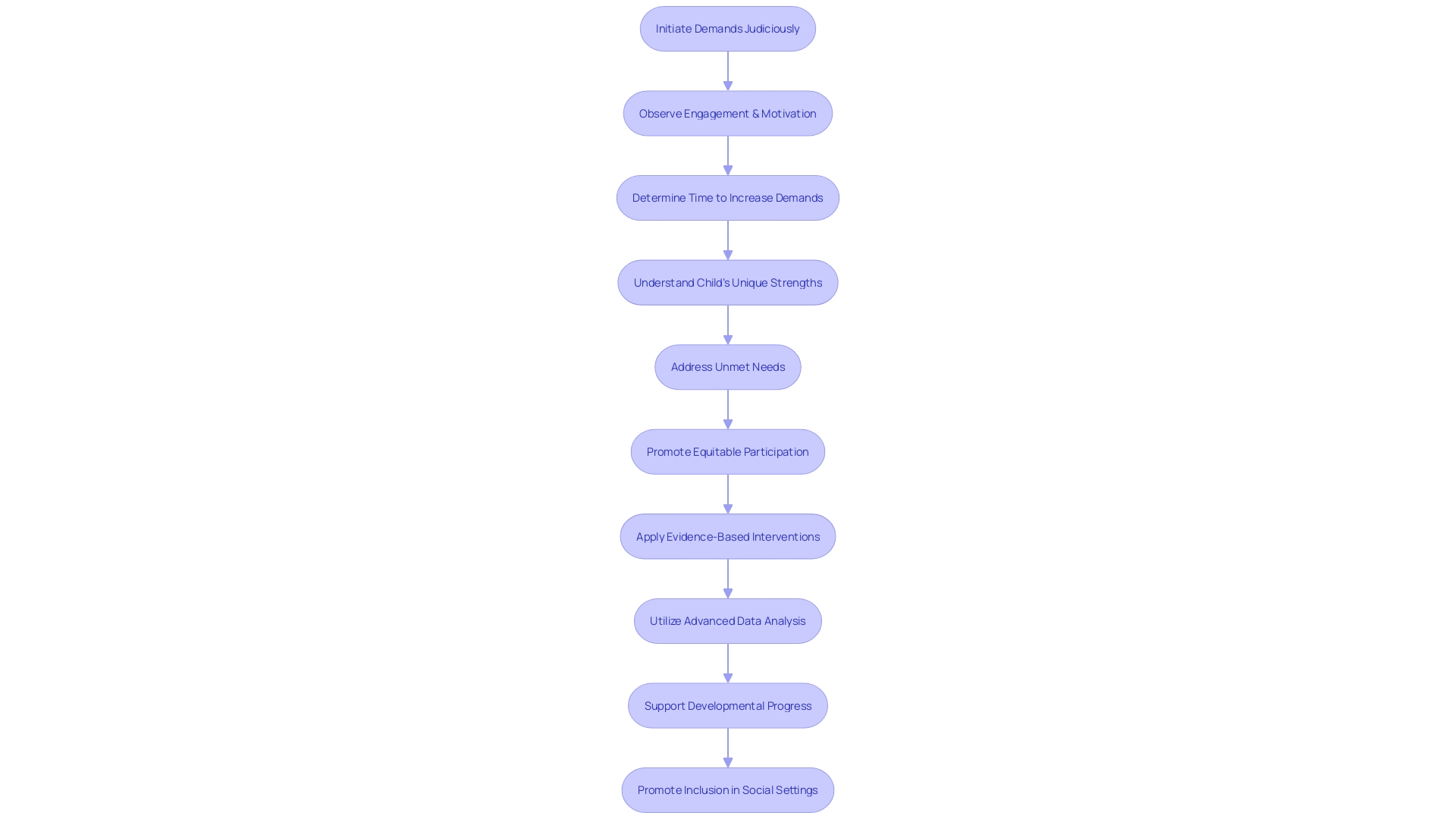
Adjusting therapeutic strategies to align with the dynamic interests of children is vital for fostering their engagement and fostering . This is particularly crucial for , who may have . For example, an autistic child may initially find comfort in the consistency of certain activities but later develop a new set of favored experiences. to these evolving preferences not only respects the child's autonomy but also enhances their willingness to participate in less preferred activities, utilizing the effectively. This approach mirrors the thoughtful adaptation seen in innovative technological solutions, such as the AR application designed to translate tactile sensations into visual and auditory stimuli for dental patients with sensory sensitivities. By remaining attuned to changes in a child's interests and adapting accordingly, that acknowledges the child's individuality and promotes their mental health and social inclusion.

To gauge the effectiveness of therapeutic interventions for , it is vital to monitor their level of participation, willingness to cooperate, and display of throughout sessions. These indicators are not only measures of the child's progress but also reflect the success of the , known as pairing, between the child and the therapist. By continuously observing and recording these factors, therapists can analyze trends over time, enabling them to adjust strategies to better meet the of the child. This tailored approach ensures every child has an to thrive, aligning with the vision of equity in child development as emphasized by the late Dr. David (Dan) R. Offord. His assertion that all children should have a fair chance in the 'race' of growing up is a poignant reminder of the importance of inclusivity and support for children with disabilities, particularly those with autism who may face additional challenges in social communication and behavior. The commitment to and ongoing research, including randomized-controlled trials, underpins the continuous improvement of interventions designed to enhance meaningful and mental health of children with autism.
Pairing in Applied Behavior Analysis (ABA) therapy is a crucial element that establishes a trusting connection between therapists and children with autism. By engaging in enjoyable activities, therapists create a positive association with the therapeutic setting, laying the foundation for effective learning and motivation. This relationship-building process acknowledges the unique needs and strengths of each child, minimizing stress and facilitating their active involvement in educational and social settings.
Through personalized therapy plans and the integration of technology solutions, ABA therapy can support the growth and development of children with autism.
Pairing in ABA therapy fosters increased motivation, collaboration, skill acquisition, and generalization of skills. By integrating enjoyable activities and fostering a strong therapeutic bond, therapists create an environment that promotes equitable and supportive learning. Pairing also helps reduce problem behaviors and establishes instructional control, ensuring a nurturing atmosphere for children with autism.
While there may be challenges in implementing pairing effectively, such as difficulty in establishing association and balancing demands, the expertise of seasoned professionals and the latest research findings can guide therapists in optimizing the efficacy of pairing in ABA therapy. The goal is to create an environment that promotes the well-being and development of every child, allowing them to thrive in their communities.
By leveraging individualized, enjoyable interactions and fostering a strong bond, therapists empower children with autism and their families with valuable insights and expert advice. This informative, authoritative, and knowledgeable tone of voice aims to provide parents with valuable insights and empower them with expert advice.
What is 'pairing' in ABA therapy?
Pairing in Applied Behavior Analysis (ABA) therapy is the process of establishing a trusting and positive relationship between the therapist and the child with autism. It involves engaging the child in enjoyable activities to create a supportive environment that lays the foundation for effective learning and motivation.
Why is pairing important in ABA therapy?
Pairing is crucial because it helps to build a strong rapport between the child and therapist, which is essential for the child’s active involvement and cooperation in the therapeutic process. It minimizes stress and facilitates a child's engagement in educational and social settings.
How does pairing benefit children with autism?
Pairing can enhance learning by using preferred activities as rewards (Premack Principle), increase motivation and collaboration, improve skill acquisition, reduce problem behaviors, and help generalize skills to real-world settings.
What is the Premack Principle and how is it used in ABA therapy?
The Premack Principle is an approach that uses a child's preferred activities as a reward for completing less preferred tasks. It is used in ABA therapy to motivate children and create a positive learning environment, thereby reinforcing positive behavior.
How does technology enhance ABA therapy?
Technology can streamline therapy sessions, ensure high-quality and coordinated care, offer flexible scheduling, and support tailored to a child's sensory needs. It includes advancements like Augmented Reality (AR) applications catering to specific preferences.
Can you give an example of how pairing has been applied successfully?
A trade school for young adults with autism in Colorado exemplifies successful pairing, where students formed trusting relationships with their teachers, leading to their securement of jobs in various trades.
What professional expertise is involved in effective pairing?
Experienced Board-Certified Behavior Analysts (BCBAs) are involved in designing and implementing therapy plans aligned with best practices. They assess the child's needs and monitor progress to ensure the therapy is individualized and effective.
How do therapists implement pairing effectively?
Therapists engage in activities that the child enjoys to establish a positive connection. They use client-preferred activities and non-contingent reinforcement like praise and rewards to build trust and rapport without demanding specific behavioral responses.
What are common challenges with pairing in ABA therapy?
Challenges include establishing an effective therapeutic relationship, balancing pairing with the introduction of demands, adapting to the child's changing preferences, and measuring the success of pairing through participation and positive behaviors.
How is success in pairing measured?
Success in pairing is measured by the child's level of participation, willingness to cooperate, display of positive behaviors, and the ability to generalize skills learned in therapy to other settings. Continuous observation and trend analysis help therapists adjust strategies to meet the child's needs.