Introduction
Potty training can feel like a rollercoaster ride for parents of autistic children, especially when setbacks happen. Recognizing when your child is ready and building those essential skills can really make a difference, helping you tailor your approach to their unique needs.
So, how can you help your little one bounce back and feel confident during this important time? In this guide, we’ll share some practical tips and insights to help you and your child transition from diapers to independence with a little more ease.
Assess Readiness: Identify Skills and Conditions for Potty Training
Wondering if your little one is ready to ditch the diapers? Let's take a look at some signs that can help you decide!
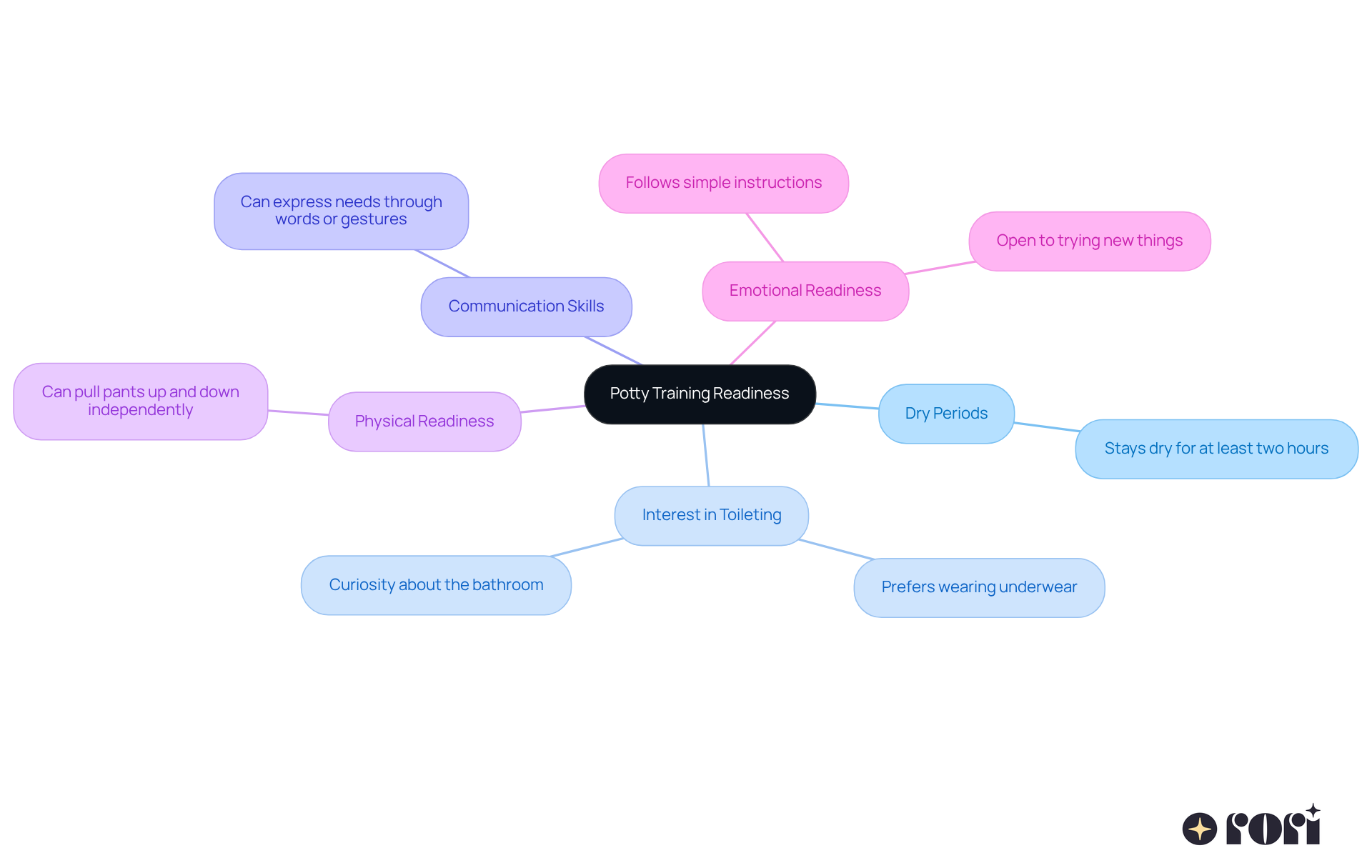
- Dry Periods: Notice if your child stays dry for at least two hours during the day or after naps. This can be a good sign of developing bladder control.
- Interest in Toileting: Is your little one curious about the bathroom? If they prefer wearing underwear instead of diapers, that interest can be a strong motivator!
- Communication Skills: Make sure your child can express their needs, whether through words or gestures. This is super important for letting you know when they need to use the toilet.
- Physical Readiness: Can your child pull their pants up and down by themselves? This skill is key for successful toilet use.
- Emotional Readiness: Look for signs of emotional maturity, like following simple instructions and being open to trying new things.
Incorporating ABA strategies can really help with potty training. For example, using positive reinforcement when your little one successfully uses the toilet can encourage them to keep it up! Plus, establishing a consistent routine around toileting can help them understand what to expect and build their confidence.
By spotting these signs, you can confidently start the potty training journey, tailoring your approach to fit your child's unique needs. Just remember, every child is different, especially those on the autism spectrum, so take your time and trust your instincts, particularly when dealing with autistic child potty training regression. We're here to help you every step of the way!
Develop Essential Skills: Focus on Dressing and Hand-Washing
Potty training can feel like a big adventure for both you and your little one! To effectively prepare your child for this journey, let’s focus on developing some essential skills together:
- Dressing Skills: Start by teaching your child how to pull their pants up and down. Choose loose-fitting clothing that’s easy to manage, especially if they have any sensory sensitivities. Visual aids, like fun posters showing the steps of dressing, can really help guide them through the process. When you understand these principles, it can really help you support your child!
- Hand-Washing Skills: Let’s not forget how important it is to wash hands after using the toilet! To make this routine enjoyable, why not incorporate songs or engaging visuals that help your little one remember to wash their hands for the recommended 20 seconds? Show them how it’s done and encourage them to imitate your actions. With these strategies in mind, you can make informed decisions that positively affect your child’s progress.
- Practice Sessions: Set aside some time for practice sessions where your child can dress and undress in a relaxed environment. Celebrate their achievements, no matter how small, to build their confidence. Remember, accidents are a normal part of the learning process, particularly when dealing with autistic child potty training regression, so reassure your little one that it’s okay to make mistakes. Getting involved in these sessions can lead to better outcomes, as using therapeutic strategies often results in lasting improvements.
- Routine Establishment: Try to weave these skills into your daily routines, making them feel natural and fun! For instance, getting dressed in the morning or washing hands after meals can reinforce their importance and help your child become more independent. Engaging dads in the potty training process can also provide unique support for your little one. The knowledge and skills you gain through caregiver education can boost your confidence, making it easier to support your child and enhancing family dynamics.
By concentrating on these vital abilities, your child will feel more confident and ready to tackle potty training!

Potty training can feel like a big adventure for both you and your little one! Here are some handy tools and rewards to make the journey smoother:
- Potty Chair or Seat: Choose a potty chair that feels comfy and fun for your child. If they prefer, a seat reducer can help them feel secure on the regular toilet.
- Step Stool: A sturdy step stool lets your little one reach the restroom and sink easily, encouraging them to be more independent.
- Training Pants: Look for training pants that are easy to pull up and down, helping your child transition from diapers to underwear with confidence.
- Visual Aids: Create a colorful visual schedule or chart that outlines the steps of using the toilet. This can help your child grasp the process better.
- Rewards System: Think about setting up a fun rewards system with stickers, little toys, or extra playtime for those successful potty moments! Celebrate every achievement right after they use the potty, as this reinforces positive behavior. Did you know that while 79% of kids with autism reach daytime dryness by age 5, nearly half of them might still face challenges related to autistic child potty training regression? It’s a journey, and every child is different!
- Cleaning Supplies: Keep some cleaning supplies handy for those little accidents, so you can handle them with ease and keep the mood light! Staying calm during accidents is key to helping your child feel confident and make progress. Plus, don’t forget to let your kid's school and daycare know about the potty training process. This way, they can support your little one in different settings.
Remember, every step forward is a reason to celebrate, no matter how small!

Implement Gradual Expectations: Increase Requirements for Rewards
Potty training can feel like a big mountain to climb, but with the right steps, you can make it a little easier for your child! Here are some friendly tips to help you along the way:
- Start Small: Begin with simple tasks, like having your child sit on the potty for a few minutes, even if they don’t need to go. Gradually increase the time they spend in the restroom as they get more comfortable. Keep in mind that autistic child potty training regression might occur in kids with ASD due to their sensory sensitivities, making using the toilet a bit tricky for them.
- Set Incremental Goals: Establish small, achievable goals for your little one, like using the bathroom once a day. As they hit these milestones, you can gently raise the bar, aiming for multiple trips to the toilet each day. Did you know that about 79% of kids with autism are dry during the day by age 5? This shows how important it is to tailor your approach to your child's needs!
- Use a Reward System: Tie rewards to these incremental goals. For instance, if your child successfully uses the toilet three times in a single day, they can earn a sticker or a small treat. This not only reinforces their progress but also keeps them motivated, just like behavior analysts suggest with positive reinforcement.
- Monitor Progress: Keep track of your child’s successes and setbacks. Celebrate every achievement, no matter how small, and offer encouragement during tough times. This helps build resilience and confidence, which are key in the potty training journey. Also, watch for any signs of distress during elimination, like constipation or pain, and don’t hesitate to reach out to your pediatrician. Here at Rori Care, we make sure to adjust our plans based on how your child is doing, so we can meet their unique needs!
- Adjust Expectations: Be flexible with your expectations based on your child’s comfort level and progress. If they experience a setback during autistic child potty training regression, revisit earlier steps to reinforce their skills without adding pressure. Remember, every child is unique, and your patience and understanding can make all the difference in their potty training journey!

Stay Positive: Manage Accidents and Encourage Resilience
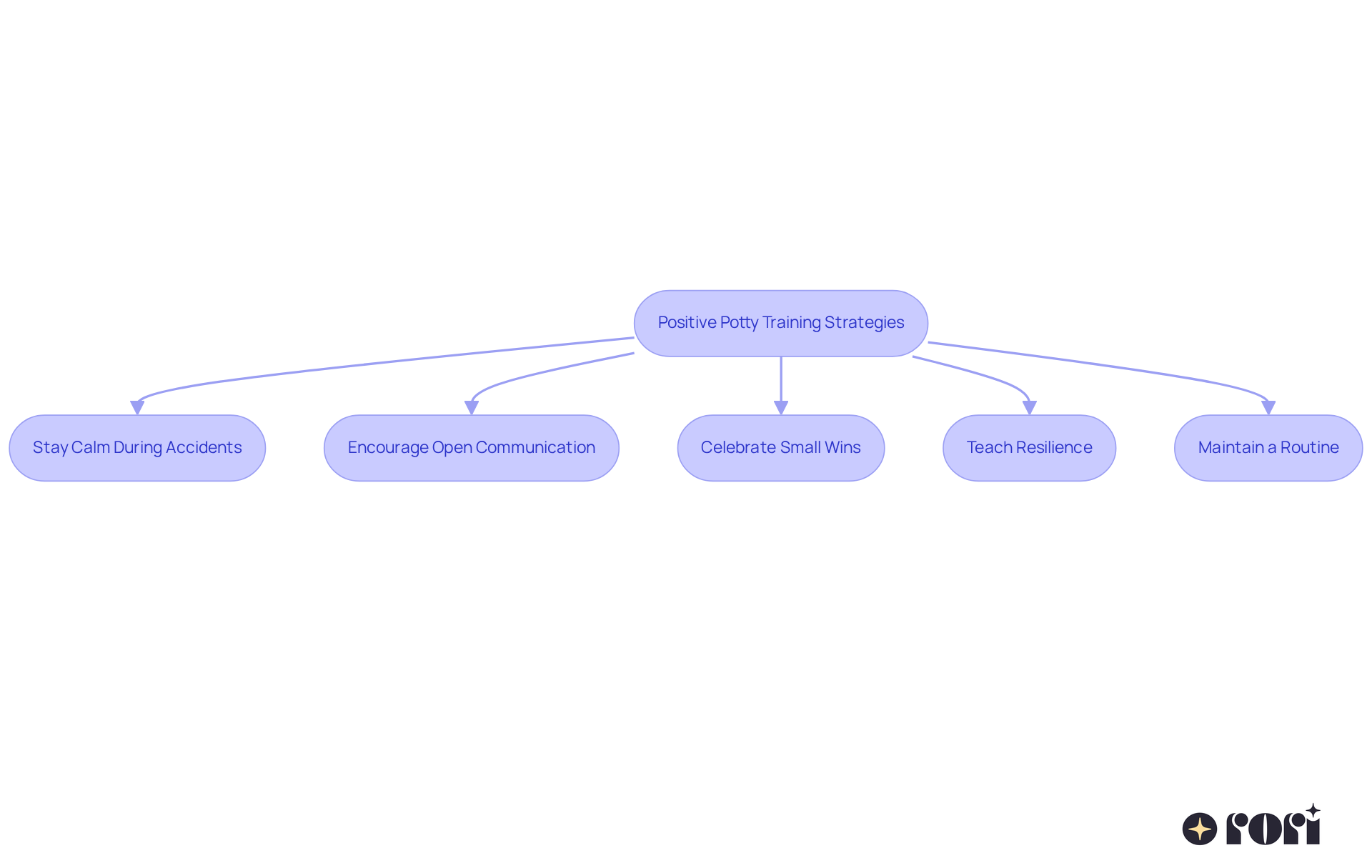
Potty training can feel like a rollercoaster ride, can’t it? To create a positive potty training experience, focus on these strategies:
- Stay Calm During Accidents: It’s common for kids to have accidents while learning, and that’s perfectly okay! When they happen, respond calmly and without punishment. Just say, 'It’s okay, let’s get you cleaned up.' This approach helps your little one feel secure and reduces anxiety, creating a safe space for them to learn.
- Encourage Open Communication: Make sure your child feels comfortable expressing their needs. Encourage them to let you know when they need to go, reassuring them that it’s totally fine to ask for help. This open dialogue is crucial for successful potty development and aligns with the informed decision-making that comes from caregiver education in ABA principles.
- Celebrate Small Wins: Acknowledge and celebrate every success, no matter how small! Use praise, high-fives, or little rewards to reinforce positive behavior and build your child’s confidence. When kids feel good about their progress, it really boosts their confidence!
- Teach Resilience: Help your child understand that setbacks are part of learning. Encourage them to try again after an accident, emphasizing that practice makes perfect. This mindset can greatly improve their resilience throughout the development process, empowering you to assist your child’s journey effectively.
- Maintain a Routine: Consistency is key in potty training. Establish a routine that includes regular bathroom breaks, which can help your child anticipate when it’s time to go and reduce accidents. Gradually increasing the time they sit on the toilet can also aid in this process, eventually leading to successful toilet use.
It’s important to note that over 50% of individuals with ASD may present with toileting issues, which highlights the significance of addressing autistic child potty training regression. With these strategies, you’re setting the stage for a smoother potty training journey and a more confident child!
Conclusion
Potty training can feel like a rollercoaster ride, especially for parents of autistic children! Every child is unique, and getting to know their needs can really help them feel more confident and independent. Look for signs that show your child is ready, work on those dressing and hygiene skills, and gather some fun tools and rewards to keep them motivated!
Implementing gradual expectations allows for a more tailored approach, helping children build confidence while managing setbacks. Remember, it’s all about maintaining a positive attitude during accidents and celebrating those small victories. This not only reinforces resilience but also promotes a sense of security.
Ultimately, potty training isn’t just about achieving dryness; it’s a wonderful opportunity for growth and connection! By using these strategies and staying patient, you can turn this milestone into a positive experience that lays the foundation for greater independence in the future. So, let’s celebrate every little victory together, knowing that each step brings us closer to independence!
Frequently Asked Questions
What signs indicate that a child is ready for potty training?
Signs of readiness include staying dry for at least two hours, showing interest in toileting, having communication skills to express needs, being able to pull pants up and down independently, and demonstrating emotional maturity by following instructions and trying new things.
How can ABA strategies assist in potty training?
ABA strategies can help by using positive reinforcement when a child successfully uses the toilet and establishing a consistent routine around toileting to help them understand what to expect and build confidence.
What essential skills should be developed before starting potty training?
Essential skills include dressing skills, where the child learns to pull pants up and down, and hand-washing skills to ensure proper hygiene after using the toilet.
How can parents make hand-washing enjoyable for children?
Parents can incorporate songs or engaging visuals to help children remember to wash their hands for the recommended 20 seconds and encourage them to imitate their actions.
What should parents do during practice sessions for potty training?
Parents should set aside time for practice sessions where the child can dress and undress in a relaxed environment, celebrate their achievements to build confidence, and reassure them that accidents are normal during the learning process.
How can routines be established to support potty training?
Routines can be established by incorporating dressing and hand-washing into daily activities, making them feel natural and fun, and engaging dads in the potty training process to provide unique support.
Why is it important to tailor the potty training approach to each child?
Every child is different, especially those on the autism spectrum, so it’s important to take time and trust instincts when addressing their unique needs and potential potty training regressions.
List of Sources
- Assess Readiness: Identify Skills and Conditions for Potty Training
- 5 Signs of Potty-Training Readiness | Lullaby Earth (https://lullabyearth.com/blog/signs-of-potty-training-readiness?srsltid=AfmBOoqpabj3jYL7eu4nVjXlecBOsdkyBoHngPeyDDGI8Oay7-wCInbz)
- Toilet Training and Autism (https://medium.com/autisticaldata/toilet-training-and-autism-e71d122dc2c9)
- What to Know About Toilet Training Your Child with Autism - SPARK for Autism (https://sparkforautism.org/discover_article/toilet-training-autism)
- Develop Essential Skills: Focus on Dressing and Hand-Washing
- Hand Washing and Potty Training: Creative Ideas and Tips (https://gopottynow.com/hand-washing-and-potty-training-creative-ideas-and-practical-tips)
- Tips for Self-Dressing Skills - Project Play Therapy (https://projectplaytherapy.com/tips-for-self-dressing-skills)
- Dressing Skills for Children with Autism – Pinnacle Blooms (https://pinnacleblooms.org/skills/dressing-skills)
- How Can ABA Help with Dressing and Undressing? (https://bluegemsaba.com/how-can-aba-help-with-dressing-and-undressing)
- How ABA Supports Independent Dressing & Hygiene | Kids Club ABA (https://kidsclubaba.com/daily-living-skills-aba-how-to-build-independence-in-dressing-and-hygiene)
- Gather Tools: Assemble Equipment and Rewards for Motivation
- What to Know About Toilet Training Your Child with Autism - SPARK for Autism (https://sparkforautism.org/discover_article/toilet-training-autism)
- Toilet Training and Autism (https://medium.com/autisticaldata/toilet-training-and-autism-e71d122dc2c9)
- 20 Rewards That Will Help Your Child Master Potty Training, According to Doctors (https://whattoexpect.com/toddler/potty-training/potty-training-rewards)
- The Most Effective Potty Training Rewards (https://kandookids.com/potty-training-rewards)
- DIY Potty Training Rewards & Incentives | Pull-Ups® US (https://pull-ups.com/en-us/resources/making-potty-training-fun/rewards-incentives/potty-training-rewards-incentives)
- Implement Gradual Expectations: Increase Requirements for Rewards
- Toilet Training and Autism (https://medium.com/autisticaldata/toilet-training-and-autism-e71d122dc2c9)
- Toilet Training in Children with Autism Spectrum Disorder (https://consultqd.clevelandclinic.org/toilet-training-in-children-with-autism-spectrum-disorder)
- Potty Training: Top Strategies for a Smooth Transition - Pediatric Telehealth of Colorado (https://pediatrictelehealth.co/2025/02/15/potty-training-top-strategies-for-a-smooth-transition)
- Best ABA Quotes (https://testpreptech.com/post/best-aba-quotes)
- Stay Positive: Manage Accidents and Encourage Resilience
- What to Know About Toilet Training Your Child with Autism - SPARK for Autism (https://sparkforautism.org/discover_article/toilet-training-autism)
- Toilet Training in Children with Autism Spectrum Disorder (https://consultqd.clevelandclinic.org/toilet-training-in-children-with-autism-spectrum-disorder)
- Toilet training interventions for children with autism spectrum disorder: A systematic review (https://sciencedirect.com/science/article/abs/pii/S1750946722001362)
- Toilet Training and Autism (https://medium.com/autisticaldata/toilet-training-and-autism-e71d122dc2c9)
- 61 Encouraging Potty Training Quotes To Keep You Smiling | Training quotes, Potty training humor, Potty training (https://ca.pinterest.com/pin/61-encouraging-potty-training-quotes-to-keep-you-smiling--87679523989252584)