Customized ABA therapy programs are integral to the effective treatment of autism, recognizing that every child is unique and thus requires a tailored approach. Catering to individual strengths and challenges, these programs are designed to directly address the child's personal goals, leading to more significant and impactful developmental progress. By refining the therapy to suit individual needs, it not only respects the child's neurodiversity but also maximizes the potential for progress within their social, academic, and personal lives.
The need for personalized programs is underscored by recent research indicating that not all intervention studies for autistic children meet the necessary criteria for effectiveness, potentially leading to ineffective or even harmful outcomes. Additionally, the rise in autism prevalence reflects the diverse spectrum of the condition, necessitating varied intervention methods. Incorporating the social model of disability, which views it as a result of societal structures rather than purely a medical issue, further supports the imperative for tailored ABA programs.
This approach advocates for a shift in societal expectations and practices, rather than placing the onus solely on the individual to adapt. Embracing this model within autism diagnosis and treatment emphasizes the need for programs that not only acknowledge but actively incorporate the unique identity and capabilities of each child with autism.
Customized ABA therapy programs are integral to the , recognizing that every child is unique and thus requires a . Catering to individual strengths and challenges, these programs are designed to directly address the child's personal goals, leading to more significant and . By refining the therapy to suit individual needs, it not only respects the child's neurodiversity but also maximizes the potential for progress within their social, academic, and personal lives.
As stated by Dr. David (Dan) R. Offord, a child psychiatrist, the equitable participation of children with disabilities in all aspects of life is essential for their mental health and the well-being of society. This equity is achieved by acknowledging each child's unique contributions and reducing stressors, thus supporting their active involvement in community life. Specifically for children on the autism spectrum, who may also experience emotional and behavioral challenges, such tailored support is from daily social interactions.
The need for is underscored by recent research indicating that not all intervention studies for autistic children meet the necessary criteria for effectiveness, potentially leading to ineffective or even harmful outcomes. Additionally, the rise in autism prevalence, as noted by Dr. Jan Blacher, reflects the diverse spectrum of the condition, necessitating varied intervention methods. This is reinforced by , such as the AutMedAI model, which boast 80% accuracy in identifying autism in children under two years old using easily accessible data, further emphasizing the importance of .
Incorporating the social model of disability, which views it as a result of societal structures rather than purely a medical issue, further supports the imperative for tailored ABA programs. This approach advocates for a shift in societal expectations and practices, rather than placing the onus solely on the individual to adapt. Embracing this model within autism diagnosis and treatment emphasizes the need for programs that not only acknowledge but actively incorporate the unique identity and capabilities of each child with autism.
Comprehensive are instrumental in aiding children with autism by using to foster positive behaviors, enhance social competencies, and encourage . Notably, these strategies are tailored to meet the diverse needs of children with varying cognitive abilities and strengths, as underscored by the evolving understanding of autism's spectrum nature.
Dr. Jan Blacher, a distinguished research professor, highlighted the shift in recognizing autism, noting a significant increase in diagnosis from 1 in 2,500 individuals to 1 in 36. This change reflects a broader interpretation of autism, acknowledging both nonverbal children with intellectual challenges and those with high IQs and some communicative abilities. As such, the one-size-fits-all approach to intervention has been questioned, leading to more .
Citing the Council of Autism Service Providers, new ABA practice guidelines underscore the importance of . These guidelines are a beacon for stakeholders in ensuring the effectiveness of autism treatments. Similarly, state Medicaid plans and waivers are pivotal in addressing challenging behaviors and ensuring access to necessary services, with Medicaid ensuring nearly one in five people, including many with autism.
Furthermore, the , established to address the critical issue of wandering and elopement among children with autism, exemplifies targeted support. With the allocation of $10.3 million in grants, the program underscores the importance of to safeguard these individuals.
In light of these insights, ABA strategies must be adaptable, incorporating active listening and clear communication with parents to build trust and partnership. This approach not only supports the child's development but also aligns with Dr. David Offord's vision of a fair race, where children with disabilities are given equitable opportunities to thrive in all life domains, bolstered by community support and reduced stressors.

Comprehensive ABA therapy programs utilize as a cornerstone to enhance skill development and improve behaviors in children with autism. This evidence-based strategy rewards children for exhibiting behaviors beneficial to their learning and social engagement, such as listening attentively or interacting with peers, thereby increasing the likelihood of these behaviors being repeated. According to the latest by the Council of Autism Service Providers, quality implementation of ABA, including the use of , is paramount for effective autism treatment.
The recent shift in guidelines underscores the critical role of ABA in addressing not only the , such as difficulties in social communication and restricted interests, but also co-occurring conditions like emotional and behavioral problems. The diversity in autism presentations, as noted by Dr. Jan Blacher, emphasizes the need for that cater to the unique strengths and challenges of each individual.
Modern ABA therapies, such as the Interview Informed Synthesized Functional Analysis (IISCA), go beyond traditional methods by simultaneously assessing multiple reinforcers to pinpoint the underlying functions of problem behaviors. This advancement reflects a growing understanding of autism's complexity and the importance of .
With an increase in , it is imperative for caregivers and professionals to support autistic children's inclusion and equitable participation in all life domains. This aligns with the vision of , who advocated for a fair and supportive environment where all children, including those with disabilities, can thrive. Moreover, the evolving landscape of autism services has led to flexible work models, as highlighted by Doreen Granpeesheh, allowing behavior analysts to provide high-quality care while balancing their professional and personal needs.
In conclusion, the application of within ABA therapy is a dynamic and evolving strategy that continues to be refined to meet the diverse needs of the autism community. With a commitment to quality and personalized care, ABA professionals are better equipped to empower children with autism, helping them to reach their full potential in a fair and nurturing society.
Prompting and are integral components of and mastery of new abilities. These instructional techniques begin with guided assistance, such as cues or hands-on support, to help learners successfully complete tasks. As learners acquire skills, the cues are systematically reduced, enhancing their ability to perform independently. This approach mirrors the method of learning to ride a bike, where the kinesthetic knowledge—embedded in procedural memory—allows riders to navigate and balance without consciously recalling the physics involved. Eventually, riders can cycle without support, just as encourages learners to apply new skills autonomously.
For example, when teaching using a digital platform like Adobe Firefly, educators provide foundational knowledge without external aids, such as dictionaries. This restriction promotes immersive learning and necessitates internalization of the material, akin to learning without training wheels. The ultimate goal is to develop durable skills that, once established, are retained much like the adage 'just like riding a bike.'
Recent research by Google DeepMind highlights the effectiveness of carefully crafted prompts in improving Ai's problem-solving accuracy. This study underscores the importance of prompts in learning processes, whether in human or artificial intelligence, and the potential benefits of their strategic use in educational practices. When considering , the is paramount. They must be of the learners' dignity. As learners progress, the should lead to a natural and confident grasp of the newly acquired skills.

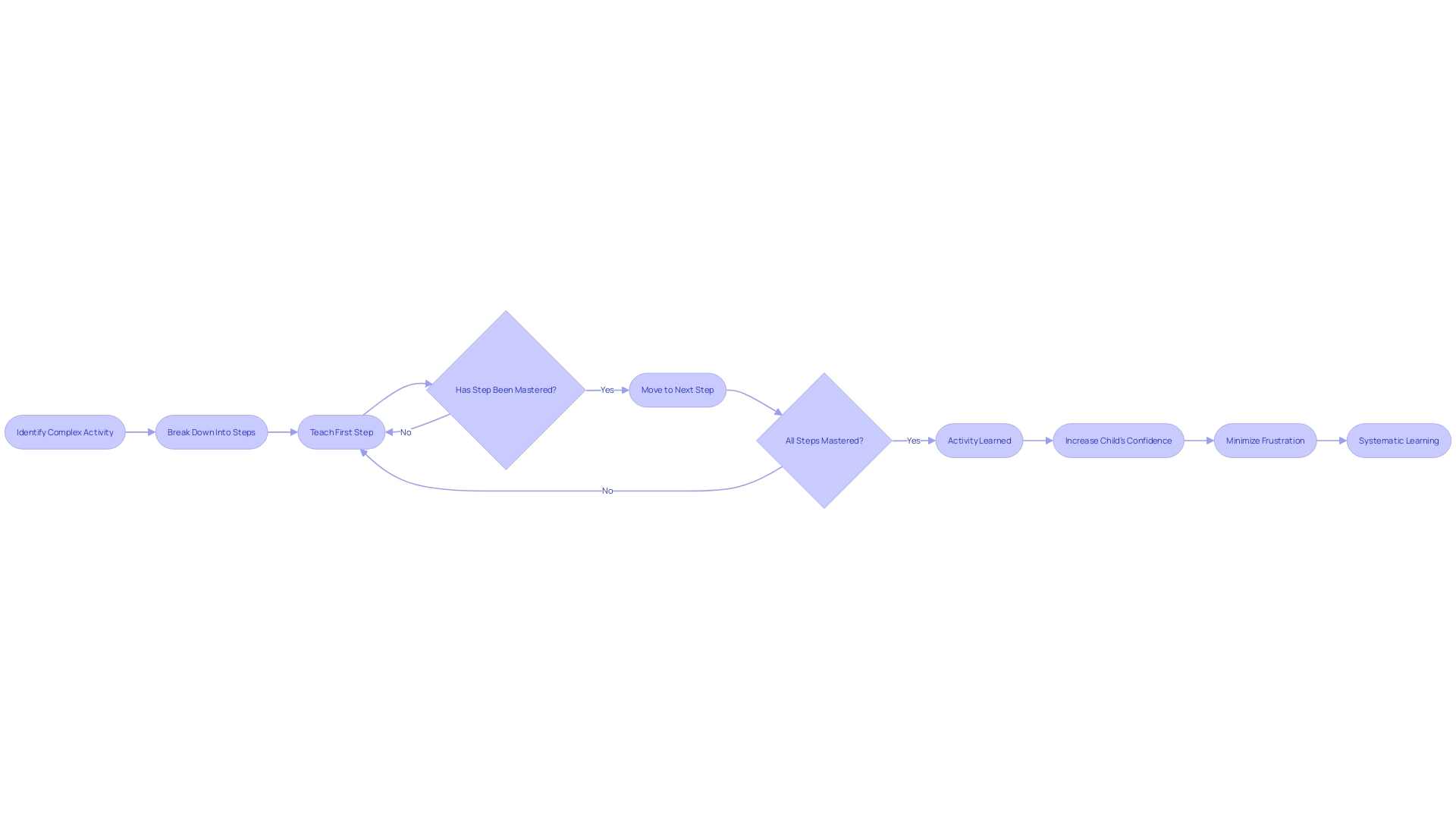
Teaching new skills to children with autism often involves breaking down complex activities into smaller, more digestible steps, a method known as . This structured approach facilitates systematic learning, where a child is encouraged to master one step before advancing to the next. The beauty of lies in its ability to bolster a child's confidence and minimize frustration by offering crystal-clear instructions and a predictable learning pathway.
Recent advancements in have shown promising results in enhancing the quality of life for individuals with Autism Spectrum Disorder (ASD) and their families by enabling early detection and timely intervention. Harnessing the power of to analyze extensive datasets can uncover patterns that aid in the diagnosis and formulation of . These technological innovations have led to , making them a valuable asset in the realm of autism support.
In the realm of for autistic children and youth, research underscores the importance of meticulously designed studies to gauge the effectiveness and scope of the interventions. The quality of the research studies is paramount, as they inform practices that support individuals with autism, ensuring that the interventions respect their unique needs and contribute to their well-being.
Moreover, mental health services, such as , need to be tailored to the distinctive ways autistic individuals process information. and predictable, detailed explanations of treatment plans can enhance their engagement and the therapeutic outcomes. Recognizing the sensory sensitivities of autistic individuals is also crucial, as like noise levels and lighting can significantly affect their comfort and participation in therapy sessions.
is a pivotal element in empowering children with autism to effectively convey their needs and desires. This educational strategy reduces problematic behaviors by equipping children with practical . Whether through , physical gestures, or the utilization of technological aids, the goal is to enhance self-expression. As highlighted by Dr. David (Dan) R. Offord, equitable is essential for the mental health of children, particularly those with disabilities. It is crucial for their acceptance and involvement in school, home, and recreational activities.
Integrating clear speech and iconic gestures significantly aids communication, as they provide visual cues that complement verbal information. This concept is beneficial not only in typical speech scenarios but also in noisy environments, where gestures can help clarify the speaker's message. Research has shown that hand gestures can represent semantic content closely related to spoken words, underscoring the importance of gesture-speech integration.
Moreover, understanding the subtle nuances of , such as distinguishing between genuine and posed smiles, is vital. This discernment is crucial for children with autism, who may struggle with interpreting social cues. The authenticity of a smile, characterized by the involuntary movement of eye muscles, plays a role in social communication and can influence the perception of an individual's emotions.
Families of children who use (AAC) resources are key communication partners, especially given that children spend a significant portion of their time at home. Continuous modeling and support from family members are paramount in fostering an environment conducive to .
In light of these findings, it's evident that not only benefits the children directly but also equips caregivers with the necessary resources to nurture their development. Autistic children, especially those experiencing co-occurring emotional and , face a higher risk of social exclusion. Therefore, interventions like are critical in paving the way for their inclusive and meaningful participation in daily life.
Comprehensive ABA therapy programs prioritize the , which are integral to the well-being and mental health of . Such programs meticulously focus on enhancing abilities like maintaining eye contact, alternating roles during play, starting conversations, and interpreting social cues. These skills are fundamental for to engage in their communities, , and lead a balanced life in school, home, and leisure settings. This approach aligns with the vision of Dr. David (Dan) R. Offord, who emphasized the importance of for children with disabilities, recognizing their unique contributions and addressing their specific needs. With 31-55% of children on the autism spectrum also facing , the is pivotal. It not only helps them navigate daily interactions but also combats the risk of social exclusion, reinforcing their ability to form meaningfully.
, such as visual schedules, social stories, and visual cues, play a central role in , particularly for children on the autism spectrum. These tools are not just aids; they serve as the backbone of a structured therapeutic approach that addresses the faced by autistic children. By offering clear, consistent, and concrete visual messages, these supports can significantly enhance a child's ability to comprehend expectations, adhere to routines, and engage more autonomously with their surroundings.
The impact of on a child's daily life is profound. They offer predictability in a world that can often seem chaotic and unpredictable, thereby reducing stress and anxiety. This aligns closely with the sentiment echoed by Dr. David (Dan) R. Offord, who stressed the importance of , including those with disabilities, in their educational, home, and leisurely pursuits. By mitigating chronic stress and fostering an environment where children with autism can thrive, are instrumental in leveling the playing field and ensuring that every child can participate meaningfully in their community.
Furthermore, with autism diagnoses becoming increasingly common, as noted by Dr. Jan Blacher, who highlighted the shift from 1 in 2,500 individuals to 1 in 36, it's clear that a one-size-fits-all approach to intervention is not sufficient. The diversity within the autism spectrum necessitates that interventions, including the use of , be tailored to the individual's specific strengths and challenges. This , as confirmed by the need for individual assessments and goals set by .
In light of the complex needs of children with autism, clinicians and researchers are continually refining their strategies to ensure the most effective support. With the evolution from quasi-experimental studies to more rigorous randomized controlled trials, the field is dedicated to providing that are responsive to the varying presentations of autism. The ongoing research and adaptation of interventions, including the strategic use of within ABA therapy, underscore a commitment to delivering high-quality care that respects the individuality and potential of each child.

Comprehensive programs focus not only on teaching skills but also on ensuring those skills are applicable across a variety of environments and remain in use over time. The concept of generalization is a cornerstone of , which involves the transfer of learned behaviors to new settings, individuals, and situations. For instance, a child who learns to communicate their needs at home should also be able to do so at school or in the community. Essential to the effectiveness of ABA is the maintenance of these skills, meaning that once a behavior is learned, it should be retained and consistently demonstrated, supporting .
are often put to the test during challenging times, such as the recent pandemic, which exacerbated in over one-third of individuals with autism. Despite these challenges, has shown to be adaptable, with strategies rooted in research and data analysis to ensure each intervention is person-specific, potentially reducing harmful behaviors and promoting social acceptance.
The importance of these strategies is supported by the experiences of experts like Dr. Mary Barbera, who emphasizes the need for a . ABA's personalized nature is underlined by the diversity of autism presentations, as highlighted by Dr. Jan Blacher, suggesting that interventions should be as unique as the individuals they serve. This is echoed by the evolving social model of disability, which advocates for a more nuanced understanding of autism within cultural and social contexts, ultimately shaping the practice of ABA supports.
Amidst a landscape where are becoming more common, it's crucial that ABA programs continue to evolve and address the complex needs of the autistic population, ensuring each person can navigate the world with the skills they need. The ultimate goal of is not only the acquisition of skills but also the autonomy and improved quality of life for individuals with autism, contributing to a society that values and respects neurodiversity.
Systematic data collection and analysis are fundamental to the success of in treating . By meticulously tracking a child's behaviors and milestones, therapists can tailor interventions with precision. For instance, the prevalence of aggressive behaviors in up to 80% of autistic children highlights the need for individualized . Such behaviors not only lead to considerable healthcare costs but also impact the child's access to community and educational resources, while increasing stress and isolation for families. The recent update to the by CASP underscores the importance of . Moreover, the growing incidence of ASD, with current estimates at 1 in 36 children, necessitates . The M-CHAT-R/F, although commonly used, exhibits limitations in sensitivity and positive predictive value in real-world settings. This stresses the need for and implement , which can significantly improve outcomes. As the understanding of autism evolves, so does the approach to intervention, making it imperative to use data to adapt to each child's unique presentation on the spectrum.

To foster a fair and supportive environment, it's essential to integrate not only in therapeutic sessions but also across all domains of a child's life, including home and school. ABA's personalized approach begins with a by a , who sets specific, measurable objectives tailored to each child's needs. These strategies, when consistently applied, can significantly improve the daily of children with autism, especially those facing additional emotional and behavioral challenges.
To achieve this seamless integration, a collaborative effort is needed. Parents and caregivers can work in tandem with ABA therapists to weave these strategies into the child's regular activities and routines, ensuring they receive continuous and . Educators, too, play a critical role by incorporating ABA principles into the classroom, thus crafting a structured and nurturing learning atmosphere that caters to the diverse needs of students with autism.
As the occurrence of autism has increased to 1 in 36 children, as noted by Dr. Jan Blacher, a deeper understanding of autism's spectrum has emerged. With this understanding comes a responsibility to apply interventions that respect the child's cultural context and to provide ongoing support for those implementing these strategies. It's a concerted effort to maintain the child's progress, involving frequent communication between the school, family, and healthcare providers, and adapting to the family's unique schedule and requirements.
Organizations like Aetna Better Health of Kentucky and MapHabit, and experts such as Doreen Granpeesheh, CEO of the Center for Autism and Related Disorders, are acknowledging the importance of addressing whole-person health. This approach includes training providers to meet the unique needs of each individual and fostering communication between care teams. Such initiatives underscore the importance of comprehensive care plans and functional behavioral assessments, which are fundamental to ABA therapy.
In conclusion, the consistent application and monitoring of across all areas of a child's life are vital. It ensures that every child, particularly those on the autism spectrum, can participate fully and equitably in the 'race' of life, as Dr. David Offord envisioned, by recognizing their strengths, addressing their needs, and providing the necessary resources for their well-being and development.

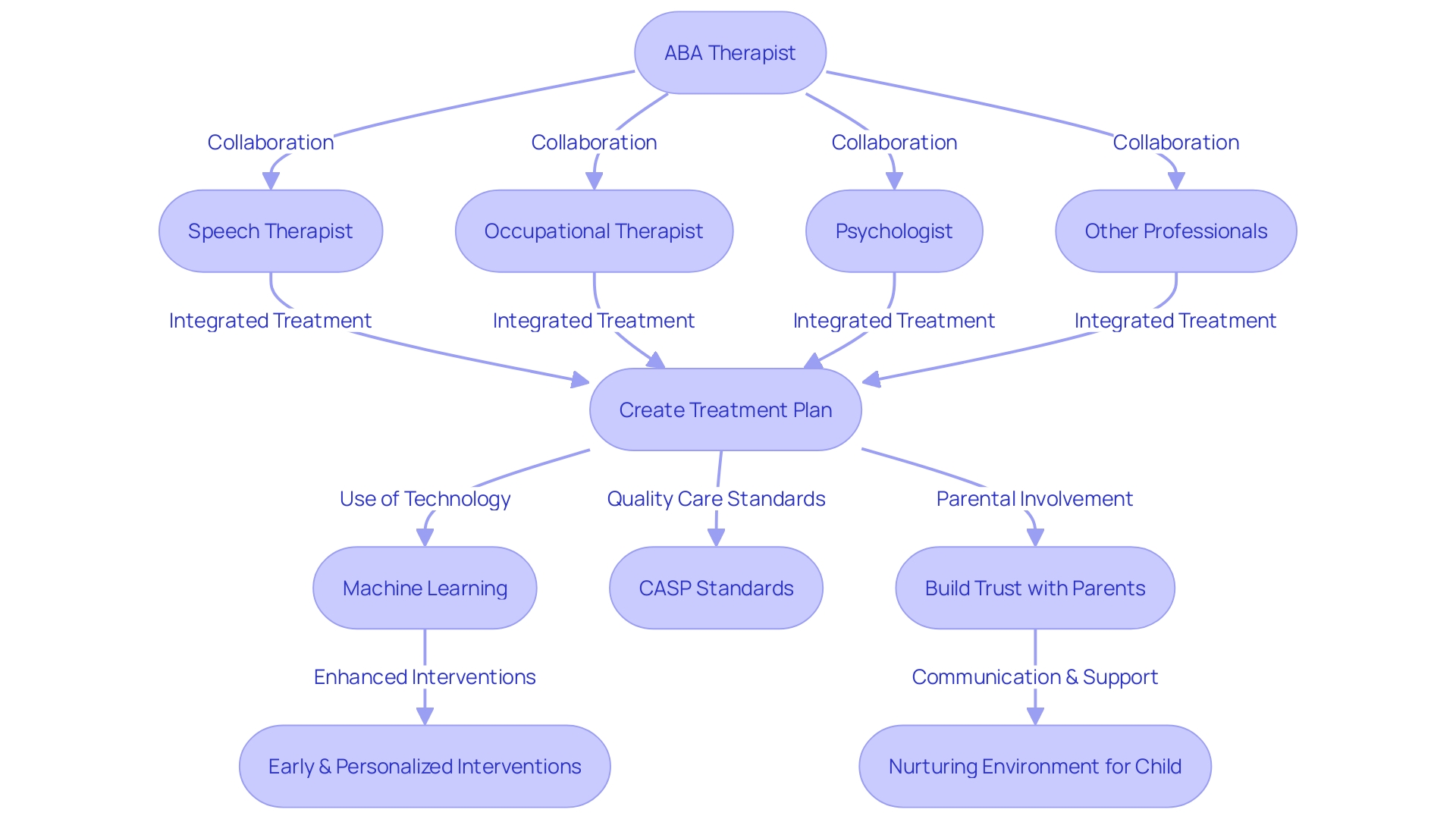
The synergy between ABA therapists and other specialized professionals is essential for the most effective and support. , known for its positive impact on children with autism, becomes even more powerful when it is part of a . Speech therapists, occupational therapists, and psychologists, along with ABA professionals, contribute to a multifaceted treatment strategy. This dynamic team works in unison to tailor an integrated plan that addresses the unique strengths and challenges of each child. Their combined expertise leads to a that not only focuses on improving specific behaviors but also supports the child's overall mental health and social inclusion, echoing Dr. David Offord's vision of a fair and supportive race for all children.
Recent advancements in technology also play a role in enhancing . For example, a study led by Kristiina Tammimies at the Karolinska Institutet applied machine learning to identify autism in children with an 80% accuracy rate before the age of two. Such innovative tools can be integrated into treatment plans to provide early and personalized interventions, increasing the effectiveness of the therapeutic approach.
As the field of evolves, the importance of high-quality, becomes paramount. The Council of Autism Service Providers (CASP) recently updated the Applied Behavior Analysis (ABA) Practice Guidelines to ensure that is implemented to its fullest potential. This initiative underscores the significance of in the realm of , ensuring that every child receives the support they need.
In the spirit of collaboration, through clear communication is critical. As emphasized by experts in the field, active listening and genuine partnership with parents are fundamental to the success of any therapy. Parents, equipped with the right support and reassurance from professionals, become empowered to actively contribute to their child's development. This fosters a nurturing environment where children can thrive, reducing stress and promoting equitable opportunities for meaningful participation in their communities.
In conclusion, personalized ABA therapy programs are essential for effective autism treatment. These programs respect each child's unique strengths and challenges, promoting progress in social, academic, and personal domains. The need for individualized care is supported by research, emphasizing the importance of tailored interventions.
The rise in autism prevalence and the incorporation of the social model of disability further underscore the imperative for personalized ABA programs that acknowledge and incorporate each child's unique identity and capabilities.
Comprehensive ABA therapy programs utilize evidence-based strategies, such as positive reinforcement, prompting and prompt fading, task analysis, functional communication training, social skills training, visual supports, and data collection and analysis. These strategies are tailored to meet the diverse needs of children with autism, enhancing skill development, reducing problematic behaviors, promoting communication, and fostering social inclusion.
Collaboration between ABA therapists and other professionals, such as speech therapists and psychologists, enhances the effectiveness of autism treatment and support. The consistent application and monitoring of ABA strategies across all areas of a child's life, including home and educational settings, are vital. This ensures that children with autism can fully participate and thrive in their communities.
By implementing ABA strategies across all domains of a child's life, we can create a fair and nurturing society that values and respects neurodiversity. The collaboration between ABA therapists, other professionals, parents, and educators is essential in providing comprehensive care and support. Together, we can empower children with autism to reach their full potential and lead fulfilling lives.
What is ABA therapy and why is it used for autism?
Applied Behavior Analysis (ABA) therapy is an evidence-based treatment for autism that uses behavioral strategies to improve social competencies, foster positive behaviors, and encourage independence. It is tailored to meet the individual needs of children with autism to help them reach their full potential.
How are ABA programs tailored to individual children with autism?
ABA programs are customized to cater to the unique strengths, challenges, and personal goals of each child. This approach respects the child’s neurodiversity and aims to maximize progress in social, academic, and personal areas.
Why is it important to have individualized ABA programs?
Every child with autism has different needs and abilities. Individualized ABA programs ensure equitable participation in all aspects of life, reduce stressors, and support active community involvement, which is essential for the mental health and well-being of these children.
How do recent technological advancements contribute to autism treatment?
Technological advancements, like the AutMedAI model, use data to predict autism with high accuracy in children under two years old. These tools emphasize the importance of early and personalized care.
What is the social model of disability and how does it relate to ABA therapy?
The social model of disability views disability as a result of societal structures rather than a medical issue alone. It advocates for changes in societal expectations and practices, encouraging ABA programs that incorporate the unique identity and capabilities of each child with autism.
What are some key ABA strategies for supporting children with autism?
Key strategies include positive reinforcement to reward beneficial behaviors, prompting and prompt fading to teach autonomy, task analysis to break down complex activities, and social skills training to enhance community engagement.
What is functional communication training (FCT) in ABA therapy?
FCT is a strategy that teaches children with autism to effectively communicate their needs and desires. This can include spoken words, gestures, or the use of technological aids, improving their ability to participate in social and educational activities.
How are visual supports used in ABA therapy?
Visual supports, such as schedules, social stories, and cues, provide clear and consistent messages that help children with autism understand expectations and engage more autonomously with their environment.
What is meant by generalization and maintenance of skills in ABA therapy?
Generalization refers to the ability to apply learned behaviors to new settings and situations, while maintenance ensures that these behaviors are retained and consistently demonstrated over time.
Why is data collection and analysis important in ABA therapy?
Data collection and analysis allow therapists to track behaviors and milestones, enabling them to tailor interventions with precision and adapt to each child's unique presentation on the autism spectrum.
How can ABA strategies be implemented at home and in educational settings?
ABA strategies can be integrated into a child's daily life by caregivers and educators working in collaboration with ABA therapists. This ensures continuous and holistic support across all environments.
What role does collaboration between ABA therapists and other professionals play in autism treatment?
Collaboration between ABA therapists and other professionals, such as speech and occupational therapists, leads to a comprehensive treatment plan that addresses the overall mental health and social inclusion of children with autism.