Introduction
Understanding and managing phobias in children with autism can feel overwhelming for parents and caregivers. It’s a journey filled with complexities, especially when it comes to behavior therapy. But here’s the good news: partnering with an autism care specialist trained in Applied Behavior Analysis (ABA) therapy can make a world of difference! This structured approach not only helps address those fears but also empowers children to face them, step by step.
So, how do you choose the right specialist? And how can you work together effectively to achieve the best outcomes? 🤔 In this article, we’ll explore essential strategies for using ABA therapy in phobia management. We’ll guide you through finding the right support and implementing techniques that truly work. Let’s dive in and discover how we can navigate this journey together!
Understand ABA Therapy and Its Role in Phobia Management
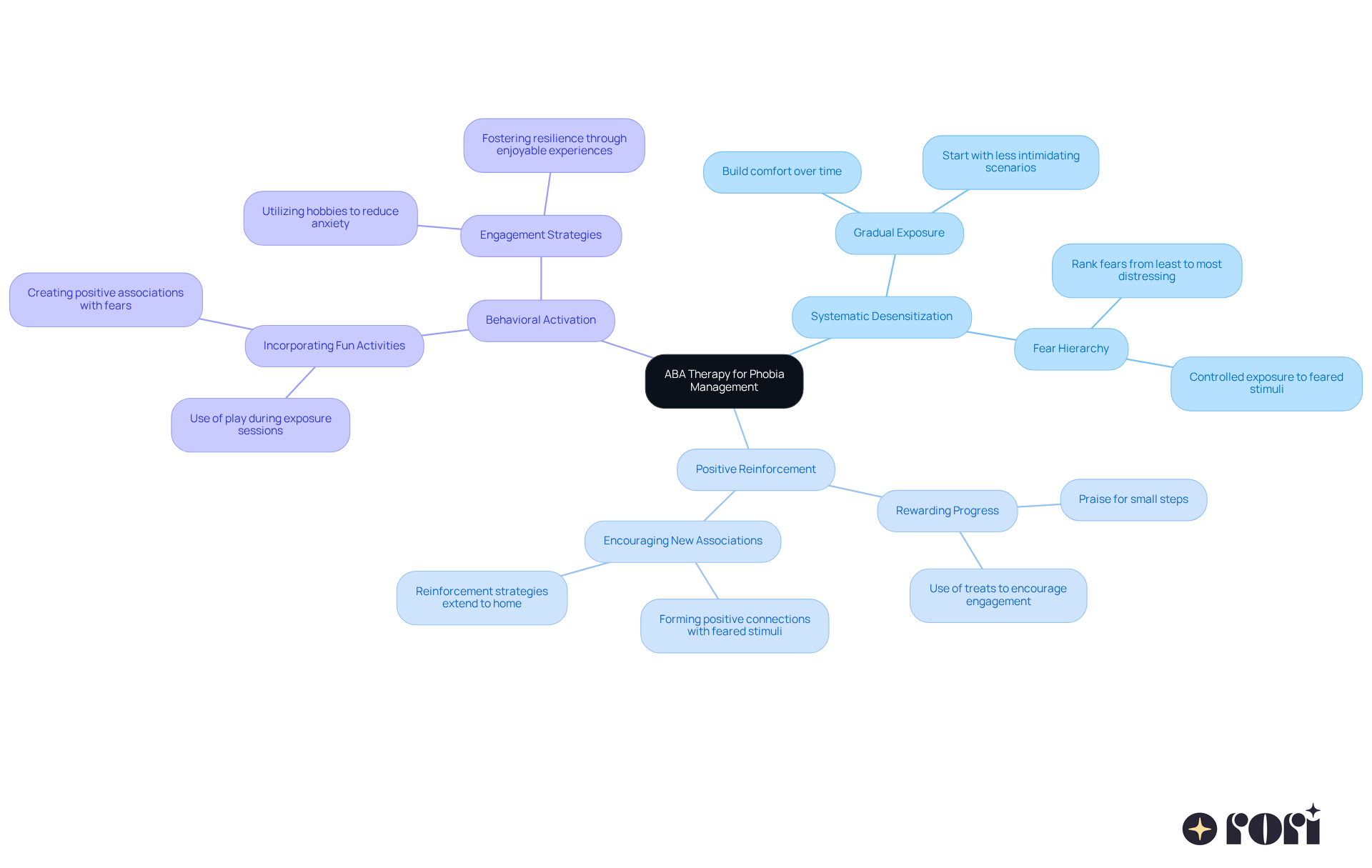
Applied Behavior Analysis (ABA) therapy is a structured method designed to . It’s especially effective for managing phobias in children with autism when guided by an . At the heart of this approach are techniques like and , which empower young ones to face their fears step by step.
- : This technique involves gently confronting the feared object or situation, starting with less intimidating scenarios. For instance, if a child is afraid of dogs, they might begin by looking at pictures of dogs, then watching a calm dog from a distance, and eventually interacting with a friendly dog. This gradual exposure helps them build comfort and resilience over time.
- : It’s so important to reward kids for facing their fears, even if it’s just a small step. Imagine a child who bravely approaches a feared object; they might receive praise or a little treat, reinforcing their courage and encouraging them to keep engaging with what scares them.
- Behavioral Activation: Getting kids involved in fun activities can really help . For example, incorporating play or their favorite hobbies during exposure sessions can create a positive association with the feared situation, making it feel less daunting.
that an knows that systematic desensitization is more than just exposure; it’s about to confront their anxieties. One therapist shared, 'The key is to respect the child’s pace and celebrate every small victory.' Understanding these principles is vital for parents and caregivers as they navigate the journey of with their kids. It ensures they can effectively support their child’s progress and emotional well-being.
Let’s explore this together! If you have any thoughts or experiences to share, we’d love to hear from you!
Identify and Choose the Right Autism Care Specialist
Choosing the right for with is super important when it comes to helping your child face their fears. Here are some friendly steps to guide you through this process:
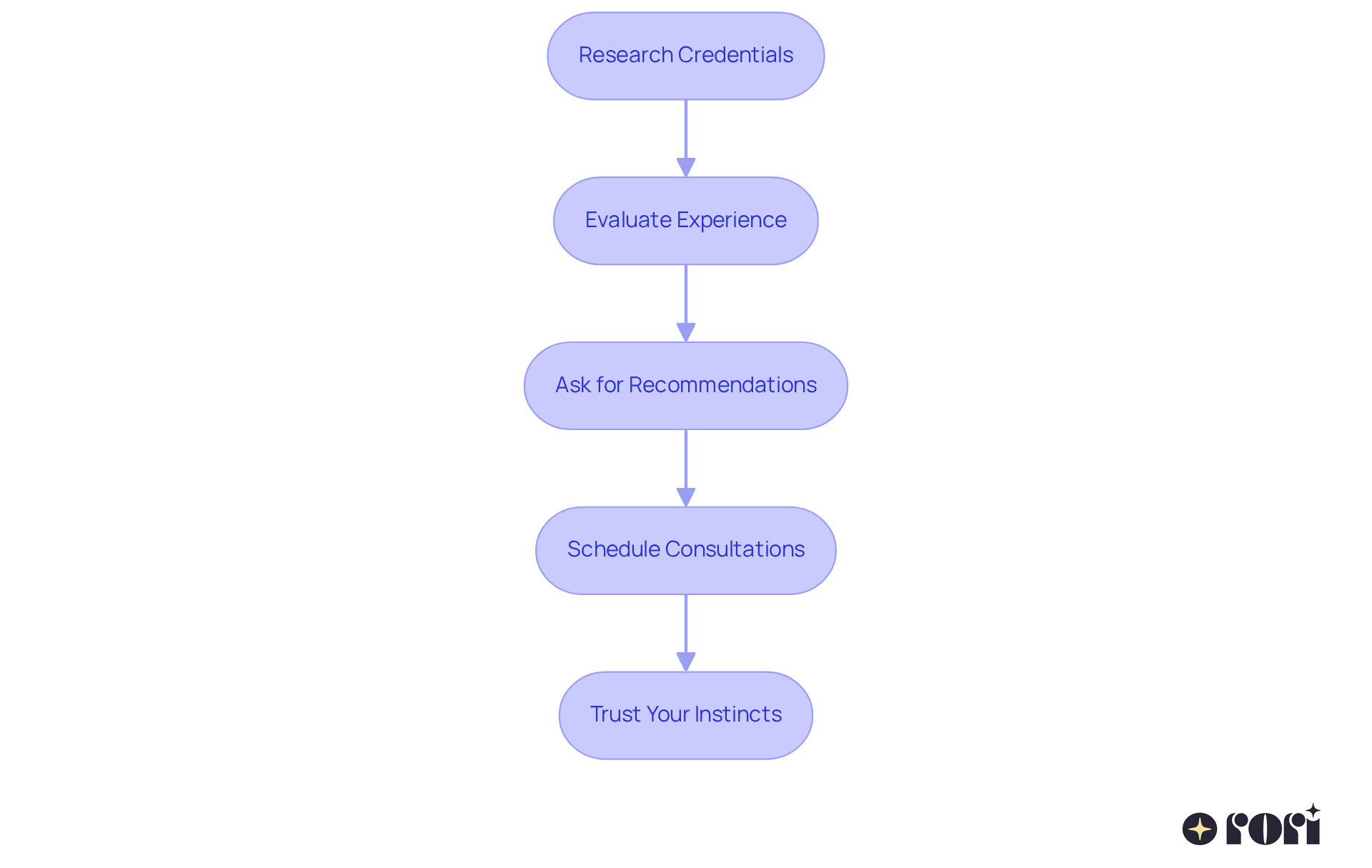
- Research Credentials: Look for specialists who have the right qualifications, like (ABA) therapy. This shows they really understand behavioral principles and know .
- : Don’t hesitate to ask about their experience with . It’s key to understand how an for phobia management with approaches ABA therapy and tailors interventions for kids with autism. This ensures they’re a good fit for your family’s needs.
- Ask for Recommendations: Reach out to other parents or professionals in the autism community for referrals. Hearing about into how effective and compassionate potential specialists are.
- : Set up meetings with specialists you’re considering. Discuss your child’s unique challenges and treatment goals. This is a great way to see how they communicate and their approach to care.
- : Choose a with both you and your child. A supportive and understanding environment is crucial for building trust and encouraging progress in therapy.
Let’s explore this together! Finding the right support can make all the difference for your child.
Collaborate with Your Specialist to Set Goals and Strategies
Collaborating with an is essential for assisting young individuals with autism in managing their phobias. Here are some friendly strategies to enhance this partnership:
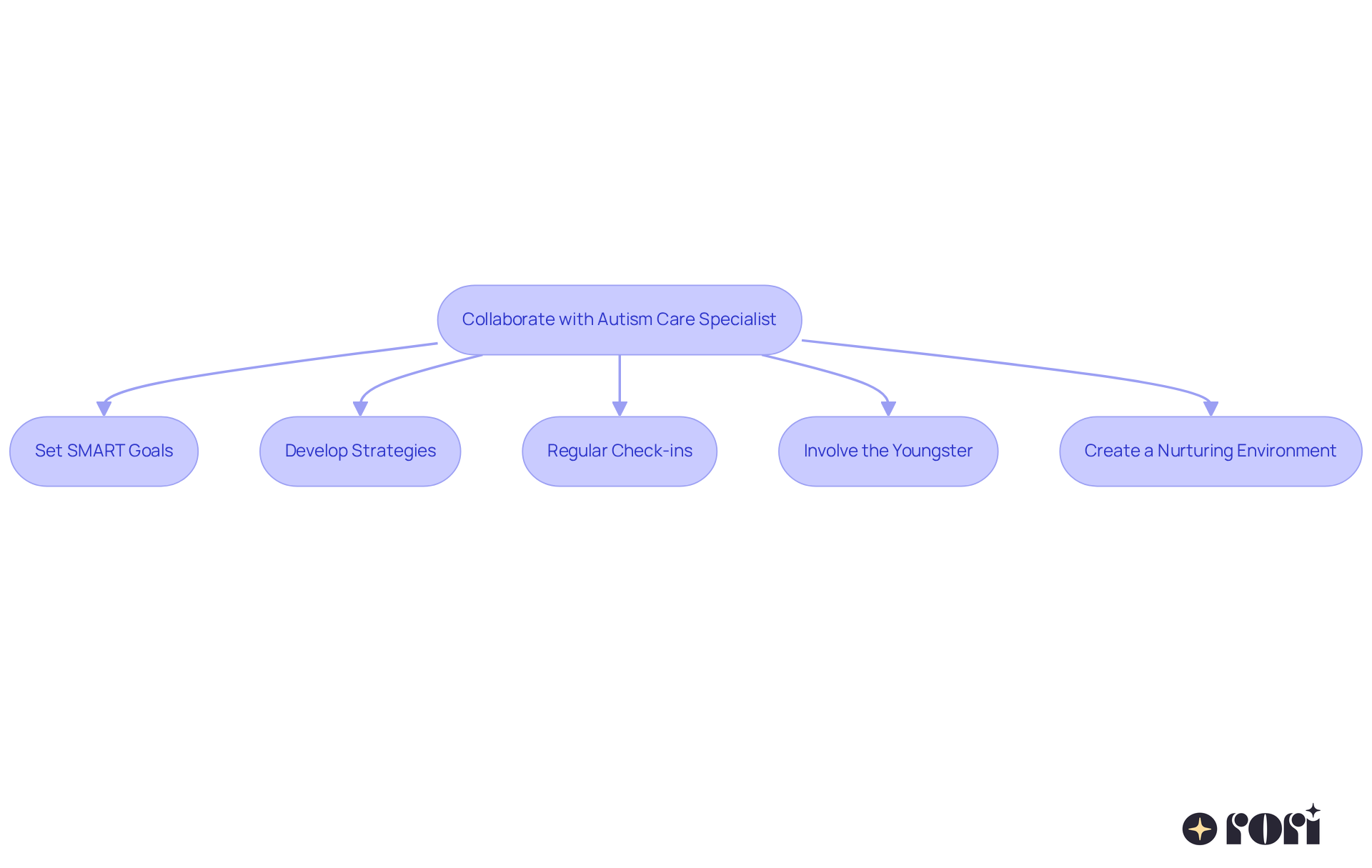
- : Let’s start by setting goals that are Specific, Measurable, Achievable, Relevant, and Time-bound. For example, you might aim for your child to approach a feared object within a certain timeframe. This way, you can easily !
- : Team up with the specialist to create a detailed plan that includes gradual exposure techniques and reinforcement strategies tailored just for your child. This is super important for effectively managing their phobias, especially when guided by an .
- Regular Check-ins: Make it a habit to schedule , tackle any challenges, and tweak the treatment plan as needed. These check-ins not only keep the treatment aligned with your child’s evolving needs but also boost their motivation and commitment to the process.
- Involving the Youngster: to share their feelings about the treatment. This involvement helps them feel a sense of ownership and engagement, empowering them to take an active role in their journey.
By using these , you can create a nurturing environment that enhances the effectiveness of an autism care specialist for phobia management with ABA therapy in addressing your child's fears. Let’s explore this together!
Implement ABA Strategies for Effective Phobia Management
To effectively implement ABA strategies for managing phobias, let’s break it down into some simple steps:
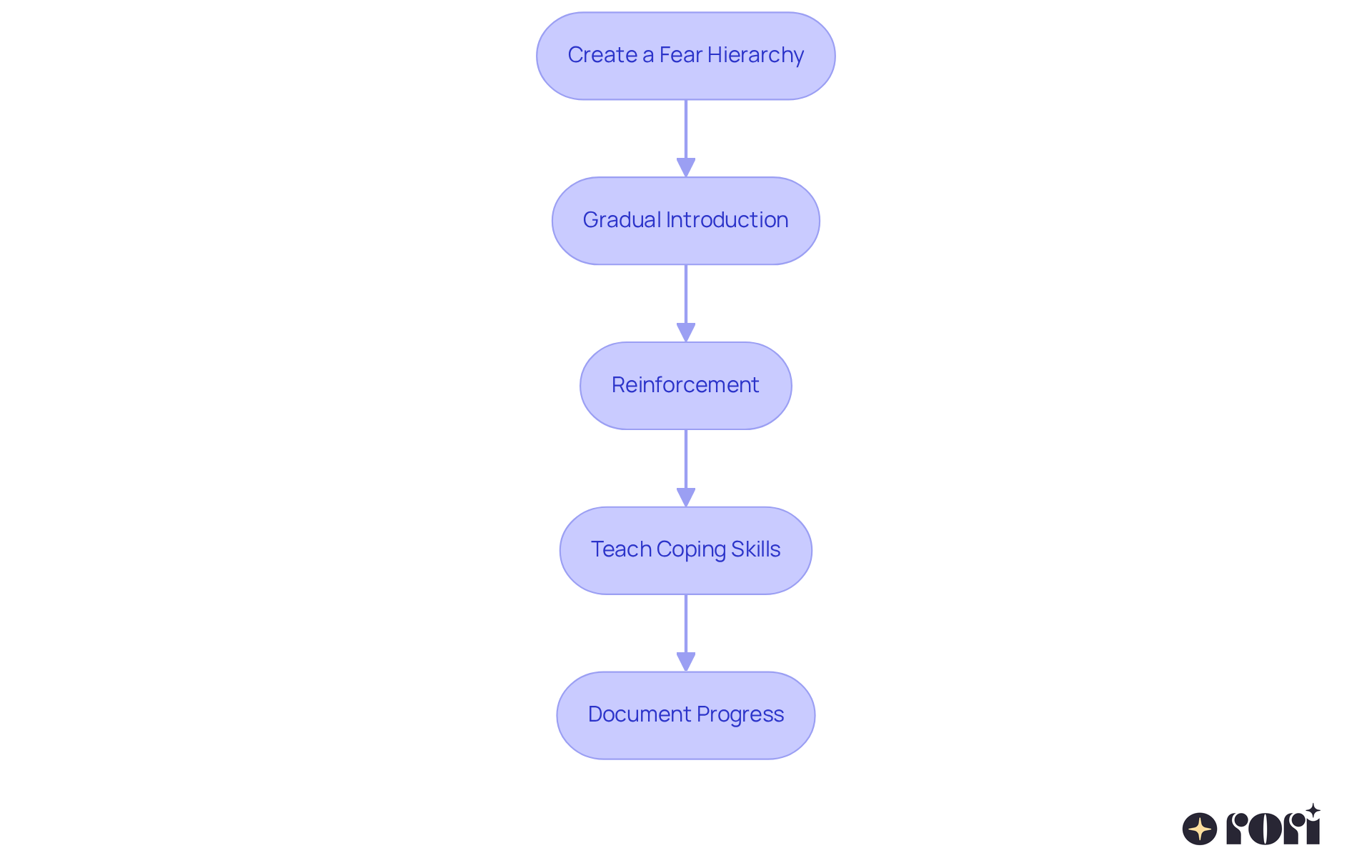
- Create a : Start by listing the situations or objects your child fears, from the least to the most anxiety-provoking. Begin with the least intimidating item. This organized approach helps them gradually get used to their fears.
- : Begin by interacting with the least feared item. You might use role-play or to help your little one understand what to expect. This makes the process feel less daunting.
- Reinforcement: After each successful encounter, offer -like praise or small rewards. This encourages continued progress and aligns with the measurable goals in your child’s behavioral plan, giving clear benchmarks for success.
- Teach Coping Skills: Equip your child with , such as deep breathing or visualization techniques, to help manage anxiety during exposure. Our , who are autism care specialists for phobia management with , use these evidence-based practices to support kids.
- : Keep track of your child’s responses and progress. Adjust your approach based on their comfort level and reactions. Regularly revising treatment plans ensures continuous assessment and improvement, enhancing outcomes for your child.
Research shows that , a key part of ABA, can lead to significant improvements in handling specific fears within just 6-12 sessions. By following these structured steps, you can effectively support your child in overcoming fears and boosting their overall emotional well-being.
Let’s explore this together! We’re here to help you every step of the way!
Monitor Progress and Adjust Treatment Plans as Needed
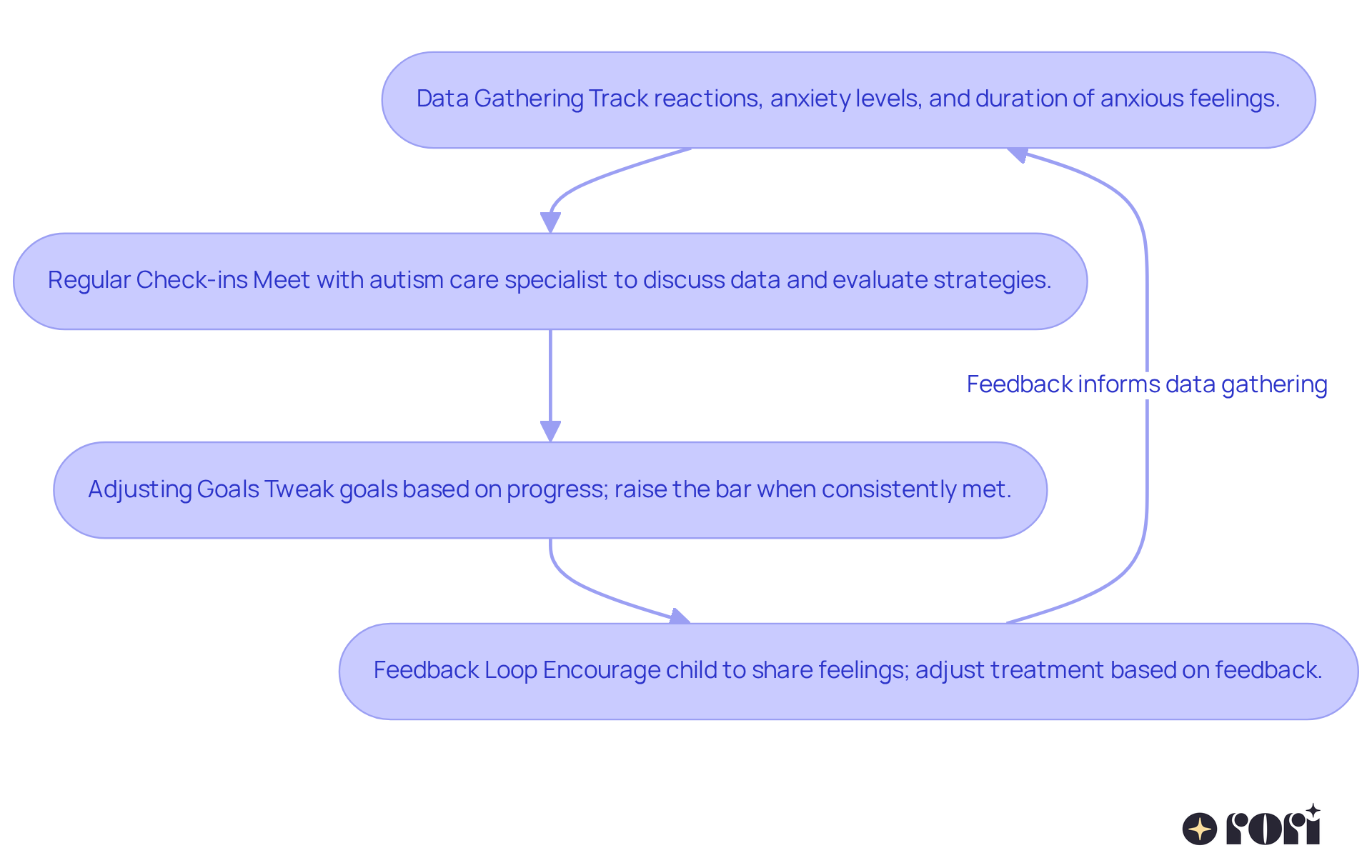
Monitoring progress in managing phobias through can feel like a journey, but there are some key strategies that can really help along the way:
- : Start by using different techniques to keep track of how your child reacts during interactions and reinforcement. Think about counting how often they successfully face their fears, checking their anxiety levels before and after sessions, and noting how long those anxious feelings stick around during exposure. It’s all about understanding their experience better!
- Make it a point to have regular check-ins with your for . These meetings are a great opportunity to discuss the data you’ve collected. Working together like this not only helps evaluate how effective your strategies are but also fosters a sense of transparency and informed decision-making. You’re not alone in this!
- : Be ready to tweak your goals and strategies based on how your child is progressing. If they’re consistently hitting a goal, why not raise the bar a bit? Research shows that regularly updating s by an for phobia management with can lead to better outcomes, with over 89% of studies noting improvements in individuals. It’s all about keeping the momentum going!
- Feedback Loop: Encourage your child to share their feelings and experiences throughout this process. Their and can guide you in making necessary adjustments to the . This not only empowers them but also they’re learning. It’s a win-win for long-term success in managing phobias!
Let’s explore this together! Remember, you’re not just helping your child face their fears; you’re building a supportive environment that fosters growth and understanding.
Conclusion
Partnering with an autism care specialist for phobia management through ABA therapy is a wonderful way to help children face their fears in a structured and compassionate way. This collaboration is so important! It not only brings in the expertise needed but also creates a supportive environment that respects each child's pace and celebrates their little victories.
In this guide, we've highlighted some key strategies, like:
- Systematic desensitization
- Positive reinforcement
Along with the importance of setting collaborative goals. By choosing the right specialist and actively participating in the treatment process, caregivers can really boost their child's ability to manage phobias effectively. Remember, every child is unique, and a tailored approach that recognizes their individual challenges and strengths is essential.
Ultimately, managing phobias through ABA therapy isn't just about overcoming fears; it's about empowering children with the tools they need to thrive emotionally and socially. Engaging in this journey with an autism care specialist can lead to meaningful progress and a brighter future for kids facing phobias. Taking that first step in this partnership can truly pave the way for lasting change and improved well-being.
Let’s explore this together! We’re here to help you every step of the way!
Frequently Asked Questions
What is ABA therapy and how does it help with phobia management?
Applied Behavior Analysis (ABA) therapy is a structured method designed to change behavior through reinforcement strategies. It is particularly effective for managing phobias in children with autism, using techniques such as systematic desensitization and positive reinforcement to help children face their fears gradually.
What is systematic desensitization?
Systematic desensitization is a technique that involves gently confronting a feared object or situation, starting with less intimidating scenarios. For example, a child afraid of dogs might begin by looking at pictures of dogs, then observing a calm dog from a distance, and finally interacting with a friendly dog, allowing them to build comfort and resilience over time.
How does positive reinforcement play a role in managing phobias?
Positive reinforcement involves rewarding children for facing their fears, even if it's a small step. For instance, when a child bravely approaches a feared object, they might receive praise or a small treat, which reinforces their courage and encourages continued engagement with what scares them.
What is behavioral activation and how does it help with phobias?
Behavioral activation involves getting children involved in fun activities to help reduce anxiety related to phobias. Incorporating play or favorite hobbies during exposure sessions can create a positive association with the feared situation, making it feel less daunting.
Why is it important to choose the right autism care specialist for phobia management?
Choosing the right autism care specialist is crucial for effectively helping your child face their fears. A qualified specialist can tailor interventions to meet your child's unique needs and ensure a supportive environment that fosters progress in therapy.
What credentials should I look for in an autism care specialist?
Look for specialists who have the appropriate qualifications, such as board certification in Applied Behavior Analysis (ABA) therapy. This indicates that they understand behavioral principles and effective treatment strategies.
How can I evaluate the experience of an autism care specialist?
Ask about the specialist's experience with phobia management and how they approach ABA therapy. Understanding their methods will help you determine if they are a good fit for your family's needs.
What steps can I take to find a suitable autism care specialist?
You can start by researching credentials, asking for recommendations from other parents or professionals, scheduling consultations to discuss your child's challenges and treatment goals, and trusting your instincts about the specialist’s connection with you and your child.
List of Sources
- Understand ABA Therapy and Its Role in Phobia Management
- Resources | Golden Steps ABA (https://goldenstepsaba.com/resources/success-rates-of-aba-therapy)
- Inspirational ABA and Autism Quotes - Mrs. Moe's Modifications (https://mrsmoesmodifications.com/inspirational-aba-and-autism-quotes)
- soaringhighaba.com (https://soaringhighaba.com/post/the-role-of-desensitization-techniques-in-aba-therapy)
- How ABA Therapy Supports Children in Managing Phobias and Fears (https://crossrivertherapy.com/articles/how-aba-therapy-supports-children-in-managing-phobias-and-fears)
- magnetaba.com (https://magnetaba.com/blog/how-aba-therapy-supports-children-with-autism-in-overcoming-fears)
- Identify and Choose the Right Autism Care Specialist
- Autism Therapy Statistics | Discovery ABA (https://discoveryaba.com/aba-therapy/autism-therapy-statistics)
- Success Rates of ABA Therapy | Advanced Autism Services (https://advancedautism.com/post/success-rates-of-aba-therapy)
- goldenstepsaba.com (https://goldenstepsaba.com/resources/aba-therapist-statistics)
- The Numbers Don't Lie: Revealing Autism Therapy Statistics | Above and Beyond Therapy (https://abtaba.com/blog/autism-therapy-statistics)
- crossrivertherapy.com (https://crossrivertherapy.com/aba-therapy-success-rates)
- Collaborate with Your Specialist to Set Goals and Strategies
- The Role of Collaborative Goal-Setting in Autism Support | Advanced Autism Services (https://advancedautism.com/post/the-role-of-collaborative-goal-setting-in-autism-support)
- pmc.ncbi.nlm.nih.gov (https://pmc.ncbi.nlm.nih.gov/articles/PMC6615268)
- Applying SMART Goal Intervention Leads to Greater Goal Attainment, Need Satisfaction and Positive Affect (https://sciencedirect.com/org/science/article/pii/S1462373022000013)
- Voices of Strength and Understanding: Insights and Inspiration on Autism - apricott ABA (https://apricott.com/resources/autism-quotes)
- Implement ABA Strategies for Effective Phobia Management
- The Impact of ABA Therapy on Reducing Phobias and Fears (https://totalcareaba.com/autism/the-impact-of-aba-therapy-on-reducing-phobias-and-fears)
- Exposure Therapy Guide 2025 - How It Works & Results (https://careersinpsychology.org/exposure-therapy)
- 20 Insightful Quotes About Overcoming a Child's Anxiety (https://blog.thecrayoninitiative.org/20-insightful-quotes-about-overcoming-a-childs-anxiety)
- ambitionsaba.com (https://ambitionsaba.com/resources/aba-strategies-for-addressing-fear-or-phobias)
- Monitor Progress and Adjust Treatment Plans as Needed
- Data Collection in ABA Therapy for Children with Autism (https://striveabaconsultants.com/data-collection-in-aba-therapy-for-child-with-autism)
- 14 Proven ABA Data Collection Methods (And When to Use Each One) (https://ravenhealth.com/blog/aba-data-collection)
- Success Rates of ABA Therapy | Advanced Autism Services (https://advancedautism.com/post/success-rates-of-aba-therapy)
- The Role of Data Collection in Monitoring ABA Therapy Progress | Discovery ABA (https://discoveryaba.com/aba-therapy/the-role-of-data-collection-in-monitoring-aba-therapy-progress)
- mastermindbehavior.com (https://mastermindbehavior.com/post/how-to-track-progress-in-aba-therapy-85c9b)