Understanding Challenging Behaviors in Autism
Addressing challenging behaviors in individuals with autism requires insight into the unique ways they communicate and the specific triggers that may lead to behaviors such as aggression, self-injury, and tantrums. Recognizing these behaviors as a form of expression for unmet needs or frustrations is critical. Machine learning has the potential to predict significant behaviors, allowing caregivers to mitigate or prevent their impact.
This understanding aligns with the philosophy of fair and supportive participation of children with disabilities in all aspects of life, reducing stress and improving mental health. With initiatives like the Kevin and Avonte Program and state Medicaid plans, the importance of addressing severe behaviors and fostering strong alliances between schools, families, and healthcare providers is evident. Culturally sensitive interventions and a focus on the strengths of autistic children promote equity and mental health within their communities.
in individuals with autism requires insight into the unique ways they communicate and the specific triggers that may lead to behaviors such as aggression, self-injury, and tantrums. Recognizing these behaviors as a is critical. Dr. Theresa Hamlin of The Center for Discovery emphasizes the potential of , allowing caregivers to mitigate or prevent their impact. This understanding aligns with the philosophy championed by Dr. David Offord, who advocated for fair and in all aspects of life, thereby .
Moreover, the Kevin and Avonte Program, established to prevent tragedies related to wandering, has allocated $10.3 million to enhance safety and awareness. This initiative reflects the importance of addressing severe behaviors and aligns with state Medicaid plans that significantly influence access to care and services for the autism community. and are essential, as they offer ongoing support and foster an environment where autistic individuals can thrive without the stigma attached to their diagnosis. These approaches underscore the necessity of acknowledging the strengths that autistic children bring to their communities, thereby promoting equity and mental health.

Harnessing the principle of can transform the approach to managing challenging behaviors in individuals with autism. This technique, rooted in the science of , encourages the endorsement of by offering rewards or incentives. A New York state-licensed and Board-Certified Behavior Analyst emphasizes the significance of in delivering best practices and ensuring high-quality, coordinated care.
Incorporating positive reinforcement within therapeutic and home settings not only clarifies behavioral expectations but also bolsters the individual's self-esteem as they are acknowledged for their positive actions. As noted in a visionary talk from The World Business Forum in November 2023 by Chris Stanley, the focus on catching individuals doing things right, rather than wrong, is a powerful tool for fostering a constructive and safe environment where everyone can thrive.
The Gemiini platform, founded by Kasbar, exemplifies this by assisting children on the autism spectrum in developing through positive engagement. This aligns with research that underscores the importance of social validation—where community members' perspectives on intervention goals and procedures are integral to the process. It's a reminder that recognizing and celebrating the right actions can deeply influence behavior and the perception of one's abilities, contributing to a more fulfilling life for those with autism.

Creating a for individuals with autism is critical in addressing and managing their unique behavioral challenges. A well-considered plan encompasses not only proactive strategies to avert potential crises but also reactive measures to defuse situations as they arise. ; involving parents, caregivers, therapists, and educators ensures that the plan is tailored to the individual's specific needs. Such a plan is a testament to the community's commitment to equity in mental health and social participation, as emphasized by Dr. David (Dan) R. Of ford's vision of a fair race for all children, including those with disabilities.
The efficacy of these intervention plans is heightened when they're crafted with insights from various stakeholders. This multidisciplinary approach is echoed by a New York state-licensed and Board-Certified Behavior Analyst, who highlights the importance of and community input in developing interventions. This collaborative ethos is essential for addressing the , particularly those experiencing co-occurring emotional and behavioral problems.
In rural areas like Gallatin County, Montana, innovative strategies are necessary to overcome geographical challenges in delivering . Technology solutions that streamline processes and coordinate care are crucial in these environments, ensuring that every individual, regardless of location, receives timely and high-quality support.
Despite the complexities involved in designing these plans, the need for cannot be overstated. Studies have demonstrated that many interventions for autistic children and youth are conducted with design flaws, underscoring the importance of rigorous research and transparent reporting. This scrutiny is vital to guarantee that interventions not only address immediate behavior but also foster long-lasting, , without causing harm. As the conversation around intervention research quality continues to evolve, driven by both researchers and the autism community, the overarching goal remains clear: to respect and support individuals with autism in leading engaged, peaceful, and well-supported lives.
To construct an effective for individuals with autism, it's imperative to incorporate a range of components tailored to address their specific needs. are paramount, including the use of visual aids, sensory-focused interventions, communication enhancements, and tailored . These strategies should be adaptable and responsive to the individual's unique preferences and requirements.
A robust is also essential, providing clear guidelines on utilizing straightforward language, nonverbal communication, and visual tools to support comprehension and help defuse potentially escalating situations.
Inclusion of is a practical aspect of the plan, ensuring immediate access to medical professionals, therapists, and crisis support services when urgent situations arise.
form a critical part of the intervention, outlining methods to calmly manage challenging behaviors. This could involve establishing a serene environment, offering sensory breaks, or employing relaxation techniques such as deep breathing or mindfulness.
Finally, are crucial for reviewing and refining the intervention process. Detailed records of incidents, interventions, and outcomes will assist in understanding the effectiveness of the strategies employed and facilitate continuous improvement.
Drawing from the wisdom of experts like Dr. David (Dan) R. Offord, who highlighted the importance of fair and supportive opportunities for children with disabilities, and considering successful programs like the Kevin and Avonte Program, which focuses on preventing wandering and elopement, this multi-faceted approach ensures that individuals with autism receive the support they need to safely navigate crises. These insights underscore the value of equipping caregivers and communities with the resources to address challenging behaviors effectively, promoting mental health, and fostering equitable participation in society.
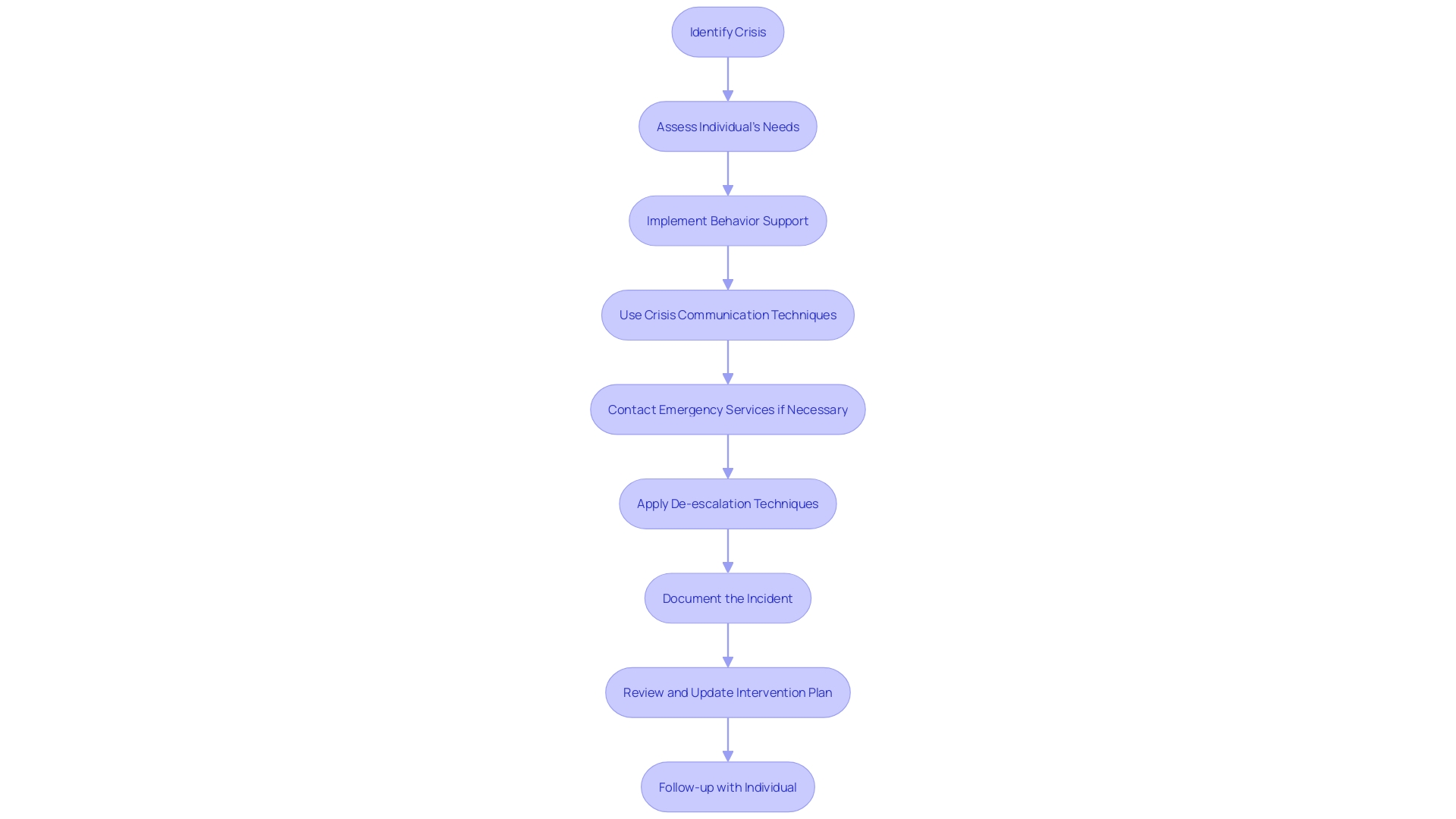
Effective are not static documents but evolving strategies tailored to the dynamic needs of individuals with autism. As such, meticulous implementation and vigilant monitoring are paramount to adapt to the individual's development and respond to their evolving requirements. Everyone involved in carrying out the plan, from educators to therapists, must be equipped with to foster a seamless application of the strategies outlined within the plan.
Continuous evaluation is key to determining the plan's impact, allowing for that enhance its effectiveness and ensure that optimal support is provided. This approach aligns with Dr. David Offord's vision of a fair race for all children, including those with autism who face additional . It echoes the neurodiversity-affirming perspective which advocates for creating accommodating environments rather than focusing solely on 'curing' autism. By embracing these principles, caregivers can ensure meaningful participation of in various life domains, thereby fostering their mental health and overall well-being.
Furthermore, staying abreast of the latest research, such as the shift towards randomized controlled trials in autism studies, ensures that interventions are grounded in the most current and robust evidence. This commitment to , along with monitoring for adverse events and managing potential conflicts of interest, establishes a comprehensive and ethical framework for supporting individuals with autism.
Delving into the world of crisis intervention, it becomes clear that is not just a theory, but a practical approach with real-world success. Take, for example, a moment in the life of an who encountered a fourth-grade student sprinting down the hallway, pursued by his resource room teacher. The situation, which could easily have escalated, was instead an opportunity to apply that demonstrate the importance of understanding and addressing the with .
Combine this with the insights from experienced professionals like Dr. Tish Taylor, a licensed psychologist, who emphasizes the significance of showing care and fostering connection, and it's evident that compassionate approaches are crucial. Her work in clinical assessment and , along with her contributions as an author and educator, underline the value of nurturing the mental health of children with disabilities.
Supporting this approach, the Kevin and Avonte Program, named after two autistic teens who tragically drowned after wandering away from safety, has made strides in like wandering and elopement. Since 2018, the program has received $10.3 million in grants, aiding in the recovery of individuals and enhancing public awareness and prevention efforts. Meanwhile, state Medicaid plans are also playing a pivotal role by providing specific strategies to manage challenging behaviors, emphasizing how tailored interventions can lead to more inclusive and equitable care.
The common thread in these case studies and initiatives is the acknowledgment of the children's needs and the communities' roles in supporting their growth. As Dr. David (Dan) R. Offord poignantly stated, the goal is to make life's race fair for all children, including those with disabilities. By learning from these examples and the expertise of seasoned professionals, parents and caregivers can feel empowered to nurture their children's development in a fair and supportive environment.
In conclusion, addressing challenging behaviors in individuals with autism requires recognizing their unique communication methods and triggers. Machine learning can predict behaviors, aiding caregivers in mitigating their impact. Collaboration among schools, families, and healthcare providers is crucial, as seen in initiatives like the Kevin and Avonte Program and state Medicaid plans.
Culturally sensitive interventions and focusing on strengths promote equity and mental health.
Positive reinforcement is key to managing challenging behaviors, boosting self-esteem and creating a constructive environment. Technology solutions like the Gemiini platform aid in developing communication skills. Social validation is important in intervention goals.
Creating a crisis intervention plan involves collaboration and incorporates behavior support strategies, crisis communication plans, emergency contact information, de-escalation techniques, and follow-up and documentation. Multidisciplinary approaches and evidence-based practices address holistic needs.
Effective crisis intervention plans require monitoring and continuous evaluation for optimal support. Real-world examples highlight the success of compassionate intervention techniques and the importance of community support.
In conclusion, understanding and addressing the unique needs of individuals with autism empower caregivers to create a nurturing environment that promotes mental health and equitable participation.
What are challenging behaviors in the context of autism?
Challenging behaviors refer to patterns of behavior such as aggression, self-injury, and tantrums that are often exhibited by individuals with autism as a form of expression for unmet needs or frustrations.
How can machine learning help in predicting challenging behaviors?
Machine learning can analyze patterns and predict when significant challenging behaviors are likely to occur, allowing caregivers and professionals to mitigate or prevent their impact.
What is the Kevin and Avonte Program?
The Kevin and Avonte Program is an initiative focused on preventing tragedies related to wandering in autistic individuals. It has allocated $10.3 million to enhance safety and awareness around this issue.
Why is positive reinforcement important in managing autism-related behaviors?
Positive reinforcement encourages and endorses positive behaviors by offering rewards or incentives, which can improve self-esteem, clarify behavioral expectations, and foster a safe and constructive environment.
What does a comprehensive crisis intervention plan for autism involve?
It involves proactive strategies to prevent crises and reactive measures to defuse situations, tailored to the individual's needs and developed collaboratively with input from various stakeholders, such as parents, therapists, and educators.
What are the key elements of a crisis intervention plan for individuals with autism?
Key elements include behavior support strategies, a clear crisis communication plan, inclusion of emergency contact information, de-escalation techniques, and a process for follow-up and documentation.
How should a crisis intervention plan be implemented and monitored?
Plans should be implemented with proper training for all involved and monitored continuously to adapt to the individual's development, with adjustments made as necessary to ensure the plan's effectiveness.
Why is evidence-based practice significant in interventions for autism?
Evidence-based practice ensures that interventions are based on the most current and robust evidence, which is critical for supporting the well-being of autistic individuals in an ethical and effective manner.
Can you give an example of positive reinforcement in action?
One example is a school psychologist who used calm and caring intervention techniques to effectively manage a potentially escalating situation with a fourth-grade student, demonstrating the practical application of positive reinforcement.
How do state Medicaid plans influence care for individuals with autism?
State Medicaid plans significantly influence access to care and services for the autism community by providing strategies to manage challenging behaviors and ensuring inclusive and equitable care.